The Greatest SciFi Movies of 1979
Interstellar Terror and Dystopian Deserts
Explore the best science fiction cinema from the end of the seventies, featuring Ridley Scott's masterpiece, space adventures, and cult classic films.
About SciFi 1979 Movies
In the rearview mirror of cinematic history, 1979 often looks like the moment science fiction finally shed its adolescent skin and embraced a darker, more industrial maturity. This was the year the genre stopped dreaming exclusively of shiny utopias and started worrying about the grease, the grime, and the existential weight of the future. The landscape was defined by a fascinating tension between the blockbuster demand for spectacle and a new, cynical brand of realism that would dictate the tone of the decade to come.
The year was dominated by Ridley Scott's Alien, a film that effectively murdered the optimistic wonder of the space race. By placing what was essentially a gothic slasher movie inside the rusted hull of a commercial tugboat, Scott redefined the aesthetic of the genre. Space was no longer a frontier for heroes; it was a workplace for the tired and underpaid where no one could hear you scream. The Nostromo was not a sleek rocket ship but a dripping, claustrophobic basement in the stars. This shift toward lived-in technology changed everything, grounding the fantastic in the mundane reality of blue-collar labor.
While Alien was redefining terror, Star Trek: The Motion Picture was busy trying to find the bridge between the television era and the post-Star Wars appetite for visual grandeur. It remains a polarizing entry, often criticized for its slow pace and long sequences of contemplative model photography. Yet, looking back, it stands as a monumental attempt to treat science fiction as high art. Robert Wise brought a sense of massive, cold scale to the screen, focusing on the philosophical implications of artificial intelligence and human evolution. It was a cerebral counterpoint to the visceral shocks happening elsewhere in the theater.
Away from the deep reaches of space, 1979 also gave us George Miller's Mad Max. This low-budget Australian powerhouse proved that the future didn't need starships to feel alien. By stripping the world down to its asphalt bones and high-octane desperation, Miller introduced a wasteland aesthetic that would be imitated for decades. It felt immediate and dangerous, suggesting that the end of the world wouldn't be a clean nuclear flash but a slow, violent slide into tribalism and gasoline fever.
Even the smaller offerings of the year reflected a genre in flux. Disney attempted to capture the darker mood of the era with The Black Hole, a strange and haunting descent into a gravity-warping hell that remains one of the studios most tonally bizarre experiments. Meanwhile, James Bond went to orbit in Moonraker, acknowledging that by the end of the seventies, even the most grounded franchises felt the gravitational pull of the stars.
Ultimately, 1979 served as the bridge between two eras. It carried the ambitious, intellectual leftover DNA of the 1960s while birthing the gritty, functional, and terrifying tropes that would define the 1980s. It was the year we realized the future might be amazing, but it was also probably going to be very dirty, very expensive, and potentially quite lethal. We left the decade not looking for the stars, but looking over our shoulders.
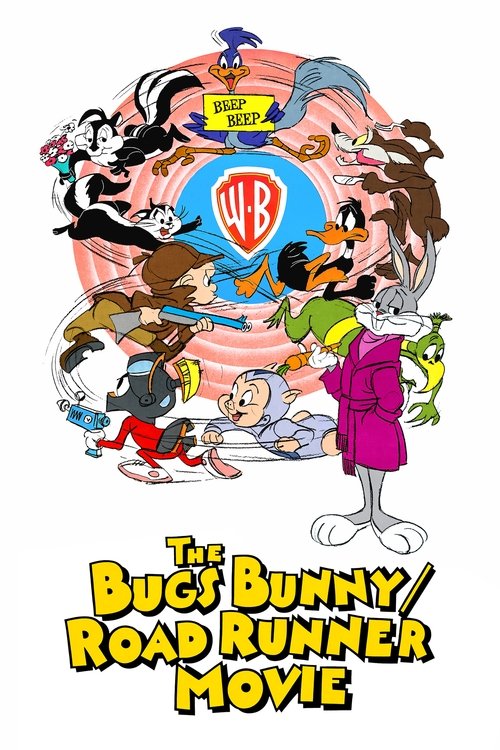
The Bugs Bunny/Road Runner Movie
1979A collection of Warner Brothers short cartoon features, "starring" the likes of Daffy Duck, Porky Pig and Wile.E.Coyote. These animations are interspersed by Bugs Bunny reminiscing on past events and providing links between the individual animations which are otherwise unconnected. This 1979 feature-length compilation includes several of his best cartoons. Among the 11 shorts shown in their entirety are the classics "Robin Hood Daffy," "What's Opera, Doc?," "Bully for Bugs," and "Duck Amuck". The Bugs Bunny Road Runner Movie provides a showcase not only for Jones's razor-sharp timing, but for the work of his exceptional crew, which included designer Maurice Noble, writer Mike Maltese, composers Carl Stalling and Milt Franklyn, and voice actor Mel Blanc.
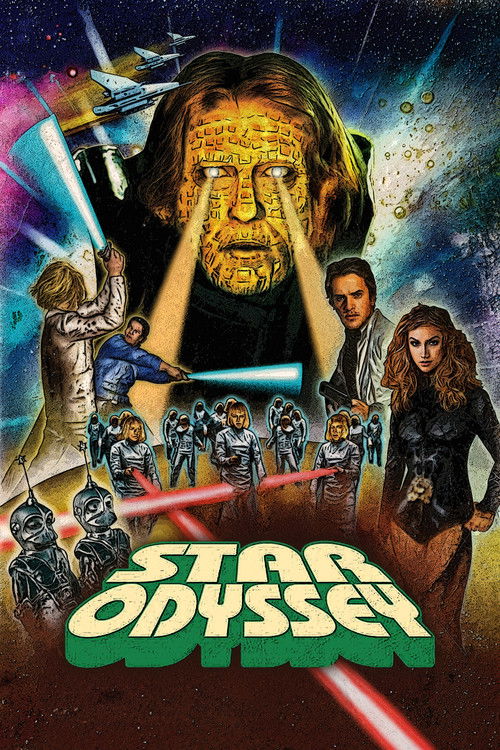
Star Odyssey
1979Earth is attacked by an intergalactic villain and his army of robotic androids.
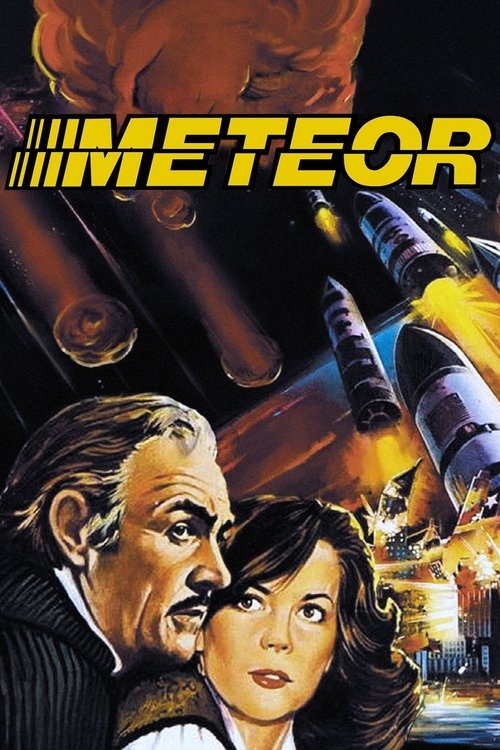
Meteor
1979After a collision with a comet, a nearly 8km wide piece of the asteroid "Orpheus" is heading towards Earth. If it hits it will cause an incredible catastrophe which will probably extinguish mankind. To stop the meteor NASA wants to use the illegal nuclear weapon satellite "Hercules" but discovers soon that it doesn't have enough firepower. Their only chance to save the world is to join forces with the USSR who have also launched such an illegal satellite. But will both governments agree?
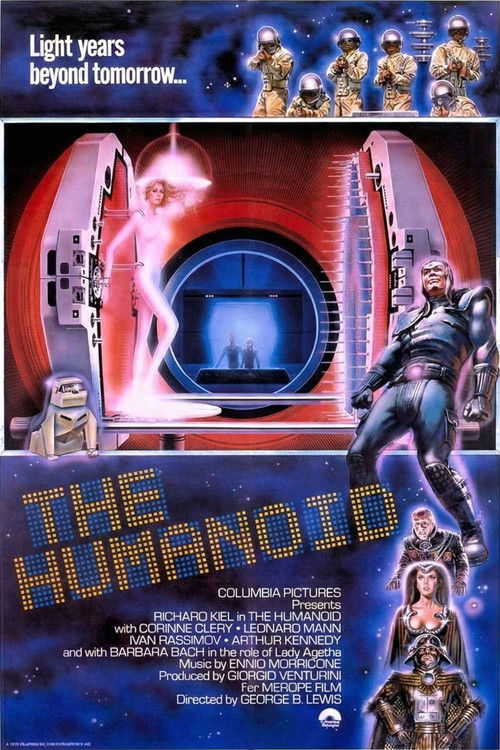
The Humanoid
1979Hoping to overthrow his brother as ruler of the planet Metropolis, the evil Graal enlists the help of the insane Dr. Kraspin, who has invented a chemical capable of turning an ordinary person into a perfect soldier. They test this chemical on the pilot Golob, turning the unsuspecting victim into a mindless but indestructible automaton possessing superhuman strength. The people of Metropolis must somehow outwit Graal before he can create an army of these soldiers, or their planet will be destroyed.
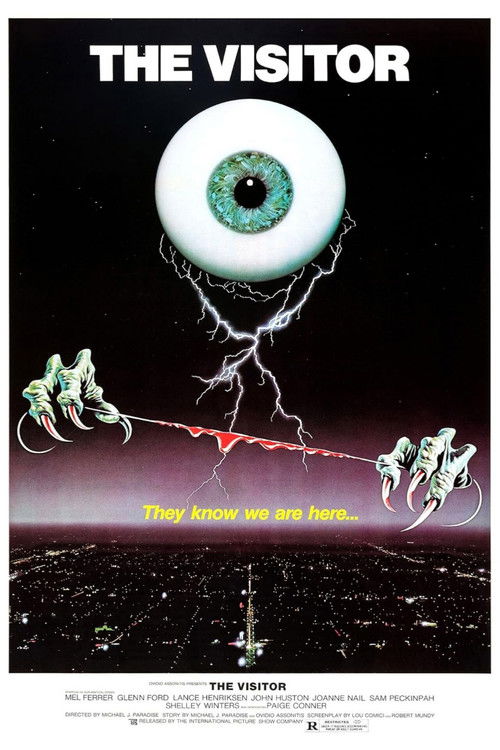
The Visitor
1979An ancient intergalactic warrior arrives on Earth to put a stop to a demonic child's plot to reproduce Satan's next generation of evil.
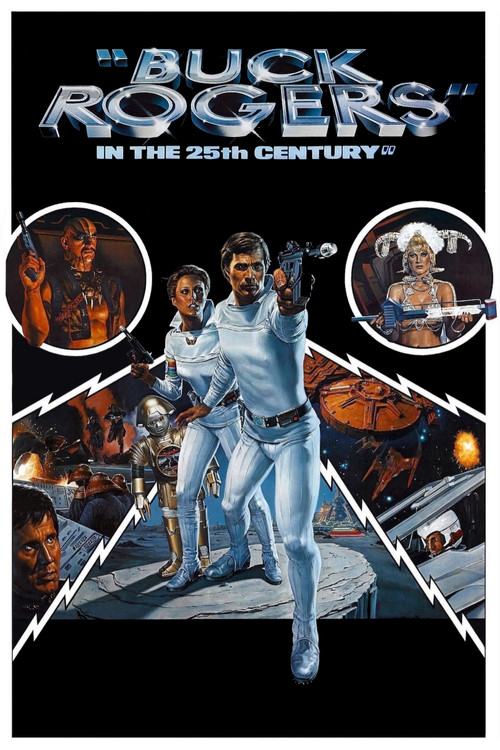
Buck Rogers in the 25th Century
1979Capt. William "Buck" Rogers is a jovial space cowboy who is accidentally time-warped from 1987 to 2491. Earth is engaged in interplanetary war following a global holocaust, and Buck's piloting skills make him an ideal starfighter recruit for the Earth Defense Directorate.

Quintet
1979During a future ice age, dying humanity occupies its remaining time by playing a board game called Quintet. For one small group, this obsession is not enough. They play the game with living pieces, and only the winner survives.
Robert Altman brings his signature ensemble complexity to a frozen, post-societal game of death. The film’s bleak, impressionistic visuals offer an uncompromising and hypnotic look at humanity’s instinct for competition even at the edge of extinction.
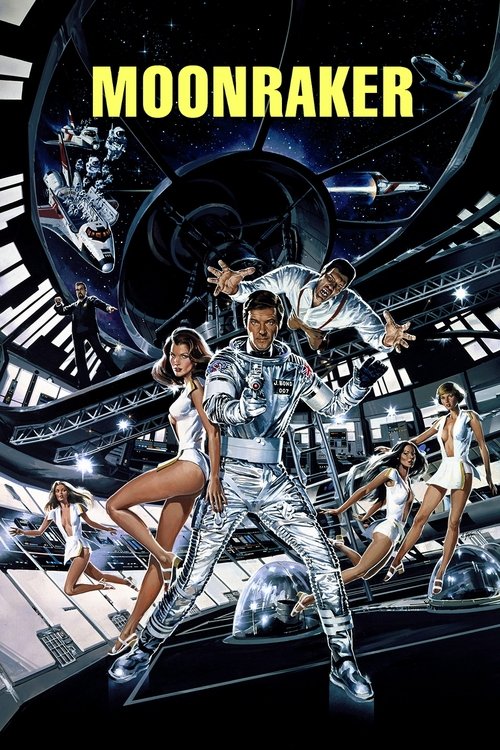
Moonraker
1979After Drax Industries' Moonraker space shuttle is hijacked, secret agent James Bond is assigned to investigate, traveling to California to meet the company's owner, the mysterious Hugo Drax. With the help of scientist Dr. Holly Goodhead, Bond soon uncovers Drax's nefarious plans for humanity, all the while fending off an old nemesis, Jaws, and venturing to Venice, Rio, the Amazon...and even outer space.
Bond’s foray into the space race is a peak example of 1979’s 'everything-is-sci-fi' cultural zeitgeist. Its ambitious orbital miniatures and Ken Adam sets elevate the spy formula into a lavish, high-altitude extravaganza.
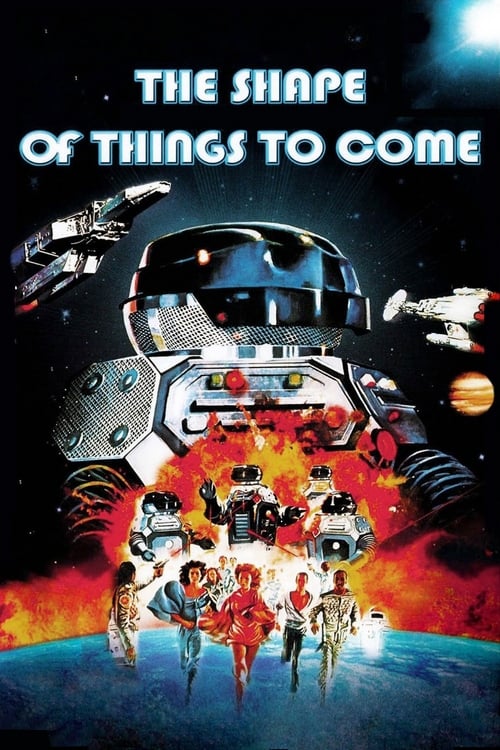
The Shape of Things to Come
1979Planet Earth is a devastated wasteland, and what's left of humanity has colonized the Moon in domed cities. Humanity's continued survival depends on an anti-radiation drug only available on planet Delta Three, which has been taken over by Omus, a brilliant but mad mechanic who places no value on human life. Omus wants to come to the Moon to rule and intends to attack it by ramming robot-controlled spaceships into the domes. Dr. John Caball, his son Jason, Jason's friend, Kim, and a robot named Sparks embark on Caball's space battlecruiser on an unauthorized mission to Delta Three to stop Omus.
Despite its modest budget, this Canadian production captures the late-seventies fascination with shiny, robotic futurism. It stands as a fascinating, camp-adjacent relic of the post-Star Wars gold rush in international genre cinema.
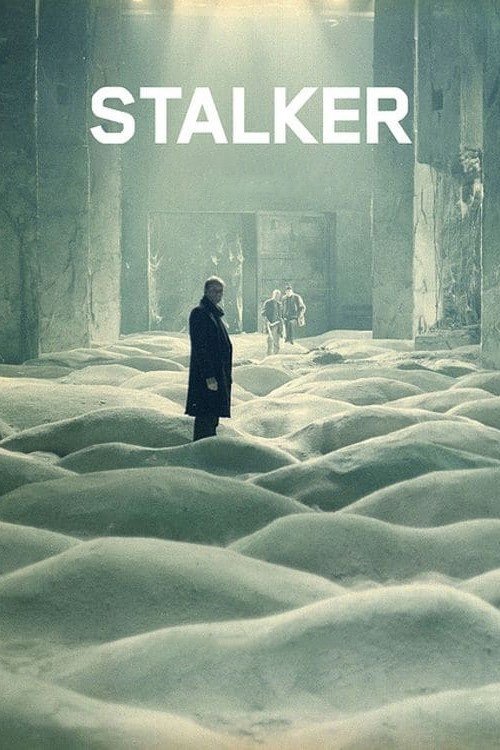
Stalker
1979Near a gray and unnamed city is the Zone, a place guarded by barbed wire and soldiers, and where the normal laws of physics are victim to frequent anomalies. A stalker guides two men into the Zone, specifically to an area in which deep-seated desires are granted.
Andrei Tarkovsky’s existential journey is a slow-burn meditation on faith and the human psyche. Its sepia-drenched cinematography and philosophical density prove that the most profound alien landscapes are often found within the mind.
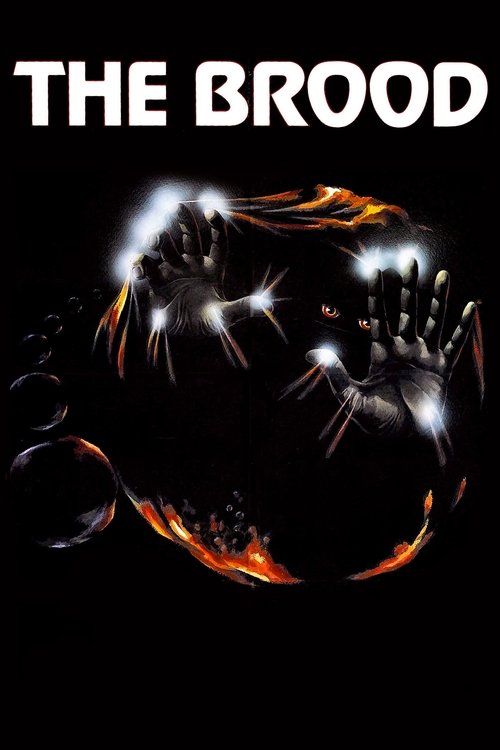
The Brood
1979A man tries to uncover an unconventional psychologist's therapy techniques on his institutionalized wife, while a series of brutal attacks committed by a brood of mutant children coincides with the husband's investigation.
David Cronenberg’s visceral dive into 'psychoplasmatics' remains a chilling milestone of biological horror and metaphorical manifestation. It weaponizes the trauma of divorce and domestic instability into a grotesque, unforgettable clinical nightmare.
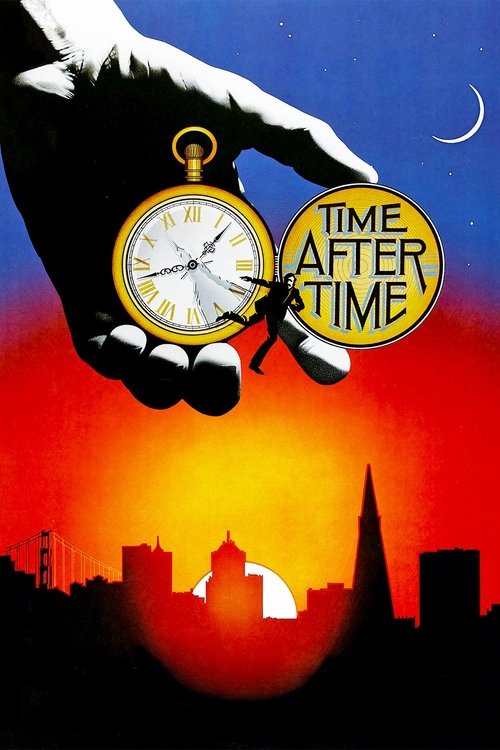
Time After Time
1979Writer H. G. Wells pursues Jack the Ripper to modern day San Francisco after the infamous serial killer steals his time machine to escape the 19th century.
Blending Victorian charm with 1970s grit, this clever temporal chase film succeeds through its earnest performances and sharp social commentary. It is a rare genre hybrid that manages to be both a suspenseful thriller and a poignant fish out of water romance.
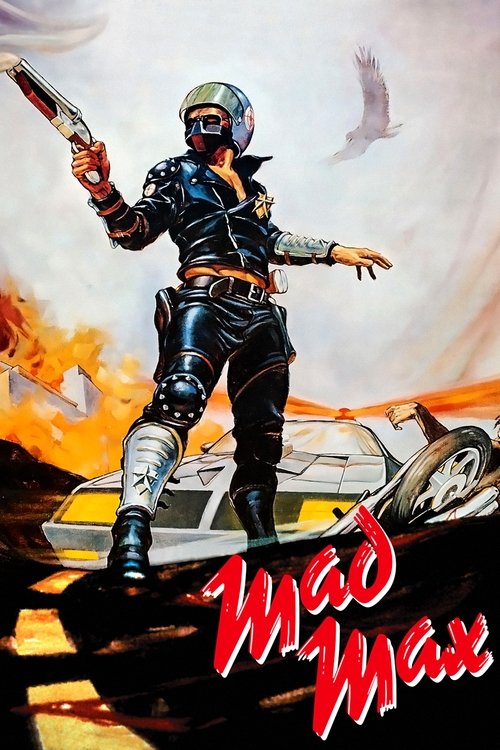
Mad Max
1979In the ravaged near-future, a savage motorcycle gang rules the road. Terrorizing innocent civilians while tearing up the streets, the ruthless gang laughs in the face of a police force hell-bent on stopping them.
George Miller’s kinetic debut transformed the Australian outback into a visceral, low-budget blueprint for societal collapse. The film’s raw energy and practical stunt work invented a new visual language for the post-apocalyptic wasteland.
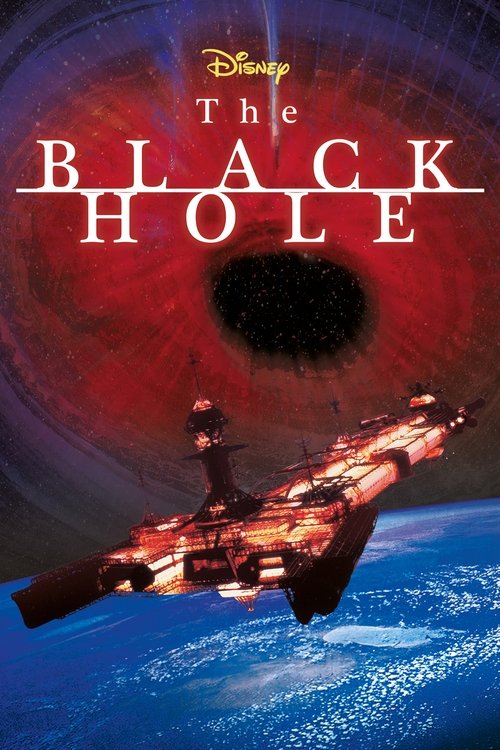
The Black Hole
1979The explorer craft USS Palomino is returning to Earth after a fruitless 18-month search for extra-terrestrial life when the crew comes upon a supposedly lost ship, the USS Cygnus, hovering near a black hole. The ship is controlled by Dr. Hans Reinhardt and his monstrous robot companion, but the initial wonderment and awe the Palomino crew feel for the ship and its resistance to the power of the black hole turn to horror as they uncover Reinhardt's plans.
Disney’s darkest live-action experiment is a gothic nightmare cloaked in high-budget space operatics. Its haunting, surrealist ending and oppressive production design push the boundaries of family-friendly science fiction into the abyss.
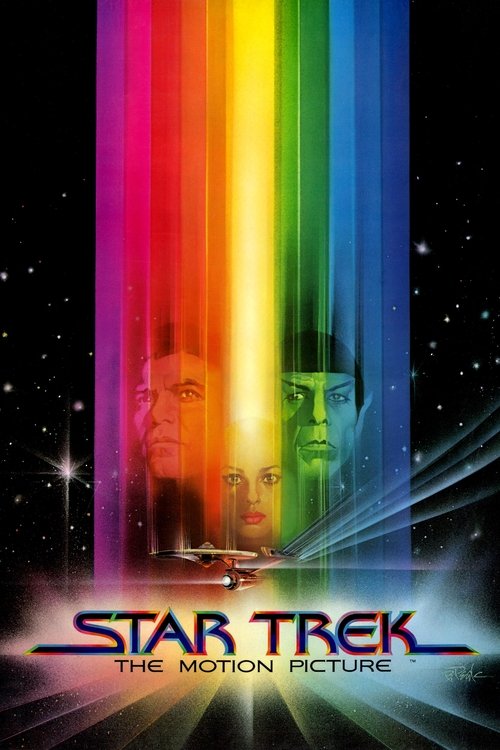
Star Trek: The Motion Picture
1979When an unidentified alien destroys three powerful Klingon cruisers, Captain James T. Kirk returns to the newly transformed U.S.S. Enterprise to take command.
This grand, cerebral return to the final frontier prioritizes majestic spectacle and philosophical scale over the franchise's typical pulp origins. Robert Wise creates a meditative visual symphony that treats the cosmos with genuine, terrifying awe.
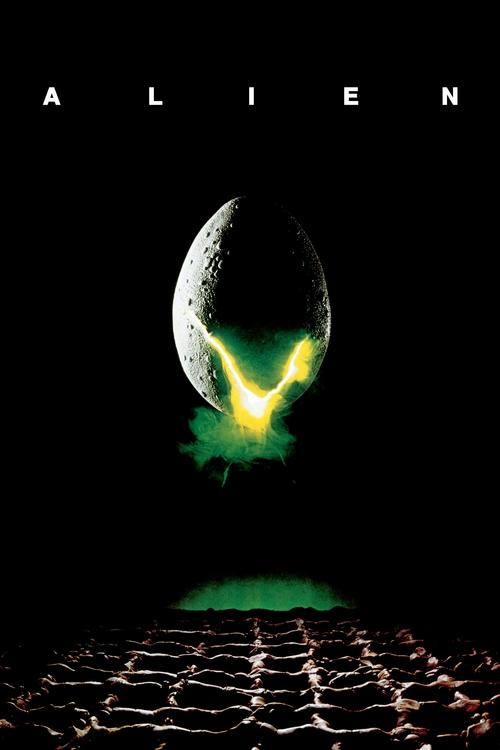
Alien
1979During its return to the earth, commercial spaceship Nostromo intercepts a distress signal from a distant planet. When a three-member team of the crew discovers a chamber containing thousands of eggs on the planet, a creature inside one of the eggs attacks an explorer. The entire crew is unaware of the impending nightmare set to descend upon them when the alien parasite planted inside its unfortunate host is birthed.
Ridley Scott’s masterwork redefined the genre by嫁ing gothic horror with a lived-in, blue-collar industrial aesthetic. It remains the gold standard for atmospheric tension and creature design that taps into primal, psychosexual anxieties.
Frequently Asked Questions
Everything you need to know about this list and SnakeDrafts
- Ridley Scott's Alien stands out as the greatest sci-fi movie of 1979 due to its groundbreaking fusion of horror and science fiction, creating an intense and atmospheric space thriller. Its innovative design, suspenseful storytelling, and strong female protagonist redefined the genre and set a new standard for sci-fi films.
- Star Trek: The Motion Picture holds a prominent place in 1979’s sci-fi landscape as it marked the iconic TV series' transition to the big screen. Its ambitious visual effects and philosophical themes bridged classic adventure with intricate sci-fi concepts, securing its status as a key film of the year.
- The sci-fi movies of 1979 share a fascination with darker, more industrialized futures and existential questions about humanity's place in the cosmos. Films like Mad Max and Stalker exemplify this shift toward gritty realism and psychological depth, a departure from the more optimistic visions of earlier decades.
- Mad Max is included because, despite its post-apocalyptic setting grounded in dystopian reality, it explores futuristic societal collapse and technological decline, core elements of science fiction. Its relentless action and visionary world-building make it a seminal entry blending sci-fi with adventure and thriller genres.
- Yes, titles like The Humanoid and Quintet represent the more obscure but fascinating corners of 1979 sci-fi, offering unique narratives and stylistic experimentation. Their presence shows the diversity of the genre that year, from mainstream blockbusters to cult genre films.
- Horror infused sci-fi films like Alien and The Brood brought a darker, more visceral tone to the genre in 1979, intensifying feelings of dread and existential terror. This blend expanded sci-fi's emotional range and allowed for more complex storytelling involving psychological and bodily horror.
- Space exploration is a central theme in many 1979 sci-fi movies such as The Black Hole, Moonraker, and Star Trek: The Motion Picture, reflecting societal curiosity and anxiety about the unknown universe. These films combined awe-inspiring visuals with speculative technology to captivate audiences with futuristic adventures.