The Best SciFi Movies of 1978, Ranked
Classic Galactic Adventures and Dystopian Thrills
Explore the best science fiction cinema from a pivotal year. Featuring alien invasions, superhero debuts, and cult horror masterpieces.
About SciFi 1978 Movies
By the time 1978 rolled around, the landscape of cinema was still trembling from the seismic impact of Star Wars. The previous year had fundamentally altered what audiences expected from a trip to the stars, turning science fiction from a niche, often cerebral pursuit into the most lucrative engine in Hollywood. In 1978, the industry was in a fascinating state of transition, caught between the shadow of George Lucas and a lingering, darker sensibility inherited from the cynical early seventies. It was a year where the genre proved it could be both a populist spectacle and a vessel for deep-seated existential dread.
The undisputed heavyweight of the year arrived in December, wearing a red cape and an optimistic grin. Richard Donner’s Superman: The Movie was a technical marvel that gave the genre a sense of prestige it had rarely enjoyed. While we categorize it as a superhero film today, in 1978 it was the pinnacle of special effects sci-fi. It utilized the legendary tagline you will believe a man can fly to sell a sense of wonder that felt like a direct answer to the gritty realism of the decade. By grounding the alien origins of Kal-El in high production value and earnest storytelling, Donner ensured that science fiction could be more than just laser battles. It could be mythical.
However, if Superman represented the light, Philip Kaufman’s remake of Invasion of the Body Snatchers represented the encroaching darkness. Widely considered one of the rare instances where a remake surpasses the original, this 1978 masterpiece moved the botanical horror to San Francisco. It traded the atomic age paranoia of the fifties for a more modern, urban alienation. The film remains haunting because it suggests that the loss of our humanity is not just a threat from the stars, but a slow erosion caused by the coldness of modern society. That final, harrowing shot of Donald Sutherland remains one of the most effective gut punches in the history of the genre.
The year also saw the genre branching out into different scales of production. On the small screen, Battlestar Galactica premiered, attempting to bring the epic scope of space opera to television sets across the globe. While it was often dismissed as a clone of certain other space fantasies, it established a visual language for television that felt truly cinematic. Meanwhile, in the theaters, we saw the release of Capricorn One, a tight thriller about a faked mission to Mars. It tapped into the deep-seated government mistrust of the post-Watergate era, reminding audiences that the scariest thing about space travel might be the people managing it back on Earth.
Even the cult corners of the genre were thriving. Ralph Bakshi took a bold, if divisive, swing at high fantasy and science fiction with his rotoscoped animated version of The Lord of the Rings. At the same time, The Fury saw Brian De Palma blending telekinetic sci-fi with his signature voyeuristic style, proving that the genre was becoming a playground for the world’s most interesting directors.
Looking back, 1978 was the year science fiction truly matured. It was no longer just about the spectacle of the future. It was about using the fantastic to explore the very real anxieties of the present. Whether it was the soaring hope of a man from Krypton or the quiet, terrifying scream of a pod person, the films of 1978 ensured the genre would never be looked down upon again.
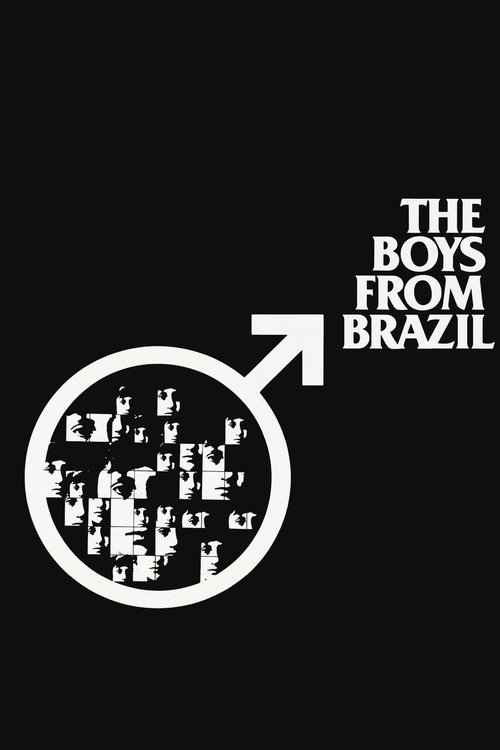
The Boys from Brazil
1978Nazi hunter Ezra Lieberman discovers a sinister and bizarre plot, masterminded by Dr. Josef Mengele, to rekindle the Third Reich.
Franklin J. Schaffner’s chilling meditation on genetic manipulation merges historical trauma with speculative bio-ethics. The film’s cold, clinical approach to the possibilities of cloning creates a high-stakes intellectual terror that feels uncomfortably plausible.
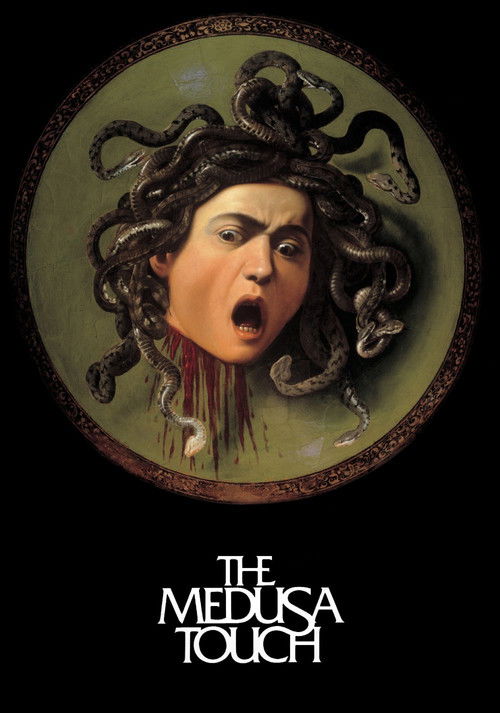
The Medusa Touch
1978A French detective in London reconstructs the life of a man lying in hospital with severe injuries with the help of journals and a psychiatrist. He realises that the man had powerful telekinetic abilities.
This psychological thriller weaponizes the concept of telekinesis as a form of catastrophic architectural assault. It stands out for its grim, telepathic nihilism and a chilling performance by Richard Burton that anchors the more fantastical elements in a palpable sense of doom.
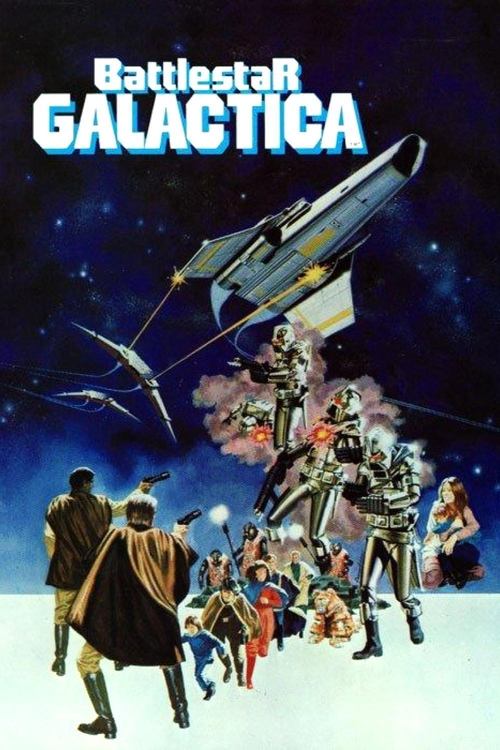
Battlestar Galactica
1978A compilation of Battlestar Galactica episodes 1 and 5, with alternate footage. After the destruction of the Twelve Colonies of Mankind, the last major fighter carrier leads a makeshift fugitive fleet in a desperate search for the legendary planet Earth.
Bridging the gap between television and the big screen, this pilot feature offers a grand, theological take on the space exodus trope. The production’s rich model work and John Dykstra’s visual fingerprints provide a sense of scale rarely seen in the genre's serialized history.
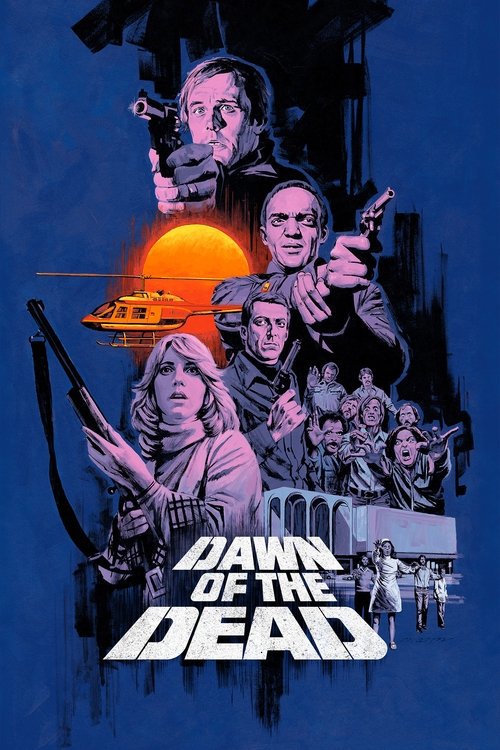
Dawn of the Dead
1978During an ever-growing epidemic of zombies that have risen from the dead, two Philadelphia SWAT team members, a traffic reporter, and his television-executive girlfriend seek refuge in a secluded shopping mall.
George A. Romero’s magnum opus utilizes a sociological lens to examine consumerist decay through the guise of a reanimated apocalypse. Its claustrophobic tension and Tom Savini’s visceral practical effects set an insurmountable standard for speculative biological horror.
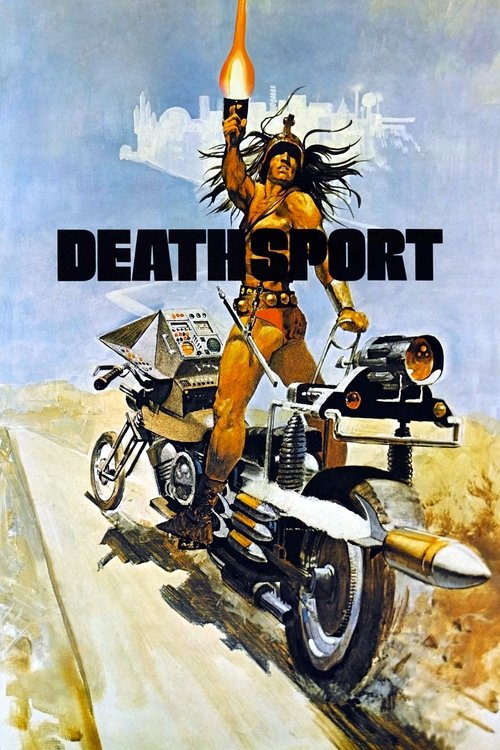
Deathsport
19781000 years into the future, after the Great Neutron Wars, the world is divided into desert wastelands and isolated city-states. Notorious "Desert Ranger" Kaz is forced to fight in the DeathSport, dueling on futuristic motorcycle "Death Machines". With the help of renegade vixen Deneer, Kaz must face his past and fight to save himself and his people.
This grindhouse experiment pushes the post-apocalyptic aesthetic to its neon-soaked limit with a violent, low-budget grit. It remains a gritty artifact of the era's obsession with dystopian bloodsports and motorized mayhem.
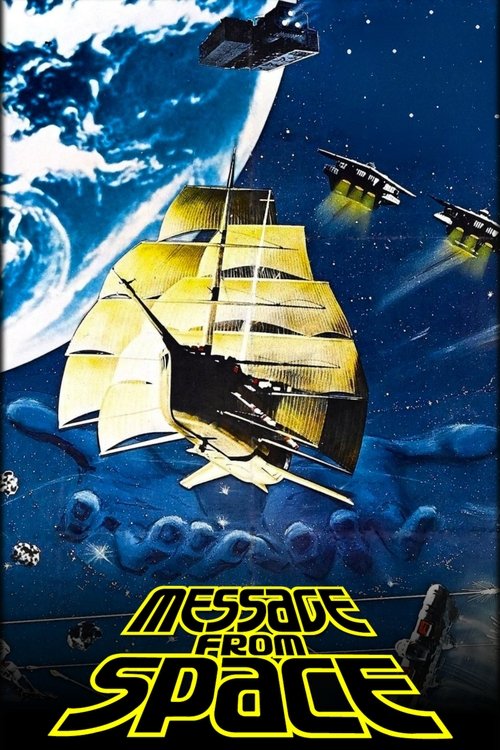
Message from Space
1978The peaceful planet of Jillucia has been nearly wiped out by the Gavanas, whose leader takes orders from his mother rather than the Emperor. King Kaiba sends out eight Liabe holy seeds, each to be received by a chosen one to defend the Gavanas. Each recipient, ranging from hardened General Garuda to Gavana Prince Hans to young Terrans Meia, Kido, and Aaron all have different reactions to being chosen.
Kinji Fukasaku’s kaleidoscopic space opera is a frantic explosion of Japanese tokusatsu aesthetics and high-budget ambition. It stands as a defiant, visually saturated response to Western galactic tropes, prioritizing sheer spectacle and imaginative world-building over narrative restraint.
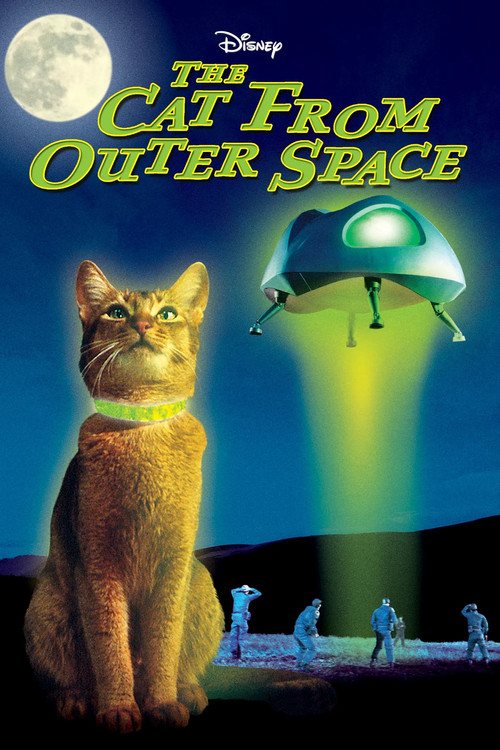
The Cat from Outer Space
1978A UFO is stranded on earth and impounded by the US government. Its pilot, a cat with a collar that gives it special powers, including the ability to communicate with humans, has eluded the authorities and seeks the help of a scientist in order to reclaim and repair his ship and get back home.
While superficially whimsical, this Disney curiosity represents the decade’s fascination with high-concept extraterrestrial visitors filtered through a domestic lens. It captures a specific moment in pop-science history where telekinetic domesticity met lighthearted suburban espionage.
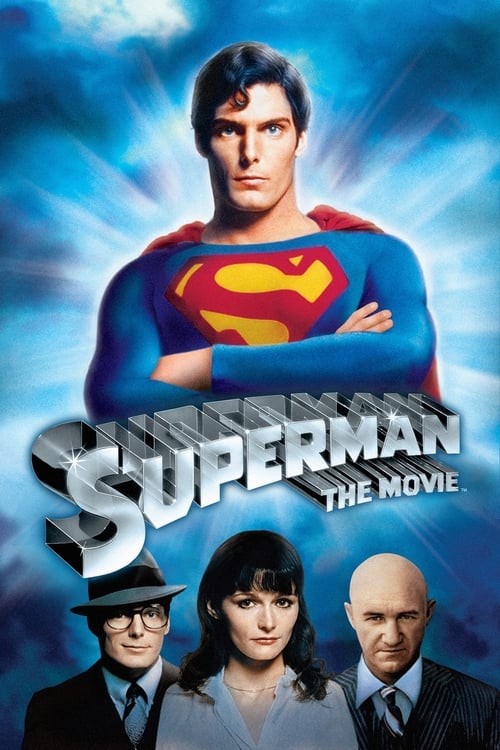
Superman
1978Mild-mannered Clark Kent works as a reporter at the Daily Planet alongside his crush, Lois Lane. Clark must summon his superhero alter-ego when the nefarious Lex Luthor launches a plan to take over the world.
Richard Donner’s opus transcends the comic book medium through its earnest mythology and a revolutionary application of practical visual effects that made flight look tactile. It remains the definitive blueprint for the cinematic hero, balancing cosmic scale with a surprisingly intimate heart.
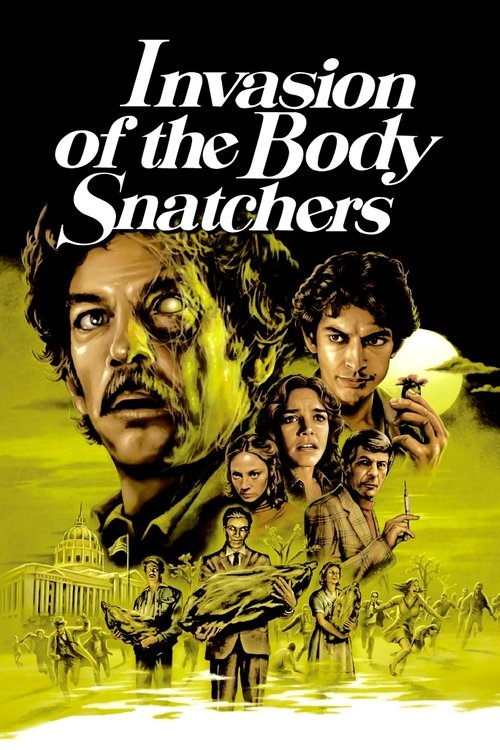
Invasion of the Body Snatchers
1978The residents of San Francisco are becoming drone-like shadows of their former selves, and as the phenomenon spreads, two Department of Health workers uncover the horrifying truth.
Philip Kaufman’s masterclass in escalating paranoia eschews the camp of its predecessor for a cold, urban dread that mirrors the post-Watergate American psyche. Its sound design and jarring cinematography create a sensory assault that redefined the biological horror subgenre.
Frequently Asked Questions
Everything you need to know about this list and SnakeDrafts
- Philip Kaufman's 'Invasion of the Body Snatchers' tops the list due to its masterful blend of science fiction and horror, effectively capturing the era's paranoia and social anxieties. Its innovative special effects and compelling narrative revitalized the 1950s classic for a new generation, making it a standout of 1978.
- 'Superman' is recognized not only for superhero action but also for its groundbreaking special effects and heartfelt storytelling. Directed by Richard Donner, it helped pave the way for big-budget sci-fi blockbusters and is celebrated here for its cultural impact and adventurous spirit.
- 'The Cat from Outer Space' offers a lighter, family-friendly take on science fiction, balancing the list's darker and more intense themes. Its inclusion highlights the genre's diversity in 1978, showing that sci-fi also embraced comedy and whimsy.
- The 1978 sci-fi films reflect a mix of alien invasion fears ('Invasion of the Body Snatchers'), space adventures ('Battlestar Galactica,' 'Message from Space'), and the emergence of superhero mythology ('Superman'). There is also a strong presence of horror elements intertwined with science fiction, illustrating a transitional period in genre blending.
- 'Dawn of the Dead,' directed by George A. Romero, stands out as a cult horror masterpiece that infuses social critique into its zombie apocalypse narrative. Its sci-fi classification here acknowledges the genre-crossing nature of zombie fiction and its lasting influence on both horror and science fiction cinema.
- While this list focuses on standout sci-fi movies of 1978, some lesser-known titles or international films might not be included. However, the selected films represent a broad spectrum from mainstream blockbusters to cult favorites that defined the year’s genre landscape effectively.
- 'The Boys from Brazil' mixes science fiction with drama and mystery, dealing with cloning and ethical dilemmas stemming from Nazi experiments. Its inclusion underscores how 1978 sci-fi explored complex, real-world issues through speculative storytelling.
- 'Battlestar Galactica' brought space opera excitement to television audiences and influenced science fiction storytelling with its serialized adventure and character-driven plots. Its ranking here highlights the year’s expanding sci-fi scope beyond cinema into TV culture.

