Best Edward James Olmos Movies Ranked
Defining Chicano Cinema and Sci-Fi Greatness
Explore the legendary career of Edward James Olmos, from his iconic role in Stand and Deliver to the futuristic world of Blade Runner.
About Edward James Olmos

There is a specific kind of gravity that enters a room before Edward James Olmos does. It is a weight born of steady eyes, a gravelly baritone, and a face that seems to have memorized the geography of the human struggle. While many actors spend their careers chasing the spotlight, he has spent his commanding it with a stillness that borders on the spiritual. He does not just play characters; he anchors worlds, providing the moral bedrock for stories that range from the gritty streets of East Los Angeles to the furthest reaches of the galaxy.
The world first truly took notice when he brought an electric, stylized menace to Zoot Suit, but it was his turn as Gaff in the original Blade Runner that solidified his status as a master of the understated. In a film defined by neon and rain, he managed to steal scenes with nothing more than a few origami figures and a haunting gaze. Decades later, when he reprised the role for Blade Runner 2049, that same enigmatic energy remained untouched by time. It is this longevity that defines him. He is the rare performer who can transition from the heartbreaking paternal warmth of Selena to the cold, tactical brilliance of Commander Adama in the reimagined Battlestar Galactica without ever losing his core identity.
Audience connection to his work stems from his refusal to simplify the Latino experience. He has always championed stories that refuse to blink. In the seminal Stand and Deliver, he transformed Jaime Escalante into a folk hero of the classroom, earning an Oscar nod by proving that authority is best exercised through empathy and relentless expectation. He took those themes of community and consequence even further with American Me, a project that reflected his commitment to raw, unflinching social commentary. Whether he is navigating the sprawling generational saga of My Family or lending his weathered voice to the vibrant afterlife of Coco, there is an inherent dignity to his presence that demands respect.
Even when he steps into ensemble pieces like the 1997 television revival of 12 Angry Men or the high stakes action of 2 Guns, he remains the adult in the room. He possesses a craftsmanship that feels architectural. You can see it in his earlier efforts like The Ballad of Gregorio Cortez, where he explored the nuances of justice and language, or his whimsical turn in The Wonderful Ice Cream Suit. He is an actor who understands that a single look can outweigh a page of dialogue. He carries the history of his culture and the evolution of independent cinema on his shoulders, yet he does so with a grace that makes it look effortless. He remains a pillar of the industry because he never stopped being an activist for the soul of the characters he portrays. He does not just occupy a screen; he inhabits our collective conscience.

Battlestar Galactica: The Plan
2009When the initial Cylon attack against the Twelve Colonies fails to achieve complete extermination of human life as planned, twin Number Ones (Cavils) embedded on Galactica and Caprica must improvise to destroy the human survivors.

Go for Sisters
2013Bernice and Fontayne grew up so tight they could ‘go for sisters’. After twenty years apart, they are reunited when Bernice is assigned to be Fontayne’s parole officer — just when she needs help on the wrong side of the law.

A Dog's Way Home
2019The adventure of Bella, a dog who embarks on an epic 400-mile journey home after she is separated from her beloved human.
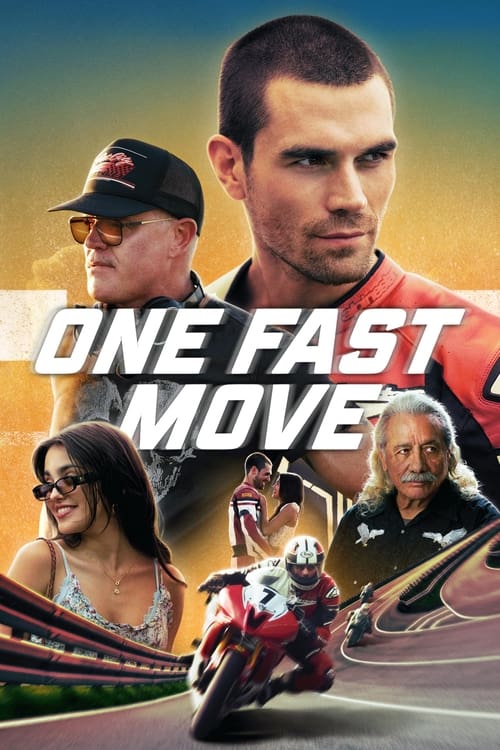
One Fast Move
2024A dishonorably discharged soldier seeks out his estranged father to help him pursue his dream of becoming a professional motorcycle racer. While training, he meets a small-town, aspiring singer and a motorcycle shop owner who begin to break down the walls his father's absence had built up.
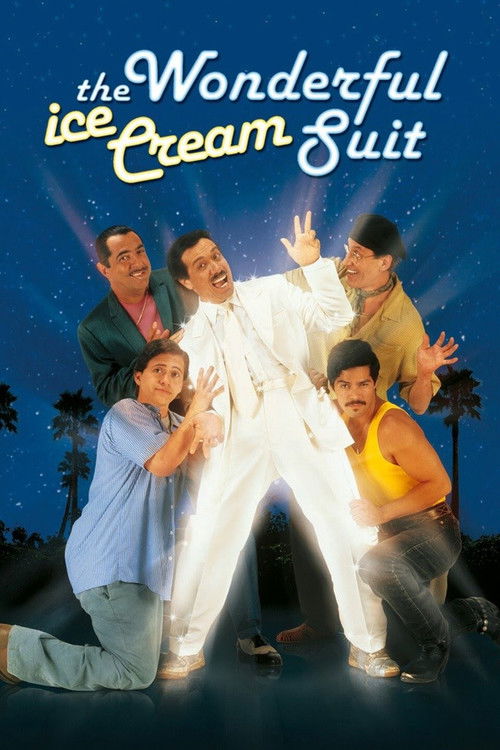
The Wonderful Ice Cream Suit
1998Gomez is a middle-aged man who dreams of buying a gorgeous white suit in a nearby store, but doesn't have enough cash. He finds 4 more people of same size, who each give $20 and get to wear the suit for an hour each in return. But the suit is not just a suit - it makes wishes of the one wearing it come true.
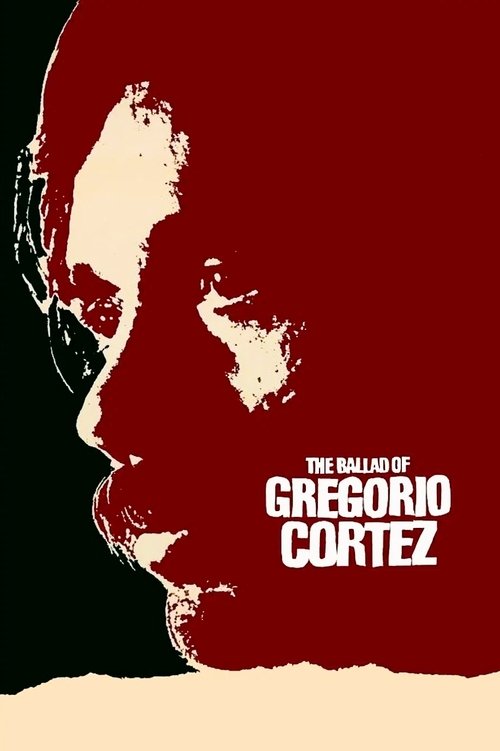
The Ballad of Gregorio Cortez
1983Forced to run from Texas Rangers after a heated misunderstanding leads to the death of a lawman, Mexican American farmer Gregorio Cortez sets off in desperate flight, evading a massive manhunt on horseback for days.
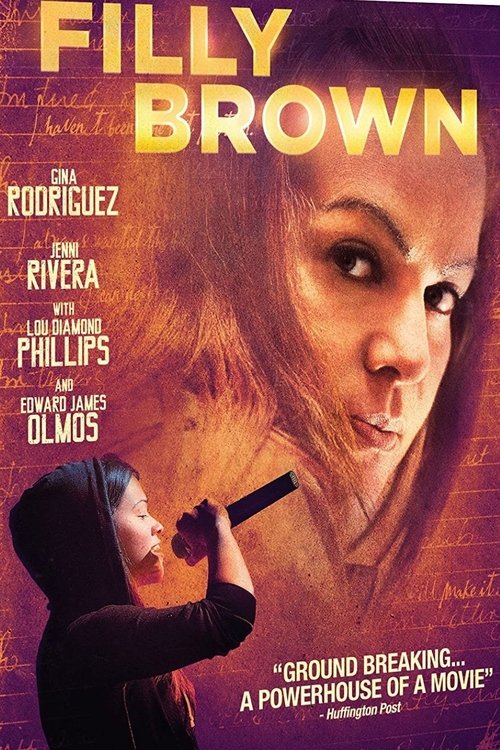
Filly Brown
2013“Majo” Tonorio, a.k.a. Filly Brown, is a raw, young Los Angeles hip-hop artist who spits from the heart. When a sleazy record producer offers her a crack at rap stardom, Majo faces some daunting choices. With an incarcerated mother, a record contract could be the ticket out for her struggling family. But taking the deal means selling out her talent and the true friends who helped her to the cusp of success.
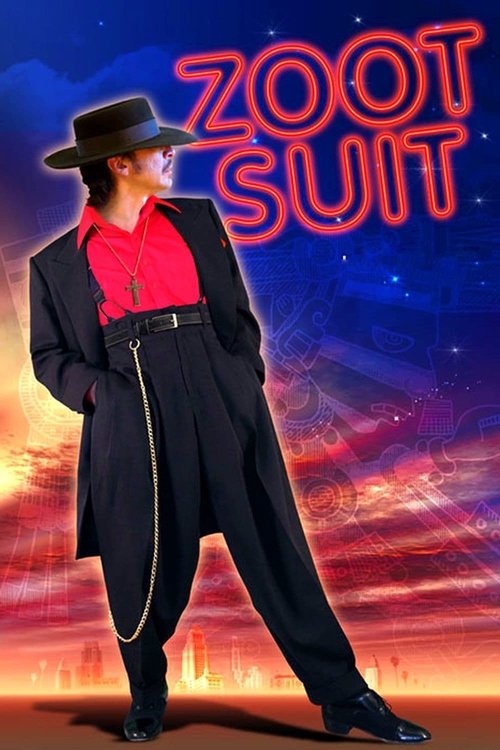
Zoot Suit
1981Part fact and part fiction, Zoot Suit is the film version of Luis Valdez's critically acclaimed play, based on the actual Sleepy Lagoon murder case and the zoot suit riots of 1940s Los Angeles. Henry Reyna is the leader of a group of Mexican-Americans being sent to San Quentin without substantial evidence for the death of a man at Sleepy Lagoon. As part of the defense committee, Alice Bloomfield and George Shearer fight the blatant miscarriage of justice for the freedom of Henry and his friends.
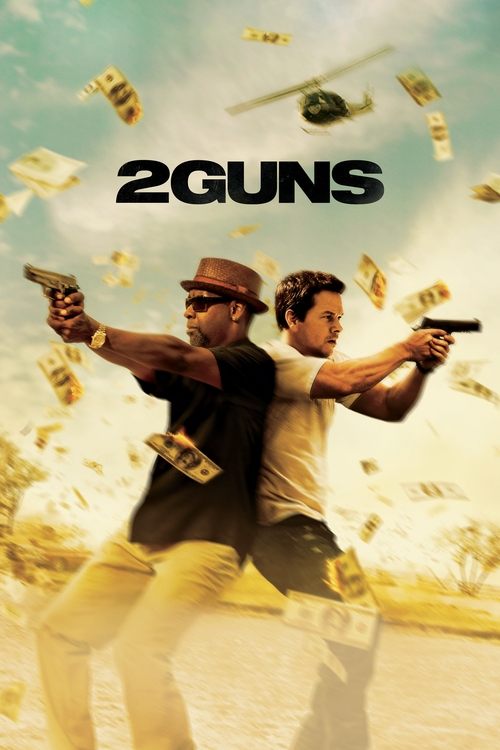
2 Guns
2013A DEA agent and an undercover Naval Intelligence officer who have been tasked with investigating one another find they have been set up by the mob -- the very organization the two men believe they have been stealing money from.

Battlestar Galactica: Razor
2007The history and adventures of the Battlestar Pegasus, from shortly before the Cylon invasion to shortly after Lee Adama is made commander. The story is told through the eyes of and largely focuses on one particular member of Pegasus's crew, Kendra Shaw.
As Admiral William Adama, Olmos projects a monumental sort of weariness that became the backbone of modern science fiction television. This feature length expansion highlights his ability to portray a leader crumbling under the weight of impossible ethical choices.
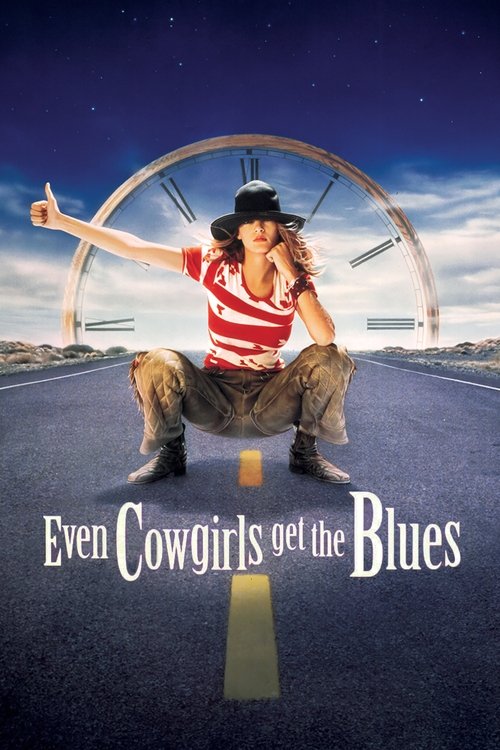
Even Cowgirls Get the Blues
1994A girl born with enormous thumbs in the repressive era of the 1950s learns to turn her quirks into assets.
Olmos brings a much needed groundedness to Gus Van Sant’s surrealist experiment, injecting a touch of gravitas into the whimsical chaos. It serves as a rare example of his ability to navigate avant garde textures without losing his commanding screen presence.
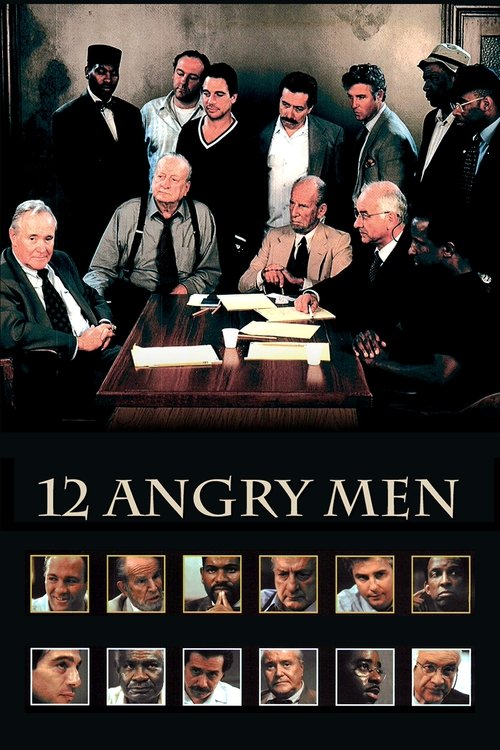
12 Angry Men
1997During the trial of a man accused of his father's murder, a lone juror takes a stand against the guilty verdict handed down by the others as a result of their preconceptions and prejudices.
Taking on a role in this televised remake, Olmos stands his ground in a pressure cooker environment defined by legendary character actors. He utilizes his trademark stillness to contrast the escalating shouting matches, grounding the legal drama in a recognizable, weary humanity.

Coco
2017Despite his family’s baffling generations-old ban on music, Miguel dreams of becoming an accomplished musician like his idol, Ernesto de la Cruz. Desperate to prove his talent, Miguel finds himself in the stunning and colorful Land of the Dead following a mysterious chain of events. Along the way, he meets charming trickster Hector, and together, they set off on an extraordinary journey to unlock the real story behind Miguel's family history.
Even in a voice only performance, Olmos infuses the character of Chicharrón with a raspy, heartbreaking world weariness. He manages to steal the film’s most poignant sequence by humanizing the concept of being forgotten with a singular, gravelly vulnerability.
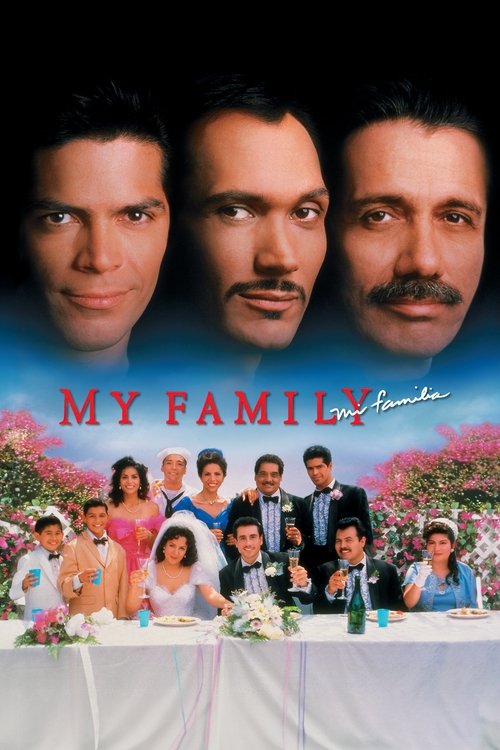
My Family
1995Traces over three generations an immigrant family's trials, tribulations, tragedies, and triumphs. Maria and Jose, the first generation, come to Los Angeles, meet, marry, face deportation all in the 1930s. They establish their family in East L.A., and their children Chucho, Paco, Memo, Irene, Toni, and Jimmy deal with youth culture and the L.A. police in the '50s. As the second generation become adults in the '60s, the focus shifts to Jimmy, his marriage to Isabel (a Salvadorian refugee), their son, and Jimmy's journey to becoming a responsible parent.
In this sprawling multi generational epic, Olmos provides the steady soul and narrative connective tissue that holds the family unit together. He leans into a dignified, understated grace that showcases his mastery of the ensemble format.

Thirty years after the events of the first film, a new blade runner, LAPD Officer K, unearths a long-buried secret that has the potential to plunge what's left of society into chaos. K's discovery leads him on a quest to find Rick Deckard, a former LAPD blade runner who has been missing for 30 years.
Reprising his most mysterious role decades later, Olmos uses his weathered presence to bridge the gap between cinematic generations. His brief return as an elder Gaff adds a layer of tragic permanence to the franchise, proving his voice alone can carry the weight of thirty years of history.
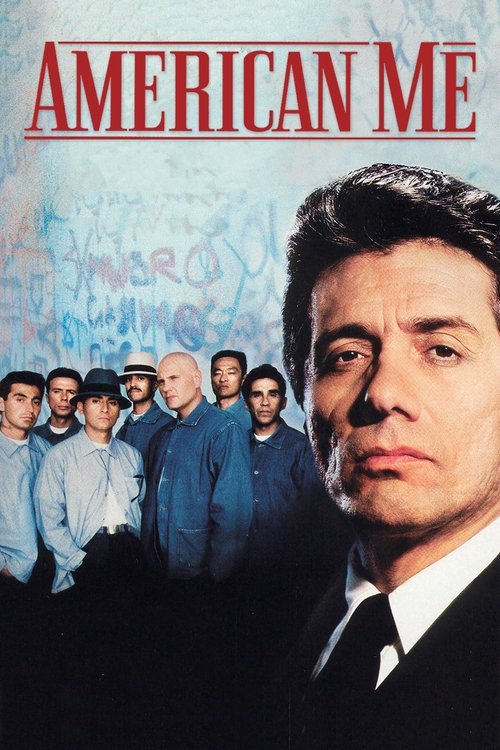
American Me
1992During his 18 years in Folsom Prison, street-gang leader Santana rules over all the drug-and-murder activities behind bars. Upon his release, Santana goes back to his old neighborhood, intending to lead a peaceful, crime-free life. But his old gang buddies force him back into his old habits.
Stepping behind the camera while leading the cast, Olmos crafts a harrowing, unsentimental portrait of carceral cycles and systemic rot. His restrained, chilling performance as Santana serves as a stark critique of machismo that remains one of the most courageous choices of his filmography.

Selena
1997In this biographical drama, Selena Quintanilla is born into a musical Mexican-American family in Texas. Her father, Abraham, realizes that his young daughter is talented and begins performing with her at small venues. She finds success and falls for her guitarist, Chris Perez, who draws the ire of her father. Seeking mainstream stardom, Selena begins recording an English-language album which, tragically, she would never complete.
Anchoring this musical biopic as the Quintanilla patriarch, Olmos explores the friction between cultural preservation and the American dream. He trades his usual minimalism for a performance of booming authority and protective warmth that gives the film its necessary emotional ballast.
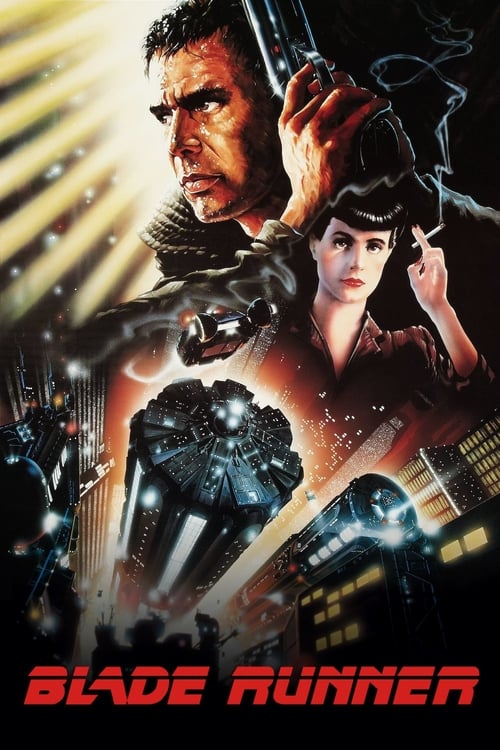
Blade Runner
1982In the smog-choked dystopian Los Angeles of 2019, blade runner Rick Deckard is called out of retirement to terminate a quartet of replicants who have escaped to Earth seeking their creator for a way to extend their short life spans.
As the enigmatic Gaff, Olmos effectively anchors Ridley Scott’s neon noir in a cryptic mythology using little more than origami and cityspeak. He provides the film’s moral and philosophical punctuation, proving his talent for making a peripheral character feel like the story’s secret architect.
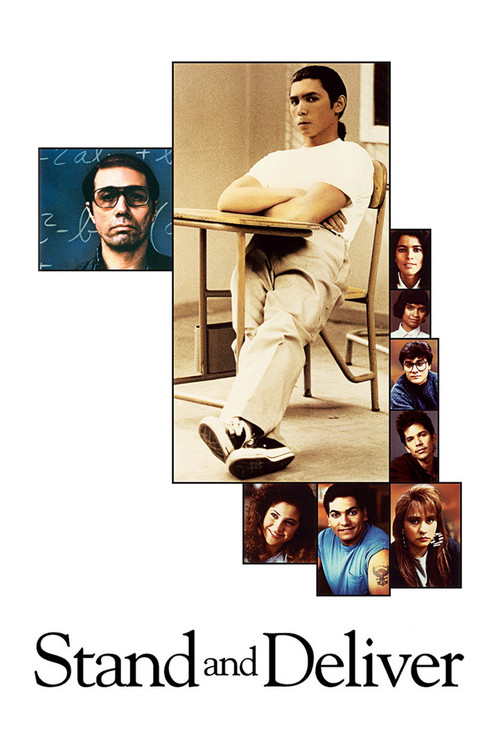
Stand and Deliver
1988Jaime Escalante is a mathematics teacher in a school in a hispanic neighbourhood. Convinced that his students have potential, he adopts unconventional teaching methods to try and turn gang members and no-hopers into some of the country's top algebra and calculus students.
Olmos disappears into Jaime Escalante with a transformative physical precision that redefined the cinematic mentor archetype. This Oscar nominated turn remains his definitive career statement, proving his unique ability to command the screen through quiet, acerbic intellectualism.
Frequently Asked Questions
Everything you need to know about this list and SnakeDrafts
- Edward James Olmos delivers a powerful performance as Jaime Escalante in Stand and Deliver, where he portrays a dedicated high school math teacher inspiring underprivileged students. His role is iconic for its authentic depiction of educational struggle and triumph, making it a standout in his career.
- Edward James Olmos played the role of Gaff, a mysterious and enigmatic character in both Blade Runner and its sequel Blade Runner 2049. His performances added depth and intrigue, enhancing the futuristic and philosophical themes of these science fiction classics.
- Edward James Olmos directed the crime drama American Me, which is notable for its gritty exploration of Chicano gang life. His dual role as actor and director in this film showcases his multifaceted talent and commitment to telling authentic stories.
- In Selena, Olmos plays Abraham Quintanilla, showcasing his ability to embody real-life figures with emotional depth. His performance contributes significantly to the biographical drama, emphasizing familial bonds and cultural heritage.
- Edward James Olmos' filmography often explores themes of cultural identity, social justice, and personal resilience, as seen in movies like My Family, American Me, and Zoot Suit. These roles underscore his commitment to portraying complex characters that reflect real-world struggles.
- Edward James Olmos lent his voice to the animated film Coco, where he played the character Chicharrón. His involvement in this family-friendly, music-driven adventure highlights his range beyond live-action roles.
- In the TV movie 12 Angry Men, Edward James Olmos brings a commanding presence to the juror role, adding nuanced layers to the intense courtroom drama. His restrained yet powerful acting helps elevate the film's exploration of justice and moral integrity.
- In Battlestar Galactica: Razor, Olmos reprises his role as Admiral Adama, grounding the science fiction series with his authoritative and emotional performance. His character is central to the narrative's exploration of leadership and survival in a hostile universe.