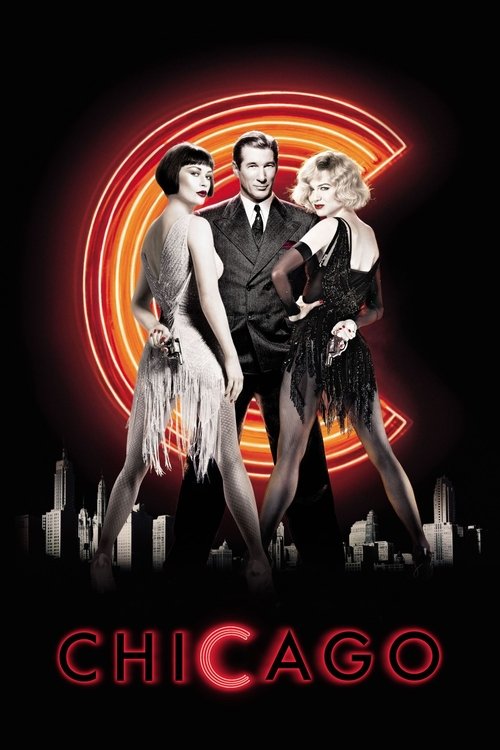
Chicago
Get ready for a dazzling spectacle of music, murder, and media manipulation! "Chicago" transports you to the roaring twenties, where two ambitious women on death row vie for fame and freedom in a system hungry for celebrity scandals. This vibrant musical will captivate you with its sharp wit and show-stopping choreography.
Director
Rob Marshall
Release Year
2002
Runtime
113 minutes
Main Cast
Renée Zellweger, Catherine Zeta-Jones, Richard Gere, Queen Latifah, Ekaterina Chtchelkanova
About Chicago
# About Chicago (2002)
"Chicago" burst onto the silver screen in 2002, bringing the beloved Kander and Ebb Broadway musical to a wider audience with spectacular success. Directed by Rob Marshall, the film adaptation skillfully translates the stage's theatricality into a cinematic experience, earning critical acclaim and commercial triumph. Its dazzling aesthetic, sharp dialogue, and unforgettable musical numbers cemented its place as a modern classic in the musical film genre.
The film plunges into the dark, glamorous underbelly of 1920s Chicago, where Roxie Hart, a starry-eyed chorus girl, murders her lover and finds herself incarcerated alongside her idol, vaudeville star Velma Kelly, also a murderess. Both women, under the cynical guidance of their smooth-talking lawyer Billy Flynn, learn to navigate the corrupt justice system, using media sensationalism to transform their criminal notoriety into celebrity. The narrative cleverly satirizes the public's obsession with scandal and the commodification of justice, themes that remain strikingly relevant today.
"Chicago" received widespread critical adoration, particularly for its innovative direction, stellar performances, and faithful yet fresh adaptation of the source material. Catherine Zeta-Jones and Renée Zellweger delivered powerhouse performances as Velma and Roxie, respectively, showcasing impressive vocal and dance talents. Richard Gere, as the charismatic Billy Flynn, also garnered praise for his dynamic portrayal. The film's blend of dark comedy, sharp social commentary, and infectious musicality resonated deeply with critics and audiences alike.
"Chicago" was a major force at the Academy Awards, securing six Oscars, including Best Picture – a remarkable feat for a musical. This win marked the first time a musical had won Best Picture since "Oliver!" in 1968, revitalizing the genre's standing in Hollywood. Its success spurred a renewed interest in movie musicals and left an enduring legacy, influencing subsequent musical adaptations and demonstrating the genre's potential for both artistic merit and popular appeal.
Beyond its critical and commercial success, "Chicago" made a significant cultural impact. It brought sophisticated, adult-oriented musical storytelling to a mainstream audience, proving that musicals could be both entertaining and intellectually stimulating. The film's memorable songs, iconic dance sequences, and satirical edge continue to be celebrated, making "Chicago" a pivotal moment in cinematic history and a testament to the timeless appeal of its themes.
Drafts Featuring Chicago
Every SnakeDrafts listicle where this movie appears
The Best John C. Reilly Movies Ranked
Ranked #5
The Best Catherine Zeta-Jones Movies
Ranked #2
The Best Renée Zellweger Movies Ranked
Ranked #3
Lucy Liu's Most Iconic Movie Roles Ranked
Ranked #4
Best Richard Gere Movies: Ranking His Most Iconic Performances
Ranked #5
Dominic West Movies Locked: The Definitive Career Ranking
Ranked #5
Best Queen Latifah Movies Ranked
Ranked #1
2002's Best Movies Ranked
Ranked #11
The Best Crime Movies of 2002, Ranked
Ranked #9
Similar Movies
Movies related to Chicago
Sweeney Todd: The Demon Barber of Fleet Street
2007
Cabaret
1972
Moulin Rouge!
2001
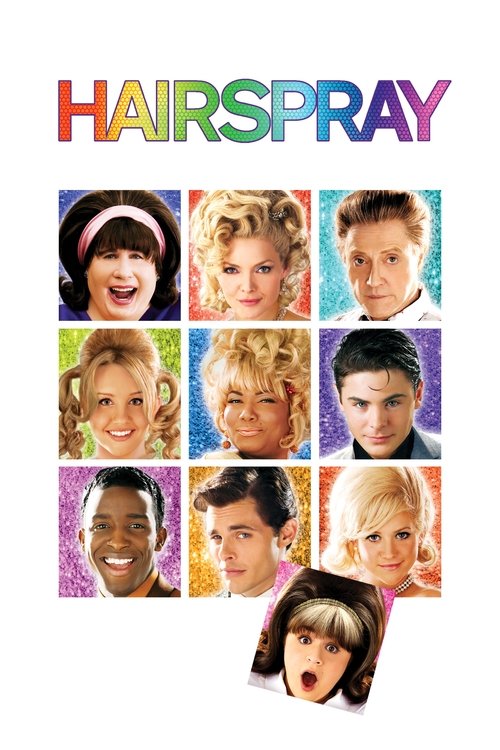
Hairspray
2007
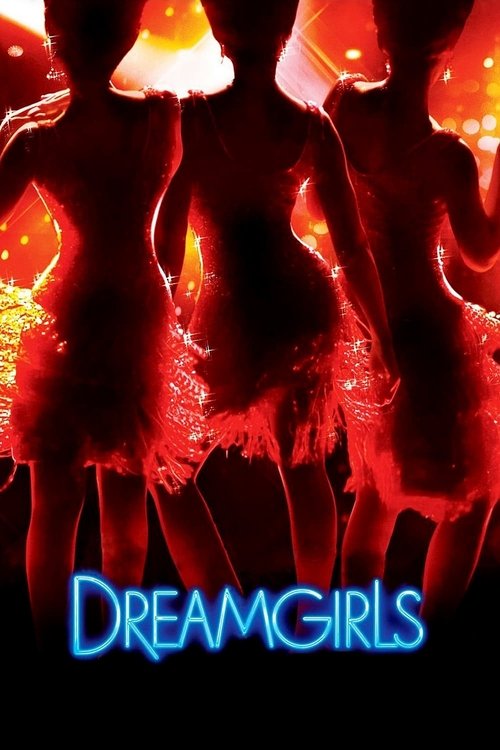
Dreamgirls
2006
Frequently Asked Questions
Everything you need to know about Chicago
- The iconic song "All That Jazz" serves as a vibrant introduction to the film's setting, immediately establishing the decadent and morally ambiguous atmosphere of 1920s Chicago. It encapsulates the era's pursuit of pleasure, fame, and excess amidst a backdrop of societal upheaval and hidden desires, setting the stage for the glamorous, yet often corrupt, world the characters inhabit.
- The "Razzle Dazzle" number is central to understanding Billy Flynn's manipulative genius. It explicitly outlines his strategy of distracting, confusing, and ultimately charming the public and the jury with theatricality and sensationalism. This song reveals his cynical view of justice, where truth is less important than a captivating performance designed to sway opinion.
- Roxie begins with a naive yearning for fame, fueled by her desire to escape her humdrum life and emulate Velma Kelly. As the story progresses, her ambition transforms into a cutthroat drive for survival and notoriety, learning to expertly manipulate the media and public opinion to her advantage, even at the expense of others.
- The ending of "Chicago" offers a cynical yet poignant commentary on the fleeting nature of celebrity and the circus-like atmosphere of the justice system. Roxie and Velma's ultimate partnership and their continued pursuit of fame suggest that in a society obsessed with spectacle, notoriety can be its own reward, often detached from true justice or moral rectitude.
- Velma Kelly embodies the seasoned, slightly faded star clinging to her past glory and desperate to reclaim the spotlight, representing the established celebrity. Roxie Hart, on the other hand, is the audacious newcomer, eager to seize any opportunity for fame, symbolizing the relentless ambition of those striving to break into the public eye, even through scandal. Together, they showcase the competitive and often ruthless landscape of pursuing and maintaining celebrity.

