The Definitive Hugh Bonneville Movie Career Ranking
From Paddington to Pemberley and Beyond
Discover the most essential film performances of Hugh Bonneville, featuring his best roles in heartwarming family hits and acclaimed period dramas.
About Hugh Bonneville
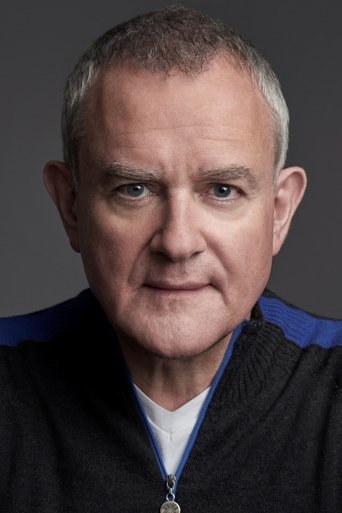
There is a specific brand of British steadfastness that Hugh Bonneville has spent decades refining, a blend of stiff-upper-lip dignity and a bubbling, often deeply hidden well of vulnerability. To watch him on screen is to witness the architectural stability of the United Kingdom itself, albeit a version that is frequently flustered by a marmalade sandwich or an unexpected inheritance. Before he became the definitive face of the landed gentry, he was carving out a niche as the quintessential "good man," often occupying the periphery of major romances. In Notting Hill, he played the bumbling Bernie with such heartbreaking sincerity that he practically invented the archetype of the lovable underdog, a role he echoed years later with a more tragic edge in the biopic Iris.
The shift from character actor to cultural shorthand for British nobility occurred when he stepped into the polished shoes of Robert Crawley. Across six seasons and two feature films, Downton Abbey and its sequel A New Era, he transformed a character who could have been a relic of a bygone era into a figure of genuine warmth and empathy. He anchored the sprawling upstairs-downstairs drama with a paternal gravity that felt earned rather than imposed. It is a testament to his range that while he was embodying the weight of an empire at Highclere Castle, he was simultaneously winning over a completely different generation as Henry Brown. In Paddington and its sublime successor Paddington 2, he mastered the art of the comedic slow-thaw. His journey from a risk-averse insurance professional to a man risking his life to save a bear from Peru is the emotional heartbeat of those films. He brings a grounded, suburban reality to the whimsical world of Michael Bond, proving that even the most pragmatic fathers are capable of wonder.
His filmography suggests a performer who is deeply comfortable in his own skin, whether he is navigating the political minefield of Viceroy's House or diving into the eccentricity of the indie hit Bank of Dave. There is a soulful quality to his work in smaller, more intimate projects like Breathe and To Olivia, where he explores the darker corners of grief and resilience without ever losing his trademark poise. Even when buried in an ensemble, such as in the art-heist caper The Monuments Men or the period drama Stage Beauty, he possesses a gravitational pull. He never seems to be competing for the spotlight; he simply occupies his space with such quiet authority that the camera eventually finds him.
What makes him so indispensable to modern cinema is his ability to play decency without making it dull. In a landscape often dominated by cynical anti-heroes, he remains a bastion of kindness. Audiences trust him. Whether he is dealing with the grisly shenanigans of Burke & Hare or the profound mortality of Third Star, there is an inherent decency in his eyes that bridges the gap between the screen and the stalls. As he returns to the world of the world's most famous bear in Paddington in Peru, it is clear that his legacy is not just one of period costumes and polished accents. It is a career built on the idea that being a gentleman is not about the title you hold, but about the patience and grace with which you treat the world around you.
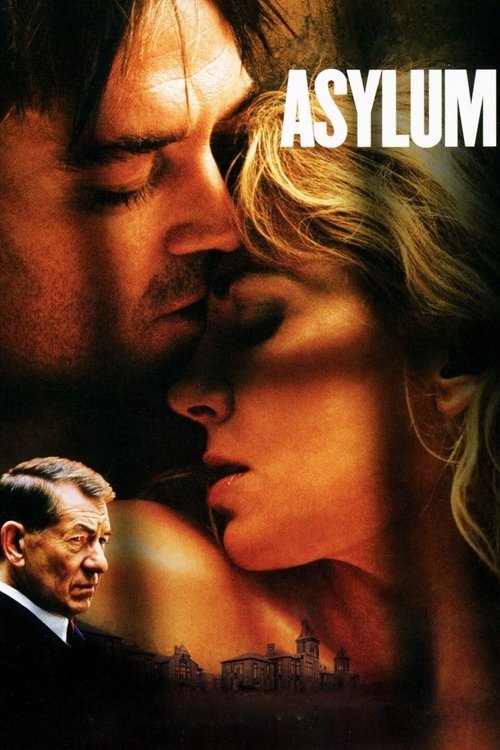
Asylum
2005A woman becomes very curious about one of her psychiatrist husband's inmates, a man who was found guilty in the murder and disfigurement of his former wife.
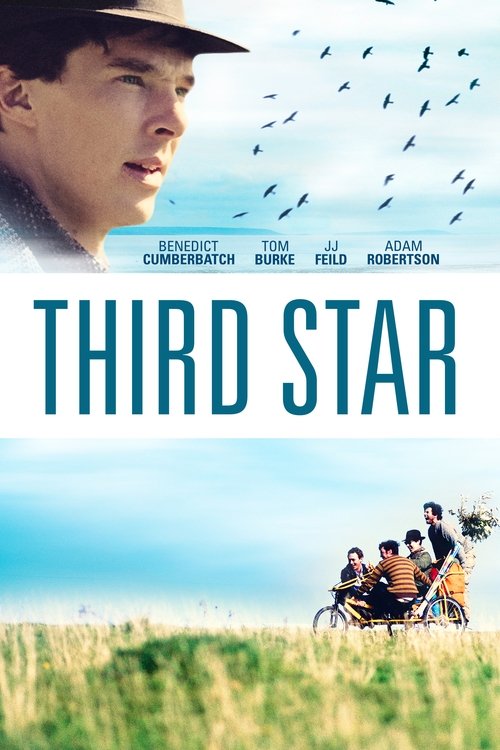
Third Star
2010James and his three closest lifelong friends go on an ill-advised trip to the stunning coastal area of Barafundle Bay in West Wales. What follows is a touching and comical adventure dealing with friendship, heroism and love.
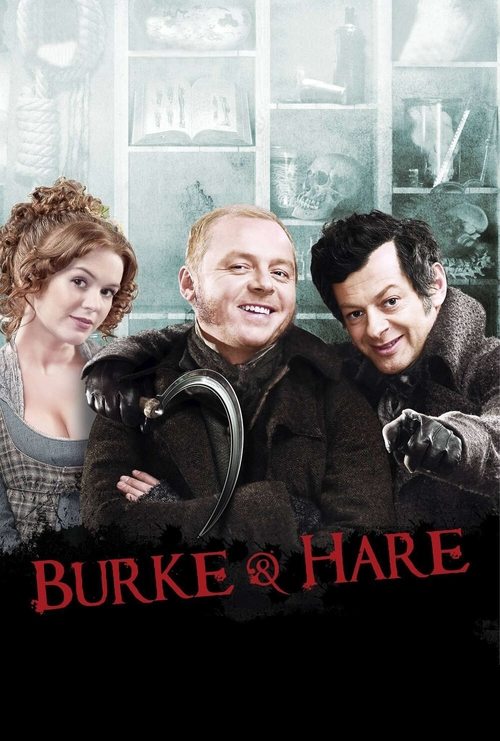
Burke & Hare
2010Two 19th-century opportunists become serial killers so that they can maintain their profitable business supplying cadavers to an anatomist.
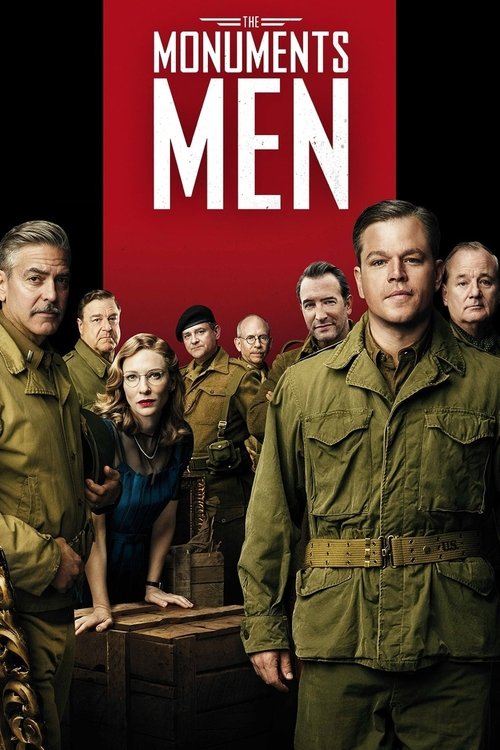
The Monuments Men
2014Based on the true story of the greatest treasure hunt in history, The Monuments Men is an action drama focusing on seven over-the-hill, out-of-shape museum directors, artists, architects, curators, and art historians who went to the front lines of WWII to rescue the world’s artistic masterpieces from Nazi thieves and return them to their rightful owners. With the art hidden behind enemy lines, how could these guys hope to succeed?
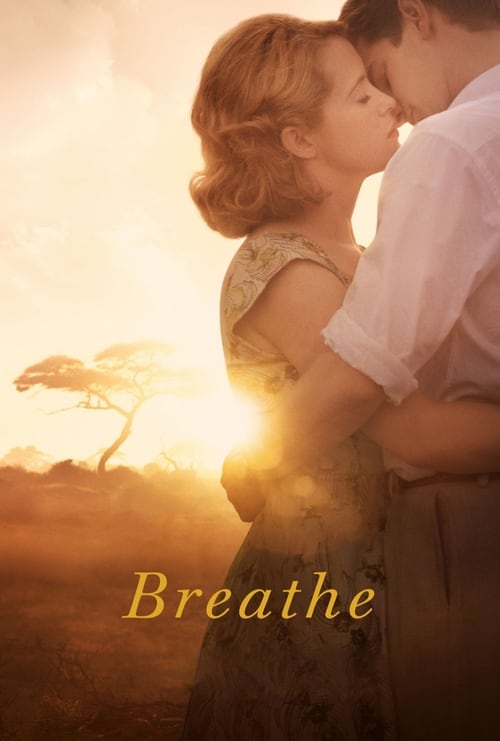
Breathe
2017Based on the true story of Robin, a handsome, brilliant and adventurous man whose life takes a dramatic turn when polio leaves him paralyzed.
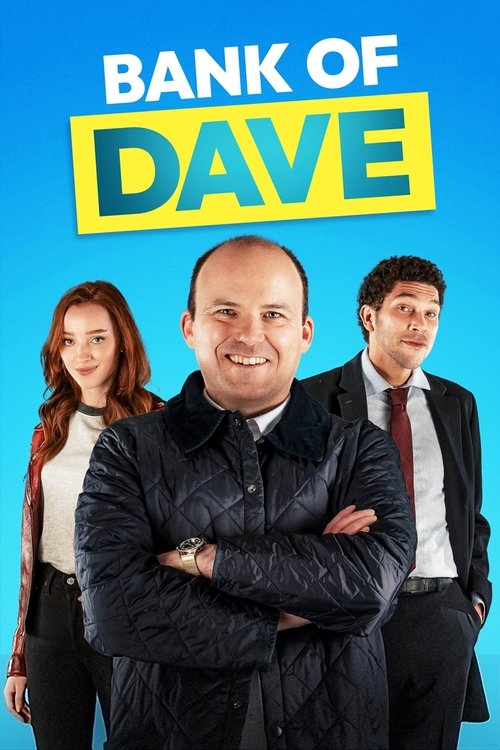
Bank of Dave
2023The true story of how Dave Fishwick, a working class man and self-made millionaire, fought to set up a community bank so that he could help the local businesses of Burnley not only survive, but thrive. In his bid to help his beloved community, he has to take on the elitist financial institutions of London and fight to receive the first, new banking license to be issued in over 100 years.
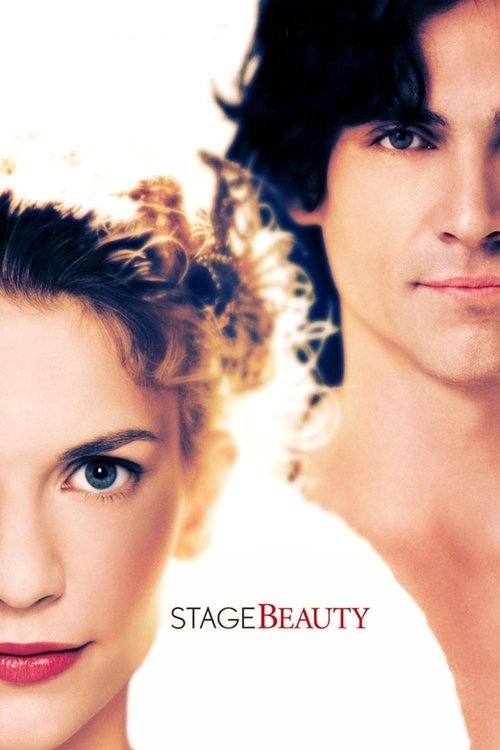
Stage Beauty
2004Humble Maria, who outfits top London theater star Ned Kynaston, takes none of the credit for the male actor's success at playing women. And because this is the 17th century, Maria, like other females, is prohibited from pursuing her dream of acting. But when powerful people support her, King Charles II lifts the ban on female stage performers. And just as Maria aided Ned, she needs his help to learn her new profession.
Bonneville brings a sharp, theatrical intellectualism to his portrayal of Samuel Pepys, grounding the period drama with a lived-in authenticity. He thrives in this corset-heavy environment, using his command of language to provide vital texture to the Restoration-era setting.
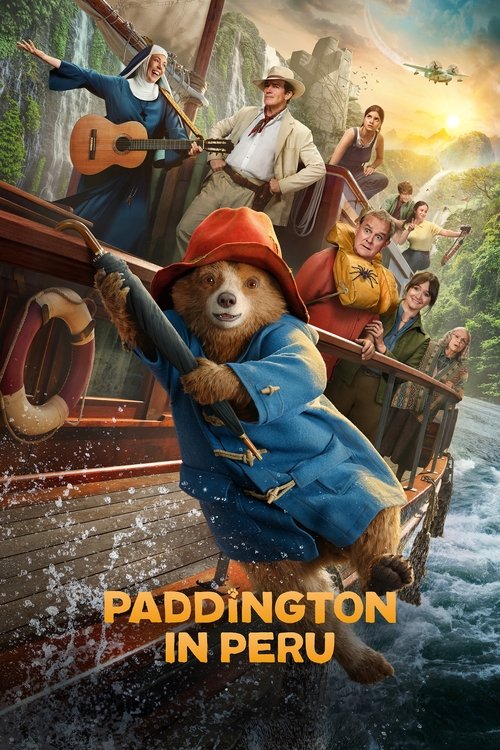
Paddington in Peru
2024Paddington travels to Peru to visit his beloved Aunt Lucy, who now resides at the Home for Retired Bears. With the Brown Family in tow, a thrilling adventure ensues when a mystery plunges them into an unexpected journey through the Amazon rainforest and up to the mountain peaks of Peru.
Returning to his most synonymous franchise, Bonneville leans into the absurdity of the fish-out-of-water dynamic with a reinvigorated energy. He remains the essential straight man in a world of chaos, providing the necessary human stakes for the colorful adventure.
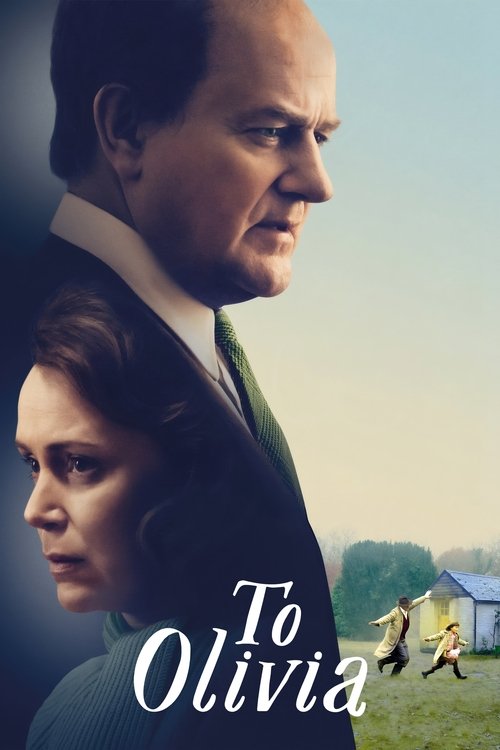
To Olivia
2021In 1962, Patricia Neal and Roald Dahl retreat to the English countryside to bring up their young family. The seemingly unlikely pair find their relationship put to the test by a tragic loss.
Tasked with portraying Roald Dahl, Bonneville eschews the whimsical to explore a prickly, grief-stricken side of the creative mind. This is a rare, darker turn that highlights his capacity for internalizing intense personal tragedy.
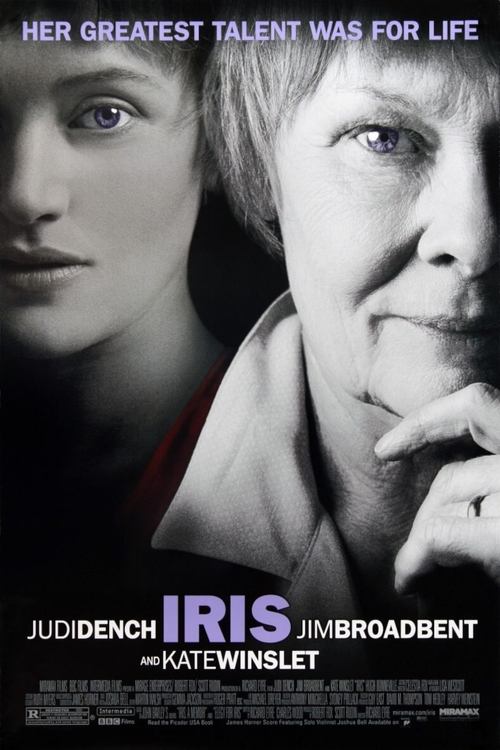
Iris
2001True story of the lifelong romance between novelist Iris Murdoch and her husband John Bayley, from their student days through her battle with Alzheimer's disease.
Playing the younger incarnation of John Bayley, Bonneville captures the stuttering, intellectual devotion of a man enchanted by greatness. It is a remarkable study in ego-free acting, where he mirrors the awkward intensity of a foundational love story.
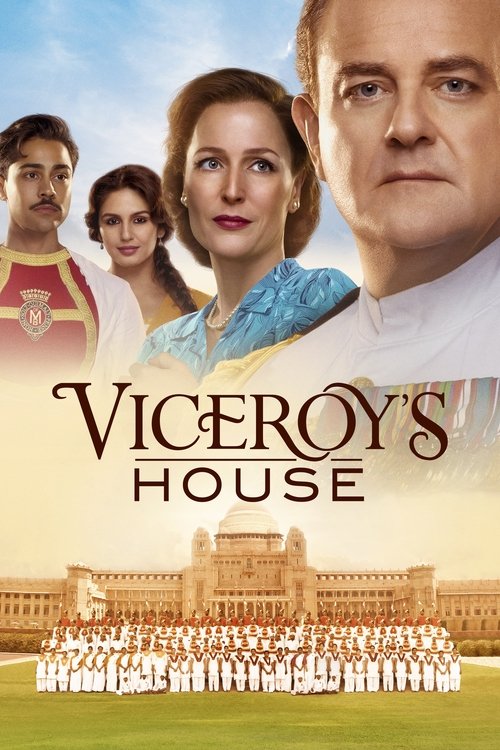
Viceroy's House
2017In 1947, Lord Mountbatten assumes the post of last Viceroy, charged with handing India back to its people, living upstairs at the house which was the home of British rulers, whilst 500 Hindu, Muslim and Sikh servants lived downstairs.
Bonneville occupies a massive historical canvas here, projecting a sense of duty and moral conflict as Lord Mountbatten. He avoids caricature by focusing on the heavy psychological toll of leadership during a pivot point in global history.
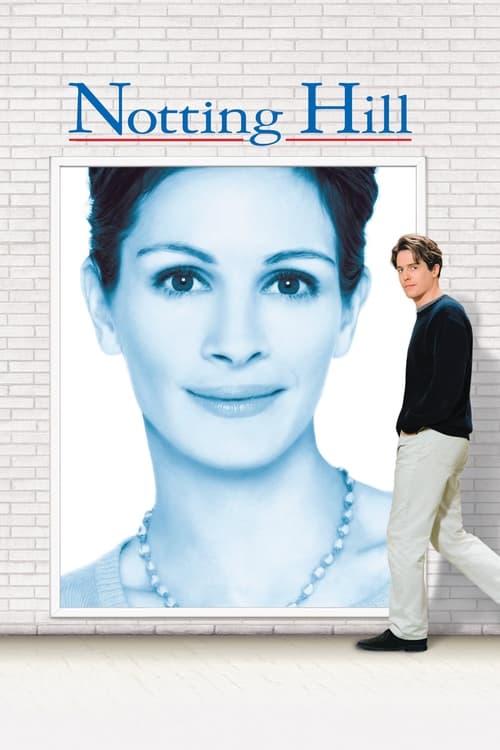
Notting Hill
1999London bookstore owner William Thacker's quiet life turns upside down when a chance encounter with famous actress Anna Scott sparks an unlikely romance challenged by their vastly different worlds.
As the bumbling and perpetually oblivious Bernie, Bonneville proved early on his knack for stealing scenes through expertly played incompetence. This role established him as a premier talent for playing the lovable loser within the British ensemble tradition.
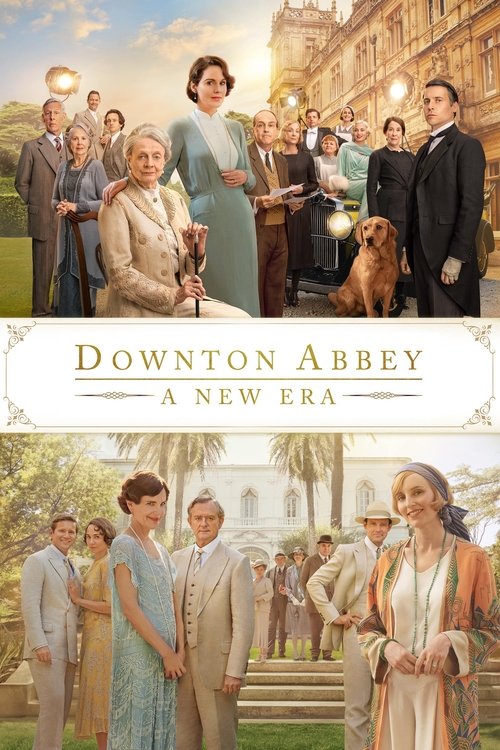
Downton Abbey: A New Era
2022The Crawley family goes on a grand journey to the south of France to uncover the mystery of the dowager countess's newly inherited villa. Meanwhile, a Hollywood director seeks to film his latest production at Downton.
Bonneville handles a shift toward mortality and legacy with a graceful, understated gravitas that prevents the spectacle from feeling hollow. His performance serves as the emotional bedrock of the franchise, showcasing an actor comfortably inhabiting his most iconic skin.
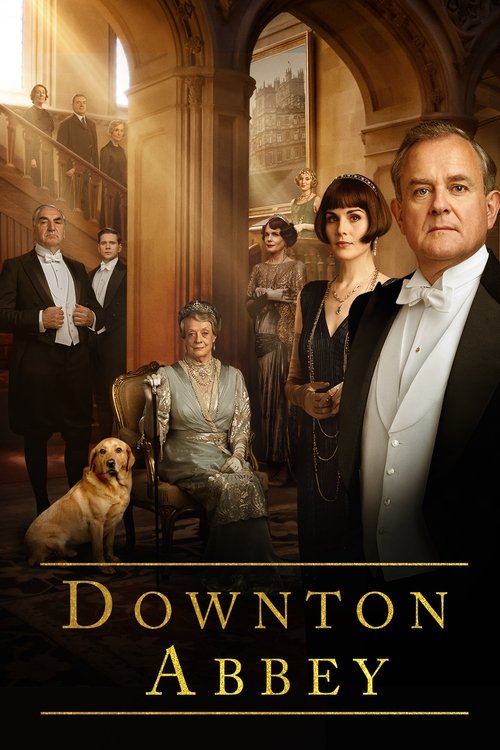
Downton Abbey
2019The beloved Crawleys and their intrepid staff prepare for the most important moment of their lives. A royal visit from the King and Queen of England will unleash scandal, romance and intrigue that will leave the future of Downton hanging in the balance.
Portraying Robert Crawley on the big scale allows Bonneville to deepen his signature blend of aristocratic dignity and quiet vulnerability. He navigates the transition from television to cinema by giving the Earl a more nuanced, fatherly resonance that carries the film.
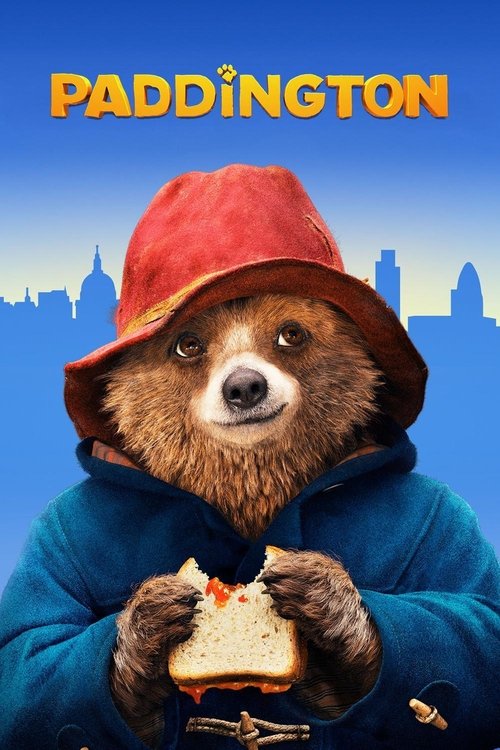
Paddington
2014A young Peruvian bear travels to London in search of a home. Finding himself lost and alone at Paddington Station, he meets the kindly Brown family, who offer him a temporary haven.
In this foundational role, Bonneville masterfully balances stuffy British repression with an inherent warmth that makes the fantastical premise feel grounded. It is the definitive modern showcase for his skill at playing the endearing, high-strung father figure.
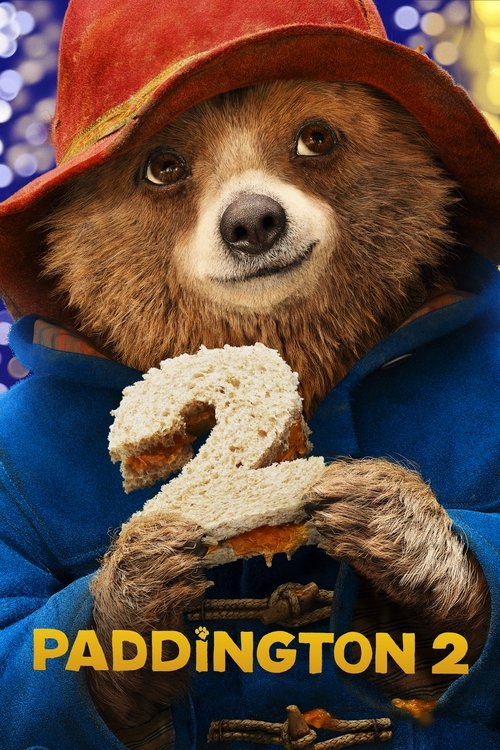
Paddington 2
2017Paddington, now happily settled with the Browns, picks up a series of odd jobs to buy the perfect present for his Aunt Lucy, but it is stolen.
Bonneville perfects the comedic arc of Henry Brown, evolving from a risk-averse patriarch into a swashbuckling physical comedian. This sequel cements his ability to anchor high-concept family cinema with genuine heart and impeccable timing.
Frequently Asked Questions
Everything you need to know about this list and SnakeDrafts
- Hugh Bonneville shines in the Paddington series, particularly in "Paddington" (2014) and "Paddington 2" (2017), where he plays the warm-hearted Mr. Brown, capturing the essence of British family charm and adventure with a delightful blend of comedy and heart.
- Hugh Bonneville is renowned for his roles in acclaimed British period dramas like "Downton Abbey" (2019) and its sequel "Downton Abbey: A New Era" (2022). His performances bring a nuanced portrayal of the British landed gentry, embodying a dignified yet approachable aristocrat during pivotal historical moments.
- Beyond period dramas and family features, Hugh Bonneville has ventured into romantic comedies like "Notting Hill" (1999), historical dramas such as "Viceroy's House" (2017), and even war dramas like "The Monuments Men" (2014), demonstrating his versatile acting capabilities across diverse cinematic styles.
- In "Viceroy's House" (2017), Hugh Bonneville explores the complex historical theme of India's independence, portraying Lord Mountbatten, the last Viceroy of India. This role showcases his ability to navigate politically charged narratives beyond typical British settings.
- "To Olivia" (2021) stands out as a poignant drama where Hugh Bonneville plays a significant role, delving into personal resilience and romantic depth. This film highlights his skill in embodying emotionally rich characters in contemporary settings.
- Hugh Bonneville's collaboration with director Paul King is notable for the critically acclaimed "Paddington" films, where their partnership brought a charming, heartfelt approach to family cinema. Their work together has been praised for blending whimsical storytelling with strong character dynamics.
- Yes, Hugh Bonneville continues his family-friendly legacy with the upcoming "Paddington in Peru" (2024), directed by Dougal Wilson. This continuation of the Paddington franchise promises to deliver more adventure and lighthearted fun suitable for audiences of all ages.