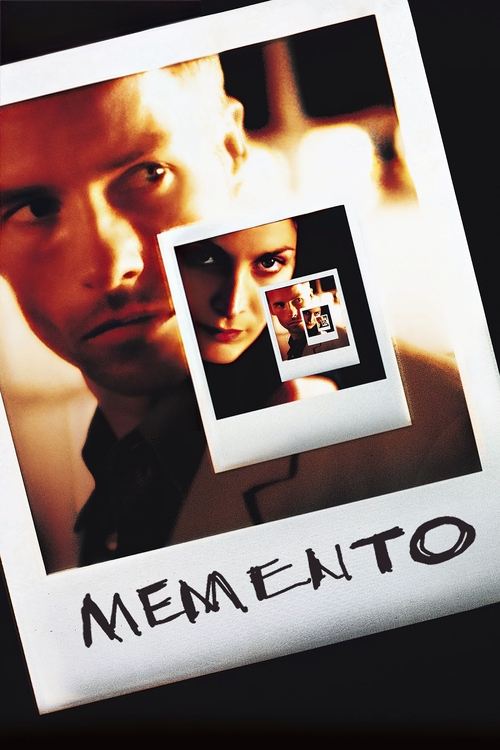
Memento
In Christopher Nolan's mind-bending masterpiece Memento, a man with anterograde amnesia hunts for his wife's killer, relying on a system of notes, tattoos, and Polaroids. This neo-noir psychological thriller challenges perceptions of memory, truth, and identity, leaving audiences questioning everything they thought they knew.
Director
Release Year
2000
Runtime
113 minutes
Genres
Mystery, Thriller
Main Cast
Guy Pearce, Carrie-Anne Moss, Joe Pantoliano, Mark Boone Junior, Russ Fega
About Memento
Memento, released in 2000, cemented Christopher Nolan's reputation as a visionary filmmaker, offering a non-linear narrative that captivated critics and audiences alike. Its unique storytelling structure, unfolding in reverse chronological order for its color scenes and chronologically for its black and white scenes, became a hallmark of Nolan's early work and a major influence on subsequent thrillers.
The film plunges viewers into the fragmented world of Leonard Shelby (Guy Pearce), who suffers from a rare form of amnesia that prevents him from forming new memories. Haunted by the murder of his wife, Leonard devises an intricate system of photographs, notes, and tattoos on his body to retain crucial information about his investigation. This premise cleverly mirrors the audience's own experience of piecing together the narrative, creating a deeply immersive and unsettling viewing experience.
Critically acclaimed for its ingenious plot, stellar performances, and groundbreaking direction, Memento earned numerous accolades, including Academy Award nominations for Best Original Screenplay and Best Film Editing. Its exploration of themes like memory, revenge, and the subjective nature of truth resonated deeply, sparking countless discussions and analyses.
Memento's legacy extends far beyond its initial release, influencing a generation of filmmakers and solidifying its place as a modern classic. It remains a powerful testament to the power of unconventional storytelling and a compelling examination of the human mind's fragility and resilience.
Drafts Featuring Memento
Every SnakeDrafts listicle where this movie appears
Best Guy Pearce Movies Ranked: From Memento to L.A. Confidential
Ranked #1
Carrie-Anne Moss Movies Ranked: Beyond the Matrix
Ranked #2
Best Christopher Nolan Films of All Time
Ranked #5
Best Movies of the Year 2000 Ranked
Ranked #6
Top 2000s Movies Ranked
Ranked #13
Best 2000s Thriller Movies Ranked
Ranked #1
The Best Thriller Movies of All Time, Ranked
Ranked #9
The Greatest Thriller Movies of 2000
Ranked #1
Similar Movies
Movies related to Memento
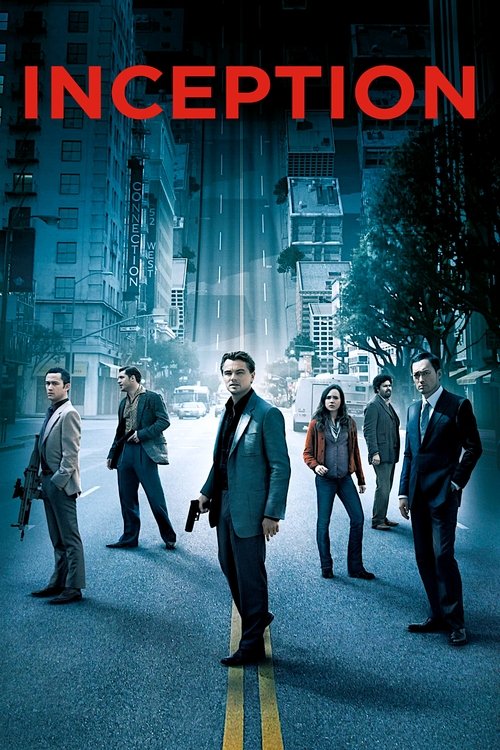
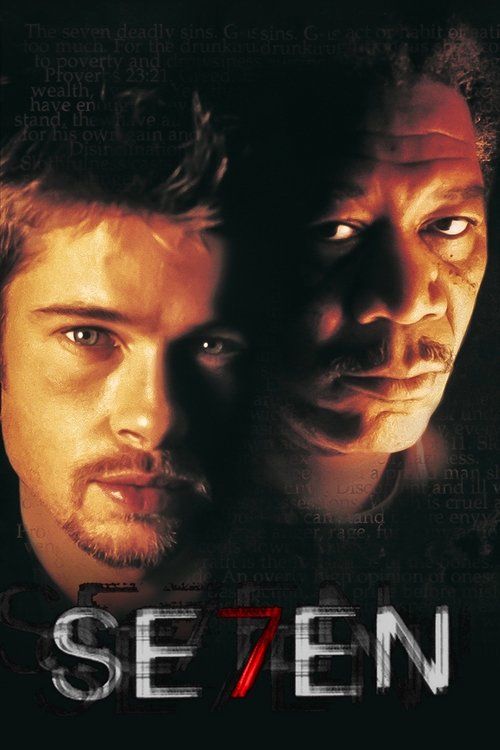

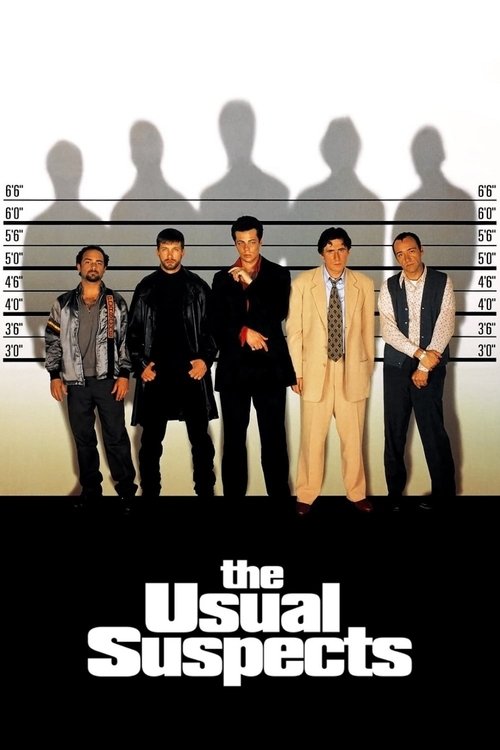
Frequently Asked Questions
Everything you need to know about Memento
- The film's reverse chronological order places the audience in Leonard's shoes, mirroring his struggle to piece together information without new memories. This narrative choice amplifies themes of memory, disorientation, and the elusive nature of truth, forcing viewers to actively engage with the fragmented story.
- Leonard's tattoos and notes are crucial to his investigation and survival. They represent his externalized memory, a desperate attempt to create a reliable record of facts in a mind that constantly resets, highlighting his dependence on external stimuli to construct his reality.
- The film intentionally leaves the resolution ambiguous and open to interpretation. The ending suggests a cyclical nature to Leonard's revenge, hinting that he may be deliberately manipulating his own pursuit to give his life purpose, rather than ever truly finding a definitive killer.
- Sammy Jankis is a pivotal character in Leonard's past. The story of Sammy, also suffering from anterograde amnesia, serves as a cautionary tale and a potential reflection of Leonard's own condition, blurring the lines between memory and fabrication, and raising questions about the reliability of Leonard's narrative.
- Memento masterfully delves into subjective truth by presenting events through Leonard's unreliable perspective. His memory loss, coupled with the film's fragmented structure, forces viewers to question what is real, what is remembered, and what is fabricated, emphasizing that truth can be a deeply personal and malleable construct.

