The Best 1960s SciFi Movies Ranked
Classic Space Adventures and Dystopian Visions
Explore the best cinema from a golden decade of science fiction. From deep space voyages to alien encounters, discover essential cult classics and hits.
About 1960s SciFi Movies
If you travel back to the very beginning of the 1960s, science fiction cinema felt like a carryover from a more literal, nervous age. The 1950s had been defined by flying saucers, giant bugs, and the heavy handed metaphors of the Red Scare. But as the new decade dawned, the genre began to shed its rubber suit and grow into something far more cerebral, psychedelic, and cynical. By 1969, science fiction was no longer just about protecting the Earth from the outside. Instead, it had turned its lens inward to examine the fragility of the human mind and the terrifying scope of the infinite.
This evolution was driven by a massive cultural shift. The early sixties were gripped by the Space Race, which made the moon feel like a tangible destination rather than a fantasy. However, as the decade progressed, the optimism of the Kennedy era gave way to the paranoia of the Vietnam War and the civil unrest of the counterculture movement. Filmmakers responded by stripping away the pulp. The genre stopped being a playground for children and started becoming a laboratory for philosophers.
No film represents this transition better than Stanley Kubrick masterpiece, 2001: A Space Odyssey, released in 1968. It essentially deleted the tropes of the previous twenty years. There were no ray guns or bug eyed monsters. Instead, Kubrick offered a silent, cold, and breathtakingly realistic vision of the cosmos. It forced audiences to grapple with human evolution and the potential for artificial intelligence to surpass its creators. It remains the gold standard for the genre because it treated space not as a backdrop for an adventure, but as a religious experience.
While Kubrick was looking at the stars, other filmmakers were using the genre to critique the rot on Earth. Planet of the Apes arrived the same year, using a high concept premise to deliver a gut punch of a social commentary. Its ending remains one of the most haunting moments in cinema history, serving as a bleak warning about nuclear proliferation and human arrogance. Similarly, Fahrenheit 451 explored the death of intellect, reflecting a growing anxiety about mass media and government control.
The decade also saw the rise of the New Wave in science fiction, particularly in Europe. Jean Luc Godard took the genre into the realm of noir with Alphaville, using real Paris locations to create a dystopian city ruled by a computer. It proved that you did not need a massive budget or plastic spaceships to tell a compelling speculative story. You just needed a mood and a message.
By the time the sixties ended, science fiction had become the most vital genre for exploring the human condition. It had evolved from B movie escapism into a high art form that captured the frantic, experimental energy of its time. These films did not just predict the future. They captured a world that was rapidly losing its innocence and realizing that the greatest mysteries were not found on distant planets, but within ourselves.
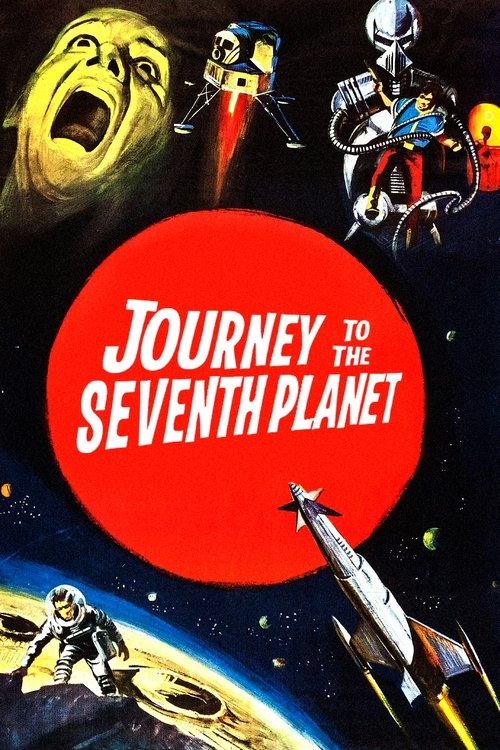
Journey to the Seventh Planet
1962A space expedition to Uranus is menaced by a giant brain that can make illusions come true.
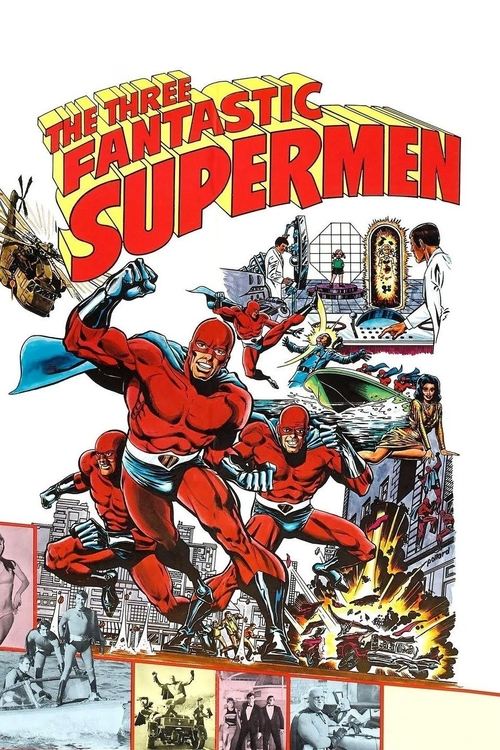
The Three Fantastic Supermen
1967FBI agent Brad joins Tony and Nick, the self styled Supermen who battle crime wearing bullet-proof super-suits. They are on a case involving radioactive counterfeit money and people who can be broken down into precious jewels.

Santa Claus Conquers the Martians
1964Martians fear their children have become lazy and joyless due to their newfound obsession with Earth TV shows. After ancient Martian leader Chochem suggests that the children of Mars need more fun—including their own Santa Claus—supreme leader Lord Kimar assembles an expedition to Earth. Once there, they kidnap two children who lead them to the North Pole, then capture the real Santa Claus, taking all three back to Mars in an attempt to bring the Martian children happiness.
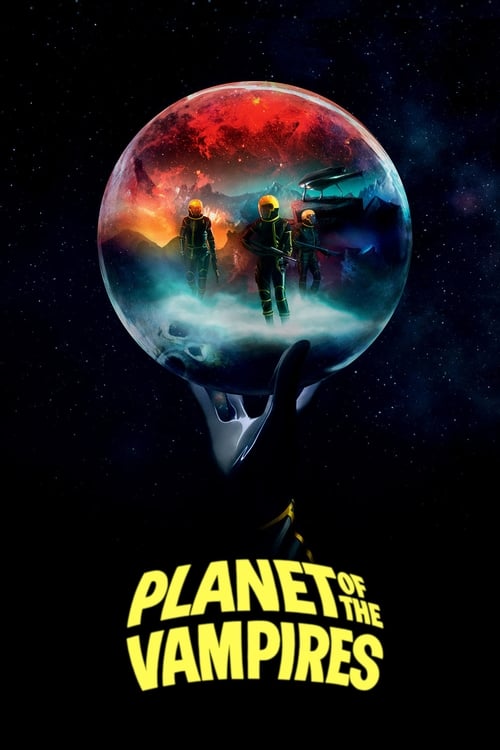
Planet of the Vampires
1965After landing on a mysterious planet, a team of astronauts begin to turn on each other, swayed by the uncertain influence of the planet and its strange inhabitants.
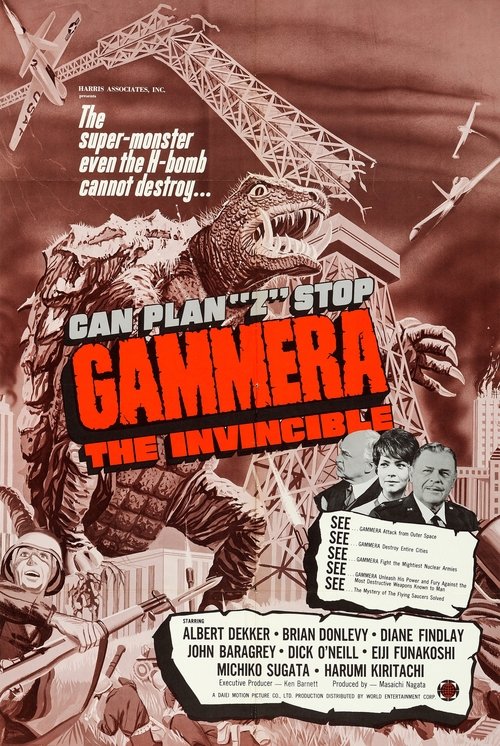
Gammera the Invincible
1966An atomic explosion awakens Gammera, a giant fire breathing turtle monster from his millions of years of hibernation.

Ikarie XB 1
1963The year is 2163. Starship Ikaria XB 1 embarks on a mission deep into space in search of alien life. During their perilous journey the crew confront the effects of a malignant dark star, the destructive legacy of the 20th century and, ultimately, the limits of their own sanity.
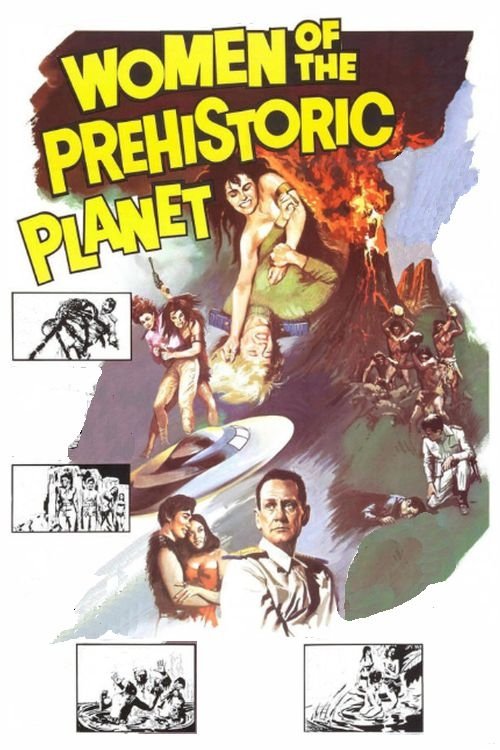
Women of the Prehistoric Planet
1966A space ship crash lands on the third planet of a distant solar system, killing all hands except for a young boy named Tang. The rescue ship arrives some 20 years later. One of the crew, a girl named Linda meets Tang and falls in love with him. They are attacked by the native humanoids of the planet and many of them are killed off. Also, the crew encounters many strange beasts on this strange, but somewhat familiar world.
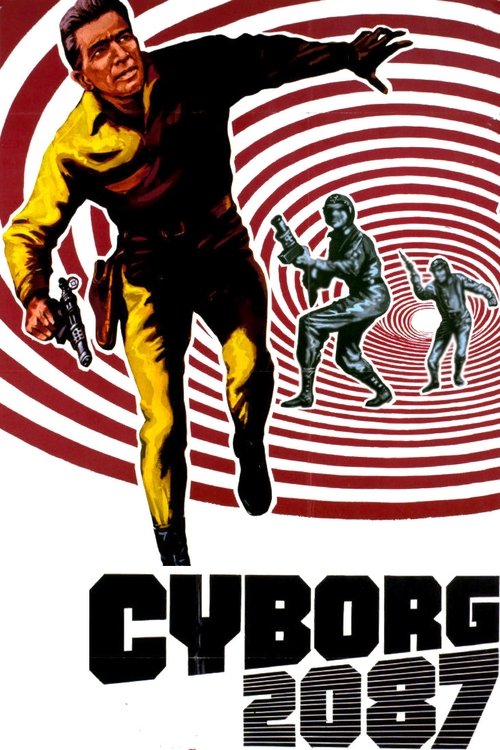
Cyborg 2087
1966In the future world of the year 2087, freedom of thought is illegal and the thoughts of the world's populations are controlled by the government. A small band of "free thinkers" send a cyborg back in time to the year 1966 to prevent a scientist from making the breakthrough that will eventually lead to the mass thought control of the future. Our time traveler soon discovers he is not alone when government agents from the future try to prevent him from carrying out his mission.
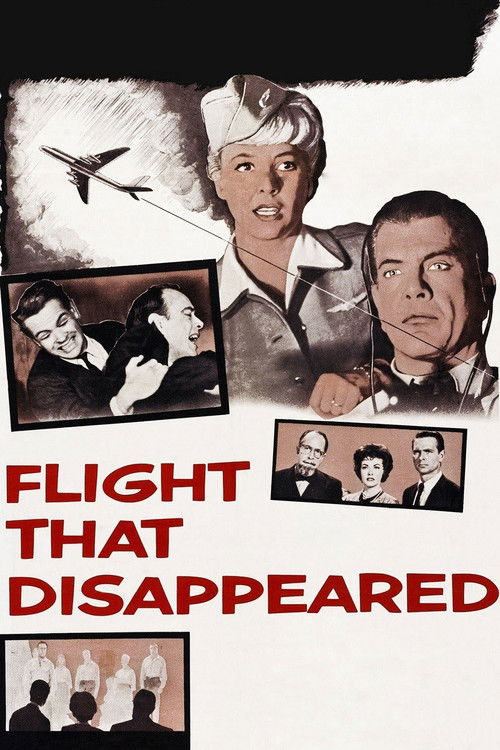
The Flight That Disappeared
1961A cross-country airliner, whose passengers include a nuclear physicist, a rocket expert, and a mathematical genius, is drawn beyond radar range by an unknown, unbreakable force.
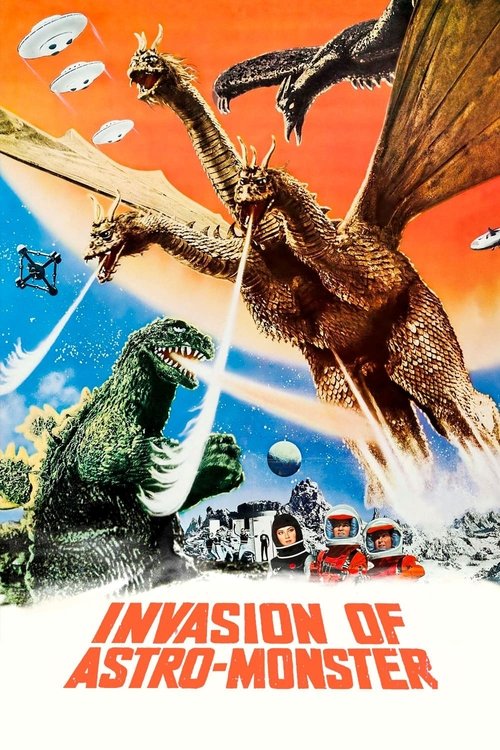
Invasion of Astro-Monster
1965Astronauts Glenn and Fuji investigate Planet X and encounter mysterious aliens known as the Xiliens, who ask Earth's people to help save their world from "Monster Zero". In exchange for borrowing Godzilla and Rodan, the Xiliens offer a cure for cancer. As Glenn investigates, he develops a romance with Miss Namikawa and uncovers the Xilien's true intentions.
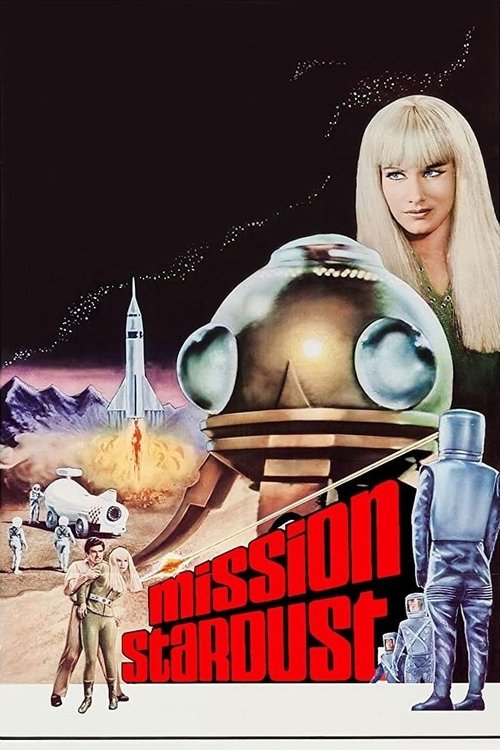
Mission Stardust
1967A team of astronauts is sent to the moon to rescue an alien who is seeking help to save her dying race. They are attacked by a force of bandit robots and discover that enemy spies are out to kill the alien.
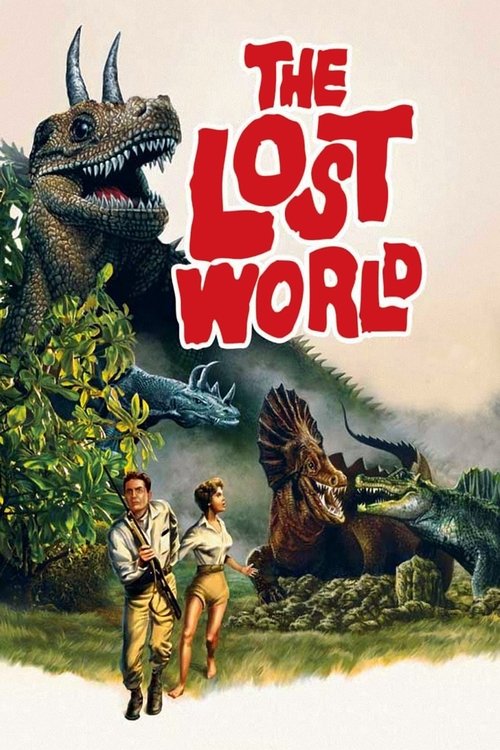
The Lost World
1960Professor Challenger leads an expedition of scientists and adventurers to a remote plateau deep in the Amazonian jungle to verify his claim that dinosaurs still live there.
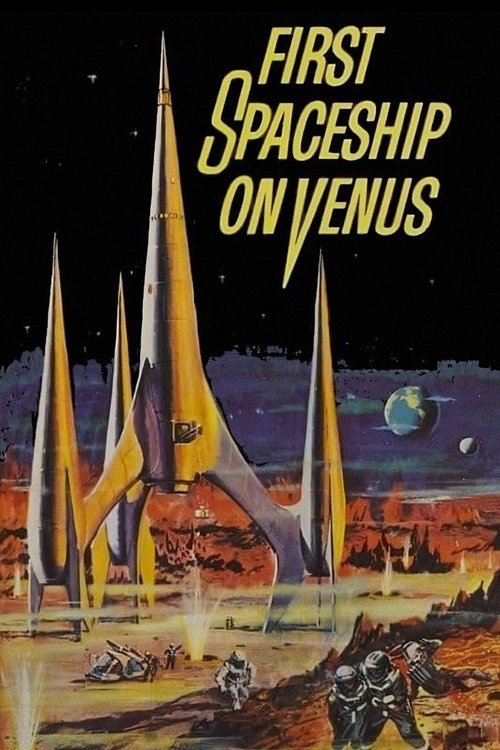
The Silent Star
1960A mysterious magnetic spool found during a construction project is discovered to have originated from Venus. A rocket expedition to Venus is launched to discover the origin of the spool and the race that created it.
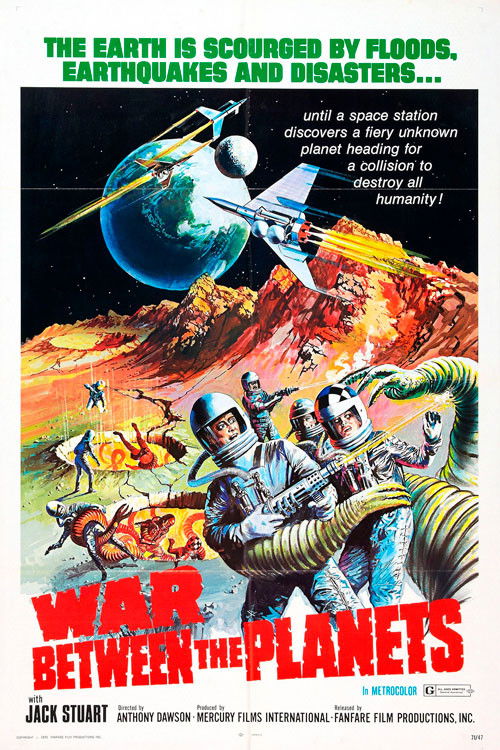
War Between the Planets
1966Scientists try to prevent a collision between Earth and a planet that is heading for it.
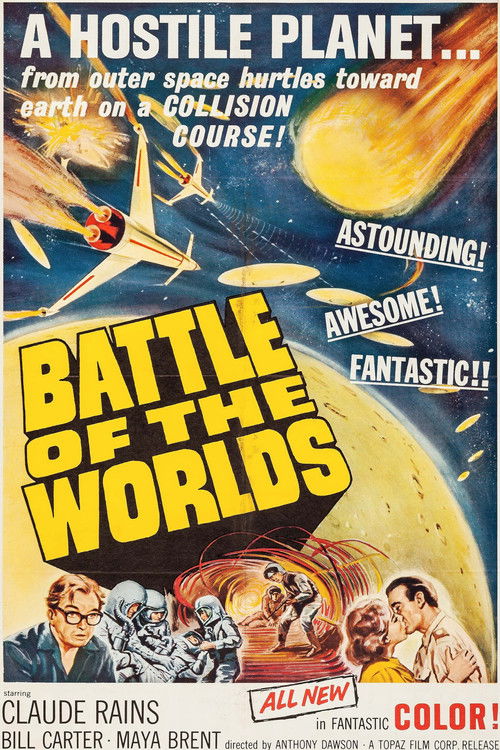
Battle of the Worlds
1961A stray planet on a collision course with Earth instead takes orbit around our blue marble. What seems like a dead planet suddenly launches a fleet of flying saucers which attack our space fleets.
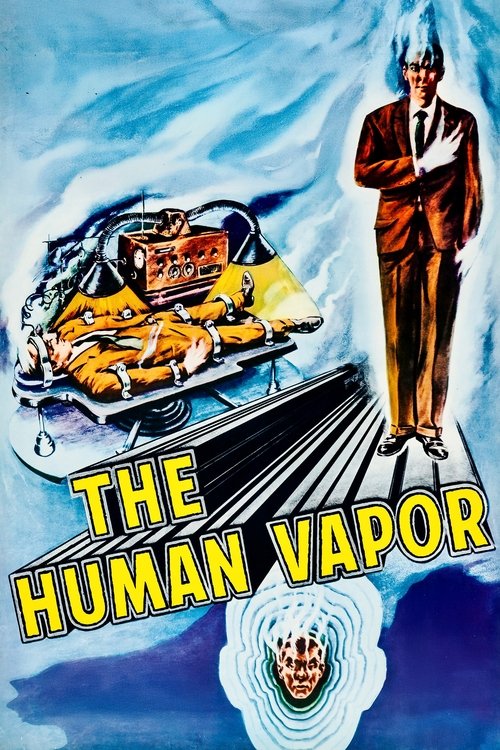
The Human Vapor
1960A failed science experiment gives a librarian the ability to turn into a gaseous substance. He goes on to rob banks to fund his dancer girlfriend's career, killing those who interfere. Now Tokyo's most wanted criminal, can authorities stop him?
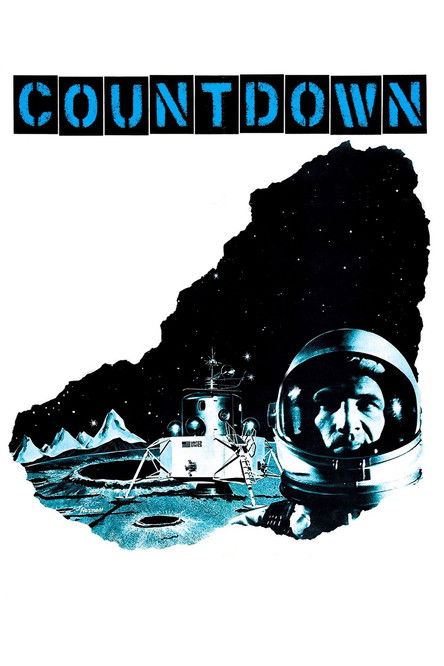
Countdown
1967Desperate to land a man on the moon before Russia does, NASA hastily preps a would-be spaceman for a mission that would leave him alone in a lunar shelter for a year.
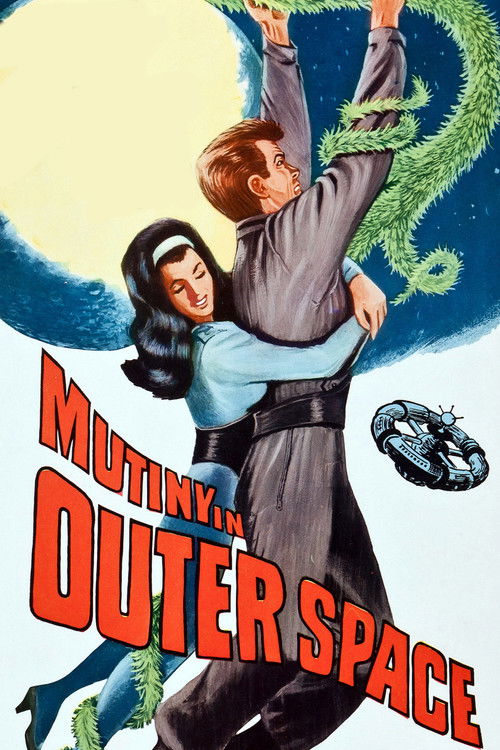
Mutiny in Outer Space
1965An expedition to the lunar ice caves contracts a deadly moon-fungus. Stopping en route they contaminate a space station with the fungus, which soon begins to take over the entire place.
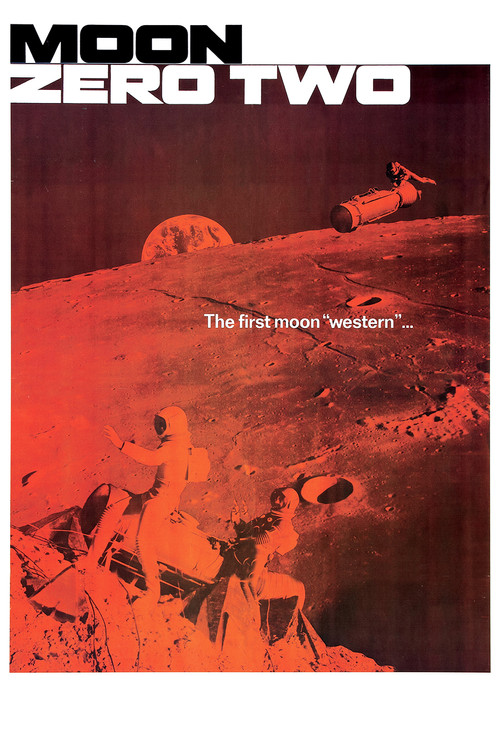
Moon Zero Two
1969On the Moon in the year 2021, a former-astronaut-turned-salvager helps a millionaire space industrialist capture a 6000-ton sapphire asteroid, while also assisting a woman in finding her missing miner/prospector brother

Man in Outer Space
1962An upholsterer who is preparing a rocket for takeoff accidentally jettisons himself into space and returns to Earth 500 years later with an alien companion who wishes to learn more about the human race.
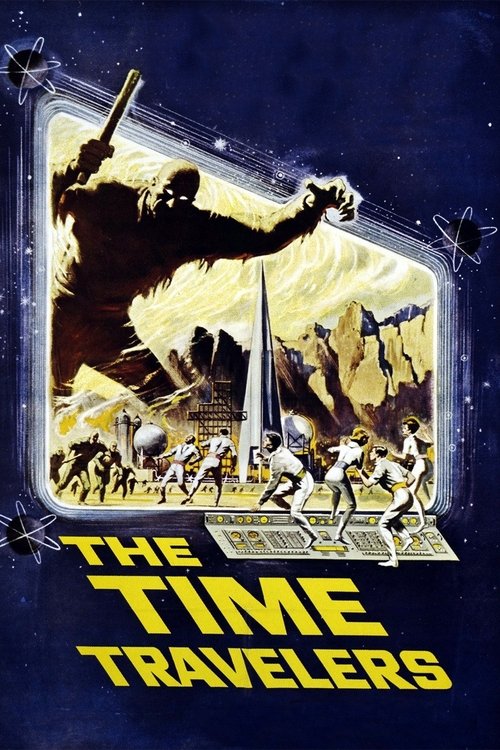
The Time Travelers
1964Research scientists experimenting with time warps are accidentally propelled forward into an unbearable future.
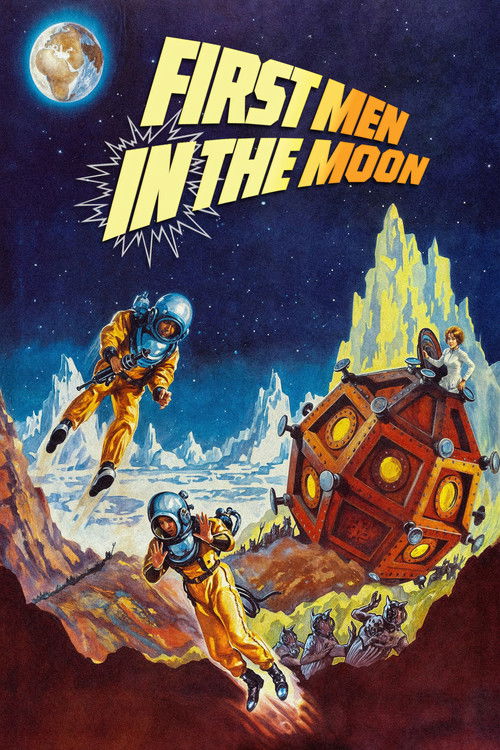
First Men in the Moon
1964The world is delighted when a spacecraft containing a crew made up of the world's astronauts lands on the moon, but are shocked when the astronauts discover an old British flag and a document declaring that the moon is taken for Queen Victoria proving that the astronauts were not the first men on the moon.

The Day of the Triffids
1963After an unusual meteor shower leaves most of the human population blind, a merchant navy officer must find a way to conquer tall, aggressive plants which are feeding on people and animals.
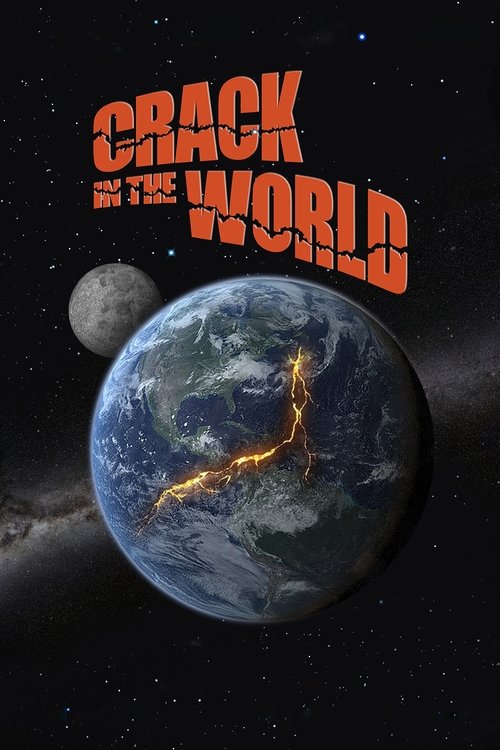
Crack in the World
1965Dr. Steven Sorenson plans to tap the geothermal energy of the Earth's interior by means of a thermonuclear device detonated deep within the Earth. This experiment causes a crack to form and grow within the Earth's crust, which threatens to split the earth in two if it is not stopped in time.
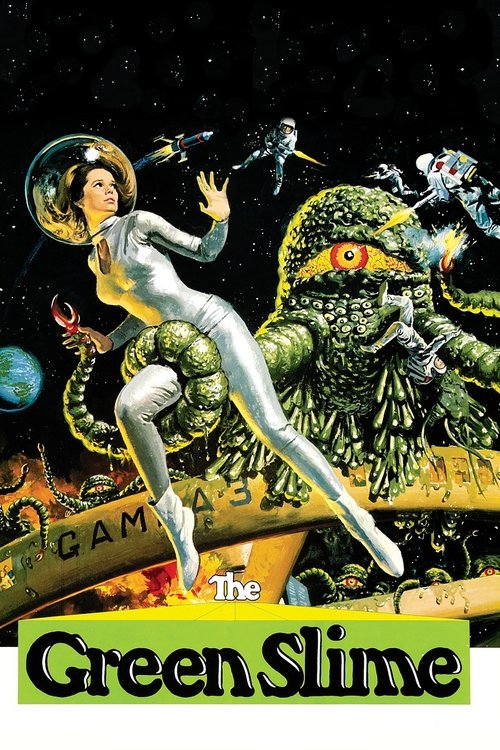
The Green Slime
1968A giant asteroid is heading toward Earth so some astronauts disembark from a nearby space station to blow it up. The mission is successful, and they return to the station unknowingly bringing back a gooey green substance that mutates into one-eyed tentacled monsters that feed off electricity. Soon the station is crawling with them, and people are being zapped left and right!
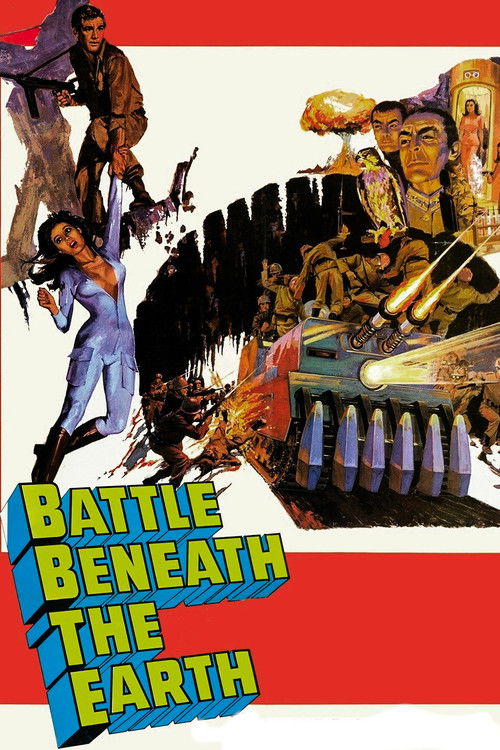
Battle Beneath the Earth
1967Government officials discover a horrible plot: the Chinese are tunneling their way to the United States.
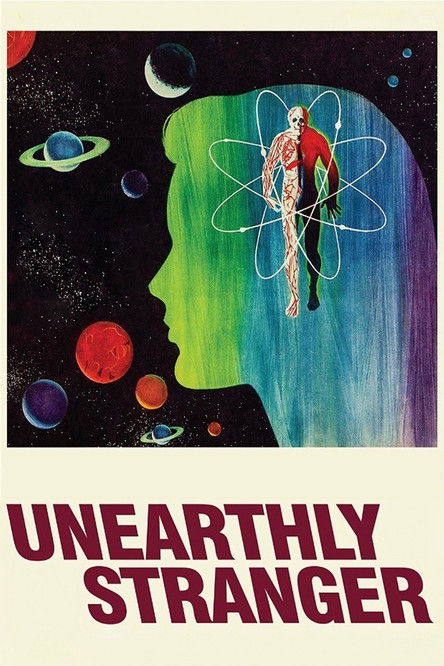
Unearthly Stranger
1963A series of scientists working on a new techology to facilitate man's conquest of space are killed in mysterious circumstances. Suspicion falls on the wife of another scientist on the project, who may not be what she seems.
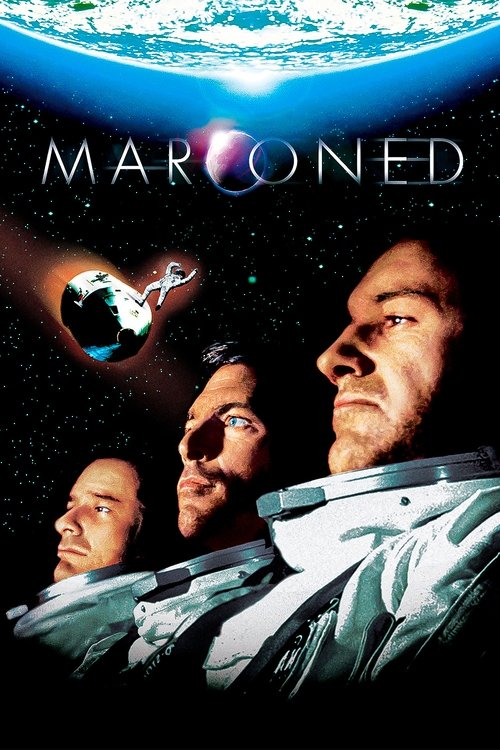
Marooned
1969After spending several months in an orbiting lab, three astronauts prepare to return to Earth only to find their de-orbit thrusters won't activate. After initially thinking they might have to abandon them in orbit, NASA decides to launch a daring rescue. Their plans are complicated by a hurricane headed towards the launch site—and a shrinking air supply in the astronauts' capsule.
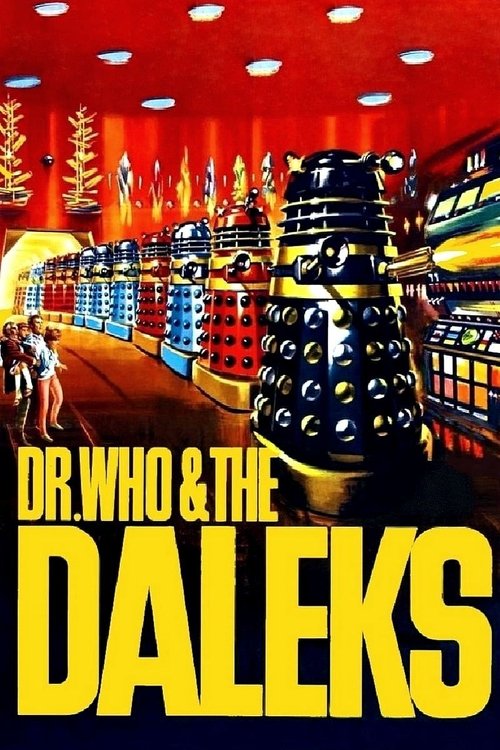
Dr. Who and the Daleks
1965Scientist Doctor Who accidentally activates his new invention, the Tardis, a time machine disguised as a police telephone box. Who, his two granddaughters Barbara and Susan, and Barbara's boyfriend Ian are transported through time and space to the planet Skaro, where a peaceful race of Thals are under threat of nuclear attack from the planet's other inhabitants: the robotic mutant Daleks.

Seconds
1966An unhappy middle-aged banker agrees to a procedure that will fake his death and give him a completely new look and identity; one that comes with its own price.
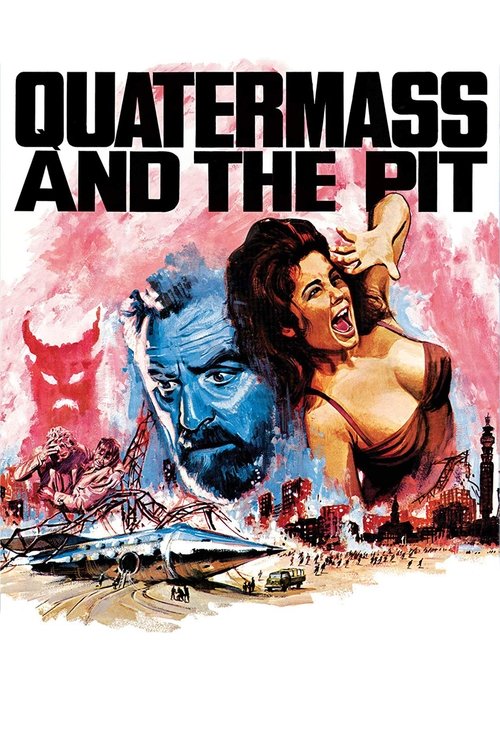
Quatermass and the Pit
1967A mysterious artifact unearthed below a London Underground station proves to have powerful psychic effects on the people around.
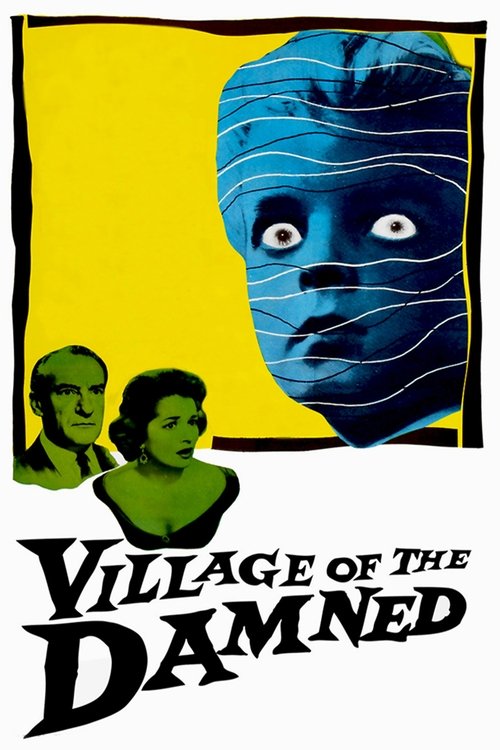
Village of the Damned
1960In a small English village everyone suddenly falls unconscious. When they awake every woman of child bearing age is pregnant. The resulting children have the same strange blond hair, eyes and a strong connection to each other.
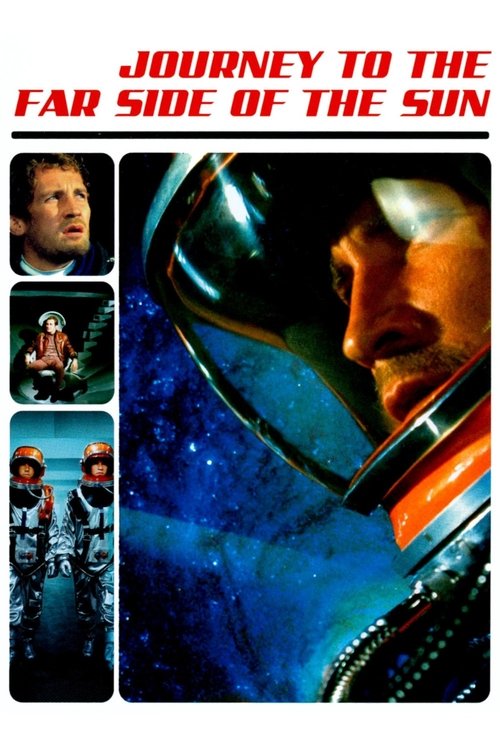
Doppelgänger
1969A planet is discovered in the same orbit as Earth's but is located on the exact opposite side of the sun, making it not visible from Earth. The European Space Exploration Council decide to send American astronaut Glenn Ross and British scientist John Kane via spaceship to explore the other planet.
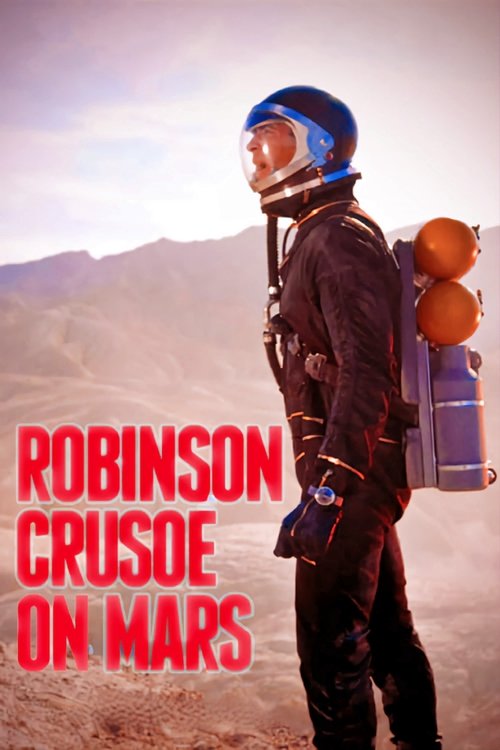
Robinson Crusoe on Mars
1964Stranded on Mars with only a monkey as a companion, an astronaut must figure out how to find oxygen, water, and food and companionship on the lifeless planet.
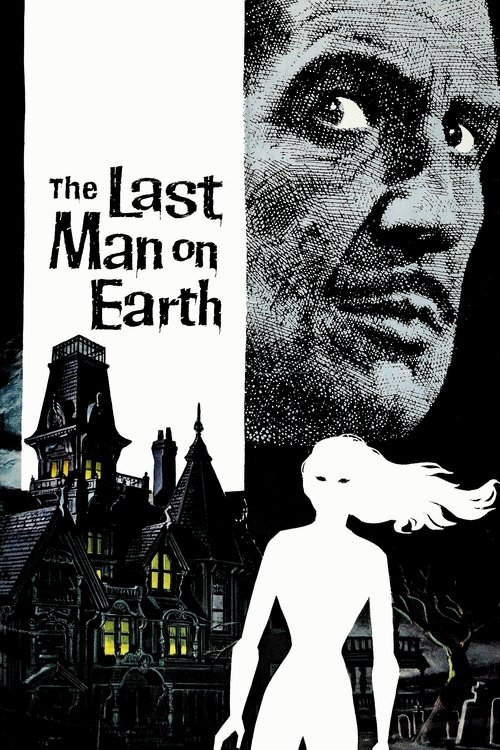
The Last Man on Earth
1964When a disease turns all of humanity into the living dead, the last man on earth becomes a reluctant vampire hunter.
Vincent Price brings a jagged, desperate humanity to this stark realization of viral extinction, far surpassing its later remakes in raw atmosphere. Its bleak, high-contrast shadows evoke a sense of existential dread that defined the era's gothic sci-fi crossover.
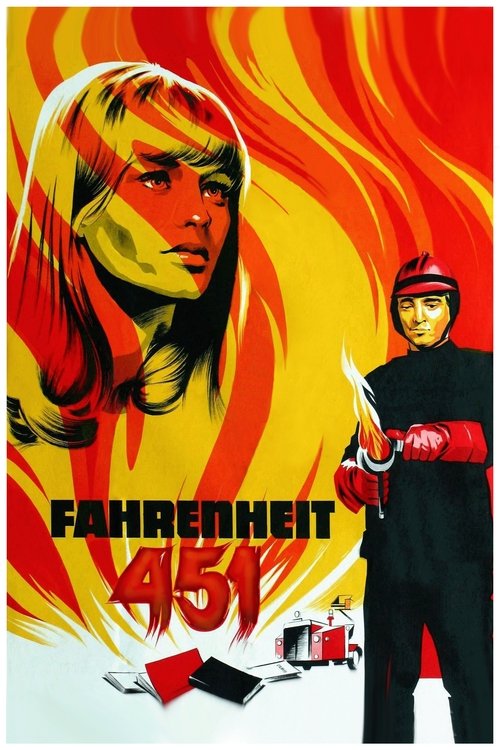
Fahrenheit 451
1966In the future, the government maintains control of public opinion by outlawing literature and maintaining a group of enforcers, known as “firemen,” to perform the necessary book burnings. Fireman Montag begins to question the morality of his vocation…
Truffaut’s isolated French New Wave sensibilities create a dreamlike, disorienting atmosphere that emphasizes the intellectual void of a bookless society. The film’s minimalist aesthetic serves as a chilling vessel for its themes of cultural amnesia and state-sponsored apathy.
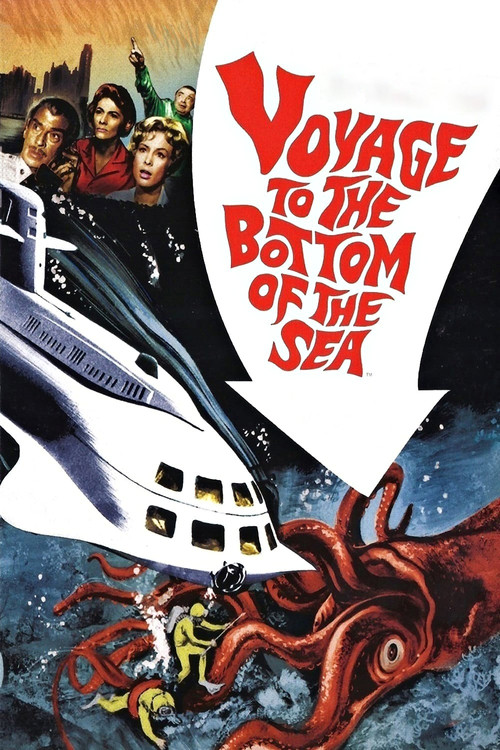
Voyage to the Bottom of the Sea
1961The crew of an atomic submarine battle to save the world from global destruction.
This deep-sea spectacle represents the peak of Irwin Allen’s technicolor sensationalism, blending high-stakes military tension with shimmering aquatic photography. It encapsulates the decade's fascination with nuclear mastery and the unexplored mysteries of our own planet.
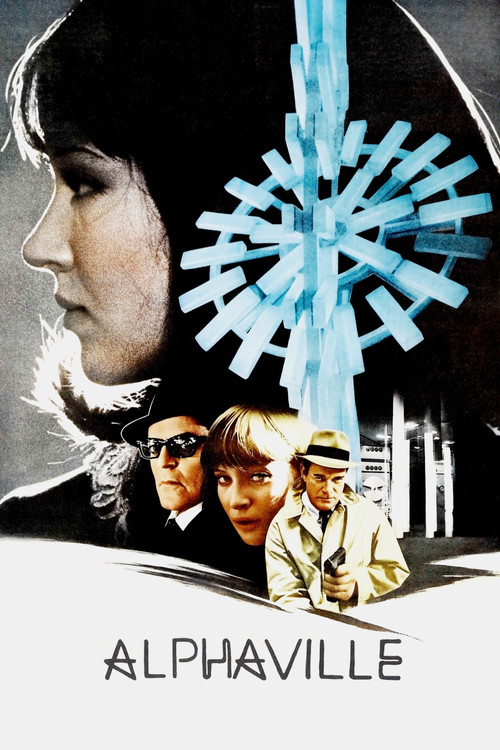
Alphaville
1965Lemmy Caution is on a mission to eliminate Professor Von Braun, the creator of a malevolent computer that rules the city of Alphaville. Befriended by the scientist’s daughter Natasha, Lemmy must unravel the mysteries of the strictly logical Alpha 60 and teach Natasha the meaning of the word “love.”
Godard strips away the chrome and gadgets of traditional futurism to find a dystopian nightmare within the brutalist architecture of 1960s Paris. This noir-infused experiment proves that the most chilling sci-fi emerges from language and light rather than special effects.
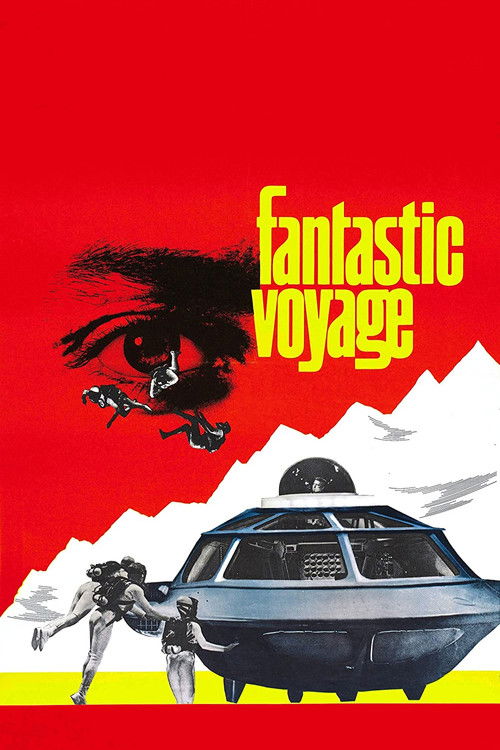
Fantastic Voyage
1966In order to save an assassinated scientist, a submarine and its crew are shrunk to microscopic size and injected into his bloodstream.
By shrinking the Cold War arms race to a microscopic scale, this film pioneered internal landscape photography as a new frontier for adventure. Its imaginative production design transforms the human anatomy into a psychedelic, techno-biological wonderland.

Barbarella
1968In the far future, a highly sexual woman is tasked with finding and stopping the evil Durand-Durand. Along the way she encounters various unusual people.
Vadim’s psychedelic odyssey redefined the genre’s aesthetic through a lens of pop-art erotica and camp surrealism. It is a vibrant, anarchic rejection of the era's sterile corridors, favoring plush textures and a liberationist spirit.
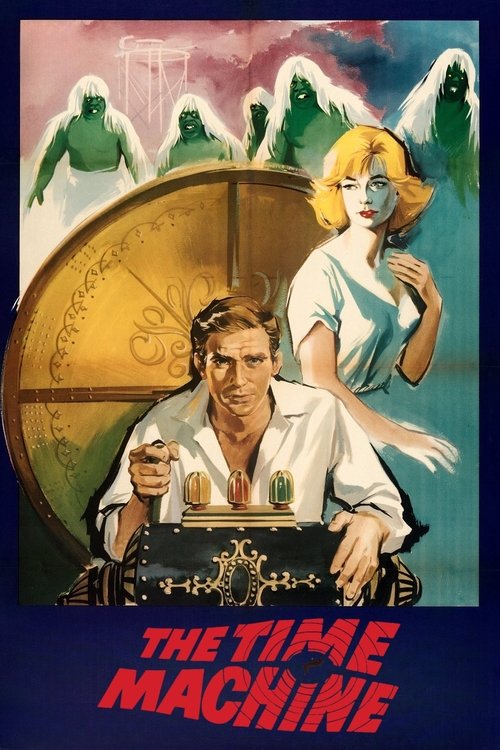
The Time Machine
1960A Victorian Englishman travels to the far future and finds that humanity has divided into two hostile species.
Pal’s production marries Victorian charm with a harrowing vision of evolutionary decay, utilizing innovative stop-motion to physicalize the passage of eras. It remains the quintessential cinematic translation of Wellsian philosophy and temporal displacement.
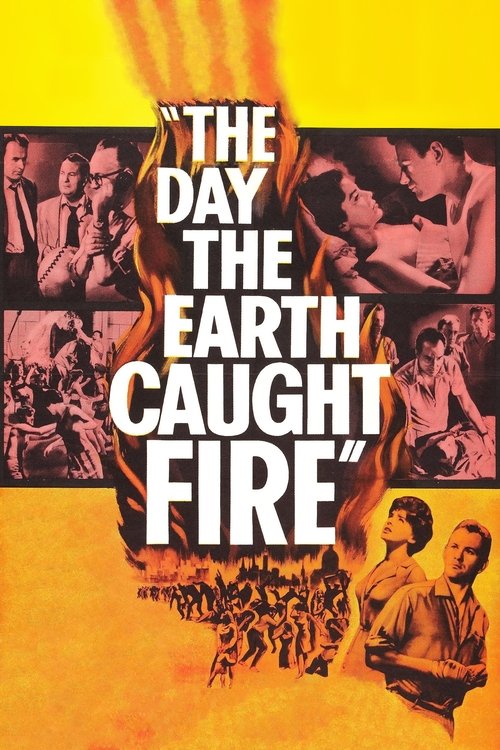
The Day the Earth Caught Fire
1961British reporters suspect an international cover-up of a global disaster in progress... and they're right. Hysterical panic has engulfed the world after the United States and the Soviet Union simultaneously detonate nuclear devices and have caused the orbit of the Earth to alter, sending it hurtling towards the sun.
A masterpiece of sweaty, claustrophobic tension, this British gem captures the apocalypse through the frantic rhythm of a newsroom floor rather than global spectacle. It stands as the decade's most grounded cautionary tale regarding man's ecological arrogance.
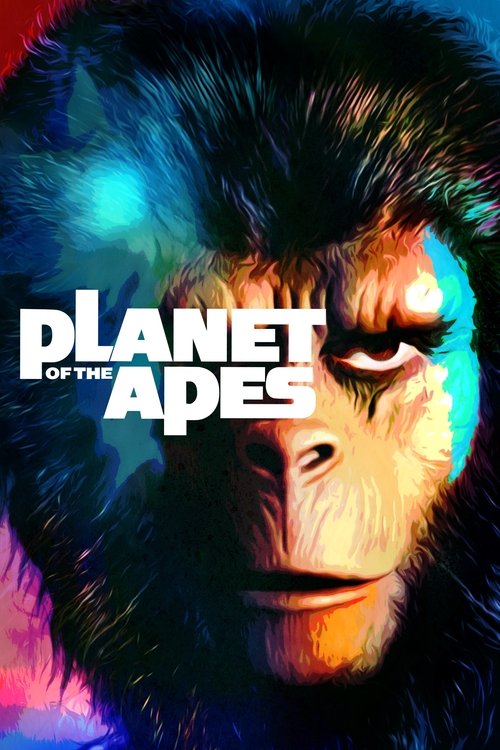
Planet of the Apes
1968Astronaut Taylor crash lands on a distant planet ruled by apes who use a primitive race of humans for experimentation and sport. Soon Taylor finds himself among the hunted, his life in the hands of a benevolent chimpanzee scientist.
This biting social allegory weaponizes heavy-handed satire to dismantle contemporary anxieties regarding nuclear escalation and racial hierarchy. Beneath the groundbreaking facial prosthetics lies a cynical, philosophical core that haunts the viewer long after the credits roll.
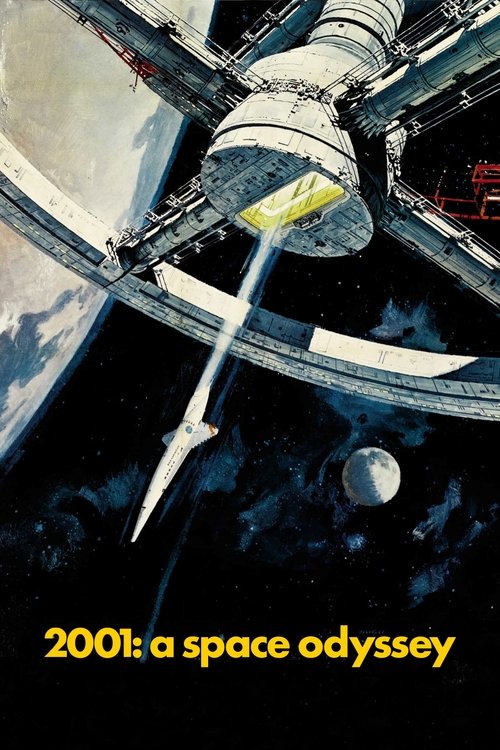
2001: A Space Odyssey
1968Humanity finds a mysterious object buried beneath the lunar surface and sets off to find its origins with the help of HAL 9000, the world's most advanced super computer.
Stanley Kubrick’s metaphysical epic reinvented the visual grammar of the genre, trading pulp adventure for a hypnotic, non-verbal meditation on human evolution. Its technical precision remains the gold standard for tactile realism in celestial cinematography.
Frequently Asked Questions
Everything you need to know about this list and SnakeDrafts
- 1960s sci-fi films moved beyond the alien invasion themes of the 1950s to explore more cerebral, psychedelic, and cynical narratives. Movies like "2001: A Space Odyssey" and "Alphaville" introduce complex philosophical questions and dystopian futures, reflecting societal anxieties and advances in space exploration.
- Stanley Kubrick's "2001: A Space Odyssey" revolutionized 1960s science fiction by emphasizing visual storytelling and scientific accuracy. Its groundbreaking special effects and ambiguous narrative set a new standard for intellectual depth and cinematic artistry in the genre.
- Several films from the list successfully mix genres, such as "The Time Machine," which combines science fiction with romance and adventure, and "Barbarella," blending sci-fi with comedy and camp. This fusion enriches narrative complexity and broadens the appeal, often highlighting unique thematic contrasts.
- Dystopian themes in these films serve as critical reflections on societal control, censorship, and loss of individuality. Both "Fahrenheit 451" and "Alphaville" use their futuristic settings to question authority and explore the implications of technological and political oppression.
- While still limited by the technology of the time, 1960s sci-fi films elevated special effects significantly, using detailed miniatures, optical effects, and innovative camera work. Films like "Fantastic Voyage" and "Voyage to the Bottom of the Sea" exemplify this trend, creating immersive experiences that enhanced storytelling.
- Directors like Stanley Kubrick, François Truffaut, and George Pal were pivotal in defining 1960s sci-fi through their visionary approaches. Kubrick's meticulous style in "2001: A Space Odyssey" and Truffaut's direction of "Fahrenheit 451" brought philosophical and artistic depth to the genre.
- "Planet of the Apes" captivates audiences with its imaginative world-building and social commentary on race, war, and humanity. Its blend of adventure, drama, and provocative themes makes it a defining title that transcends typical genre boundaries.