Every John Cleese Movie Ranked
From Monty Python Absurdity to Cinematic Excellence
Explore the finest films of comedy legend John Cleese, featuring Monty Python classics, Shrek, and his most iconic comedic and character performances.
About John Cleese
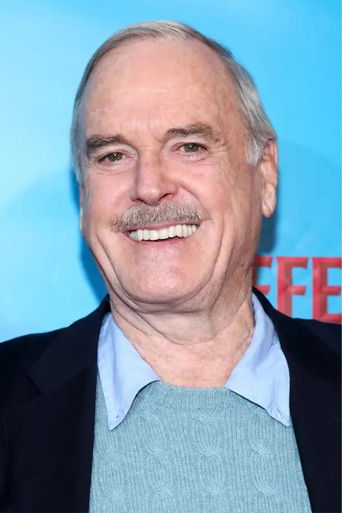
Standing at a towering six feet five inches, John Cleese has spent the better part of six decades weaponizing his own physical stature and intellectual intensity to dismantle the very idea of British decorum. He is the ultimate architect of the slow-motion nervous breakdown, a performer who understood early on that there is nothing funnier than a high-status man losing every shred of his dignity. Whether he is goose-stepping through a hotel lobby or engaging in a philosophical debate about a dead parrot, his comedy thrives on the friction between a polite society and the utter chaos lurking just beneath the surface.
His ascent as a titan of humor is forever tethered to the surrealist revolution of the Monty Python troupe. In masterpieces like Monty Python and the Holy Grail and Life of Brian, he didn't just play characters; he embodied the absurdity of authority. He could be a logic-obsessed knight one moment and a frustrated revolutionary the next, always leaning into a sharp-tongued delivery that made every syllable feel like a surgical strike. By the time Monty Python's The Meaning of Life hit theaters, he had perfected the art of the clinical yet unhinged intellectual, a persona that resonated with audiences tired of the stuffy establishment.
What makes him truly magnetic is his mastery of the script as much as the performance. With A Fish Called Wanda, he transitioned from a sketch-comedy anarchist to a leading man of sophisticated farce. Playing a repressed barrister caught in a diamond heist, he showed a vulnerability that balanced the slapstick, earning both critical acclaim and a permanent place in the canon of great ensemble comedies. He attempted to capture lightning twice with the spiritual successor Fierce Creatures, proving that his chemistry with his co-stars was less about repetition and more about a shared rhythm of comedic timing.
As his career matured, he became a beloved fixture in massive global franchises, often serving as the link between old-school British wit and modern spectacle. He stepped into the wizarding world as the ghost Nearly Headless Nick in the first two Harry Potter films, and brought a dry, regal charm to the Shrek series as King Harold. Even when slipping into the Bond universe as R or navigating the chaotic desert landscape of Rat Race, he remained a quintessential presence. There is a certain comfort in seeing him on screen; audiences know they are in the hands of a man who takes the business of being silly very seriously.
Beyond the laughter, his cultural impact lies in his fearlessness. From the frantic energy of Time Bandits to the high-stakes punctuality of Clockwise or the dusty terrain of the western Silverado, he has never been afraid to look ridiculous. He understands that comedy is a pressure valve for the human condition. People connect with him because he represents the universal struggle to maintain composure in a world that refuses to make sense. He remains a towering figure in every sense, a reminder that the loudest laughs often come from the most straight-faced provocateurs.
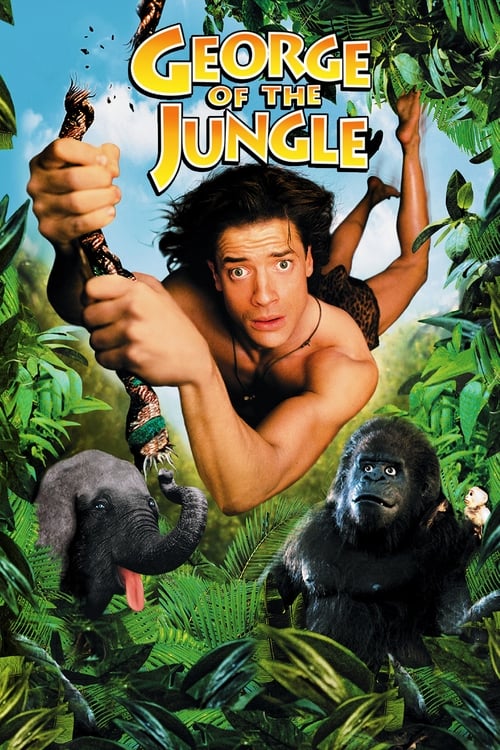
George of the Jungle
1997Deep in the African jungle, a baby named George, the sole survivor of a plane crash, is raised by gorillas. George grows up to be a buff and lovable klutz who has a rainforest full of animal friends: Tookie, his big-beaked toucan messenger; Ape, a witty talking gorilla; and Shep, a peanut-loving pooch of an elephant. But when poachers mess with George's pals, the King of Swing swings into action.
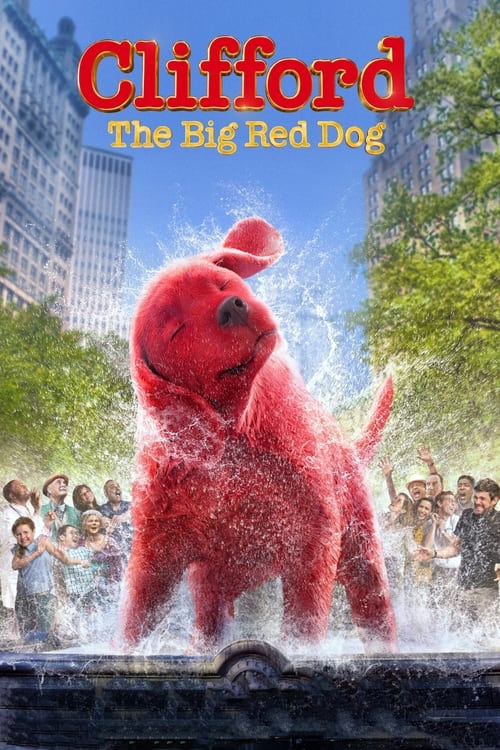
Clifford the Big Red Dog
2021As Emily struggles to fit in at home and at school, she discovers a small red puppy who is destined to become her best friend. When Clifford magically undergoes one heck of a growth spurt, becomes a gigantic dog and attracts the attention of a genetics company, Emily and her Uncle Casey have to fight the forces of greed as they go on the run across New York City. Along the way, Clifford affects the lives of everyone around him and teaches Emily and her uncle the true meaning of acceptance and unconditional love.
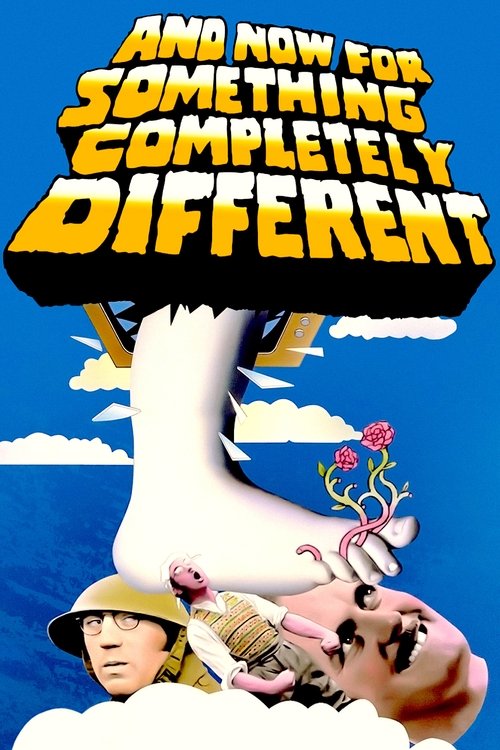
And Now for Something Completely Different
1971A collection of Monty Python's Flying Circus skits from the first two seasons of their British TV series.
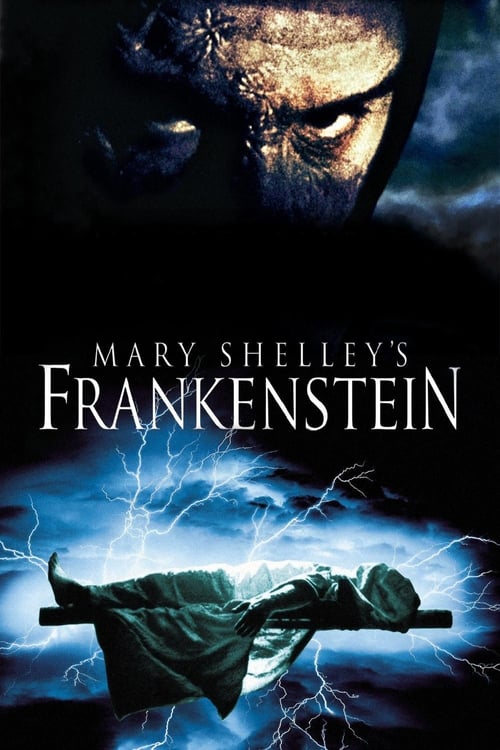
Mary Shelley's Frankenstein
1994Victor Frankenstein is a promising young doctor who, devastated by the death of his mother during childbirth, becomes obsessed with bringing the dead back to life. His experiments lead to the creation of a monster, which Frankenstein has put together with the remains of corpses. It's not long before Frankenstein regrets his actions.
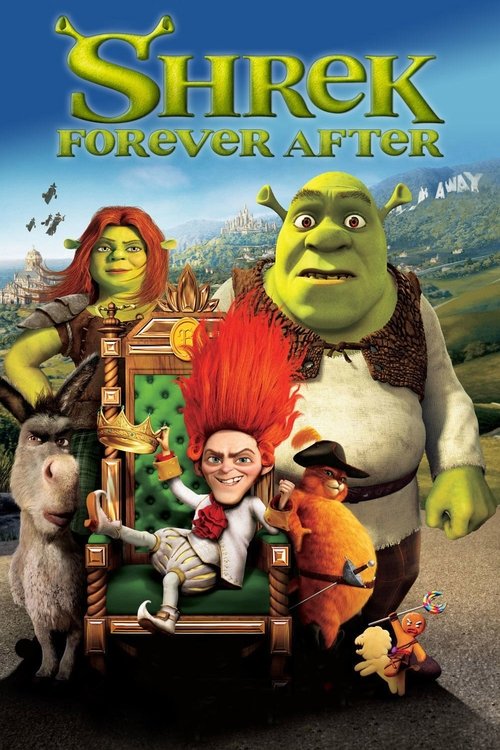
Shrek Forever After
2010A midlife-crisis burdened Shrek, longing for the days when he felt like a real ogre, makes a pact with magic deal-maker Rumpelstiltskin. But when he's duped and sent to a twisted version of Far Far Away—where Rumpelstiltskin is king, ogres are hunted, and he and Fiona have never met—he sets out to restore his world and reclaim his true love.
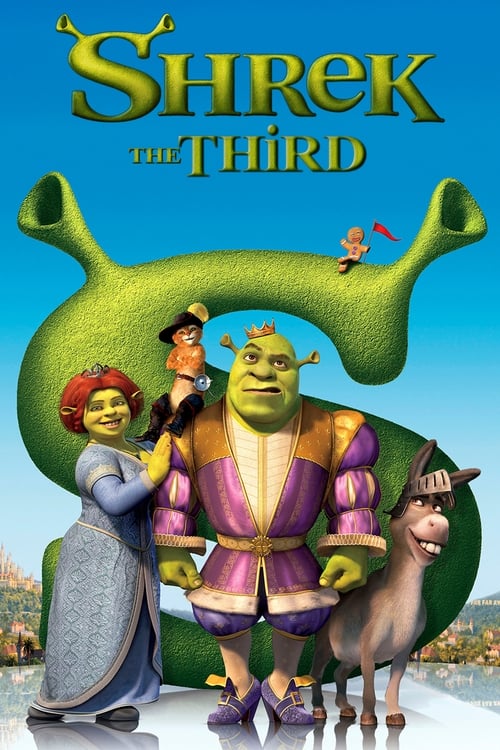
Shrek the Third
2007The King of Far Far Away has died and Shrek and Fiona are to become King & Queen. However, Shrek wants to return to his cozy swamp and live in peace and quiet, so when he finds out there is another heir to the throne, they set off to bring him back to rule the kingdom.
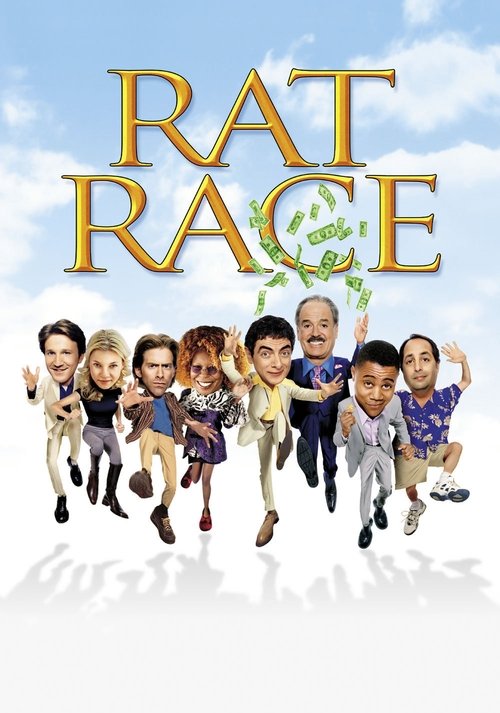
Rat Race
2001In an ensemble film about easy money, greed, manipulation and bad driving, a Las Vegas casino tycoon entertains his wealthiest high rollers -- a group that will bet on anything -- by pitting six ordinary people against each other in a wild dash for $2 million jammed into a locker hundreds of miles away. The tycoon and his wealthy friends monitor each racer's every move to keep track of their favorites. The only rule in this race is that there are no rules.
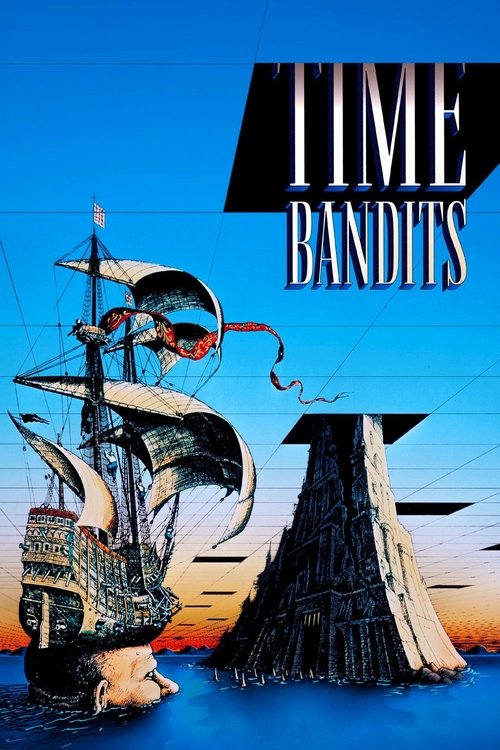
Time Bandits
1981Young history buff Kevin can scarcely believe it when six dwarfs emerge from his closet one night. Former employees of the Supreme Being, they've purloined a map charting all of the holes in the fabric of time and are using it to steal treasures from different historical eras. Taking Kevin with them, they variously drop in on Napoleon, Robin Hood and King Agamemnon before the Supreme Being catches up with them.
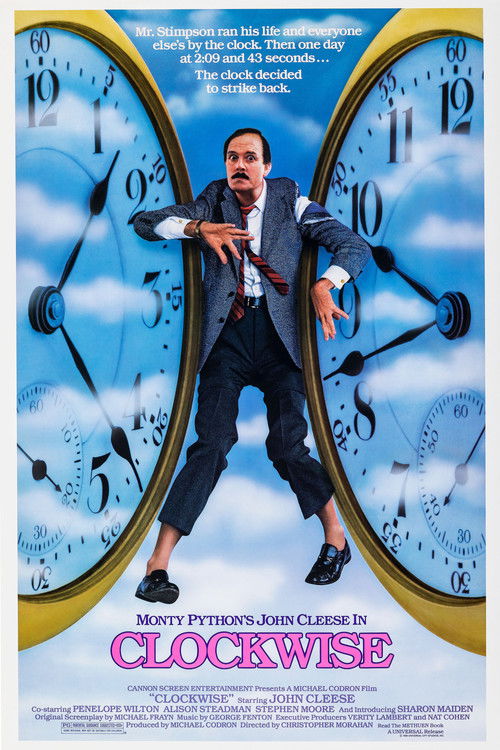
Clockwise
1986School headmaster Brian Stimpson is obsessed with timeliness, order, and discipline. Brian misses his train after meticulously preparing a speech for an education conference. With no one else to turn to, he asks young former student Laura Wisely for a ride. Laura, upset over a break-up, agrees to drive him in her parents' car - which alarms her mother and father, who worry that she has run away with a married man and subsequently alert the police.
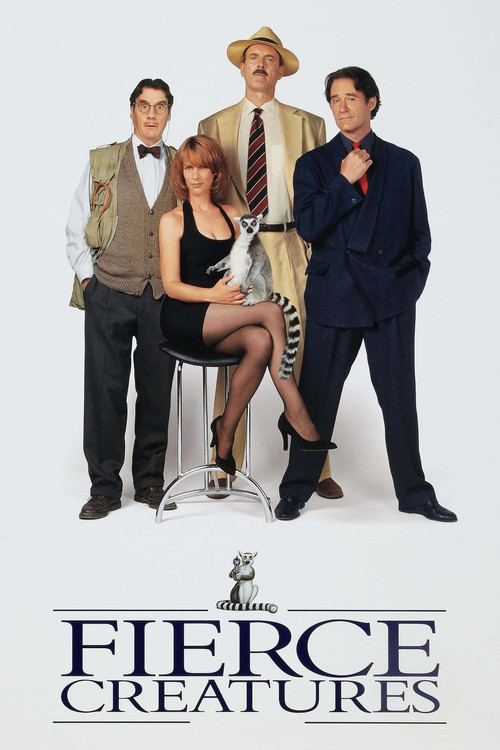
Fierce Creatures
1997Ex-policeman Rollo Lee is sent to run Marwood Zoo, the newly acquired business of a New Zealand tycoon. In order to meet high profit targets and keep the zoo open, Rollo enforces a new 'fierce creatures' policy, whereby only the most impressive and dangerous animals are allowed to remain in the zoo. However, the keepers are less enthusiastic about complying with these demands.
This spiritual successor to his earlier triumphs finds Cleese operating in a more manic, corporate register as he attempts to recapture lightning in a bottle. While it leans heavily into farce, his chemistry with the ensemble remains a vital reminder of his mastery over high-velocity dialogue.
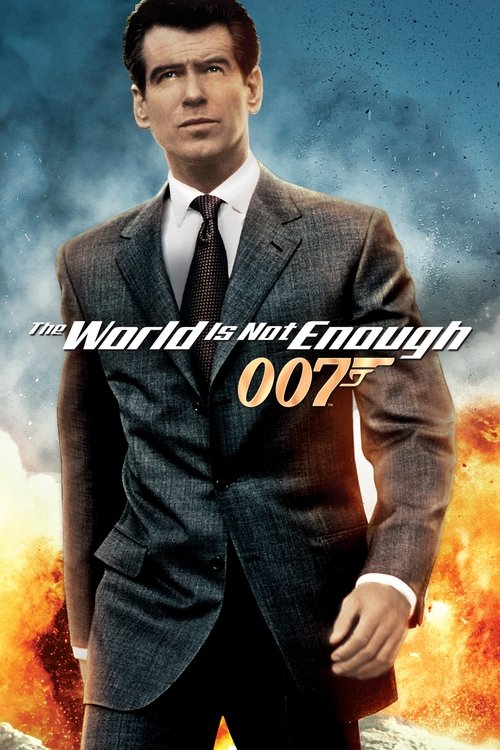
The World Is Not Enough
1999Greed, revenge, world dominance and high-tech terrorism – it's all in a day's work for Bond, who's on a mission to protect a beautiful oil heiress from a notorious terrorist. In a race against time that culminates in a dramatic submarine showdown, Bond works to defuse the international power struggle that has the world's oil supply hanging in the balance.
Taking over the mantle from Desmond Llewelyn, Cleese introduces a clumsy, impatient kineticism to the role of the Bond gadget master. His brief screen time serves as a significant passing of the torch, reinventing the iconic Q character with a neurotic edge.
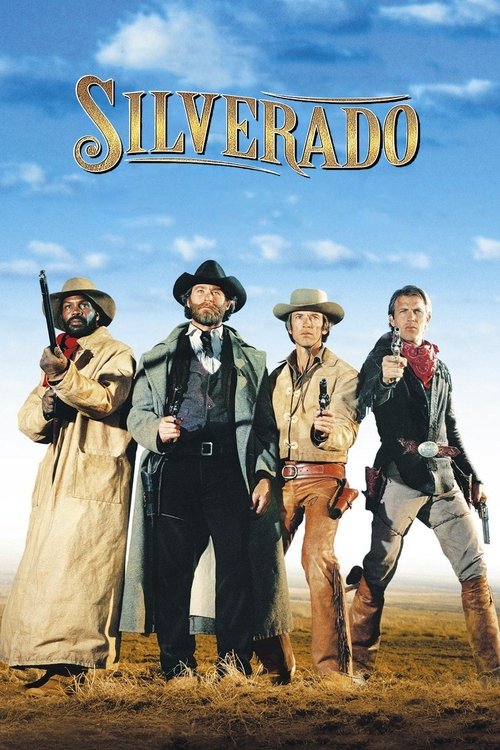
Silverado
1985Four unwitting heroes cross paths on their journey to the sleepy town of Silverado. Little do they know the town where their family and friends reside has been taken over by a corrupt sheriff and a murderous posse. It's up to the sharp-shooting foursome to save the day, but first they have to break each other out of jail, and learn who their real friends are.
By playing a corrupt sheriff in a sprawling western, Cleese broke away from his British sketch comedy roots and proved his versatility in a gritty American genre. His presence provides a jarring but effective layer of bureaucratic menace to the traditional cowboy narrative.
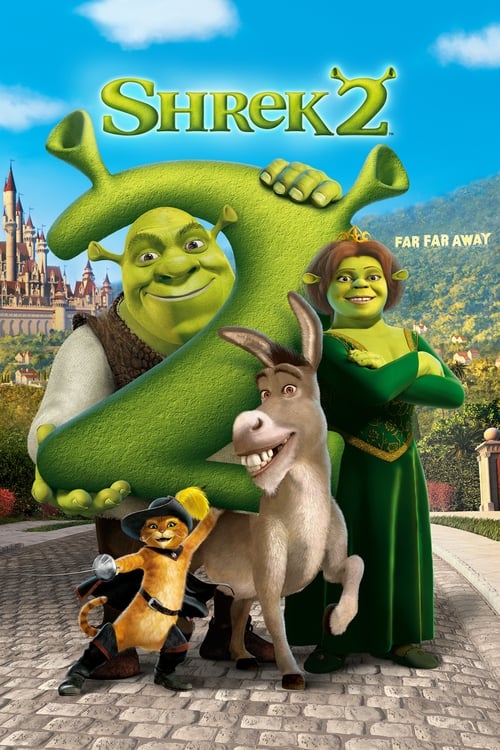
Shrek 2
2004Happily ever after never seemed so far far away when a trip to meet the in-laws turns into a hilariously twisted adventure for Shrek and Fiona. With the help of his faithful Donkey, Shrek takes on a potion-brewing Fairy Godmother, the pompous Prince Charming, and the ogre-killer, Puss In Boots.
Cleese brings an air of exasperated dignity to the King of Far Far Away, perfectly voicing the tension of a father-in-law with a dark secret. He navigates the transition to digital animation with ease, proving that his dry wit and authoritative cadence are just as effective in a booth as they are on camera.
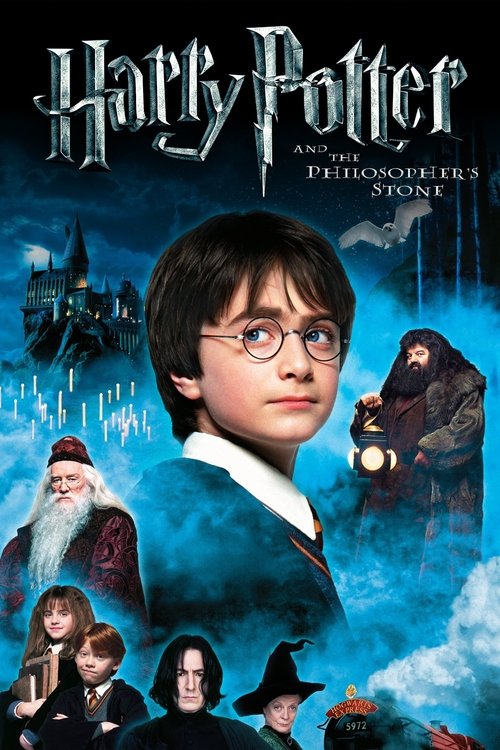
Harry Potter and the Philosopher's Stone
2001Harry Potter has lived under the stairs at his aunt and uncle's house his whole life. But on his 11th birthday, he learns he's a powerful wizard—with a place waiting for him at the Hogwarts School of Witchcraft and Wizardry. As he learns to harness his newfound powers with the help of the school's kindly headmaster, Harry uncovers the truth about his parents' deaths—and about the villain who's to blame.
Casting Cleese as the resident Gryffindor specter was a masterstroke that signaled the production's commitment to prestige comedy. He manages to be both haunting and hilariously pathetic, establishing the magical world's tone through his aristocratic yet translucent presence.
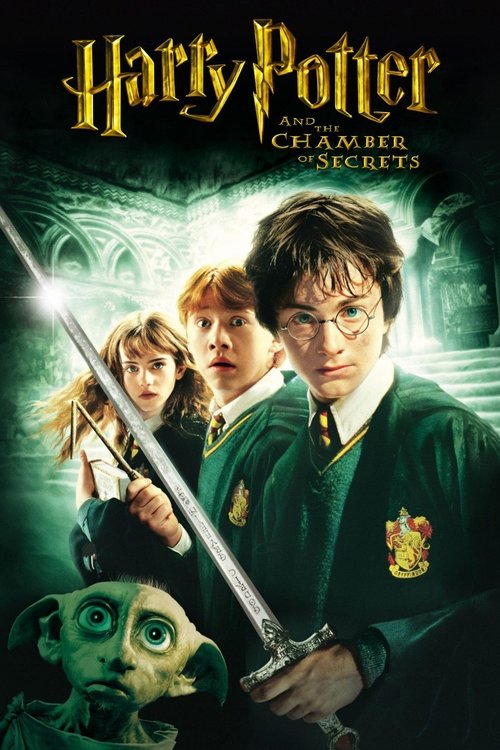
Harry Potter and the Chamber of Secrets
2002Cars fly, trees fight back, and a mysterious house-elf comes to warn Harry Potter at the start of his second year at Hogwarts. Adventure and danger await when bloody writing on a wall announces: The Chamber Of Secrets Has Been Opened. To save Hogwarts will require all of Harry, Ron and Hermione's magical abilities and courage.
Returning as Nearly Headless Nick, Cleese injects a necessary touch of British eccentricism into the franchise's evolving visual landscape. His performance provides a bridge to the whimsical tradition of ghost stories while maintaining the dignity of a fallen nobleman.
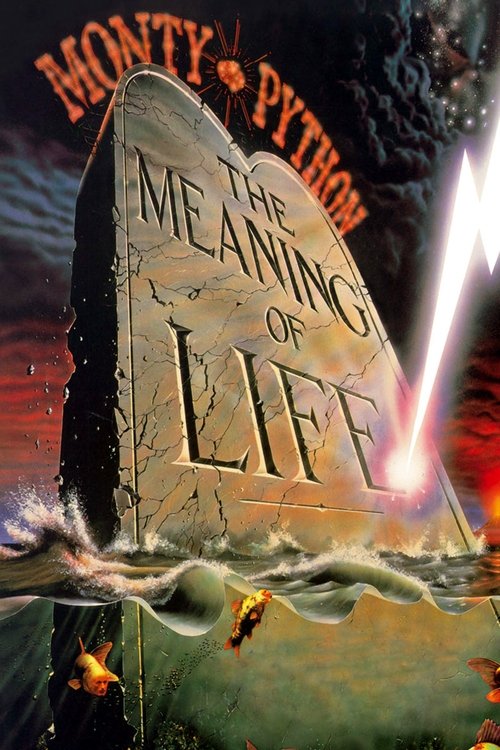
Monty Python's The Meaning of Life
1983Life's questions are 'answered' in a series of outrageous vignettes, beginning with a staid London insurance company which transforms before our eyes into a pirate ship. Then there's the National Health doctors who try to claim a healthy liver from a still-living donor. The world's most voracious glutton brings the art of vomiting to new heights before his spectacular demise.
Whether he is lecturing students on sex with clinical coldness or presiding over the grotesque Mr. Creosote affair, Cleese embodies the film’s cynical, dark heart. This final Python feature utilizes his talent for portraying the terrifyingly mundane authority figures that defined his satirical worldview.
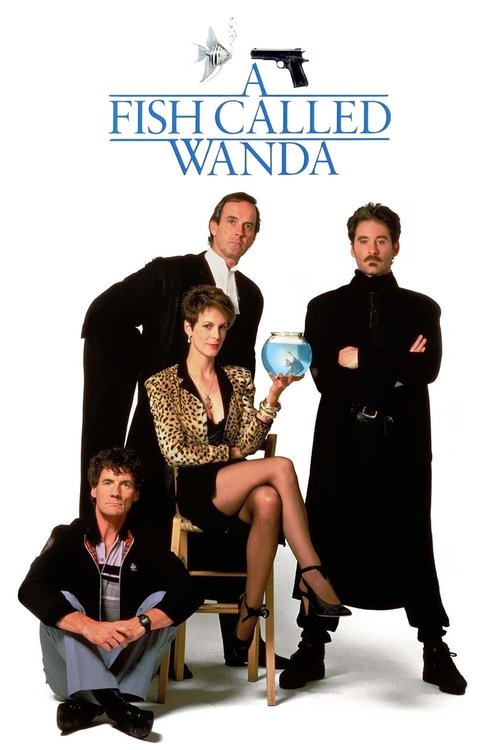
While a diamond advocate attempts to steal a collection of diamonds, troubles arise when he realises he’s not the only one after the collection.
Writing himself the role of a repressed barrister allowed Cleese to pivot toward a more vulnerable, romantic lead without sacrificing his signature frantic energy. The film remains his most successful bridge between the surrealism of his early years and the sophisticated farce of mainstream Hollywood.
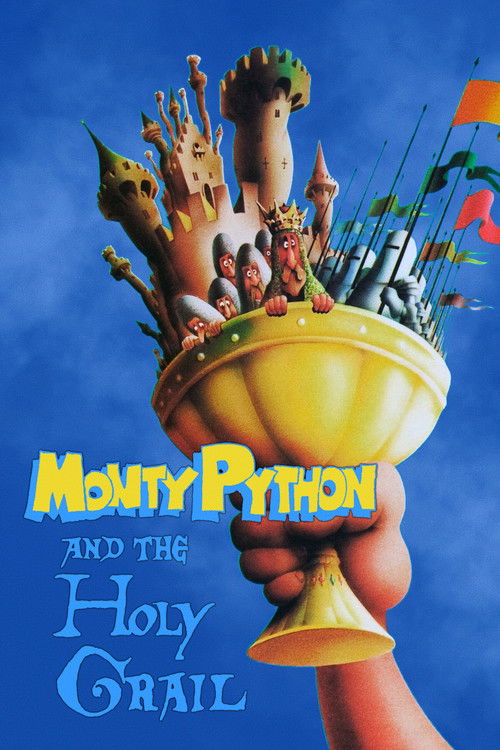
Monty Python and the Holy Grail
1975King Arthur, accompanied by his squire, recruits his Knights of the Round Table, including Sir Bedevere the Wise, Sir Lancelot the Brave, Sir Robin the Not-Quite-So-Brave-As-Sir-Lancelot and Sir Galahad the Pure. On the way, Arthur battles the Black Knight who, despite having had all his limbs chopped off, insists he can still fight. They reach Camelot, but Arthur decides not to enter, as "it is a silly place".
As Sir Lancelot, Cleese transforms aggressive physicality into a comedic art form, particularly during his frantic, homicidal charge toward a wedding feast. It is the definitive showcase for his unique ability to play lethal intensity with a straight face while anchored in total nonsense.
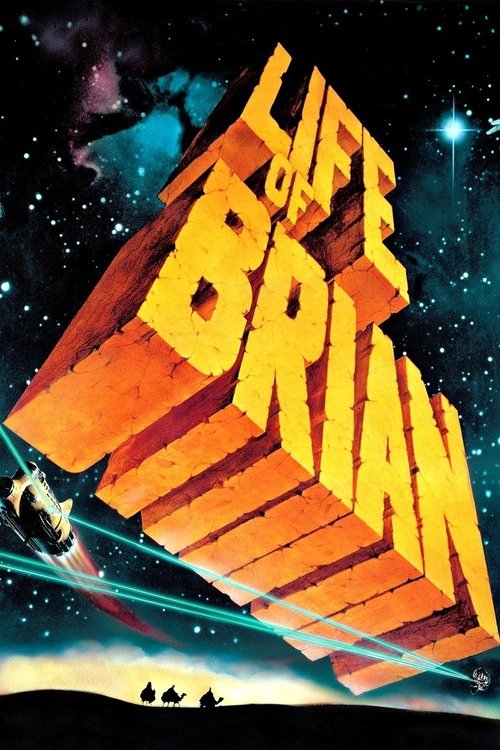
Life of Brian
1979Brian Cohen is an average young Jewish man, but through a series of ridiculous events, he gains a reputation as the Messiah. When he's not dodging his followers or being scolded by his shrill mother, the hapless Brian has to contend with the pompous Pontius Pilate and acronym-obsessed members of a separatist movement. Rife with Monty Python's signature absurdity, the tale finds Brian's life paralleling Biblical lore, albeit with many more laughs.
Cleese reaches a career peak of versatile absurdity here, oscillating between the shrill authoritarianism of Reg and a collection of iconic bit-parts. This film cements his status as the intellectual backbone of the Python troupe, weaponizing his height and vocal precision to lampoon institutional dogma.
Frequently Asked Questions
Everything you need to know about this list and SnakeDrafts
- John Cleese's iconic comedic style particularly shines in films like Monty Python and the Holy Grail and A Fish Called Wanda. These movies highlight his mastery of absurd humor and expertly timed physical comedy, which have become hallmarks of his performances.
- In the Harry Potter films, John Cleese plays the more reserved and authoritative role of Nearly Headless Nick, showcasing his versatility beyond his usual broad comedic characters. This contrasts with his more outrageous and slapstick roles in Monty Python and Shrek movies.
- Yes, John Cleese lends his distinctive voice to animated films like Shrek 2, Shrek the Third, and Shrek Forever After. These family-friendly movies allow Cleese to bring his witty humor to a younger audience through voice acting.
- Common themes in John Cleese's movies include satirical humor, British eccentricity, and the comedic breakdown of social norms. Films such as Monty Python's The Meaning of Life and Clockwise often explore these themes through absurd situations and characters.
- Yes, aside from his comedy work, John Cleese has appeared in adventure and action films like The World Is Not Enough and Silverado. These roles demonstrate his ability to adapt his comedic timing to more dramatic and thrilling contexts.
- Monty Python and the Holy Grail, Life of Brian, and Monty Python's The Meaning of Life are prime examples where John Cleese's contribution as a founding member is evident. These films are celebrated for their groundbreaking sketch comedy and satirical edge.
- In Fierce Creatures and Rat Race, John Cleese showcases his skill at playing quirky, often eccentric characters that provide both physical and verbal comedy. These films leverage his talent for blending sharp wit with slapstick elements in ensemble casts.
- In his later career, John Cleese evolved from on-screen physical comedy to voice acting and more subtle character roles, such as in Shrek and Harry Potter. These performances retain his signature humor while adapting to different genres and audiences.