Jeremy Strong Movies Ranked: The Essential Filmography of a Character Acting Powerhouse
The Immersive Intensity of a Modern Method Master
Explore the best film performances of Jeremy Strong, from Oscar-winning dramas and Sorkin thrillers to his transformation into Roy Cohn.
About Jeremy Strong
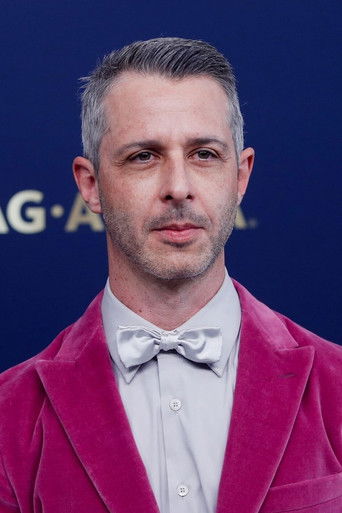
Jeremy Strong does not just inhabit characters; he seems to undergo a cellular reorganization for them. To watch him on screen is to witness a high-wire act of intensity and sincerity that can feel both deeply uncomfortable and utterly riveting. While many performers aim for relatability, he has carved out a niche as the poet laureate of the socially strained and the desperately ambitious. He possesses a rare ability to tap into the specific loneliness of men who are defined by their proximity to power, treating every frame with the gravity of a Shakespearean tragedy even when the material leans into satire.
His ascent to the highest tier of industry respect followed years of being the secret weapon in prestige ensembles. He served as a steady, grounded presence in historical dramas like Selma and Lincoln, demonstrating a quiet precision that made him a favorite of directors seeking authenticity. In Zero Dark Thirty and Detroit, he proved his utility as a foundational player, someone who could pulse with the nervous energy required of high-stakes environments without ever tipping into caricature. But it was his immersion into the world of finance and corruption that began to signal his true range. Whether playing the cynical skeptic in The Big Short or the aggressive legal mind in The Judge, he brought a vibrating, anxious intelligence to the screen that was impossible to ignore.
The cultural obsession with his process often overshadows the profound empathy he brings to his work. We saw this in his heartbreaking turn in Armageddon Time, where he navigated the complexities of fatherhood and class with a tactile, bruised sensitivity. Even when he ventures into more eccentric territory, such as his role as a dryly menacing weed mogul in The Gentlemen or a frantic fixer in Parkland, there is an underlying sense of truth that keeps the performance from feeling like a stunt. Audiences connect with him because he refuses to wink at the camera or judge the people he plays, no matter how flawed they are. He treats a neurotic assistant in Molly's Game or a revolutionary in The Trial of the Chicago 7 with the same rigorous commitment, finding the humanity in their specific brand of obsession.
Recently, his portrayal of Roy Cohn in The Apprentice showcased his mastery of the transformative arc, capturing a chilling brand of influence that felt both modern and ancient. He has become a symbol of a certain kind of artistic devotion, a man who views acting not as a profession but as a vocation. While some might find his dedication extreme, the results are undeniable. From the whimsical charm of Robot & Frank to the brutal honesty of his most modern work, he remains an actor who demands our full attention. He is the rare performer who reminds us that even within the highest halls of influence and the darkest corridors of history, there is always a human heart, however damaged, beating underneath the suit.
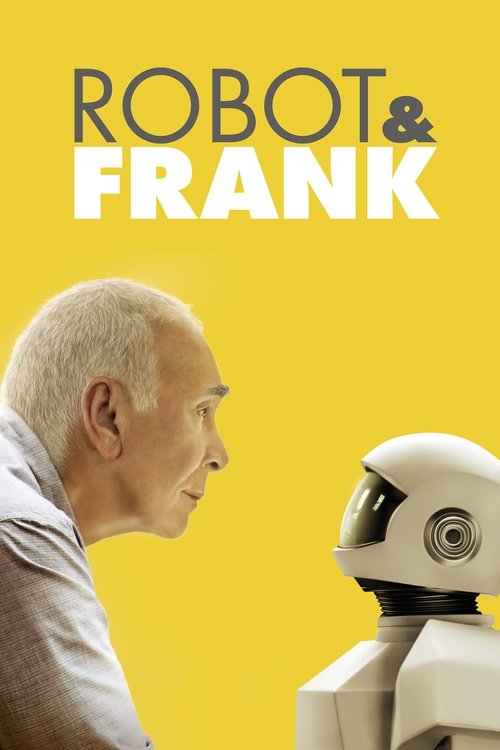
Robot & Frank
2012Curmudgeonly old Frank lives by himself. His routine involves daily visits to his local library, where he has a twinkle in his eye for the librarian. His grown children are concerned about their father’s well-being and buy him a caretaker robot. Initially resistant to the idea, Frank soon appreciates the benefits of robotic support – like nutritious meals and a clean house – and eventually begins to treat his robot like a true companion. With his robot’s assistance, Frank’s passion for his old, unlawful profession is reignited, for better or worse.
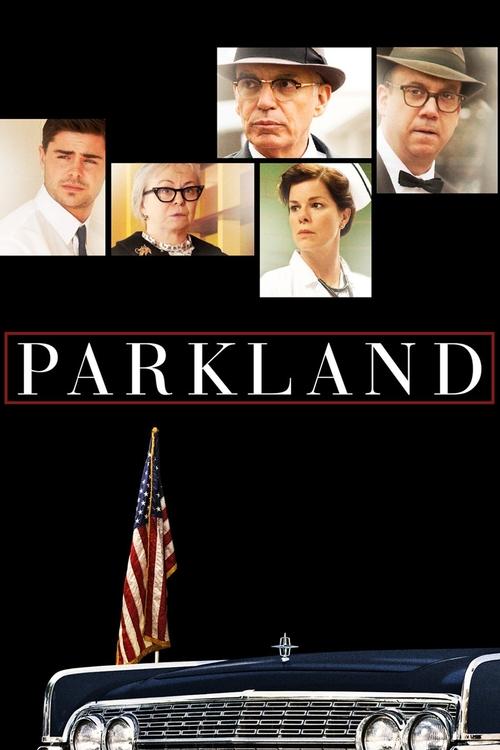
Parkland
2013November 22nd, 1963 was a day that changed the world forever — when young American President John F. Kennedy was assassinated in Dallas, Texas. This film follows, almost in real time, a handful of individuals forced to make split-second decisions after an event that would change their lives and forever alter the world’s landscape.
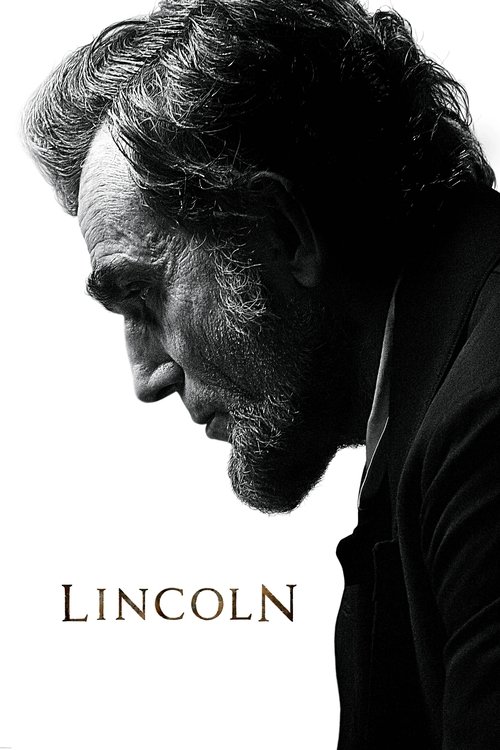
Lincoln
2012The revealing story of the 16th US President's tumultuous final months in office. In a nation divided by war and the strong winds of change, Lincoln pursues a course of action designed to end the war, unite the country and abolish slavery. With the moral courage and fierce determination to succeed, his choices during this critical moment will change the fate of generations to come.
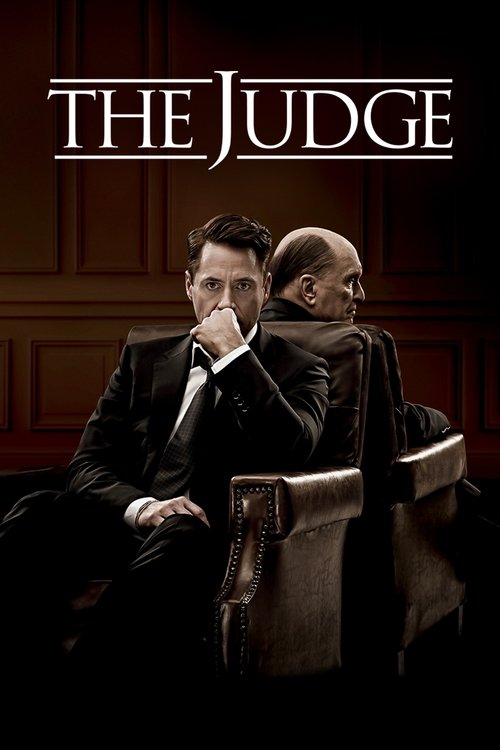
The Judge
2014A successful lawyer returns to his hometown for his mother's funeral only to discover that his estranged father, the town's judge, is suspected of murder.
Strong’s empathetic portrayal of a neurodivergent family member showcases a softer, more protective side of his acting toolkit. While the film leans into conventional sentiment, his specific choices provide a grounded heart that keeps the family dynamics feeling authentic.

Zero Dark Thirty
2012A chronicle of the decade-long hunt for al-Qaeda terrorist leader Osama bin Laden after the September 2001 attacks, and his death at the hands of the Navy S.E.A.L. Team 6 in May, 2011.
In this high-stakes procedural, Strong disappears into the shadowy world of intelligence as a data-driven analyst. His presence adds to the film’s atmosphere of clinical obsession, marking an important early step into the gritty, prestigious dramas that would define his trajectory.

Armageddon Time
2022In 1980, Queens, New York, a young Jewish boy befriends a rebellious African-American classmate to the disapproval of his privileged family and begins to reckon with growing up in a world of inequality and prejudice.
As a working-class father with a volatile temper, Strong navigates the complexities of 1980s masculinity through a deeply personal lens. The performance is a departure from his usual polished personas, revealing a raw, domestic vulnerability that feels painfully lived-in.
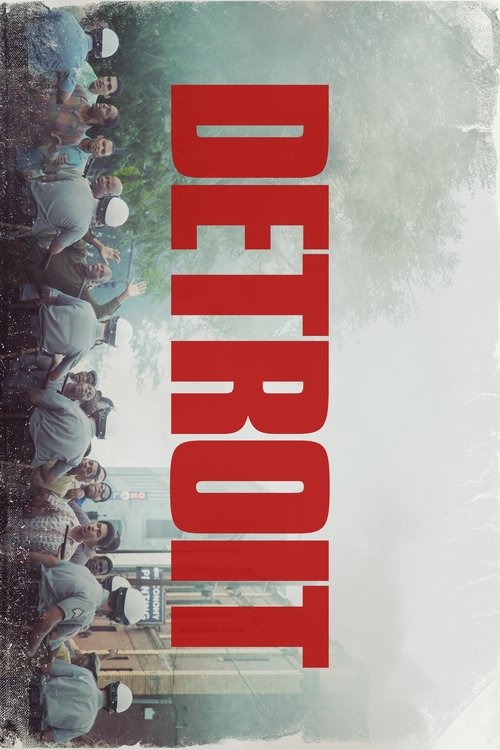
Detroit
2017A police raid in Detroit in 1967 results in one of the largest citizens' uprisings in the history of the United States.
Tasked with portraying institutional coldness, Strong’s brief appearance adds a layer of bureaucratic menace to the film's visceral tension. He excels at disappearing into the uncomfortable reality of the period, serving the grim requirements of the story with unflinching realism.
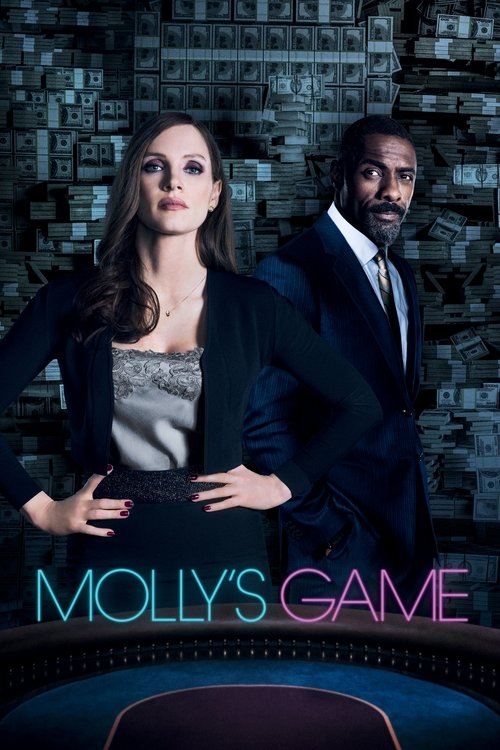
Molly's Game
2017Molly Bloom, a young skier and former Olympic hopeful becomes a successful entrepreneur (and a target of an FBI investigation) when she establishes a high-stakes, international poker game.
Strong inhabits the role of an obnoxious, entitlement-driven prick with such venomous authenticity that he becomes the perfect foil for the film's sharp-tongued protagonist. This role solidified his reputation as an actor who could weaponize intellectual arrogance for dramatic friction.
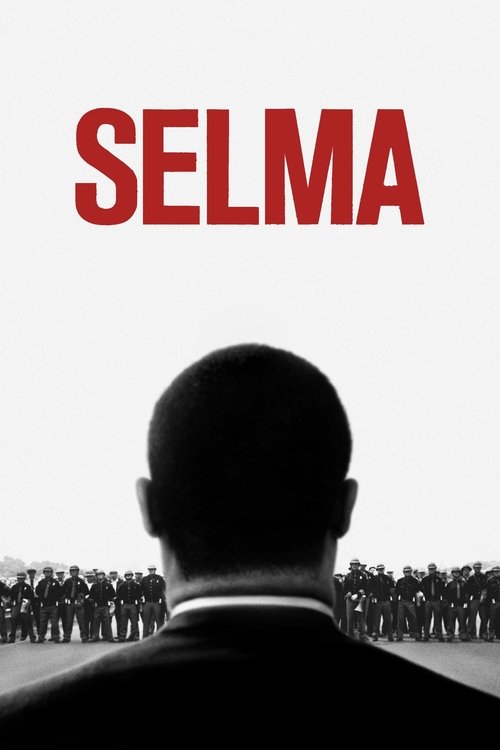
Selma
2014"Selma," as in Alabama, the place where segregation in the South was at its worst, leading to a march that ended in violence, forcing a famous statement by President Lyndon B. Johnson that ultimately led to the signing of the Voting Rights Act.
In the role of James Reeb, Strong provides the film with a quiet, devastating sincerity that anchors the narrative's moral stakes. This restrained performance underscored his early knack for making a profound impact within a historical tapestry using minimal screen time.
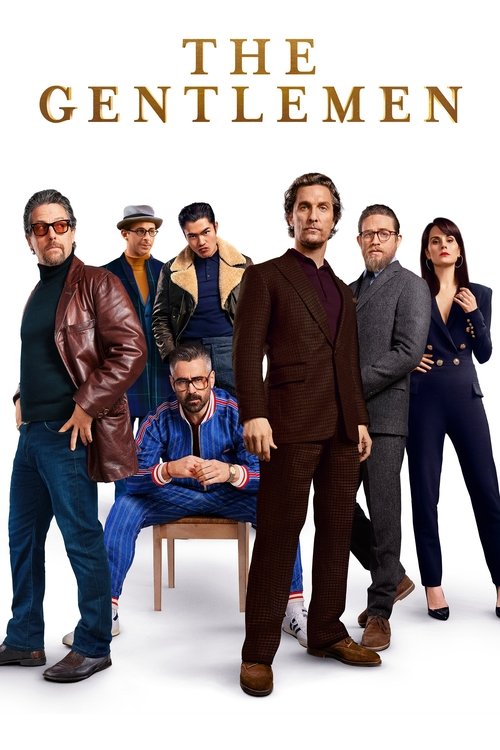
The Gentlemen
2020American expat Mickey Pearson has built a highly profitable marijuana empire in London. When word gets out that he’s looking to cash out of the business forever it triggers plots, schemes, bribery and blackmail in an attempt to steal his domain out from under him.
Playing a flamboyant cannabis kingpin, Strong leans into a stylized, camp energy that contrasts sharply with his more naturalistic work. It is a rare, playful detour that highlights his willingness to embrace eccentricity and elevated genre tropes.
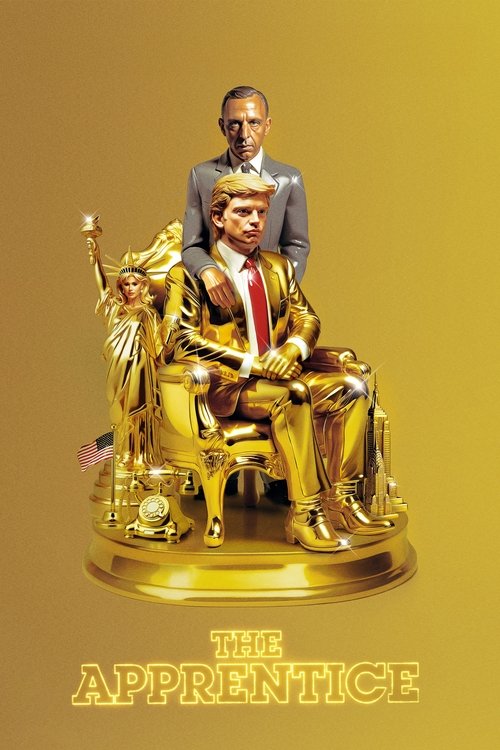
The Apprentice
2024A young Donald Trump, eager to make his name as a hungry scion of a wealthy family in 1970s New York, comes under the spell of Roy Cohn, the cutthroat attorney who would help create the Donald Trump we know today. Cohn sees in Trump the perfect protégé—someone with raw ambition, a hunger for success, and a willingness to do whatever it takes to win.
Strong’s portrayal of Roy Cohn is a chilling exercise in stillness and predatory gaze, mapping the DNA of modern political ruthlessness. It represents the pinnacle of his ability to inhabit detestable figures with a haunting, microscopic precision.
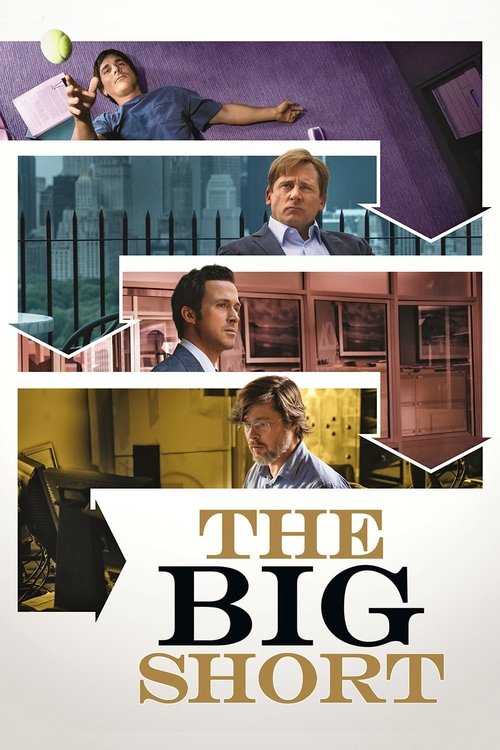
The Big Short
2015The men who made millions from a global economic meltdown.
As the cynical Vinny Daniel, Strong functions as the high-strung moral compass in a world of financial collapse. His rapid-fire delivery and frantic skepticism capture the precise moment he became a premier character actor capable of commanding elite ensembles.
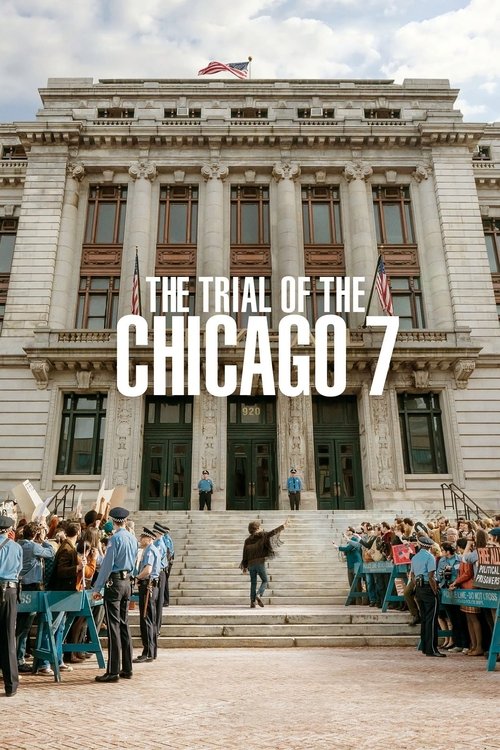
The Trial of the Chicago 7
2020What was supposed to be a peaceful protest turned into a violent clash with the police. What followed was one of the most notorious trials in history.
Strong sheds his signature intensity for a hazy, comedic brilliance as Jerry Rubin, proving his range extends far beyond the boardroom. This transformative turn serves as a masterclass in physical characterization, grounding the counterculture movement with unexpected soul and wit.
Frequently Asked Questions
Everything you need to know about this list and SnakeDrafts
- Jeremy Strong delivers a powerhouse performance in 'The Trial of the Chicago 7,' directed by Aaron Sorkin. This historical drama highlights his ability to embody complex characters involved in social and political upheavals.
- In 'The Big Short,' Jeremy Strong masterfully blends drama with comedic elements, portraying the financial collapse with sharp intensity yet a touch of satire. This film showcases his versatility in balancing serious themes with humor.
- Jeremy Strong has portrayed key historical figures and themes in films like 'Selma,' 'Lincoln,' and 'The Apprentice.' These roles highlight his skill in bringing authenticity and depth to characters rooted in significant historical events.
- Strong has collaborated with directors like Kathryn Bigelow in 'Zero Dark Thirty' and 'Detroit,' both political thrillers that emphasize his knack for intense, socially charged roles. These films underscore his commitment to narratives with real-world gravitas.
- 'Molly's Game' allows Jeremy Strong to portray a character caught in high-stakes crime and drama, directed by Aaron Sorkin. His portrayal reflects his trademark intensity and nuanced understanding of complex, ambitious personas.
- 'The Apprentice' features Jeremy Strong's transformative portrayal of Roy Cohn, showcasing his ability to undergo deep character metamorphosis and embody the darker facets of ambition and power.
- In 'The Gentlemen,' Jeremy Strong enhances the dynamic ensemble with his distinctive intensity and character depth, proving his capacity to stand out even amid star-studded casts in fast-paced crime comedies.
- Jeremy Strong consistently selects roles that explore societal and political tensions, as seen in films like 'The Trial of the Chicago 7,' 'Selma,' and 'Detroit.' His performances bring a profound emotional sincerity to characters navigating complex social landscapes.