The Top Movies Featuring Liza Minnelli
The Iconic Performances of a Screen and Stage Legend
Discover the essential films of Liza Minnelli, from her Oscar-winning role in Cabaret to beloved classics like Arthur and New York, New York.
About Liza Minnelli
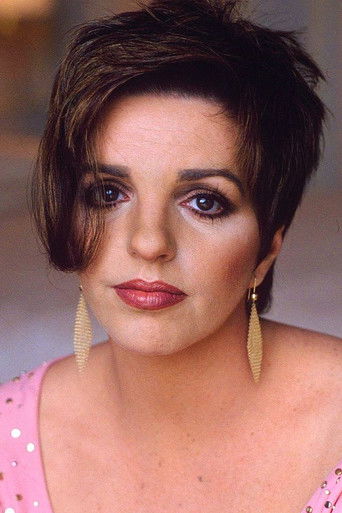
In the pantheon of show business, few figures bridge the gap between old-school studio magic and modern vulnerability as effortlessly as Liza Minnelli. To watch her on screen is to witness a high-wire act where the stakes are always life and death. She carries an electric, tremor-prone energy that suggests she might shatter at any moment, yet she always survives the final curtain. This paradox of fragility and ferocity is exactly why she remains one of the few performers to achieve the EGOT quartet of awards. She does not just act a part; she occupies it with a wide-eyed, breathless intensity that makes the audience want to jump into the frame and protect her.
Her definitive triumph arrived with Cabaret, where she reimagined Sally Bowles as a tragic neon light flickering against the encroaching darkness of Weimar Germany. In that film, she weaponized her theatricality, turning the title track into a defiant scream against fate rather than a mere showtune. It was a role that solidified her silhouette in the cultural consciousness: the bobbed hair, the oversized lashes, and that unmistakable voice that holds a slight, soulful vibrato. While many would have rested on that Oscar win, she spent the following decade proving her versatility. She brought a gritty, unconventional beauty to The Sterile Cuckoo and Junie Moon, playing outsiders who were as awkward as they were endearing.
Her comedic timing often goes underappreciated, yet it is as sharp as any stand-up pro. In Arthur, she served as the grounded heart of a whimsical Manhattan fairy tale, matching Dudley Moore beat for beat with a blue-collar charm. She pivotally navigated the cynical, celebrity-obsessed landscape of The King of Comedy and leaned into the campy, self-aware fun of Jackie's Back! nearby the end of the millennium. Even in the sprawling, jazz-soaked mood of New York, New York, she managed to hold her own against Robert De Niro, delivering a performance that felt like a bridge between the classic MGM musicals of her lineage and the raw realism of the seventies.
Beyond the big screen, her presence in the televised concert special Liza with a Z showcased a performer who could command a stage through sheer willpower and Bob Fosse choreography. Whether she was tapped into the upbeat resilience of Stepping Out or the frantic energy of Silent Movie, her appeal remained rooted in a deep sense of empathy. Audiences connect with her because she feels like a person who loves the spotlight not for the fame, but for the connection it offers. She represents the idea that even if you are a little bit broken, you can still be spectacular. Her legacy is one of survival, a glittering testament to the fact that the show must always go on, provided you have enough heart to carry it.
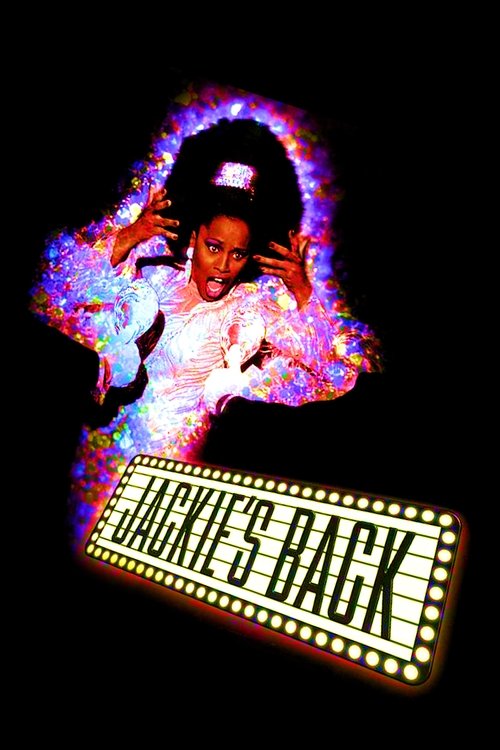
Jackie's Back!
1999A British documentarian profiles washed-up diva Jackie Washington as she prepares for her comeback concert.
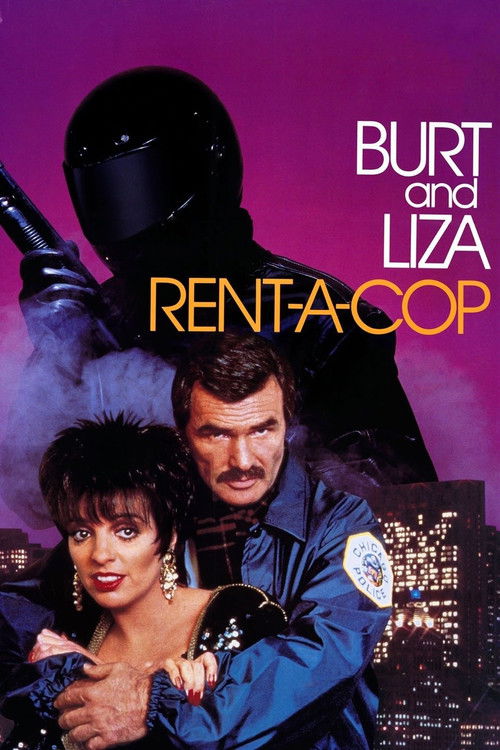
Rent-a-Cop
1987Detective Tony Church is forced to retire and become a store rent-a-cop when his drug sting operation comes to a tragic end by a masked killer. He joins forces with a prostitute, the only one able to identify the killer, to bring him to justice.
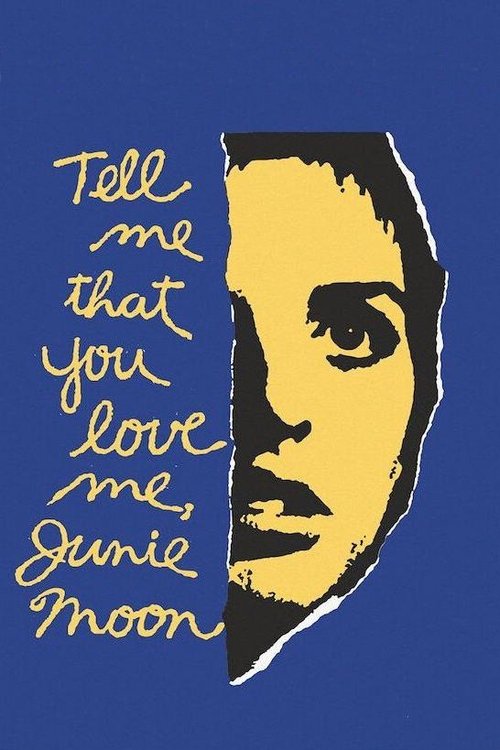
Tell Me That You Love Me, Junie Moon
1970The story of three wildly neurotic characters: a facially disfigured girl, a homosexual paraplegic, and an introvert epileptic who, after leaving the hospital, set up housekeeping together in a cottage where they support each other.
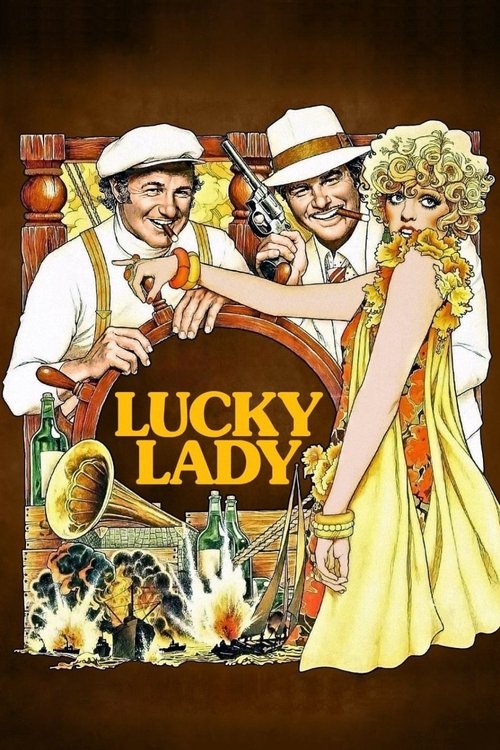
Lucky Lady
1975When an American booze smuggler gets murdered in Prohibition-era Mexico, his widow, a nightclub singer, joins forces with her lover and a desperate loner to become rum-runners to the U.S.
Despite the film’s chaotic production, Minnelli’s spirited turn as a Prohibition-era smuggler offers a rare glimpse of her tackling the big-budget adventure genre. She maintains her magnetism amidst the spectacle, proving her star power could survive even the most tonal of misfires.
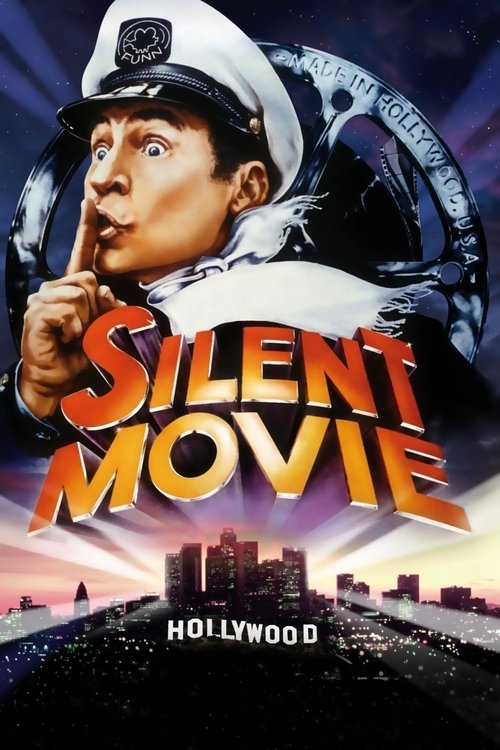
Silent Movie
1976Aspiring filmmakers Mel Funn, Marty Eggs and Dom Bell go to a financially troubled studio with an idea for a silent movie. In an effort to make the movie more marketable, they attempt to recruit a number of big name stars to appear, while the studio's creditors attempt to thwart them.
By gamely participating in Mel Brooks’s wordless slapstick, Minnelli demonstrated a gift for physical comedy that required no dialogue to land. Her exuberant energy fits perfectly within the silent film aesthetic, highlighting her roots in the Vaudeville tradition.
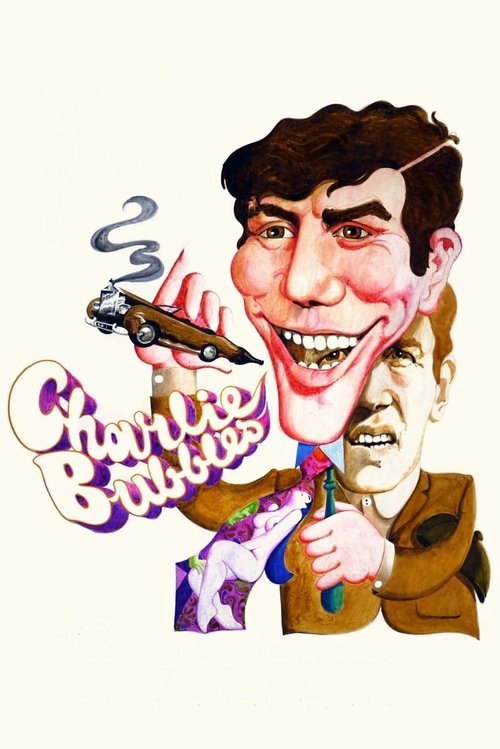
Charlie Bubbles
1968Charlie Bubbles, a writer, up from the working class of Manchester, England, who, in the course of becoming prematurely rich and famous, has mislaid a writer's basic tool – the capacity to feel and to respond. Now he must visit his estranged wife and son, whom he has set up on a farm outside his native city. His journey accidentally becomes an attempt to reestablish his connections with life, people, and his own history.
In her film debut, Minnelli provides a burst of American spontaneity that punctures the dry, surreal atmosphere of Albert Finney’s British drama. This role introduced her wide-eyed, expressive facial acting to the world, signaling the arrival of a major new cinematic talent.
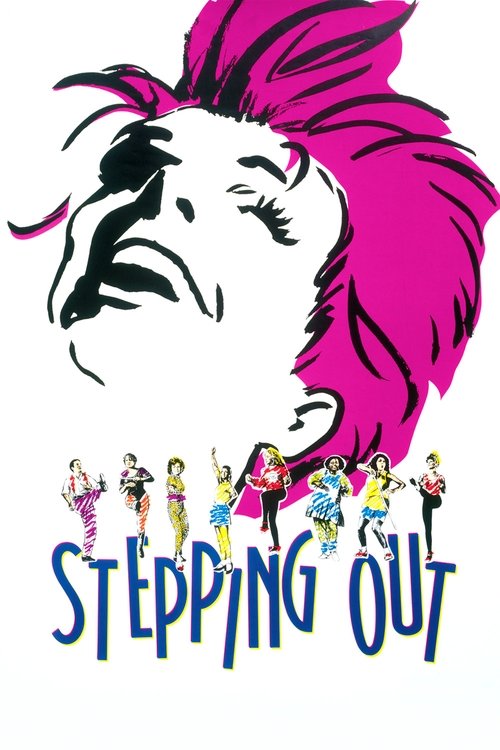
Stepping Out
1991A has-been Broadway performer gives tap lessons to a group of misfits who, through their dance classes, bond and realize what they can achieve.
Channelling a gentle, maternal warmth, Minnelli anchors this ensemble piece with a restrained charm that contrasts her usual high-octane theatricality. It is a late-career testament to her versatility, showing she could lead a quiet, character-driven narrative with grace and sincerity.
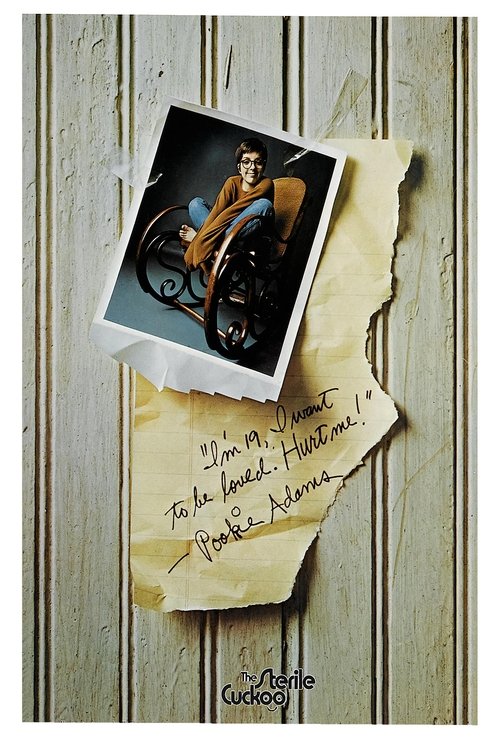
The Sterile Cuckoo
1969Uptight college freshman Jerry Payne finds a carefree friend in zany Pookie. After an awkward meeting on the bus, Pookie quickly works her way into Jerry's life. She makes an unannounced visit to Jerry's campus, and before long annoyance turns to affection, and friendship turns to romance. But with Pookie's increasingly neurotic behavior, how long can this love affair last?
As the eccentric Pookie Adams, Minnelli earned her first Oscar nomination by weaponizing a frantic, fragile insecurity that remains deeply moving. This performance established her signature screen identity as the lovable misfit, long before the artifice of superstardom took hold.
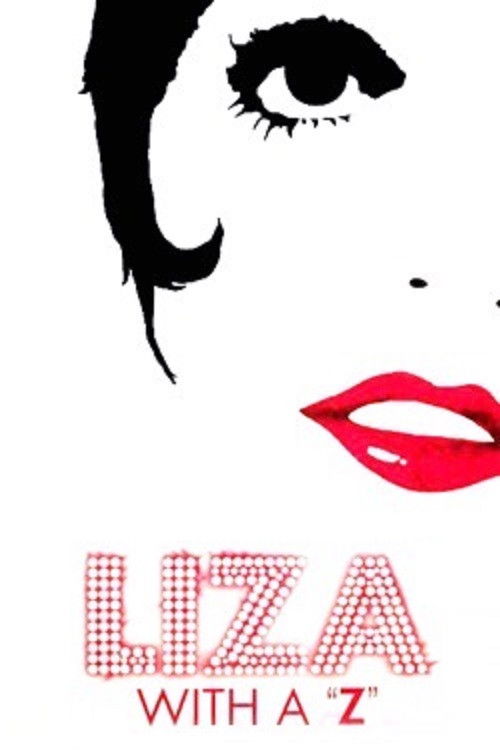
Liza with a Z
1972Liza Minnelli stars in a television concert directed and choreographed by Bob Fosse. She performs her songs such as the title number and a medley of songs from the film Cabaret (1972).
This concert film captures Minnelli at the absolute zenith of her kinetic energy, stripping away the fourth wall to reveal the sheer athleticism of her craft. It remains the most vital document of her stage command, proving that her personality alone could fill a frame more effectively than any cinematic set piece.
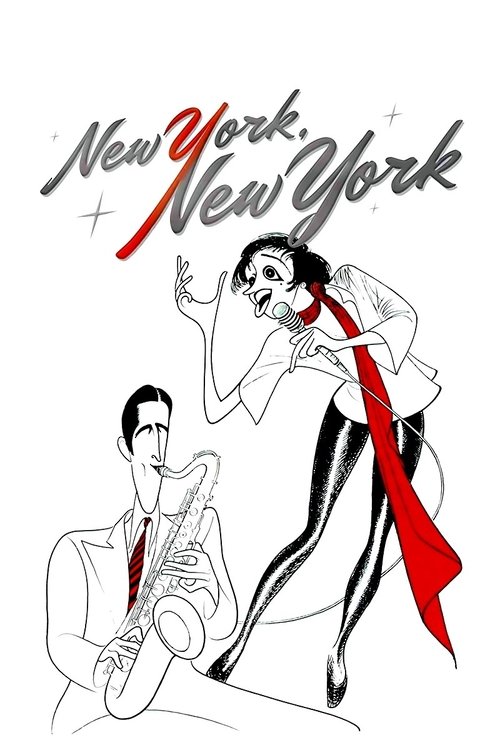
New York, New York
1977An egotistical saxophone player and a young singer meet on V-J Day and embark upon a strained and rocky romance, even as their careers begin a long uphill climb.
Under Martin Scorsese’s gritty direction, Minnelli deconstructs the traditional musical heroine by imbuing Francine Evans with a bruised, soulful realism. The film stands as a bold, if divisive, experiment that allowed her to bridge the gap between classic Hollywood artifice and the Method-driven intensity of the 1970s.
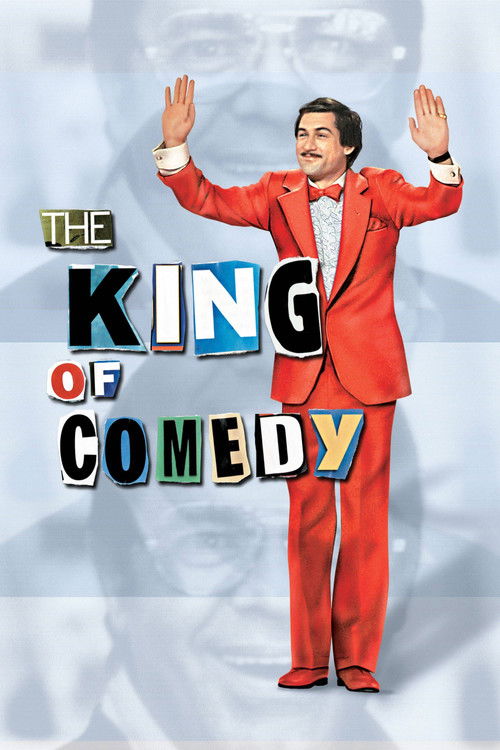
Aspiring comic Rupert Pupkin attempts to achieve success in show business by stalking his idol, a late night talk-show host who craves his own privacy.
In this brief but unsettling cameo as herself, Minnelli serves as the ultimate symbol of the untouchable celebrity machinery that Robert De Niro’s Rupert Pupkin craves. Her presence provides the necessary tether to reality in Scorsese’s hall of mirrors, illustrating her unique status as a living pop-culture icon.
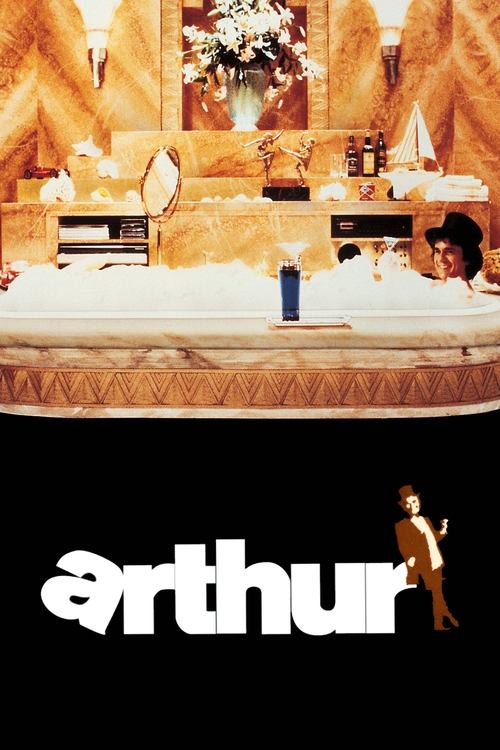
Arthur
1981Arthur is a 30-year-old child who will inherit $750 million if he complies with his family's demands and marries the woman of their choosing.
Playing the sharp-edged foil to Dudley Moore’s drunken heir, Minnelli brings a grounded, blue-collar wit that prevents the film from drifting into mere whimsy. This role proved her ability to command a romantic comedy without the crutch of musical numbers, showcasing her impeccable timing as a comedic straight-woman.
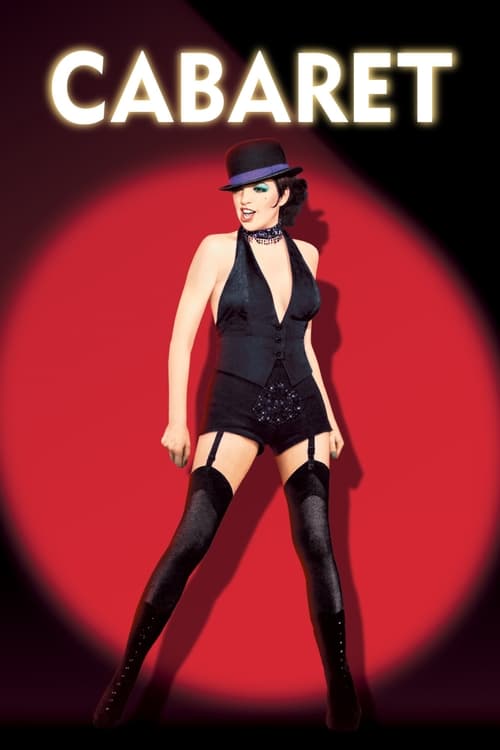
Cabaret
1972Inside the Kit Kat Club of 1931 Berlin, starry-eyed singer Sally Bowles and an impish emcee sound the clarion call to decadent fun, while outside a certain political party grows into a brutal force.
Minnelli’s Sally Bowles is a volcanic explosion of desperate glamour and raw nerves, a performance that codified her persona as the definitive waif-diva of the screen. By internalizing the decay of Weimar Germany through jazz hands and shattered optimism, she secured her status as an EGOT-caliber powerhouse.
Frequently Asked Questions
Everything you need to know about this list and SnakeDrafts
- Liza Minnelli won an Academy Award for her iconic role in "Cabaret" (1972). Her performance stands out due to her electric energy and the emotional depth she brings to the character, blending vulnerability with fierce showmanship in Bob Fosse's musical drama.
- In "Arthur" (1981), Minnelli plays a charming and witty socialite in a romantic comedy setting, which contrasts with the darker, more intense role she portrayed in "Cabaret." This showcases her versatility in balancing humor with emotional warmth.
- Minnelli worked with Martin Scorsese in both "New York, New York" (1977) and "The King of Comedy" (1982). These films highlight her ability to navigate complex characters within dramatic narratives infused with music and humor, demonstrating her dynamic range as an actress.
- "Liza with a Z" (1972) is a landmark TV musical directed by Bob Fosse that captured Minnelli's energetic stage presence and vocal talent. The special contributed to her reputation as a dynamic live performer and remains a celebrated part of her body of work.
- Minnelli's filmography spans multiple genres, including musical drama ("Cabaret"), romantic comedy ("Arthur"), and crime comedy ("Lucky Lady"). This diversity demonstrates her adaptability and broad appeal across different audiences.
- "The King of Comedy" (1982) and "Stepping Out" (1991) effectively showcase Minnelli's blend of comedic timing and dramatic depth, allowing her to create layered, memorable characters that resonate with viewers on multiple levels.
- "The Sterile Cuckoo" (1969) marked an important early role for Minnelli, highlighting her ability to portray complex emotional states in a coming-of-age story. This performance laid the groundwork for her future engaging and emotionally nuanced roles.
- In Mel Brooks’ "Silent Movie" (1976), Minnelli plays herself in a rare comedic cameo that showcases her willingness to embrace humor and self-parody, adding a lighthearted dimension to her diverse career.