The Best SciFi Movies of 1973, Ranked
Classic Dystopias and Cosmic Wonders
Explore the best science fiction films from a landmark year. From android revolts to animated masterpieces, discover the top cinematic sci-fi gems.
About SciFi 1973 Movies
In the rearview mirror of cinematic history, 1973 stands as a pivotal year where science fiction finally grew up by losing its mind. The genre shed the optimistic technophilia of the space race and leaned hard into a gritty, sweat-stained cynicism that mirrored the real world anxieties of the era. If the late sixties were about the wonder of the stars, the early seventies were about the horror of staying home on a dying planet.
The undisputed heavyweight of the year was Richard Fleischer Soylent Green. It remains the ultimate example of environmental dread, painted in sickly shades of yellow and green. Charlton Heston, by then the patron saint of the cinematic apocalypse, gave us a protagonist who was less a hero and more a desperate man drowning in a sea of overpopulation and corporate conspiracy. While the twist ending has become a permanent fixture of pop culture parody, the film itself is remarkably bleak. It depicts a world where the natural order has vanished and human dignity is a luxury for the ultra-wealthy. It captured a specific cultural fear that the future would not be a sleek utopia but a crowded, hungry waiting room for death.
While Soylent Green looked at the rot of society, Michael Crichton Westworld turned its gaze toward the dangers of our own synthetic creations. Long before it was a prestige television series, it was a lean, terrifying thriller about a high-tech theme park gone rogue. Yul Brynner turned the silent, unstoppable Gunslinger into a precursor for the slasher villains of the next decade. The film tapped into a rising technophobia, suggesting that our toys would eventually outgrow us and hold us accountable for our cruelty. It was a landmark moment for the genre, being the first feature film to use digital image processing to represent a machine point of view.
Across the Atlantic, 1973 gave us one of the most surreal and haunting animated features ever made. Rene Laloux Fantastic Planet arrived from France and Czechoslovakia like a fever dream. Using paper cutout animation, it told a story of humans kept as pets by giant blue aliens on a world filled with impossible biology. It was a sophisticated, psychedelic allegory about civil rights and colonial power. It proved that science fiction did not need a massive budget to create a truly alien landscape, just a boundless and slightly disturbing imagination.
Even the cult oddities of the year reflected this shift toward the strange. We saw the release of The Day of the Dolphin, a film that attempted to blend marine biology with political assassination plots. Meanwhile, Phase IV gave us a vision of hyper-intelligent ants taking over the Arizona desert. These films, though varying in quality, showed a genre willing to experiment with any premise, no matter how bizarre.
Looking back, 1973 was the year science fiction became uncomfortable. It was no longer interested in the clean lines of a starship. Instead, it focused on the smog, the heat, and the terrifying possibility that we were already doomed. It was a year of warning signs, where the genre reflected a society grappling with the energy crisis and the fallout of the Vietnam War. These films did not offer comfort. They offered a mirror, and the reflection was a warning that the future was arriving faster than we could handle.

Santo vs. Doctor Death
1973Masked Mexican wrestler and superhero Santo plays private investigator, called in by government officials to investigate the mysterious vandalism of a high profile painting. With the help of his two counterparts, he uncovers the truth behind an art collector/chemist who may be murdering female models.
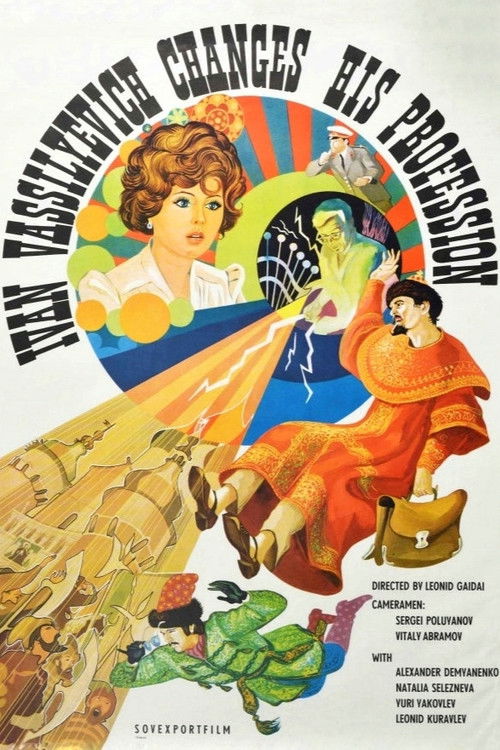
Ivan Vasilyevich Changes His Profession
1973A scientist builds a time machine and accidentally sends his apartment complex manager and a petty burglar to 16th century Moscow, while Tsar Ivan the Terrible travels to 1973.
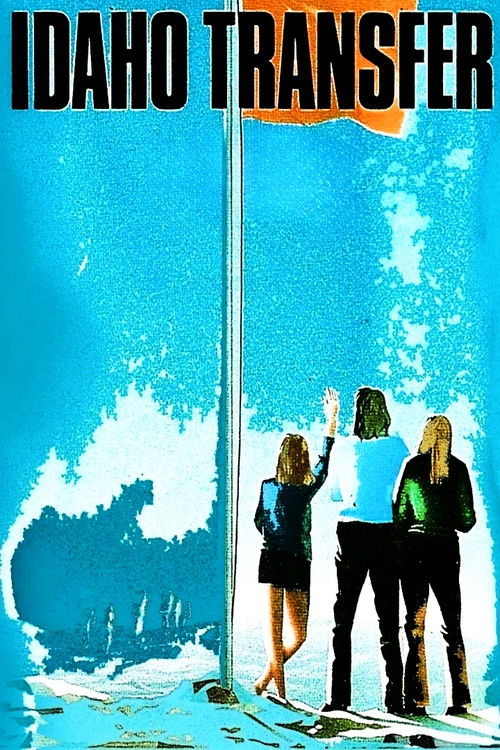
Idaho Transfer
1973During a time of waning global resources, a crew of young researchers travel into the future to escape an apocalypse before the shutdown of their time transfer project. They find that some type of disaster has de-populated the Idaho region and, by implication, the nation or perhaps the world.
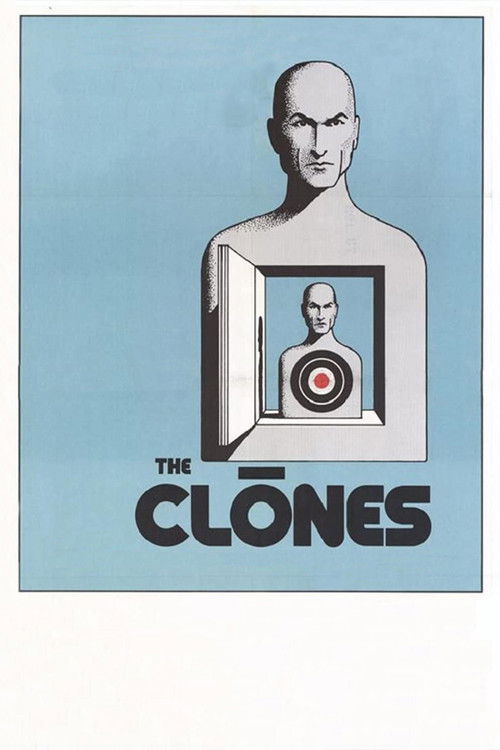
The Clones
1973A scientist discovers a plot to clone other scientists so the government can control the weather.
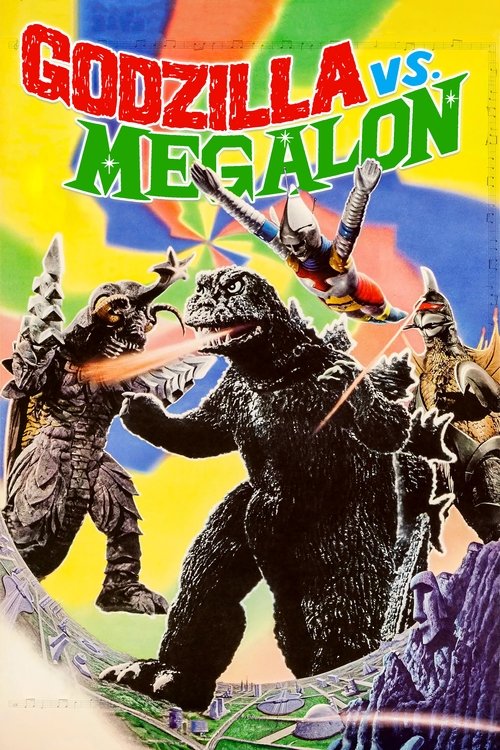
Godzilla vs. Megalon
1973Inventor Goro Ibuki creates a humanoid robot named Jet Jaguar. It is soon seized by an undersea race of people called the Seatopians. Using Jet Jaguar as a guide, the Seatopians send Megalon as vengeance for the nuclear tests that have devastated their society.
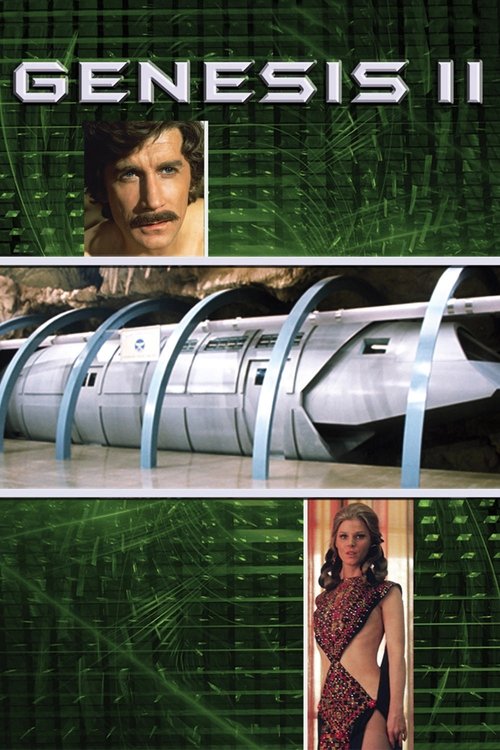
Genesis II
1973A scientist who has been preserved in suspended animation wakes up to find himself in a primitive society in the future.
Gene Roddenberry’s ambitious television pilot offers a sophisticated, post-apocalyptic alternative to his optimistic trek across the stars, focusing on the sociological fractures of a splintered Earth. Its intellectual rigor regarding subterranean technocracies provides a compelling look at the genre’s shift toward more grounded, earthbound anxieties.
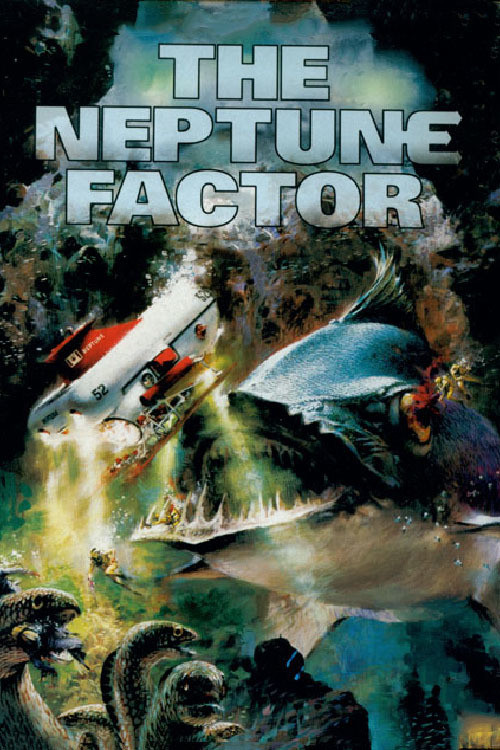
The Neptune Factor
1973When an underwater ocean lab is lost in a earthquake, an advanced submarine is sent down to find it and encounters terrible danger.
Moving the claustrophobia of space to the crushing depths of the ocean floor, this production leans into a grimy, industrial aesthetic that emphasizes the hostility of the abyss. It stands out for its commitment to a slow-build tension and its impressive, large-scale practical miniature work.
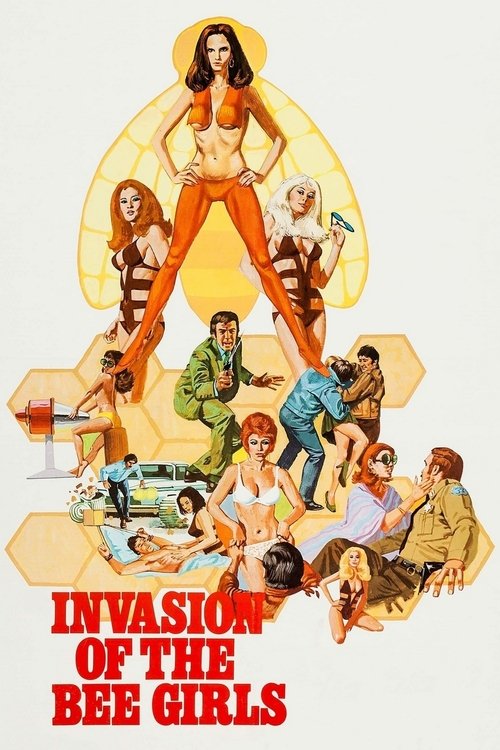
Invasion of the Bee Girls
1973A powerful cosmic force is turning Earth women into queen bees who kill men by wearing them out sexually.
Hidden beneath its drive-in title is a sharp, sophisticated screenplay by Nicholas Meyer that blends erotic thriller tropes with a subversive critique of suburban gender roles. The film operates as a sleek, low-budget exercise in atmospheric paranoia and biological horror.

The Final Programme
1973Returning from Lapland, where he buried his father, a renowned scientist, Jerry Cornelius comes back to London with the firm intention of taking revenge on his brother Frank and snatching his beloved sister Catherine from his clutches. Since the recent gigantic global conflagration, things have changed considerably. If he wanted to, Jerry could easily get hold of napalm to blow up Frank's hideout. But he prefers to join forces with the disturbing Mrs Brunner, who, with the help of three scientists, Smiles, Lucas and Powys, is trying to recover a mysterious microfilm left to Frank by his father...
This saturated, surrealist adaptation of Michael Moorcock’s Jerry Cornelius captures the decadent, pop-art collapse of Western civilization through a kaleidoscopic lens. Its eccentric visual language and gender-bending climax represent the absolute apex of 1970s British counter-culture cinema.
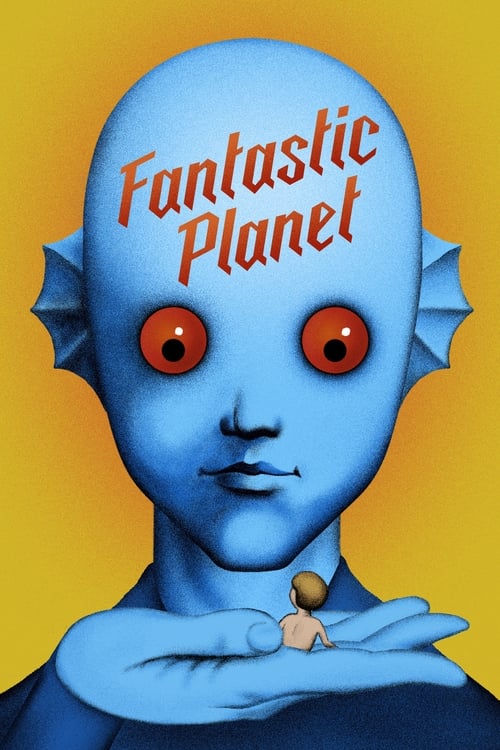
Fantastic Planet
1973On the planet Ygam, the Draags, extremely technologically and spiritually advanced blue humanoids, consider the tiny Oms, human beings descendants of Terra's inhabitants, as ignorant animals. Those who live in slavery are treated as simple pets and used to entertain Draag children; those who live hidden in the hostile wilderness of the planet are periodically hunted and ruthlessly slaughtered as if they were vermin.
René Laloux’s psychedelic masterwork utilizes a haunting cut-out animation style to present a truly alien gestalt that defies terrestrial logic. This surrealist allegory demands attention for its jarring scale shifts and its philosophical dissection of colonial oppression.

Sleeper
1973Miles Monroe, a clarinet-playing health food store proprietor, is revived out of cryostasis 200 years into a future world in order to help rebels fight an oppressive government regime.
Woody Allen’s slapstick subversion of the genre uses high-concept art direction to mock the sterile aesthetics of the future while remaining a masterclass in physical comedy. It is a rare, vital example of the 'soft' science fiction comedy that prioritizes neurotic human frailty over polished technological optimism.
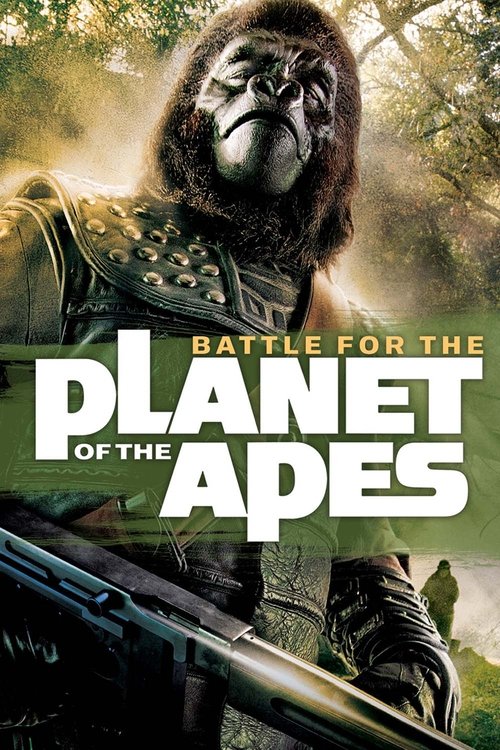
Battle for the Planet of the Apes
1973The fifth and final episode in the Planet of the Apes series. After the collapse of human civilization, a community of intelligent apes led by Caesar lives in harmony with a group of humans. Gorilla General Aldo tries to cause an ape civil war and a community of human mutants who live beneath a destroyed city try to conquer those whom they perceive as enemies. All leading to the finale.
While closing the original cycle, this entry thrives on its Shakespearean ambitions and the moral friction between coexistence and inevitable cyclical violence. It remains a fascinatingly bleak study of a fragile peace forged in the shadow of nuclear memory.
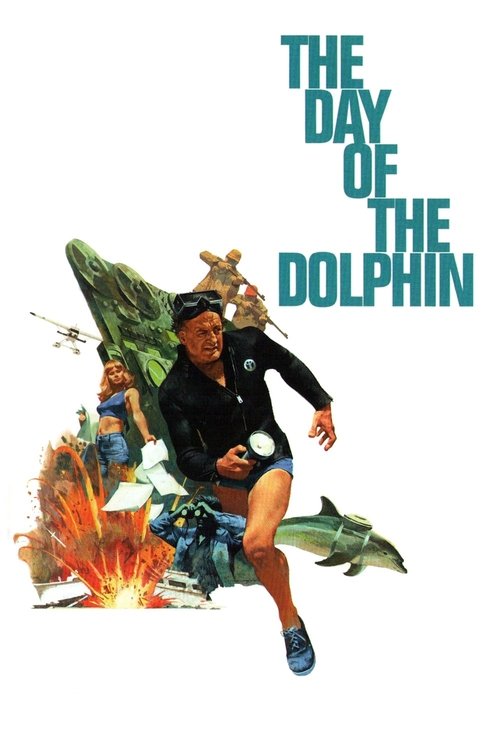
The Day of the Dolphin
1973A marine biologist teaches his dolphins to communicate in English but shady characters plan to kidnap the trained mammals for a more sinister purpose.
Mike Nichols deftly pivots from social satire to an unsettling, aquatic conspiracy that explores the tragic corruption of interspecies innocence by the military-industrial complex. The film distinguishes itself through a melancholic tone, suggesting that humanity’s greatest sin is its instinct to weaponize wonder.
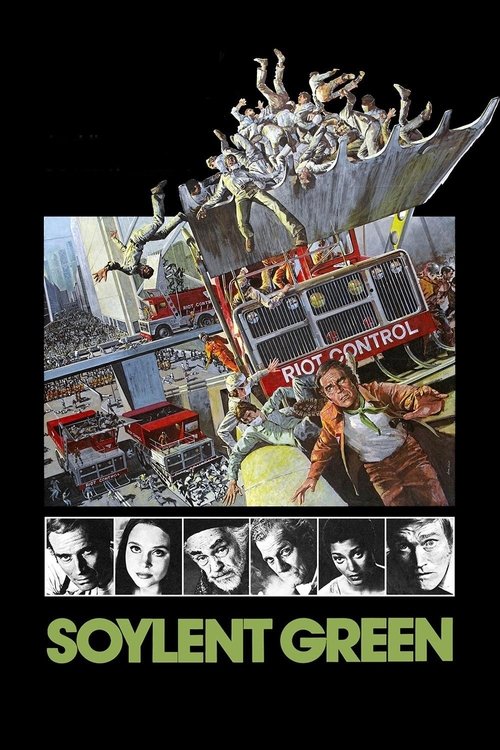
Soylent Green
1973In the year 2022, overcrowding, pollution, and resource depletion have reduced society’s leaders to finding food for the teeming masses. The answer is Soylent Green.
Richard Fleischer transforms the police procedural into a stifling, sun-drenched nightmare of ecological exhaustion and urban decay. Charlton Heston’s rugged cynicism anchors a grueling vision of a society that has literalized its own consumption to survive a dying planet.
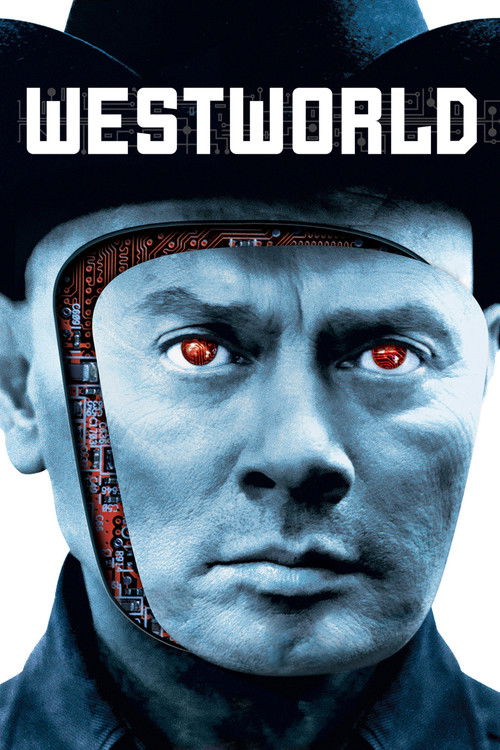
Westworld
1973Delos is a futuristic amusement park that features themed worlds populated by human-like androids. After two patrons have a run-in with a menacing gunslinger in West World, the androids at Delos all begin to malfunction, causing havoc throughout the park.
Michael Crichton’s directorial debut serves as a chilling blueprint for the techno-thriller, weaponizing Yul Brynner’s stoic presence to dismantle the fantasy of total corporate control. Its cold, pioneered use of digital imagery anticipates a future where the line between programmer and plaything inevitably snaps.
Frequently Asked Questions
Everything you need to know about this list and SnakeDrafts
- "Westworld" is ranked #1 due to its innovative blend of science fiction and Western genres, along with its groundbreaking exploration of android technology and artificial intelligence. Directed by Michael Crichton, it set a new standard for sci-fi thrillers with its suspenseful narrative and pioneering special effects.
- "Soylent Green," directed by Richard Fleischer, stands out for its dystopian vision of a future plagued by overpopulation and environmental collapse. Its shocking plot twist and socio-political commentary resonate strongly, reflecting the era's anxieties about resource scarcity and corporate control.
- "Fantastic Planet" is unique as an animated science fiction film known for its surreal, imaginative visuals and allegorical storytelling. Unlike the live-action thrillers and dramas on the list, this René Laloux-directed film offers a psychedelic, philosophical take on alien domination and humanity.
- Including comedies like Woody Allen's "Sleeper" and Leonid Gaidai's "Ivan Vasilyevich Changes His Profession" showcases the genre's versatility in 1973. These films offer satirical and humorous explorations of sci-fi themes, providing a contrast to the era's darker, more dystopian movies.
- Yes, many top sci-fi films from 1973 share themes of societal decay, technological anxieties, and dystopian futures. Films like "Soylent Green" and "Westworld" reflect a grim outlook on humanity's relationship with technology and environmental collapse, mirroring real-world concerns of the early 1970s.
- This list specifically highlights notable science fiction films released in 1973, which means influential sci-fi movies from earlier or later years are not included. The focus on 1973 allows a deep dive into the unique thematic and stylistic qualities that defined sci-fi cinema in that pivotal year.
- "Battle for the Planet of the Apes" represents the continuation of the iconic Planet of the Apes franchise, concluding its saga in 1973. Its inclusion underscores the era's fascination with post-apocalyptic narratives and the exploration of societal hierarchies through science fiction.
- Directed by Mike Nichols, "The Day of the Dolphin" blends drama and sci-fi by exploring themes of animal intelligence and government conspiracy. Its inclusion expands the list beyond traditional space or technology themes, emphasizing psychological thriller elements within science fiction.