Anya Taylor-Joy's Top Movies Ranked
From Folk Horror Icon to Wasteland Warrior
Discover the essential films of Anya Taylor-Joy. From her breakout in The Witch to Furiosa, witness the career of Hollywood's most hypnotic star.
About Anya Taylor-Joy
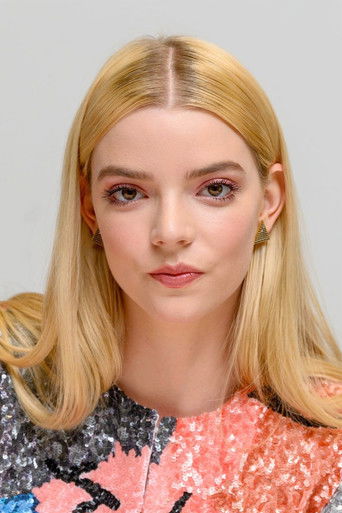
There is a specific kind of magnetism that certain actors possess which suggests they might not entirely belong to our world. Anya Taylor-Joy has turned that otherworldly aura into a high-art brand, emerging as the definitive screen siren for a generation that values edge just as much as elegance. With eyes that seem to hold an ancient secret and a voice that carries a velvet rasp, she has navigated the industry not by blending in, but by highlighting her own beautiful strangeness. To watch her on screen is to witness an exercise in control, where a single tilt of the chin or a lingering gaze carries more weight than a page of dialogue.
Her arrival in the cultural consciousness felt like a lightning strike. In the folk-horror masterpiece The Witch, she grounded a surreal nightmare with a performance so vulnerable and startling that it immediately signaled the birth of a major talent. She did not fall into the trap of the ingenue, instead opting for complicated, often jagged characters. Whether she was playing the hyper-articulate socialite in the dark comedy Thoroughbreds or the kidnapped survivor navigating a fractured psyche in Split, she proved her ability to anchor prestige thrillers with a grit that belies her ethereal appearance.
What separates her from her peers is a chameleonic ability to inhabit vastly different eras without losing her core identity. She transitioned seamlessly from the candy-colored, satirical Georgian landscapes of Emma. into the neon-soaked, paranoid hallways of the sixties in Last Night in Soho. Even when she enters the realm of blockbusters, she retains an indomitable dignity. In Furiosa: A Mad Max Saga, she took on the monumental task of inheriting a legendary action role, stripping away the dialogue to deliver a performance defined by pure, cinematic physicality. It was a role that demanded she trade her high-fashion poise for grease and grit, and she did so with a feral intensity that silenced any skeptics.
Audiences gravitate toward her because she represents a bridge between Old Hollywood glamour and modern, genre-bending sensibilities. She can voice a self-assured Princess Peach in The Super Mario Bros. Movie one moment and portray a vengeful Slavic queen in The Northman the next, never losing the thread of what makes her magnetic. Even in the satirical pressure cooker of The Menu, she stood as the sharp-witted audience surrogate, holding her own against industry titans with effortless cool. Her filmography, spanning from the claustrophobic dread of Marrowbone to the ensemble chaos of Amsterdam and the gritty spectacle of Glass, reads like a curated collection of risks that paid off.
Behind the striking fashion and the high-profile campaigns lies a technical powerhouse. She commands a scene through nuance, using her physicality to communicate what her characters are too guarded to say. Whether she is exploring the scientific fringes in Radioactive or surviving the supernatural hurdles of The New Mutants, there is a recurring theme of resilience throughout her work. She has become our premier guide through the strange and the spectacular, proving that in a world of manufactured stars, there is still plenty of room for a true original. At this stage in her career, she isn't just a versatile performer; she is an essential texture of the modern cinematic landscape.
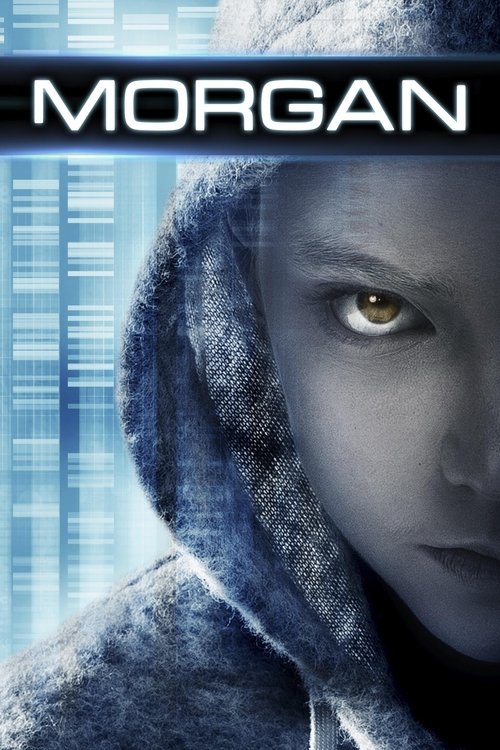
Morgan
2016A corporate risk-management consultant must determine whether or not to terminate an artificial being's life that was made in a laboratory environment.
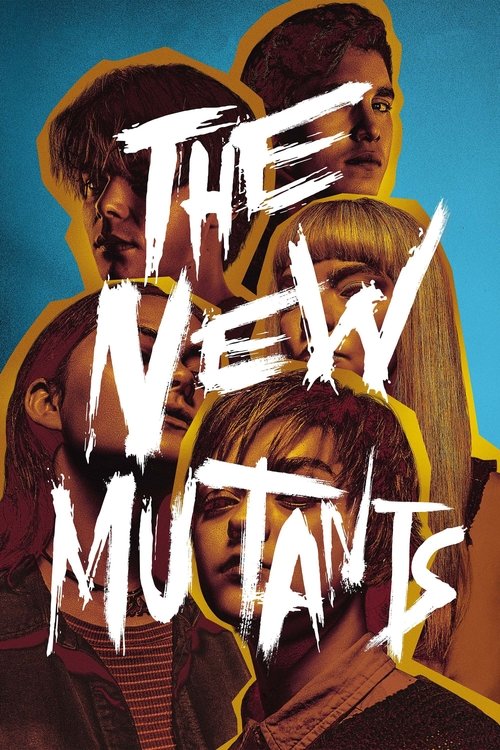
The New Mutants
2020Five young mutants, just discovering their abilities while held in a secret facility against their will, fight to escape their past sins and save themselves.
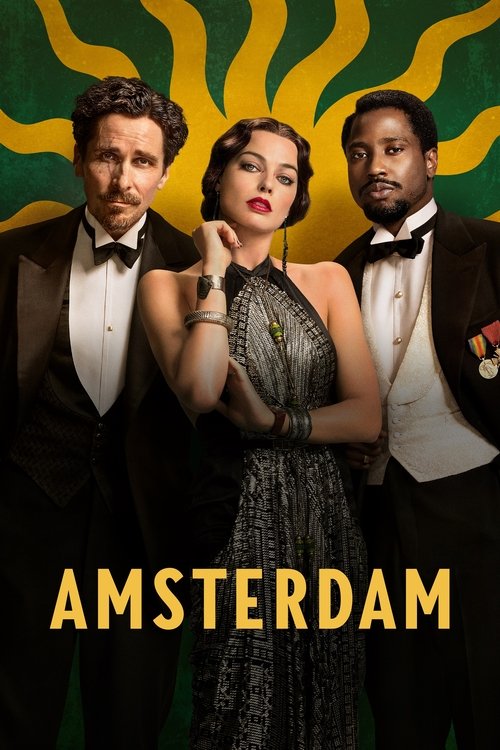
Amsterdam
2022In the 1930s, three friends—a doctor, a nurse, and an attorney—witness a murder, become suspects themselves and uncover one of the most outrageous plots in American history.
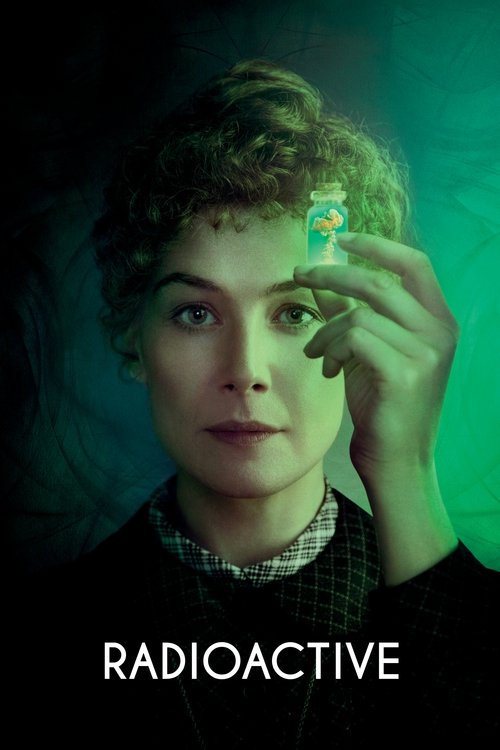
Radioactive
2020The story of Nobel Prize winner Marie Curie and her extraordinary scientific discoveries—through the prism of her marriage to husband Pierre—and the seismic and transformative effects their discovery of radium had on the 20th century.
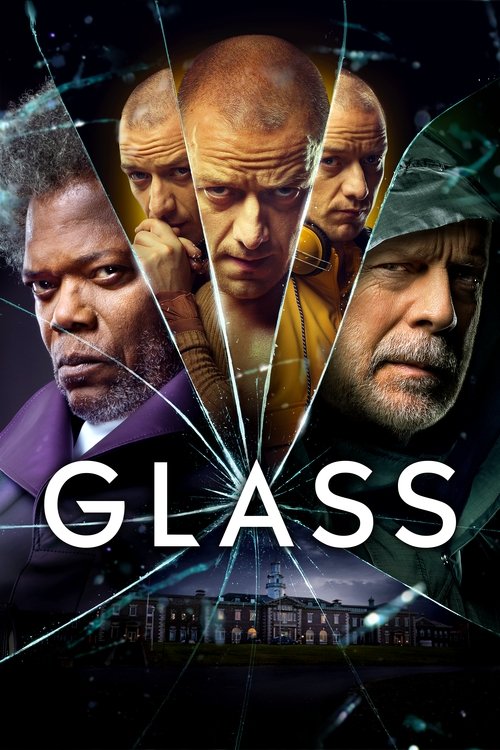
Glass
2019In a series of escalating encounters, former security guard David Dunn uses his supernatural abilities to track Kevin Wendell Crumb, a disturbed man who has twenty-four personalities. Meanwhile, the shadowy presence of Elijah Price emerges as an orchestrator who holds secrets critical to both men.
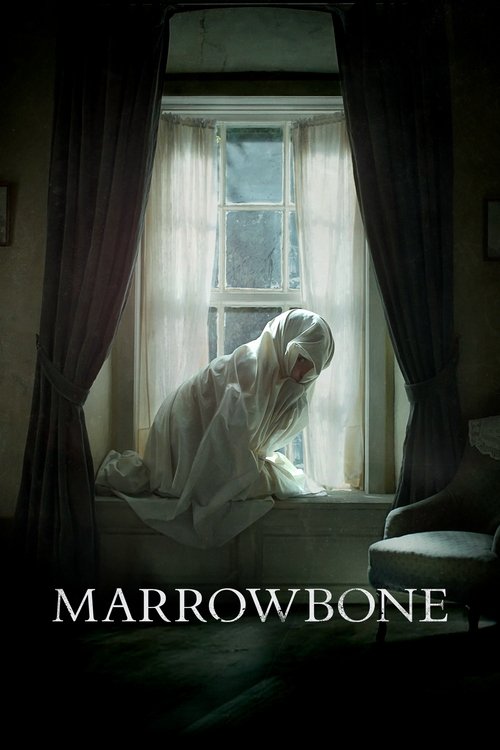
Marrowbone
2017A young man and his three younger siblings are plagued by a sinister presence in the sprawling manor in which they live.
In this gothic mystery, she functions as the radiant light against a backdrop of crumbling trauma and isolation. It is an understated turn that highlights her gift for providing the emotional glue in ensemble-driven genre pieces.
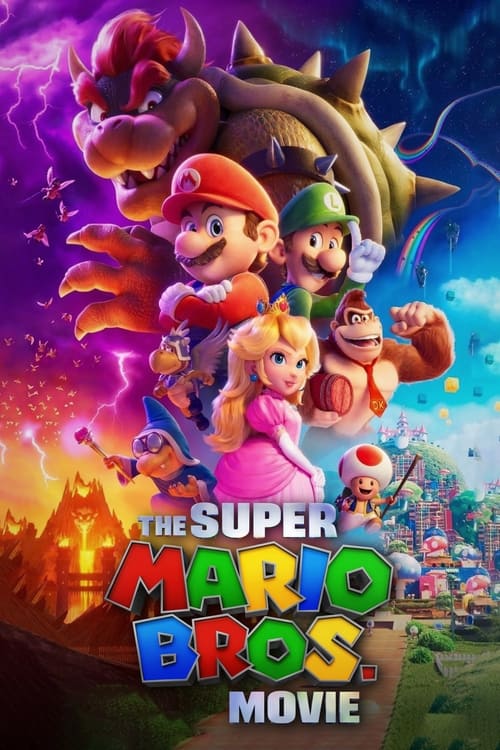
The Super Mario Bros. Movie
2023While working underground to fix a water main, Brooklyn plumbers—and brothers—Mario and Luigi are transported down a mysterious pipe and wander into a magical new world. But when the brothers are separated, Mario embarks on an epic quest to find Luigi.
Lending her voice to a modernized take on Princess Peach, she swaps the traditional damsel tropes for a commanding and proactive leadership style. Even in a vocal booth, Taylor-Joy’s authoritative poise reshapes a legacy character for a contemporary audience.
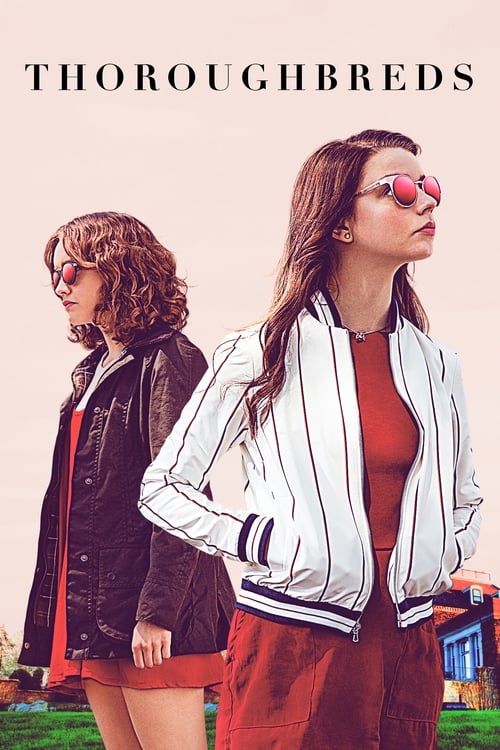
Thoroughbreds
2018Lily and Amanda, two high school students living in suburban Connecticut, rekindle their unlikely friendship after years of drifting apart. Together, they devise a plan to kill Lily's abusive stepfather by hiring a lowlife drug dealer.
Operating with a cold, bloodless calculation, she excels in this suburban noir as a teenager who has traded empathy for intellectual superiority. This role established her knack for playing dangerous young women who are always five steps ahead of everyone else in the room.
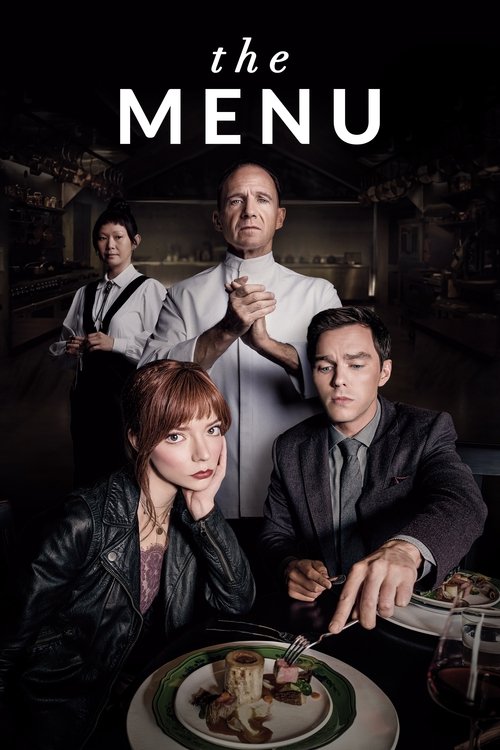
The Menu
2022A young couple travels to a remote island to eat at an exclusive restaurant where the chef has prepared a lavish menu, with some shocking surprises.
She provides the necessary human friction in this sterile culinary satire, acting as the only character who refuses to be consumed by the set dressing. Her cynical, blue-collar pragmatism offers a refreshing tonal shift from the fantastical or period roles that previously defined her filmography.
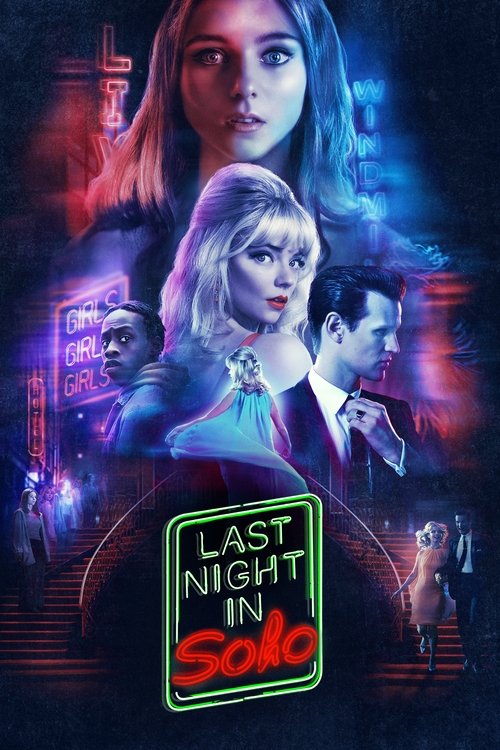
Last Night in Soho
2021A young girl, passionate about fashion design, is mysteriously able to enter the 1960s where she encounters her idol, a dazzling wannabe singer. But 1960s London is not what it seems, and time seems to be falling apart with shady consequences.
Channeling the hauntological glamour of the 1960s, she serves as the film’s hypnotic visual center even when her character feels like a disappearing ghost. Her performance captures a specific, tragic artifice that serves as the perfect counterpoint to Thomasin Harcourt McKenzie’s modern anxiety.
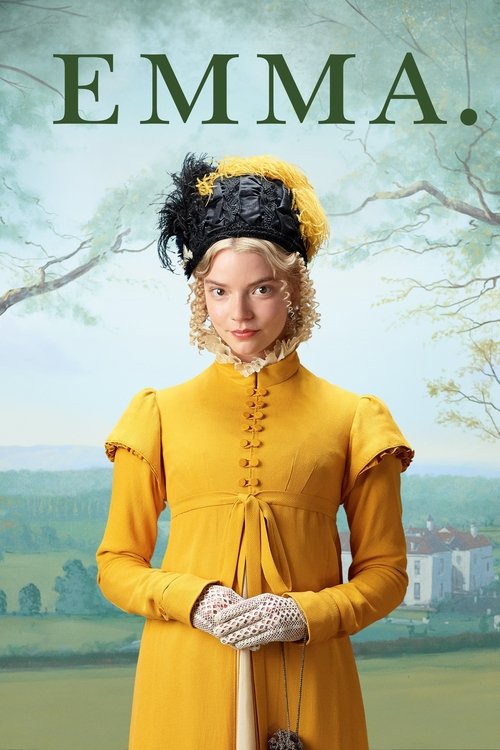
Emma.
2020In 1800s England, a well-meaning but selfish young woman meddles in the love lives of her friends.
Taylor-Joy revitalizes Jane Austen by leaning into the character's icy social superiority rather than simple likability. Her sharp comedic timing and architectural precision in movement revealed a versatile sophistication that many critics had not yet credited to her range.
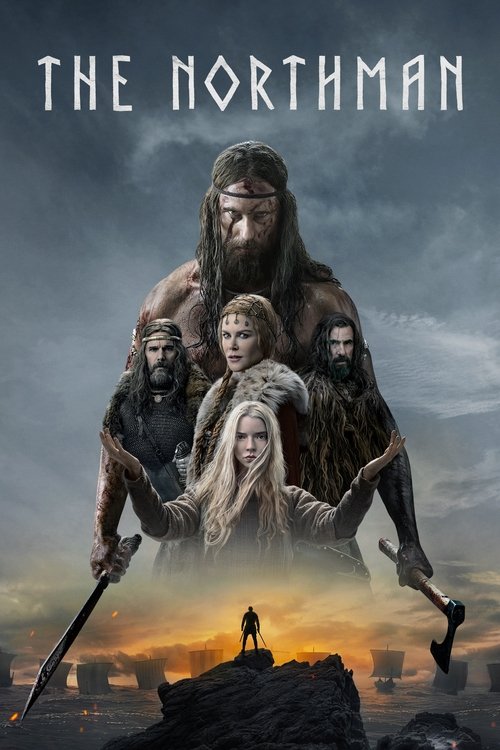
The Northman
2022Prince Amleth is on the verge of becoming a man when his father is brutally murdered by his uncle, who kidnaps the boy's mother. Two decades later, Amleth is now a Viking who's on a mission to save his mother, kill his uncle and avenge his father.
Reunited with Robert Eggers, she brings a sharp, ethereal cunning to this Viking epic that prevents the brutal masculinity from overwhelming the narrative. Her ability to blend ancient mystery with a grounded survival instinct makes her the film’s essential moral and mystical compass.
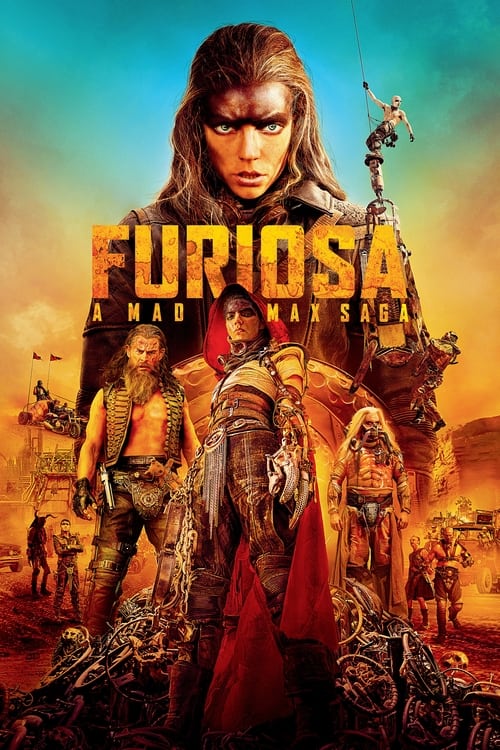
Furiosa: A Mad Max Saga
2024As the world falls, young Furiosa is snatched from the Green Place of Many Mothers into the hands of a great biker horde led by the warlord Dementus. Sweeping through the wasteland, they encounter the citadel presided over by Immortan Joe. The two tyrants wage war for dominance, and Furiosa must survive many trials as she puts together the means to find her way home.
Inheriting an iconic mantle, Taylor-Joy strips away dialogue to find the feral, rhythmic heart of a warrior in a masterclass of physical storytelling. This performance solidifies her status as a blockbuster polymath capable of commanding the frame amidst total cinematic chaos.
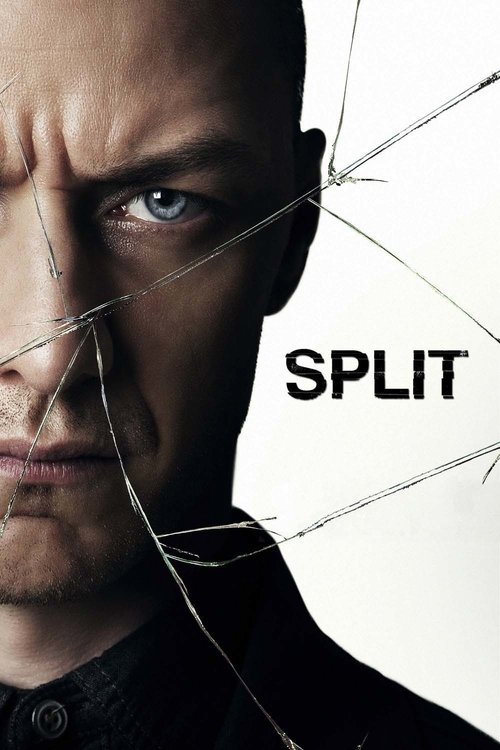
Split
2017Though Kevin has evidenced 23 personalities to his trusted psychiatrist, Dr. Fletcher, there remains one still submerged who is set to materialize and dominate all the others. Compelled to abduct three teenage girls led by the willful, observant Casey, Kevin reaches a war for survival among all of those contained within him — as well as everyone around him — as the walls between his compartments shatter apart.
As the quintessential final girl for a new era, she anchors this psychological thriller with a reactive, internal intelligence that rivals James McAvoy’s theatrics. It proved she could carry a massive studio genre hit by doing the heavy lifting through her eyes alone.
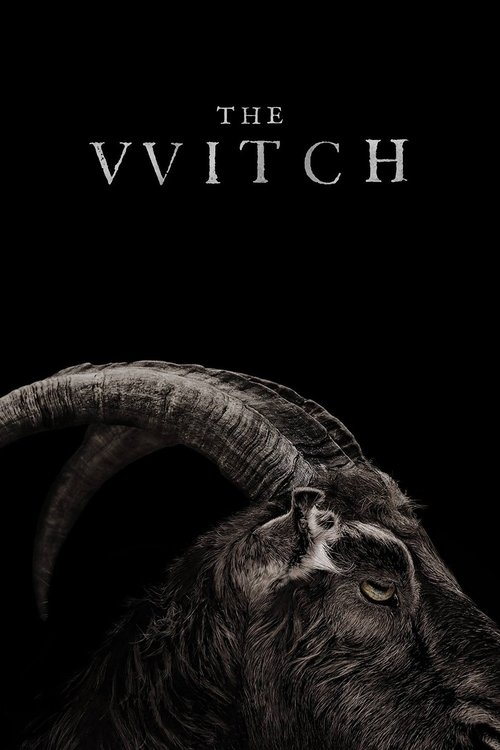
The Witch
2016In 1630, a farmer relocates his family to a remote plot of land on the edge of a forest where strange, unsettling things happen. With suspicion and paranoia mounting, each family member's faith, loyalty and love are tested in shocking ways.
Taylor-Joy’s arrival as a generational talent is etched in every terrified yet defiant expression of Thomasin, a role that demanded a preternatural gravity. This folk-horror debut remains her most vital work because it weaponized her unique screen presence to personify the thin line between victimhood and dark liberation.
Frequently Asked Questions
Everything you need to know about this list and SnakeDrafts
- 'The Witch' is ranked highest because it marked Anya Taylor-Joy's breakout role, showcasing her hypnotic screen presence and ability to convey intense emotion in a horror-fantasy setting. Her performance in Robert Eggers' 2016 film cemented her as a unique talent in Hollywood.
- 'Furiosa: A Mad Max Saga' represents a significant milestone as it places Anya Taylor-Joy in a major action and science fiction franchise, highlighting her versatility beyond horror and drama. Directed by George Miller, it showcases her as a leading star in high-octane cinematic storytelling.
- Yes, many of Anya Taylor-Joy's highest-rated films like 'The Witch,' 'Split,' and 'The Northman' explore dark, psychological, and fantastical themes. This consistent presence in genre films with complex characters reinforces her image as a magnetic screen siren with an edge.
- 'Emma.' stands out as a refreshing departure into comedy and romance, demonstrating Taylor-Joy's range and charm in lighter, period drama roles. Its inclusion highlights her ability to captivate audiences across diverse genres.
- Movies like 'Marrowbone' and 'Thoroughbreds' offer intriguing thriller and drama experiences that showcase different aspects of Anya Taylor-Joy’s acting skills. These films are gems for fans looking to explore beyond her most famous roles.
- Collaborating twice with Robert Eggers in 'The Witch' and 'The Northman' anchors her highest-ranked films in critically acclaimed projects known for atmospheric storytelling and deep character work. This partnership has significantly shaped her career’s artistic direction.
- Yes, her voice role in the animated 'The Super Mario Bros. Movie' taps into family-friendly entertainment, expanding her audience reach. It's a notable inclusion for showing her adaptability in both live-action and animated films.