Best 1993 Horror Movies Ranked
Classic Cult Screams and Supernatural Nightmares
Explore the best cult horror films of the early nineties, featuring supernatural slashers, creature features, and psychological thrillers.
About 1993 Horror Movies
By any conventional metric of cinematic history, 1993 was the year of the dinosaur. Steven Spielberg changed the landscape of blockbuster filmmaking with Jurassic Park, a movie so technically proficient and awe-inspiring that it seemed to render everything else obsolete. But if you look past the shadows of the T-Rex, the actual horror landscape of 1993 was in a strange, fascinating state of flux. The slasher icons of the eighties were wheezing toward retirement, the prestige thriller was ascendant, and a new wave of transgressive, psychological terror was beginning to take root in the independent scene.
The biggest story of the year for horror fans was arguably the attempted rebirth of a legend in Jason Goes to Hell: The Final Friday. At this point, the Friday the 13th franchise was struggling to find its footing under the New Line Cinema banner. It was a weird, messy film that traded the traditional lakeside stalking for body-hopping supernatural antics. While it divided fans, it represented a desperate need for the genre to evolve beyond the masked killer formula that had dominated the previous decade.
Meanwhile, 1993 gave us one of the most effective and mean-spirited sequels in horror history with Evil Dead II follow-up, Army of Darkness. Sam Raimi fully leaned into the Three Stooges meets Ray Harryhausen aesthetic, proving that horror could be expansive, hilarious, and visually inventive without losing its edge. It remains a cult masterpiece because it refused to play by the rules of any single genre.
On the more grounded end of the spectrum, the year delivered a sleeper hit that still makes parents shiver: The Good Son. By casting Macaulay Culkin, the golden boy of the Home Alone franchise, as a sociopathic child, the film weaponized the innocence of youth. It was a calculated risk that paid off, tapping into a primal fear about the evil that can hide behind a polite smile. This lean toward psychological dread was also evident in Brian De Palma’s Raising Cain, which, while technically released in late 1992 in some markets, found its audience on home video in 1993, showcasing the director's obsession with fractured identities and Hitchcockian suspense.
Perhaps the most significant contribution to the year’s dark tapestry was Cronos, the debut feature of Guillermo del Toro. This mournful, biological reimagining of the vampire myth signaled the arrival of a major visionary. It was sophisticated and melancholy, proving that horror could be high art. Similarly, George A. Romero returned with The Dark Half, an adaptation of Stephen King’s novel that explored the violent manifestations of a writer’s psyche.
While 1993 might not have the brand recognition of 1978 or 1984, it was a pivotal bridge. The genre was moving away from the predictable rhythms of the suburban slasher and toward something more eclectic. Between the campy body horror of Body Snatchers and the eerie, urban legend vibes of Candyman still echoing from the previous autumn, horror was shedding its old skin. It was a year of experimentation, where the monsters were just as likely to be found in a child's bedroom or a dusty antique shop as they were in a dark forest. It was the quiet before the meta-horror storm of the mid-nineties, a time when the genre was still weird, wild, and wonderfully unpredictable.
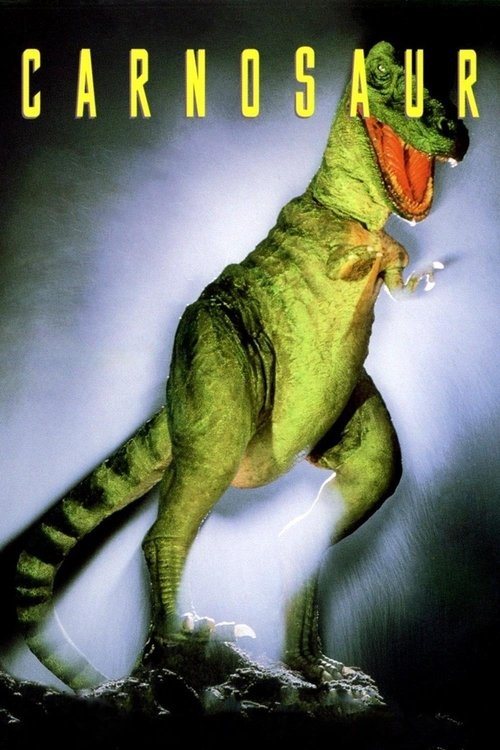
Carnosaur
1993After being driven to extinction, great bloodthirsty dinosaurs come back to life with the assistance of a demented genetic scientist. She plans to replace the human race with a super-race of dinosaurs who will not pollute the planet.
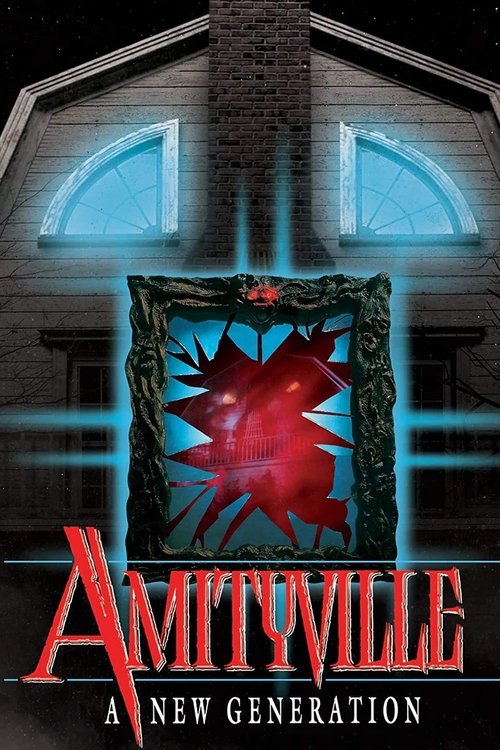
Amityville: A New Generation
1993Keyes, a successful photographer who lives at the border of Skid Row, notices a homeless man with a strange old mirror. Immediately struck by it for reasons he cannot explain, he convinces the man to sell it to him, soon behaving in increasingly erratic and unhinged ways.
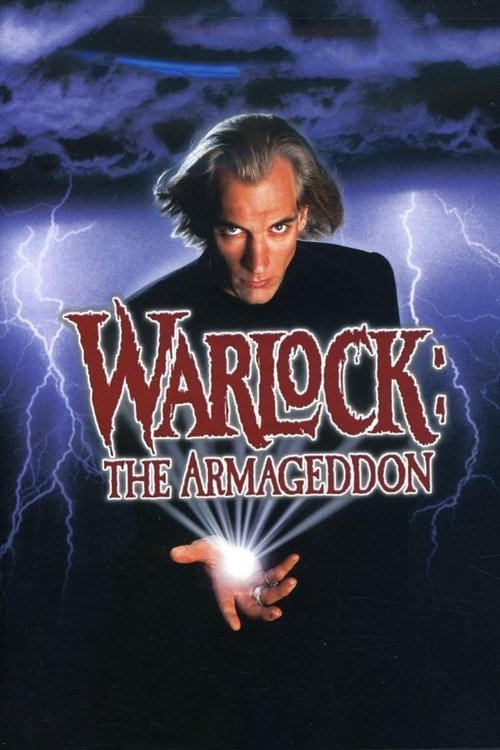
Warlock: The Armageddon
1993Every six hundred years, a great evil has the opportunity to escape and unleash Armageddon. A group of five stones has the power to either free the evil, or banish it for another six hundred years. An order of Druids battles with a Warlock determined to unleash his father upon the world.
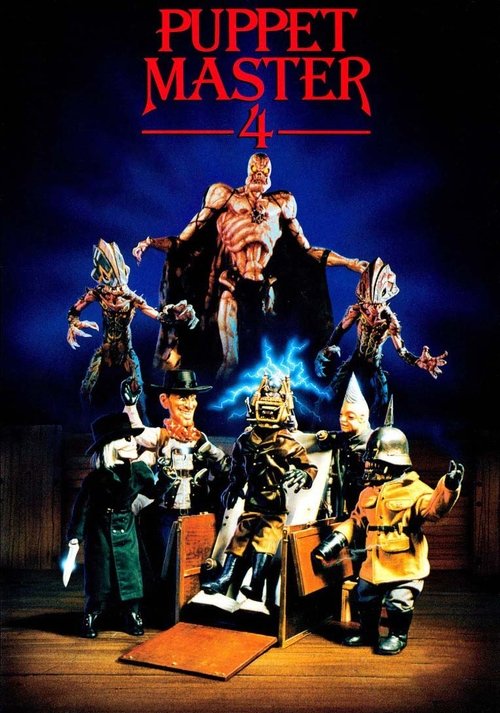
Puppet Master 4
1993Blade, Tunneler, and Pinhead go toe-to-toe with a team of terrifying, gremlin-like creatures known as "Totems" that are sent by the Egyptian demon Sutekh to recapture the magic stolen by Toulon.
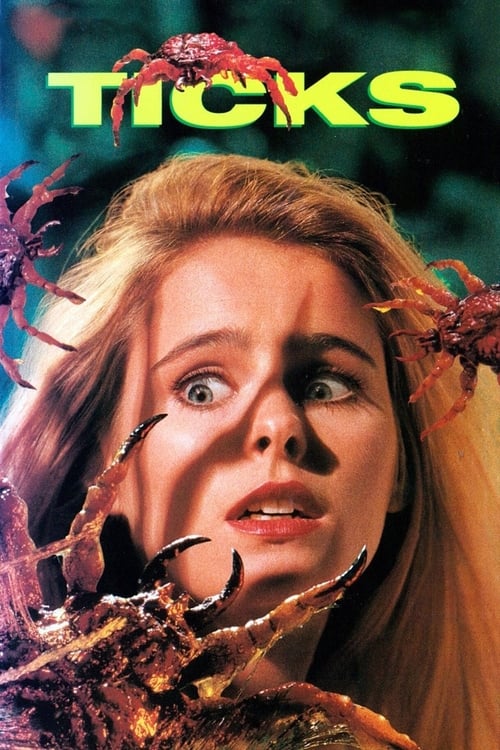
Ticks
1993Teens camping in a northern California retreat are terrorized by mutant insects created by evil, polluting pot farmers.
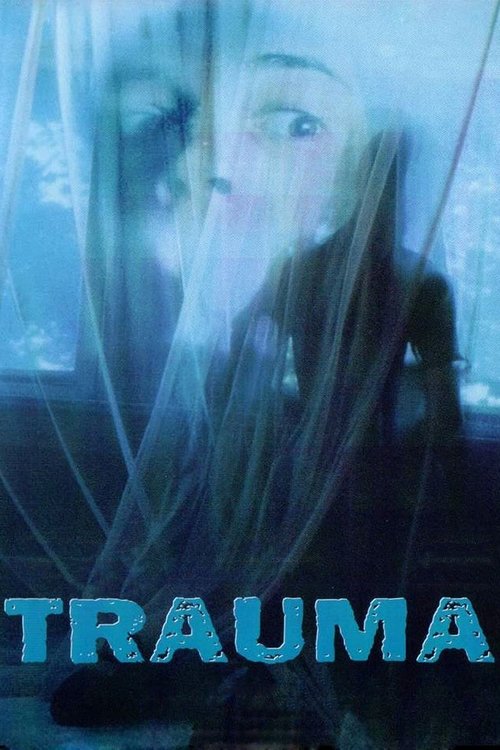
Trauma
1993A young Romanian woman and a recovering drug addict launch an unlikely investigation after her parents are murdered by a vicious serial killer known as The Headhunter.
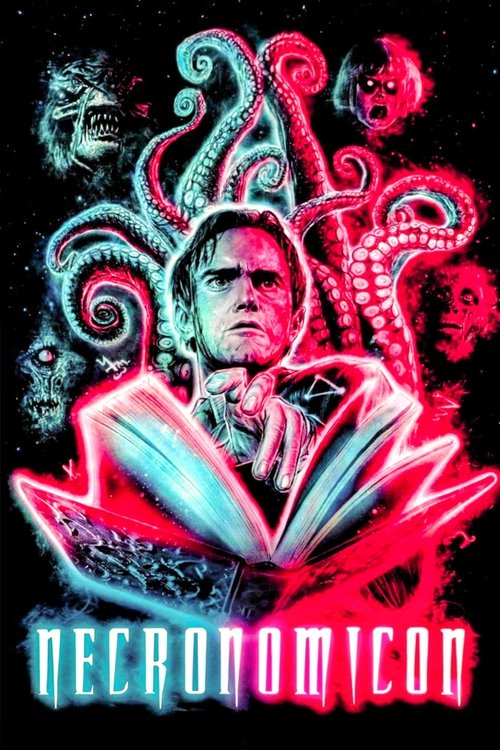
Necronomicon
1993H.P. Lovecraft anthology is divided into four segments: "The Library" which is the wraparound segment involving Lovecraft's research into the Book of The Dead and his unwitting release of a monster and his writing of the following horror segments "The Drowned", "The Cold", and "Whispers".
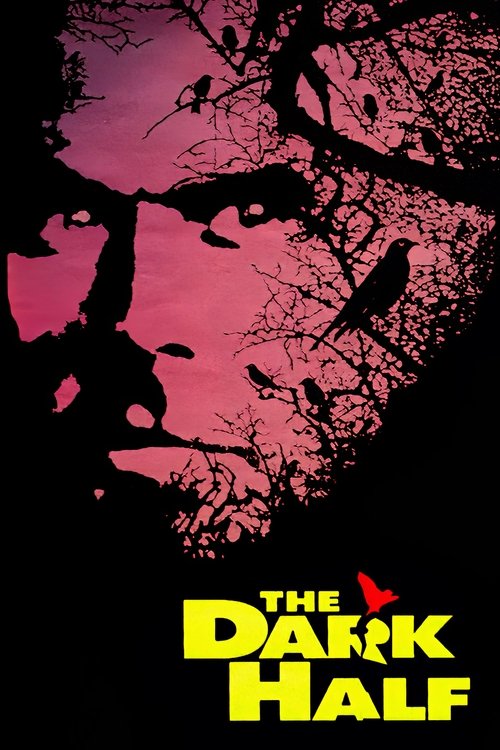
The Dark Half
1993Following the public's realization that Thad Beaumont and George Stark are one and the same, the former stages a mock funeral, only for a series of gruesome murders to begin occurring as in his books.
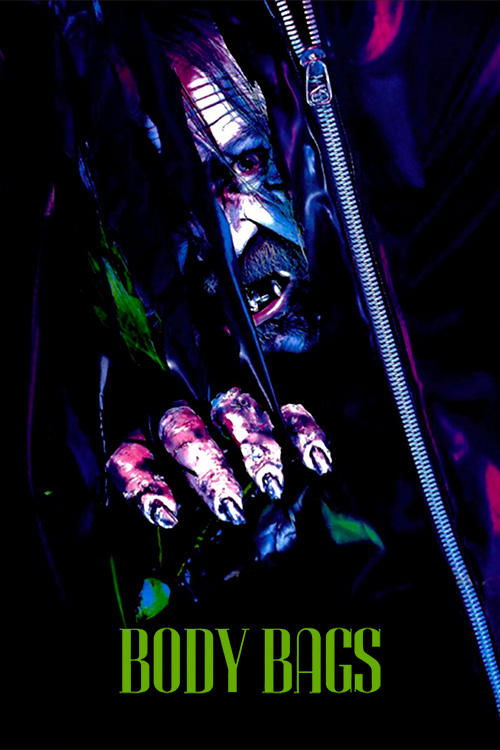
Body Bags
1993A horror anthology containing three stories: a female college student working a graveyard shift is terrorized by a serial killer; a hair transplant goes horribly wrong; and a baseball player loses an eye and gets a new one from a recently executed murderer.
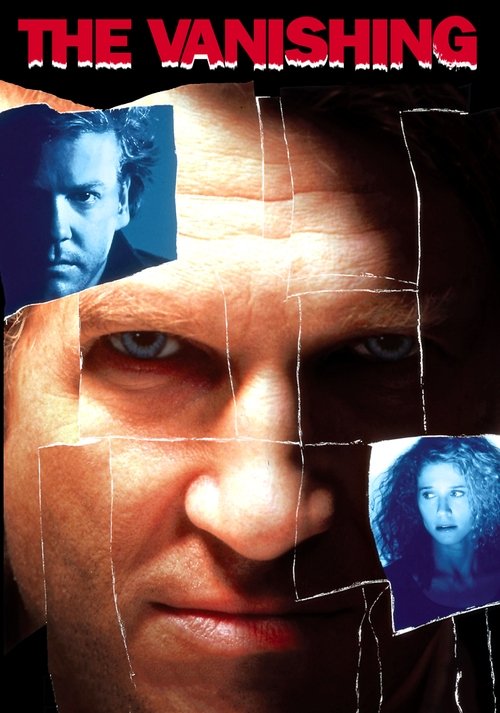
The Vanishing
1993The boyfriend of an abducted woman never gives up the search as the abductor looks on.
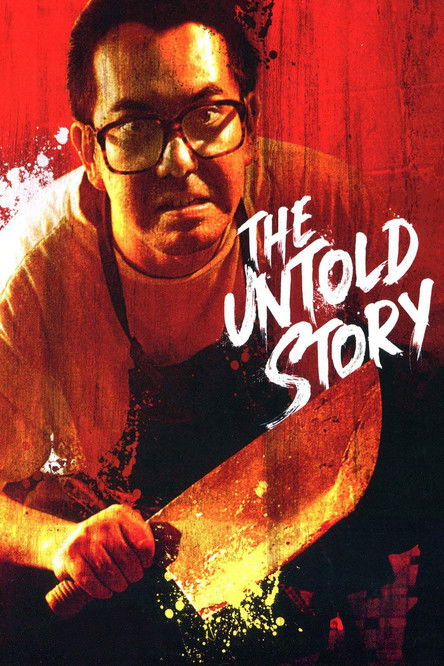
The Untold Story
1993Macau cops begin to suspect a man running a pork buns restaurant of murder, after tracing the origin of a case full of chopped up human remains that washed ashore, which leads them to him.
This notorious Category III shocker from Hong Kong is a nihilistic masterpiece of the macabre, driven by Anthony Wong’s terrifyingly unhinged, award-winning performance. It is a grueling, uncompromising descent into depravity that leaves an indelible mark on the viewer through its sheer, relentless intensity.
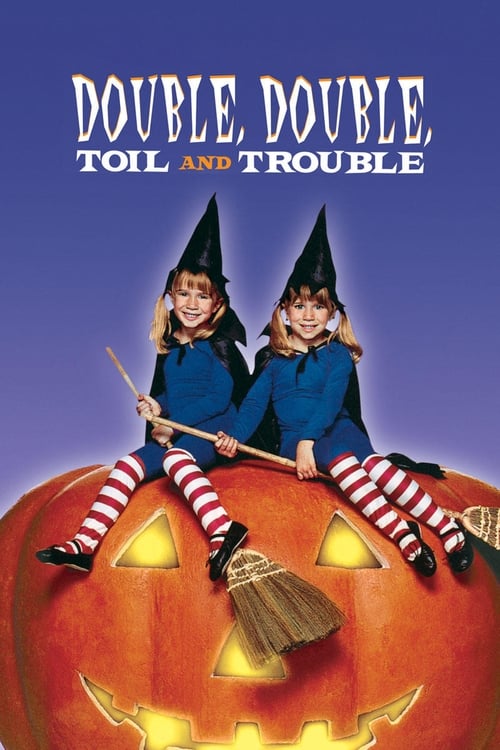
Double, Double, Toil and Trouble
1993On Halloween night, two precocious little girls try to save their parents from their nasty old capitalist aunt's greedy clutches. Magic abounds and they meet mysterious new friends along the way.
While ostensibly geared toward a younger demographic, this seasonal cult classic captures a specific gothic-lite aesthetic that serves as a perfect gateway into horror iconography. Cloris Leachman’s dual performance adds a layer of genuine theatrical eccentricity to the film's whimsical, eerie atmosphere.
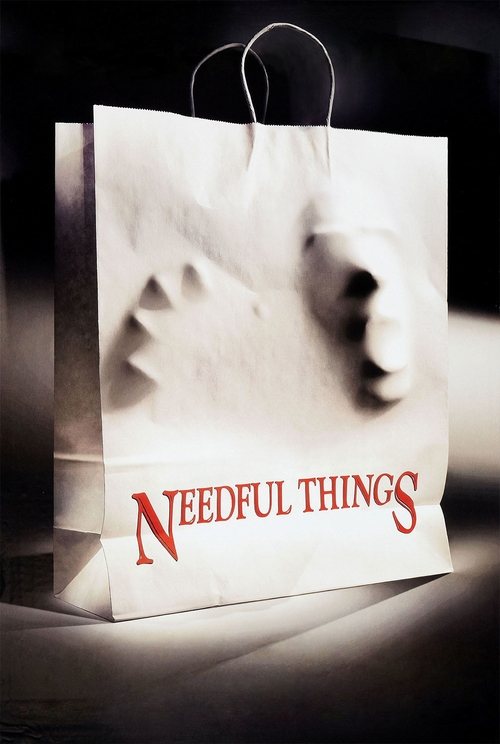
Needful Things
1993A mysterious new shop opens in a small town which always seems to stock the deepest desires of each shopper, with a price far heavier than expected.
Max von Sydow brings a sophisticated, predatory elegance to the role of Leland Gaunt in this cynical exploration of small-town greed. The film operates as a grim clockwork mechanism, finding its horror in how easily neighborly civility can be dismantled by the right price.
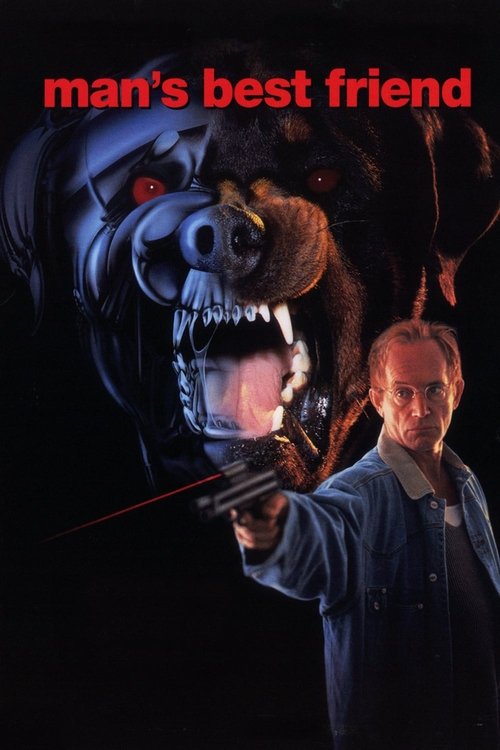
Man's Best Friend
1993A genetic research facility worker exposes animal abuses there to a local TV reporter, who frees and takes in a genetically altered dog from the lab, unaware that he has a violent streak.
This sci-fi creature feature elevates a familiar 'killer dog' premise through the unsettling, genetically engineered intelligence of its canine antagonist. It thrives on the tension between domestic loyalty and predatory instinct, making every snarl feel like a calculated betrayal of the human-animal bond.
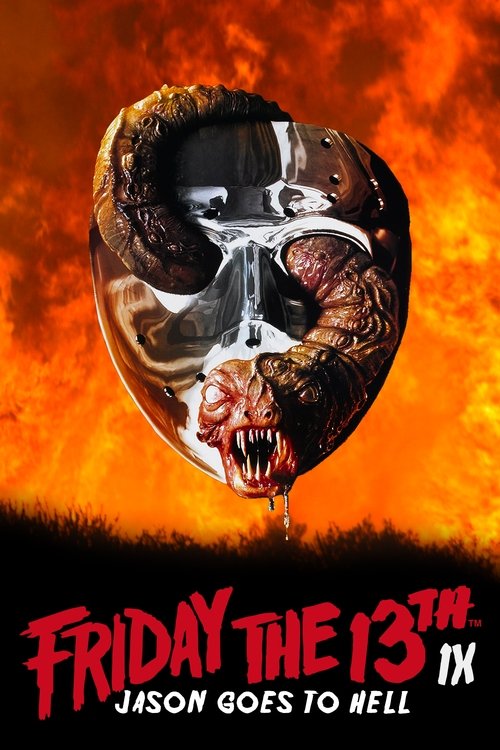
Jason Goes to Hell: The Final Friday
1993Jason Voorhees is tracked down and blown to bits by a special FBI task force, reborn with the bone-chilling ability to assume the identity of anyone he touches.
This polarizing entry ditches the repetitive summer camp formula in favor of a body-hopping supernatural mythology that expands the Jason Voorhees legend into weird, occult territory. It remains a fascinatingly bizarre experiment that prioritizes grotesque practical effects and lore-heavy world-building over standard slasher beats.
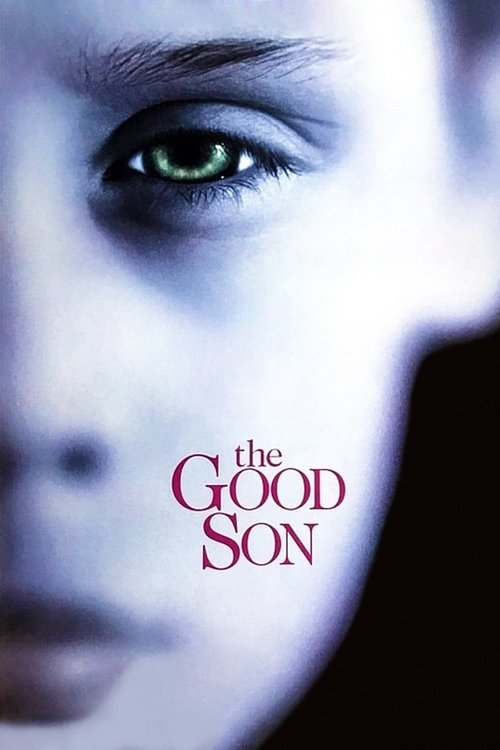
The Good Son
1993A young boy stays with his aunt and uncle, and befriends his cousin who's the same age. But his cousin begins showing increasing signs of psychotic behavior.
By weaponizing Macaulay Culkin’s cherubic stardom into something genuinely predatory, this film taps into a primal anxiety regarding the inherent unknowability of children. It is a sleek, cold-blooded thriller that trades supernatural monsters for the terrifying reality of a pre-adolescent sociopath.
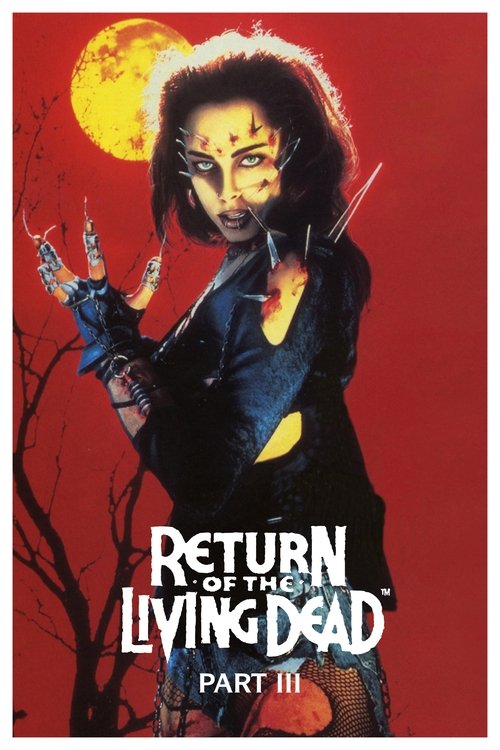
Return of the Living Dead III
1993Having recently witnessed the horrific results of a top secret project to bring the dead back to life, a distraught teenager performs the operation on his girlfriend after she's killed in a motorcycle accident.
Brian Yuzna pivots the franchise away from punk-rock comedy toward a tragic, body-horror romance anchored by Melinda Clarke’s visceral transformation. The film’s preoccupation with self-mutilation as a remedy for the hunger provides a surprisingly soulful, albeit gory, departure from typical zombie tropes.
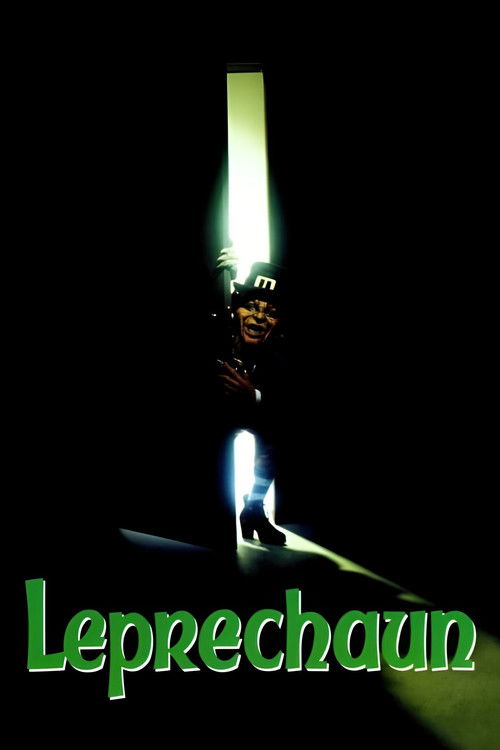
Leprechaun
1993A demonic leprechaun terrorizes a group of young people whom he believes stole his gold.
While contemporary critics scoffed, this film survives as a quintessential specimen of nineties camp thanks to Warwick Davis’s snarling, committed performance. It successfully weaponizes Irish folklore into a mean-spirited, slapstick slasher that refuses to take its own absurdity for granted.
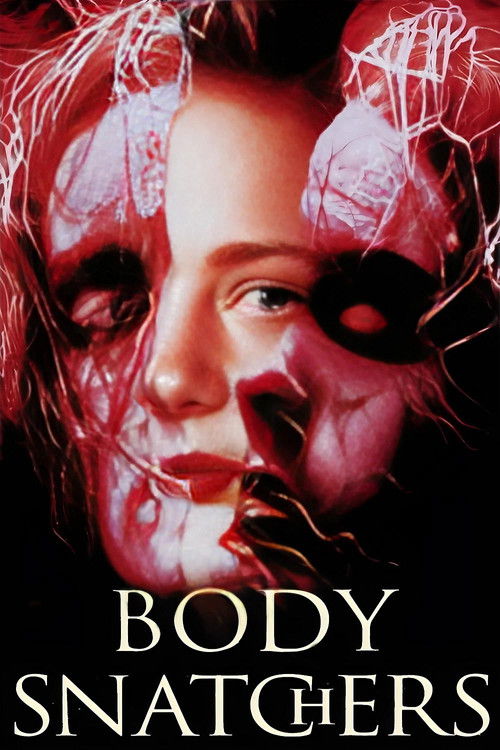
Body Snatchers
1993When Environmental Protection Agency inspector Steve Malone travels to a remote military base in order to check for toxic materials, he brings his family along for the ride. After arriving at the base, his teenage daughter Marti befriends Jean Platt, daughter of the base's commander, General Platt. When people at the base begin acting strangely, Marti becomes convinced that they are slowly being replaced by plant-like aliens.
Abel Ferrara strips away the sociopolitical artifice of previous iterations to deliver a lean, claustrophobic nightmare set against the rigid conformity of a military base. The film excels through its cold, industrial atmosphere and a truly bone-chilling realization of the pod-born scream.
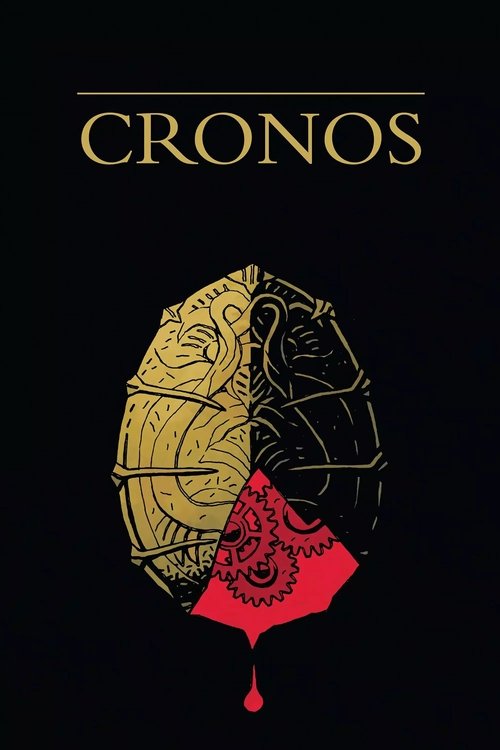
Cronos
1993Faced with his own mortality, an ingenious alchemist tried to perfect an invention that would provide him with the key to eternal life. It was called the Cronos device. When he died more than 400 years later, he took the secrets of this remarkable device to the grave with him. Now, an elderly antiques dealer has found the hellish machine hidden in a statue and learns about its incredible powers. The more he uses the device, the younger he becomes...but nothing comes without a price. Life after death is just the beginning as this nerve-shattering thriller unfolds and the fountain of youth turns bloody.
Guillermo del Toro’s debut reimagines the vampire mythos through a steampunk lens, blending clockwork precision with a deeply melancholic take on the price of immortality. It stands as a poetic anomaly in the genre, replacing traditional fangs with a gold-plated obsession that feels ancient and dangerously tactile.
Frequently Asked Questions
Everything you need to know about this list and SnakeDrafts
- Several 1993 horror movies blend genres skillfully, such as 'Cronos' which combines drama, horror, and thriller elements, and 'Man's Best Friend,' which mixes horror with science fiction, thriller, and comedy. This fusion offers viewers a rich cinematic experience beyond traditional horror tropes.
- Yes, supernatural and slasher themes are noticeable, especially in 'Jason Goes to Hell: The Final Friday,' which continues the slasher legacy, and 'The Dark Half,' which delves into supernatural horror. These films highlight the lingering influence of classic 80s horror while introducing new narrative twists.
- Psychological thriller elements are found in movies like 'The Good Son,' where child psychology intertwines with horror, and 'Trauma,' which combines thriller and mystery with horror. These films emphasize suspense and character-driven narratives over straightforward scares.
- Yes, 'Leprechaun' offers a blend of horror and comedy that has earned a cult status, while 'Body Bags' combines horror and comedy with sci-fi elements, often appealing to fans of genre mashups and campy thrills. These movies are known for their playful tone amidst horror themes.
- 1993 horror movies demonstrate a genre in flux, with traditional slasher films giving way to more experimental narratives like 'Necronomicon' and hybrid horror-comedies such as 'Return of the Living Dead III.' This transition period sees a mix of classic scares and innovative storytelling techniques.
- Yes, 'Return of the Living Dead III' uniquely combines horror with romance, exploring a supernatural love story amid zombie themes. This blend distinguishes it from typical horror films of the era by adding emotional depth.
- Movies like 'Man's Best Friend' center around a genetically enhanced dog, and 'Leprechaun' features a malevolent supernatural creature, making creature features a notable subgenre in 1993's horror scene. These films offer practical effects and monster-centric storytelling.
- 'Needful Things' is a notable example, adapted from Stephen King's novel, providing a deep narrative combined with horror elements. Its story-driven approach contrasts with the more visceral or comedic films on the list, appealing to fans of literary horror adaptations.