Best SciFi Movies of 1975
Classic Dystopian Thrillers and Cult Space Adventures
Explore the best science fiction cinema from the mid seventies. Discover dystopian sports, cult musicals, and post-apocalyptic cult classics.
About SciFi 1975 Movies
In the history of science fiction cinema, 1975 often feels like the deep, quiet breath taken before the world changed forever. It was a transitional period, situated two years after the nihilism of Soylent Green and two years before the explosive arrival of Star Wars. The landscape was strange, cynical, and deeply experimental. Directors were no longer merely looking at the stars with wonder; they were using the future to critique the crumbling social structures of the present.
The definitive film of that year was arguably Rollerball. Directed by Norman Jewison, it offered a brutal vision of a corporate controlled future where individual achievement is suppressed in favor of bloodthirsty spectacle. James Caan played Jonathan E., a sports superstar who becomes a threat to the global elite simply by refusing to retire. In 1975, the genre was obsessed with this kind of corporate dystopia. It reflected a post Watergate fatigue, a sense that the institutions meant to protect us had instead become cold, faceless machines. Rollerball succeeded because it felt tactile and grounded, using brutal, practical action to deliver a sophisticated message about the death of the individual.
While Rollerball explored the cruelty of the elite, Death Race 2000 took the same concept and doused it in camp and neon. Produced by Roger Corman, this cult classic turned the dystopian sport trope into a satirical demolition derby. It was loud, cheap, and surprisingly sharp in its takedown of American media consumption. Between these two films, 1975 established the idea that the future would be televised, and it would be violent.
Away from the arenas, the genre was also getting weird. This was the year of A Boy and His Dog, a surreal and disturbing post apocalyptic tale starring a young Don Johnson. It was based on Harlan Ellison’s prose, and it captured the grit of the decade perfectly. There were no sleek spaceships here, only dirt, telepathic dogs, and a deeply cynical view of human nature. It remains one of the most polarizing entries in the sci-fi canon, a film that refuses to offer comfort or easy answers.
On the other side of the pond, the United Kingdom gave us The Rocky Horror Picture Show. While often categorized as a musical or horror comedy, it is at its heart a love letter to the B-movies of the fifties. With its alien transvestites and mad scientist tropes, it subverted the very foundations of the genre. It signaled that science fiction was expanding its borders to include queer identity and counterculture rebellion.
If 1975 had an underlying theme, it was the collapse of the dream. The polished, optimistic futures of the early sixties were long gone. In their place were crowded cities, ecological warnings, and the realization that technology might just be a better way to exploit one another. Even Disney got in on the act with Escape to Witch Mountain, though it traded the era’s typical cynicism for a more family friendly mystery about alien siblings.
Looking back, 1975 was the last year science fiction was allowed to be this consistently grimy and adult before the blockbuster era turned the genre into a playground for the imagination. It was a year of warnings and weirdness, proving that movies about the future tell us far more about the year they were made than the years they portray. It was a fascinating, messy precursor to the cinematic revolution that was just over the horizon.
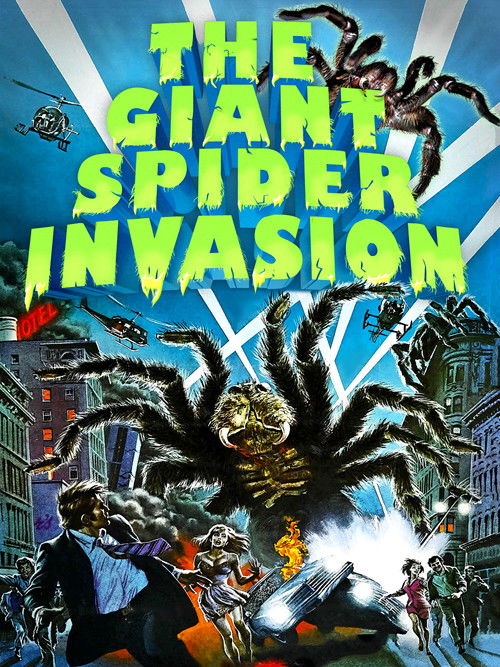
The Giant Spider Invasion
1975A black hole hits North Wisconsin and opens a door to other dimensions. Giant 15 meter spiders emerge from it, who have an appetite for human flesh! Two NASA scientists try to save the world.
A masterpiece of drive-in camp, this feature thrives on the sheer audacity of its low-budget creature effects and rural desperation. It serves as a gritty, unpolished artifact of the decade’s obsession with ecological blowback and regional horror.
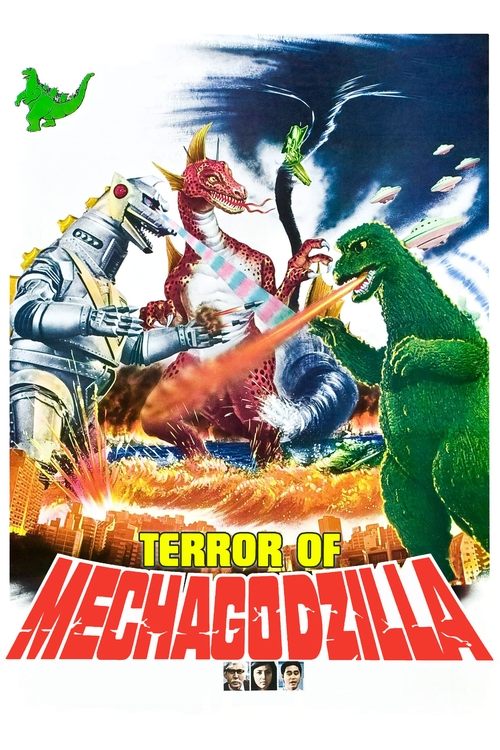
Terror of Mechagodzilla
1975A submarine expedition to salvage the remains of Mechagodzilla is thwarted by a massive dinosaur named Titanosaurus. An Interpol investigation leads biologist Ichinose to uncover the work of Dr. Mafune and his mysterious daughter Katsura. Aligned with the Black Hole Aliens, Katsura's life becomes entwined with the resurrected machine.
Ishirō Honda returns to the helm to provide a melancholic, sophisticated bookend to the Showa era of kaiju cinema. The film elevates the spectacle through a surprisingly tragic human narrative and a darker, more intricate mechanical menace.
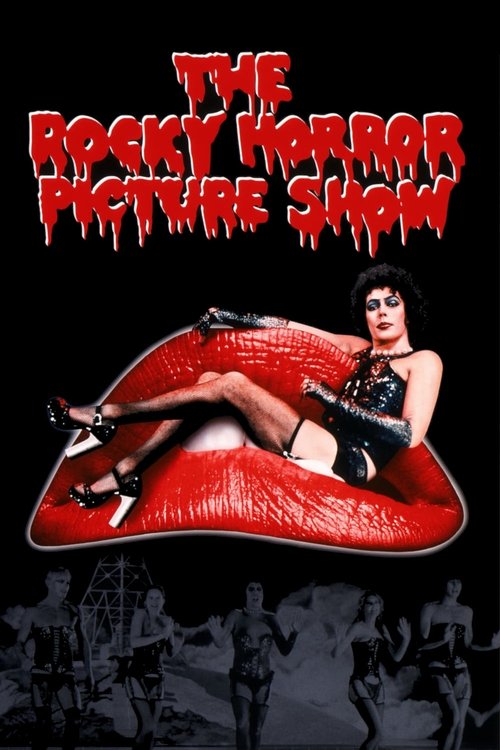
The Rocky Horror Picture Show
1975After getting a flat tire in the middle of nowhere, newly engaged couple Brad and Janet encounter the eerie mansion of the flamboyant, seductive Dr. Frank-N-Furter and a variety of eccentric characters. Through elaborate dance and rock music, the mad scientist unveils his latest creation: a perfect, muscular man.
This chaotic collision of B-movie homage and queer liberation remains the ultimate science fiction anomaly. By refracting traditional alien invasion tropes through a prism of glam-rock decadence, it redefined the genre's capacity for cultural defiance.
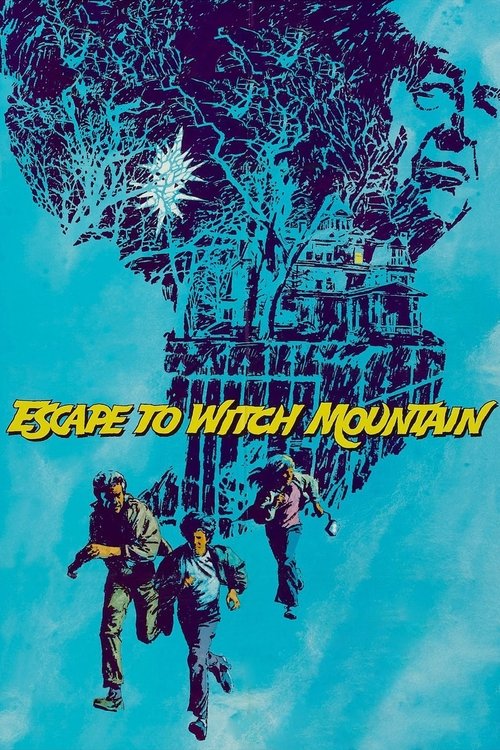
Escape to Witch Mountain
1975Tia and Tony are two orphaned youngsters with extraordinary powers. Lucas Deranian poses as their uncle in order to get the kids into the clutches of Deranian's megalomaniacal boss, evil millionaire Aristotle Bolt, who wants to exploit them. Jason, a cynical widower, helps Tia and Tony escape to witch mountain, while at the same time Tia and Tony help Jason escape the pain of the loss of his wife.
Disney pivots toward the ethereal with this atmospheric mystery that trades whimsical tropes for a genuine sense of extraterrestrial wonder. The film captures a unique intersection of 1970s paranoia and childhood innocence through its strikingly suspenseful pacing.
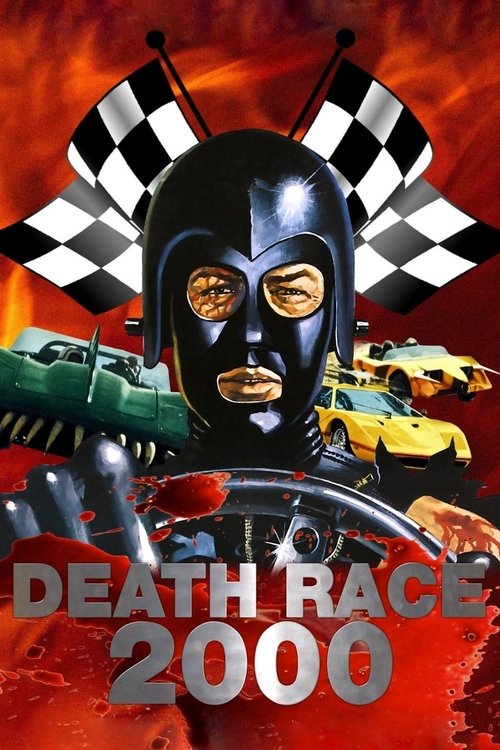
Death Race 2000
1975In a boorish future, the government sponsors a popular, but bloody, cross-country race in which points are scored by mowing down pedestrians. Five teams, each comprised of a male and female, compete using cars equipped with deadly weapons. Frankenstein, the mysterious returning champion, has become America's hero, but this time he has a passenger from the underground resistance.
Roger Corman’s satirical engine roars with a transgressive energy that mocks American sensationalism while delivering pure, unadulterated exploitation gold. It is a neon-soaked demolition derby that successfully disguises sharp political subversion as low-brow carnage.
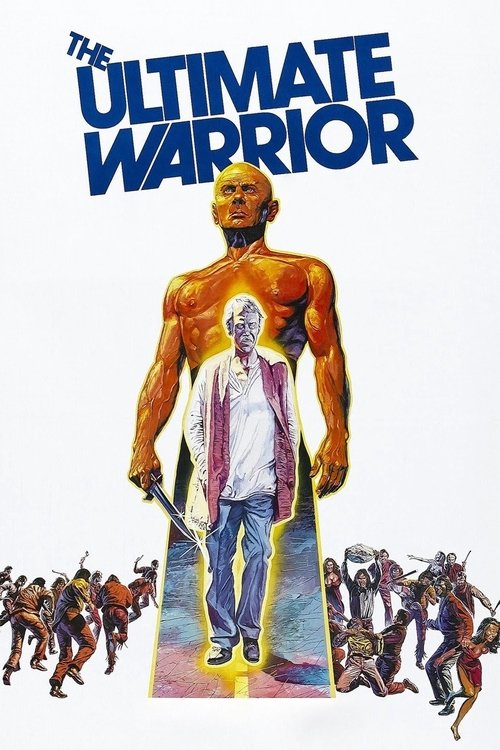
The Ultimate Warrior
1975Only a few people still live in New York in 2012. They are organized in gangs with their own turf. One of them is led by Baron, another one by Carrot, and they are constantly at war with each other.
Yul Brynner’s stoic presence anchors this grimy, claustrophobic portrait of societal collapse that avoids flash for grounded, muscular storytelling. It stands out as a somber precursor to the gritty urban dystopias that would eventually define the following decade.
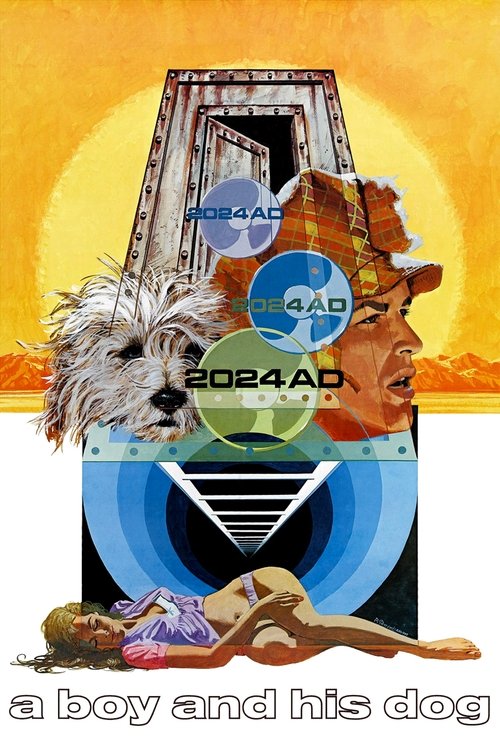
A Boy and His Dog
1975Set in the year 2024 in post-apocalyptic America, 18-year old Vic and his telepathic dog, Blood, are scavengers in the desolate wilderness ravaged by World War IV, where survivors must battle for food and shelter in the desert-like wasteland. Vic and Blood eke out a meager existence, foraging for food and fighting gangs of cutthroats.
This surrealist odyssey filters post-apocalyptic survival through a lens of pitch-black cynicism and telepathic eccentricity. L.Q. Jones defies genre conventions by favoring a jarring, absurdist tone that feels decades ahead of its time.
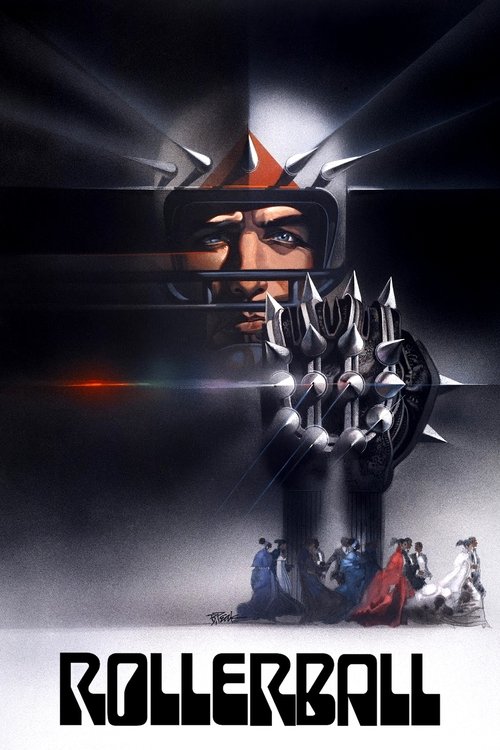
Rollerball
1975In a corporate-controlled future, an ultra-violent sport known as Rollerball represents the world, and one of its powerful athletes is out to defy those who want him out of the game.
Norman Jewison delivers a brutalist masterpiece that critiques the corporatization of human spirit through visceral, high-octane spectacle. It remains a definitive statement on the death of individualism in an age of bloodthirsty, state-sponsored entertainment.
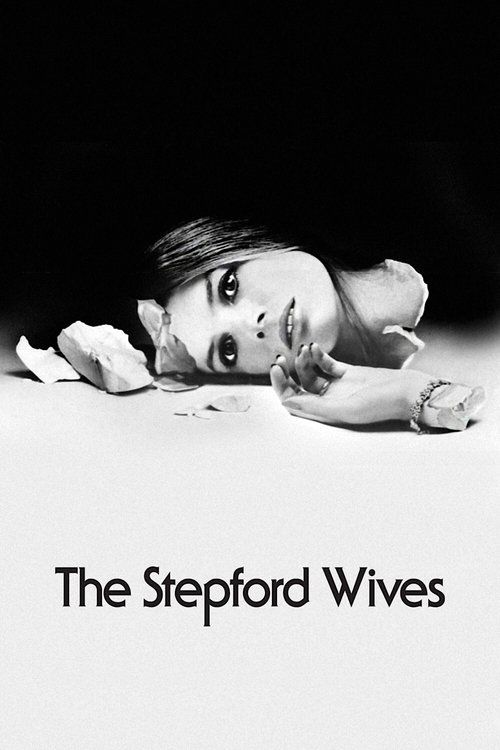
The Stepford Wives
1975Joanna Eberhart comes to the town of Stepford, Connecticut with her family, but soon discovers there lies a sinister truth in the all too perfect behavior of the female residents.
A chillingly precise dissection of suburban conformity, this film weaponizes domesticity to expose the era's anxieties surrounding gender autonomy. Its clinical approach to horror transforms a lush Connecticut landscape into a sterile, terrifying vision of patriarchal control.
Frequently Asked Questions
Everything you need to know about this list and SnakeDrafts
- 'The Stepford Wives' stands out as the top pick for its unique blend of mystery, thriller, and sci-fi elements, along with its sharp social commentary on gender roles and conformity. Directed by Bryan Forbes, it's a quintessential film that reflects the 1975 mood of societal critique through science fiction.
- The 1975 sci-fi movies often explore dystopian futures, societal collapse, and human identity, as seen in films like 'Rollerball' and 'A Boy and His Dog.' There's a notable trend toward using sci-fi to critique present-day social and political structures, rather than just imagining futuristic technology.
- 'The Rocky Horror Picture Show' is included because it blends science fiction with musical, fantasy, and horror elements, making it a cult classic that defies traditional genre boundaries. Its innovative and subversive approach has cemented its place as a significant 1975 sci-fi film despite its musical format.
- Yes, titles like 'The Giant Spider Invasion' and 'The Ultimate Warrior' are lesser-known but significant for their cult status and reflection of 1970s sci-fi trends like combining horror with science fiction and action. These movies represent the experimental and diverse nature of 1975 sci-fi cinema.
- 'Rollerball' exemplifies 1975's sci-fi style by presenting a dystopian sports drama that critiques corporate control and societal desensitization to violence. Directed by Norman Jewison, it combines action with social commentary, a hallmark of the era's sci-fi films.
- 'Death Race 2000' is a cult classic for its satirical take on violence, media, and authoritarianism, wrapped in a futuristic, high-octane action sci-fi. Its blend of dark comedy and dystopian themes is a perfect example of 1975's edgy and experimental sci-fi cinema.
- Family-friendly sci-fi like 'Escape to Witch Mountain' offers a contrast to the darker dystopian and satirical themes prevalent in 1975, showing the genre's versatility. This film incorporates fantasy and adventure elements, appealing to a broader audience while staying true to the sci-fi spirit.