Ranking the Greatest Ricky Gervais Movies
The Sharpest Wit of British Comedy on the Big Screen
Explore the definitive guide to Ricky Gervais's best films, from cult comedies to major Hollywood voice roles and satirical masterpieces.
About Ricky Gervais
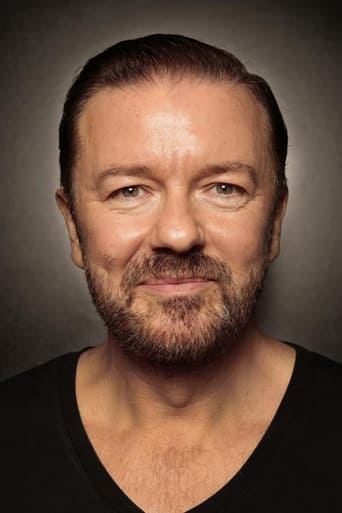
Ricky Gervais occupies a territory in the cultural landscape that is entirely his own, a space where cringe comedy meets profound existentialism. While he first pierced the global consciousness as the delusional middle manager David Brent, his evolution into a cinematic fixture and a polarizing awards show host has cemented his status as the court jester of the modern age. He does not just perform; he needle-prods the audience, expertly navigating the thin line between being utterly insufferable and heartbreakingly human. This duality defines his appeal, allowing him to oscillate between the cynicism of a professional provocateur and the warmth of a man who clearly cares about the fragility of the human condition.
His transition to the big screen often involved subverting the typical leading man tropes. In Ghost Town, he played a misanthropic dentist forced into empathy, a role that showcased his ability to ground supernatural absurdity with a grounded, grumpy realism. This knack for conceptual comedy flourished in The Invention of Lying, where he imagined a world devoid of deceit, positioning himself as the only inhabitant capable of a falsehood. Even when stepping into massive franchises like Night at the Museum, he brought a specific, frantic energy to the role of Dr. McPhee, playing the high-strung authority figure with a comic precision that made him a standout across the entire trilogy, including Battle of the Smithsonian and Secret of the Tomb.
Behind the lens, Gervais has proven to be a savvy architect of nostalgia and class dynamics. With Cemetery Junction, he stepped away from his usual brand of sarcasm to deliver a sincere, stylish coming-of-age story that felt like a love letter to 1970s England. Yet, he is never far from his roots. He eventually returned to his most iconic creation with David Brent: Life on the Road, a film that served as a tragicomic reminder of the character's desperate, misplaced ambition. This relentless commitment to character study is why audiences stick with him. Whether he is voicing a cat in The Willoughbys or a pilot in The Little Prince, that unmistakable rasp and rhythmic delivery command attention.
There is a certain fearlessness to his career trajectory. He can share the screen with a felt frog in Muppets Most Wanted or navigate the ensemble satire of For Your Consideration without losing his distinct perspective. Even his work on projects like the Derek Special highlights his polarizing tendency to find humor in places most actors would find too sensitive or sacred. Gervais is a master of the uncomfortable, building a legacy out of the things we usually try to ignore. He remains a vital figure in entertainment because he refuses to play it safe, reminding us that the best way to deal with the absurdity of life is to point it out and have a laugh at its expense.
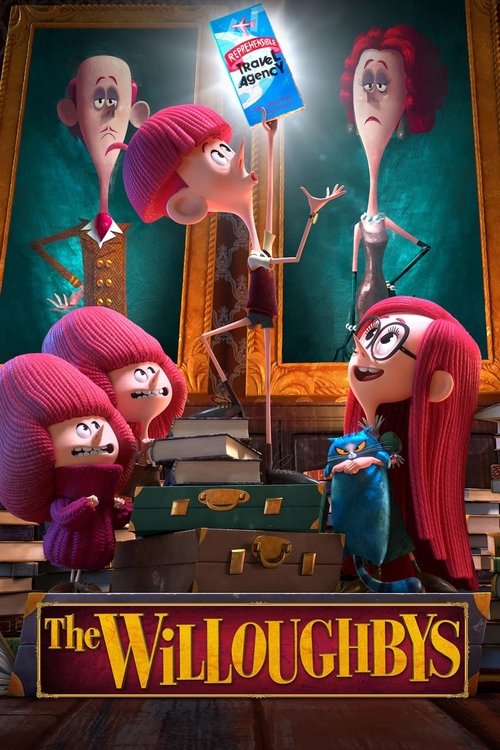
The Willoughbys
2020When the four Willoughby children are abandoned by their selfish parents, they must learn how to adapt their Old-Fashioned values to the contemporary world in order to create something new: The Modern Family.
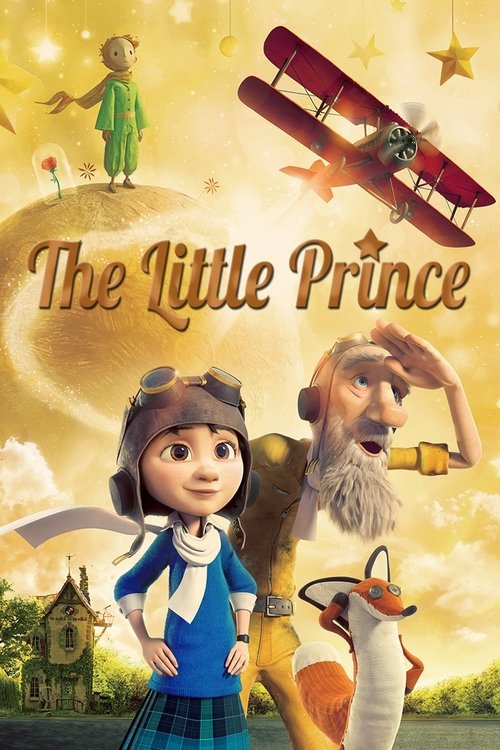
The Little Prince
2015Based on the best-seller book 'The Little Prince', the movie tells the story of a little girl that lives with resignation in a world where efficiency and work are the only dogmas. Everything will change when accidentally she discovers her neighbor that will tell her about the story of the Little Prince that he once met.
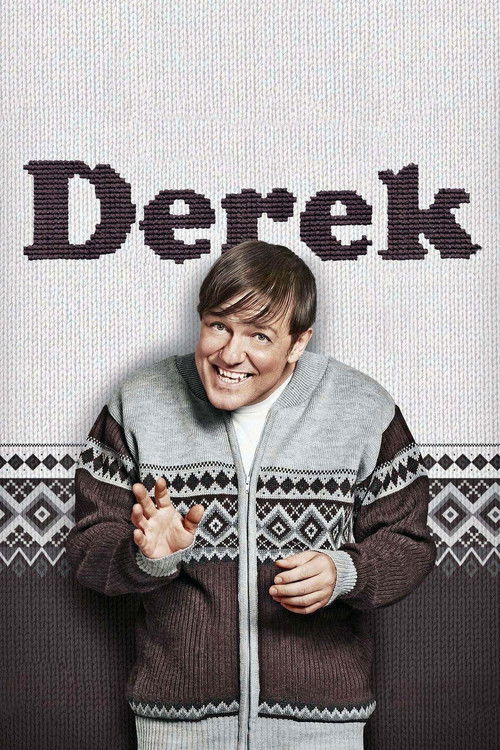
Derek Special
2015Pregnant again, Hannah is back with Tom, now working on the bins, and they are shortly to marry, with Derek giving the bride away. Derek himself spends the night in the home's caravan with girlfriend Tracey though it is unclear whether they did anything except sleep. Days before the wedding Hannah gets so annoyed with Kev that she throws him out and he is next discovered in hospital, suffering from alcohol poisoning. However, at Derek's request, she lets him back in on condition he gives up the drink and allows him to give her away at the wedding instead of Derek. Despite a bizarre speech from Kev the day goes well and some months later Hannah gives Derek her new-born baby to hold.
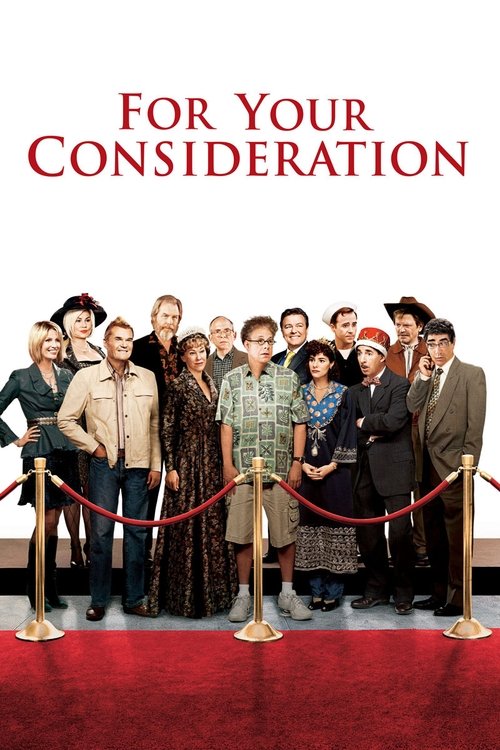
For Your Consideration
2006The possibility of Oscar gold holds the cast and crew of an independent film in its grip after the performance of its virtually unknown, veteran star generates awards buzz.
Embedded within Christopher Guest's ensemble, Gervais adapts his improvisational style to fit a more collaborative, dryly satirical environment. This role serves as a bridge between his British mockumentary roots and the American masters of the genre.
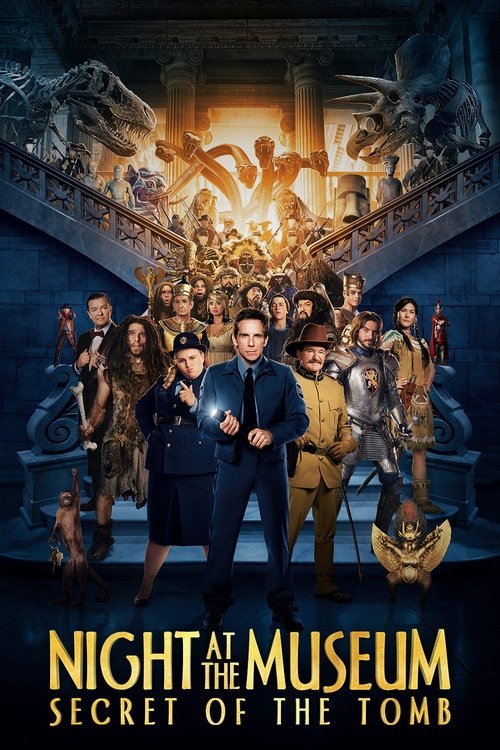
Night at the Museum: Secret of the Tomb
2014When the magic powers of The Tablet of Ahkmenrah begin to die out, Larry Daley spans the globe, uniting favorite and new characters while embarking on an epic quest to save the magic before it is gone forever.
Gervais provides a sense of continuity in this franchise finale, offering a polished version of his signature nervous energy. His role acts as a bridge for the series, maintaining a consistent comedic tone even as the production scale expanded globally.
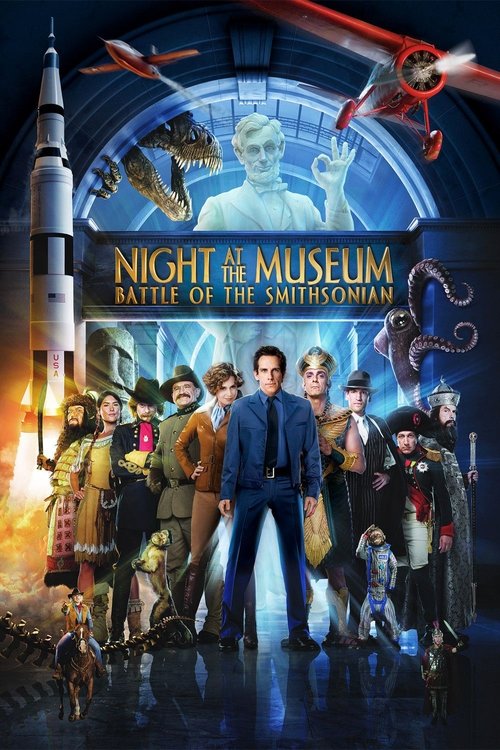
Hapless museum night watchman Larry Daley must help his living, breathing exhibit friends out of a pickle now that they've been transferred to the archives at the Smithsonian Institution. Larry's (mis)adventures this time include close encounters with Amelia Earhart, Abe Lincoln and Ivan the Terrible.
Returning as the flustered Dr. McPhee, Gervais leans harder into the character's social incompetence for reliable laughs. While the role is smaller, his presence ensures the sequel maintains a tether to the workplace comedy roots that made the original dynamic work.
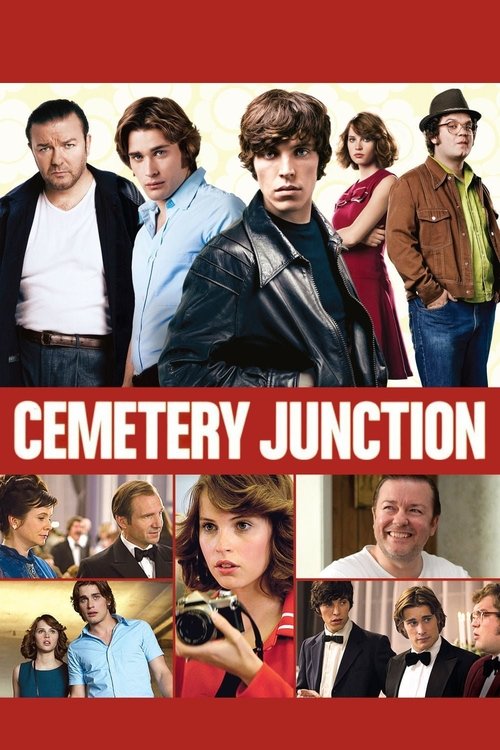
Cemetery Junction
2010In 1970s England, three blue-collar friends spend their days joking, drinking, fighting and chasing girls. Freddie wants to leave their working-class world but cool, charismatic Bruce and lovable loser Snork are happy with life the way it is. When Freddie gets a new job as a door-to-door salesman and bumps into his old school sweetheart Julie, the gang are forced to make choices that will change their lives for ever.
By stepping behind the camera for this nostalgic coming of age tale, Gervais showcases a sentimental depth often hidden by his public persona. His directorial choice to focus on working class aspiration suggests a creative maturity and a desire to move beyond the cynicism of his earlier television hits.
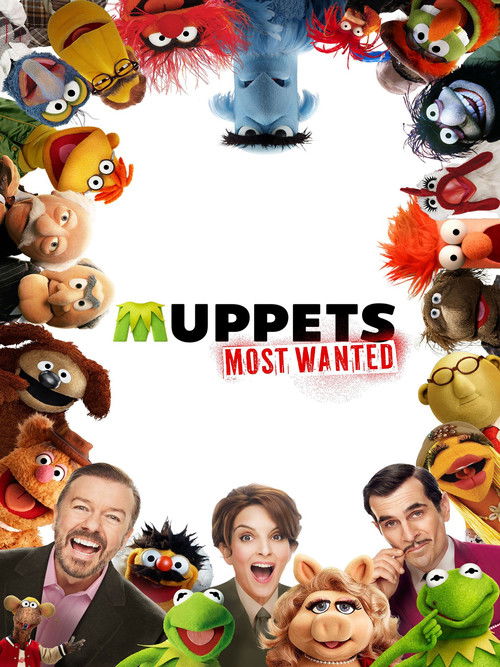
Muppets Most Wanted
2014While on a grand world tour, The Muppets find themselves wrapped into an European jewel-heist caper headed by a Kermit the Frog look-alike and his dastardly sidekick.
Stepping into the role of a vaudevillian villain, Gervais embraces a theatrical silliness that deviates from his usual dry irony. This performance highlights his ability to share the frame with puppets without losing his own comedic presence, signaling a rare foray into pure family entertainment.
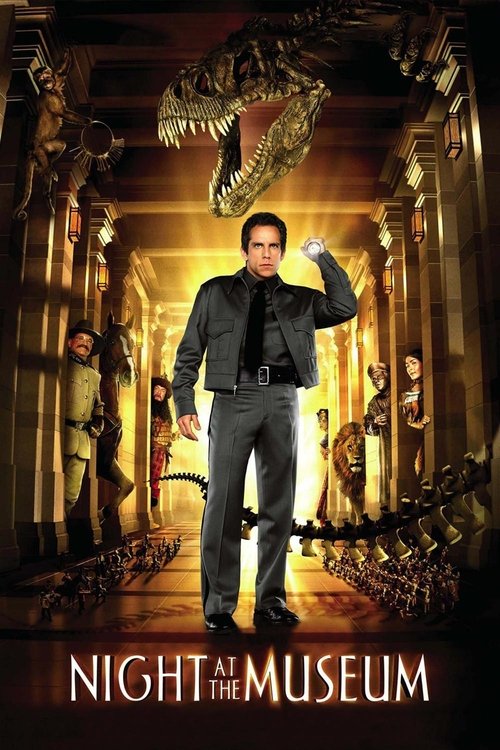
Night at the Museum
2006Chaos reigns at the natural history museum when night watchman Larry Daley accidentally stirs up an ancient curse, awakening Attila the Hun, an army of gladiators, a Tyrannosaurus rex and other exhibits.
Playing the rigid foil to Ben Stiller, Gervais demonstrates his proficiency at the classic comedy archetype of the pedantic bureaucrat. His participation here marked his successful infiltration of the Hollywood blockbuster machine, proving his British sensibilities could translate to massive global audiences.
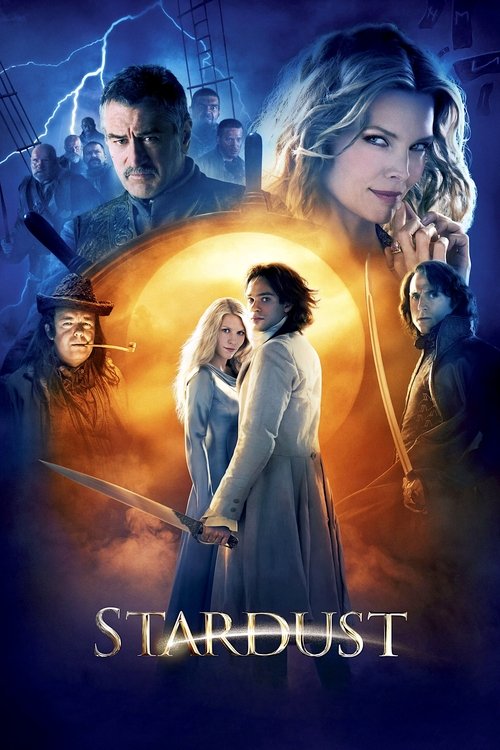
Stardust
2007In a countryside town bordering on a magical land, a young man makes a promise to his beloved that he'll retrieve a fallen star by venturing into the magical realm. His journey takes him into a world beyond his wildest dreams and reveals his true identity.
Gervais steals his brief screen time by injecting a jolt of gritty, fast talking realism into a lush fantasy landscape. It is a masterclass in utilizing his natural comedic rhythm to provide necessary friction against the film's more whimsical elements.

The Invention of Lying
2009Set in a world where the concept of lying doesn't exist, a loser changes his lot when he invents lying and uses it to get ahead.
As both director and star, Gervais weaponizes his specific brand of awkward directness to dissect social artifice. The film serves as a fascinating, if cynical, manifesto that transitions him from a sitcom breakout to a creative force with a distinct philosophical lens.
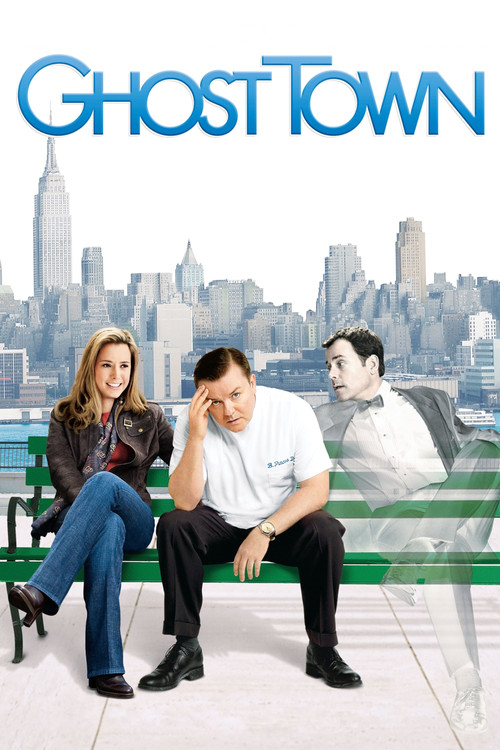
Ghost Town
2008Bertram Pincus, a cranky, people-hating Manhattan dentist, develops the unwelcome ability to see dead people. Really annoying dead people. Even worse, they all want something from him, particularly Frank Herlihy, a smooth-talking ghost, who pesters him into a romantic scheme involving his widow Gwen. They are soon entangled in a hilarious predicament between the now and the hereafter!
Gervais finds his cinematic sweet spot by leaning into a misanthropic charm that feels far more grounded than his typical caricature work. This role proves he can carry a studio lead with a nuanced vulnerability that anchors the supernatural high concept in genuine human evolution.
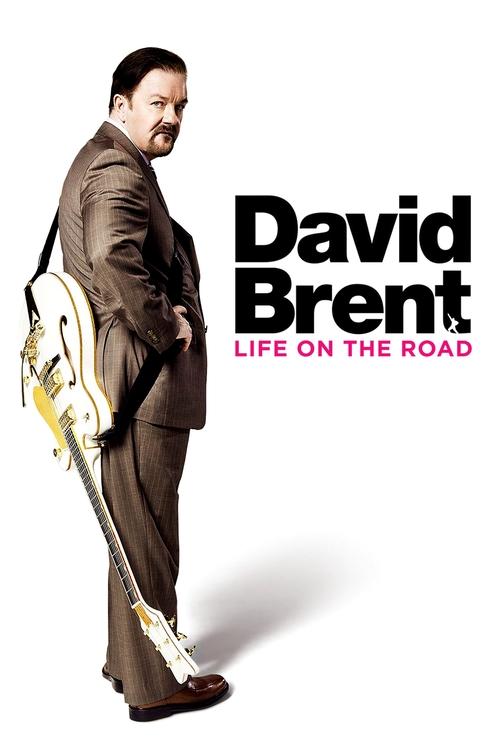
David Brent: Life on the Road
2016A camera crew catches up with David Brent, the former star of the fictional British series, "The Office" as he now fancies himself a rockstar on the road.
Returning to his most famous creation, Gervais explores the tragic desperation of middle age with a brutal, unflinching honesty. It is a polarizing look at the character's legacy that prioritizes uncomfortable character study over easy nostalgia.
Frequently Asked Questions
Everything you need to know about this list and SnakeDrafts
- Ricky Gervais's films often explore themes like cringe comedy, existentialism, and human imperfections, as seen in 'David Brent: Life on the Road' and 'Cemetery Junction.' His work blends humor with poignant social commentary, making his films resonate on multiple levels.
- Ricky Gervais demonstrates his dual talent as a director and actor in 'The Invention of Lying' and 'David Brent: Life on the Road,' where he not only stars but also directs, crafting unique worlds that mix comedy and fantasy elements.
- Besides his adult-oriented comedies, Gervais has lent his voice and presence to family-friendly fantasy films like 'The Little Prince' and the 'Night at the Museum' series, showcasing his versatility and appeal across age groups.
- Unlike his typical comedic style, 'Cemetery Junction' leans more towards a coming-of-age drama with comedic undertones, highlighting Gervais’s ability to engage audiences with nuanced storytelling beyond satire and cringe humor.
- In 'Muppets Most Wanted,' Ricky Gervais appears amid a large ensemble cast, blending his comedic style with family-friendly adventure, demonstrating his skill in supporting roles within major studio productions.
- Yes, Ricky Gervais has contributed his voice to animated features such as 'The Willoughbys' and 'The Little Prince,' where his distinctive comedic timing enriches the storytelling for younger audiences.
- In 'Ghost Town,' Ricky Gervais plays a dentist who gains the ability to see ghosts, blending romantic comedy with fantasy, which highlights his skill in combining quirky humor with heartfelt moments.