The Best Tina Fey Movies Ranked
The Ultimate Guide to Comedy's Golden Girl
From Mean Girls to Soul, explore the essential films and iconic performances of Tina Fey, the woman who redefined modern screen comedy.
About Tina Fey

In the competitive ecosystem of American comedy, Tina Fey occupies a rare space as both the smartest person in the room and the one most willing to look ridiculous for a laugh. She redefined the archetype of the leading woman, moving away from the untouchable starlet and toward a self-deprecating, hyper-articulate professional who is probably just trying to find a decent sandwich. While she first cemented her status as a cultural architect behind the desk of Saturday Night Live, her transition to cinema proved that her sharp-edged observational humor could translate into lasting big-screen resonance.
Her legacy is inextricably linked to the 2004 sleeper hit Mean Girls, a film that moved beyond simple teen comedy to become a foundational text for an entire generation. It showcased her unique ability to dissect social hierarchies with surgical precision, a skill she later brought to more mature roles. In the suburban chaos of Date Night and the frantic surrogacy arc of Baby Mama, she leaned into the frantic energy of the modern woman, grounding absurd situations with a relatable, weary competence. Audiences connect with her because she radiates a recognizable sort of brilliance—the kind that is constantly overthinking, slightly stressed, but always ready with a devastating retort.
She has spent much of her career exploring the friction between professional ambition and personal messiness. In Whiskey Tango Foxtrot, she pivoted toward a more nuanced, dramatic shade of comedy, portraying a journalist in a war zone with a gritty realism that surprised those who only knew her from sitcom tropes. This versatility extends to her vocal performances as well; her turn in Soul tapped into a profound, existential vulnerability that proved her comic timing didn't require her physical presence to land a punch. Even in high-concept projects like Megamind or the whimsical Muppets Most Wanted, her distinct cadence—clipped, intelligent, and perpetually ironic—remains unmistakable.
Her later career reflects a fascination with the darker corners of human behavior and the complexities of aging. From the dysfunctional family dynamics of This Is Where I Leave You to the noir sensibilities of A Haunting in Venice, she has matured into a performer capable of holding a frame without a punchline. Yet, she never strays too far from her roots. Her return to the world she built in the 2024 musical reimagining of Mean Girls and her work in the offbeat Maggie Moore(s) shows an artist comfortable revisiting her past while constantly tinkering with her future.
Whether she is playing a buttoned-up admissions officer in Admission or descending into sibling rivalry alongside Amy Poehler in Sisters, Fey represents a shift in how we perceive female power in Hollywood. She didn't just break the glass ceiling; she wrote a joke about it and then built a production empire on top of the shards. She remains an essential voice because she refuses to patronize her audience, operating on the assumption that we are all just as cynical, exhausted, and desperately hopeful as she is. In a town built on artifice, her brand of intellectual honesty feels like the ultimate rebellion.
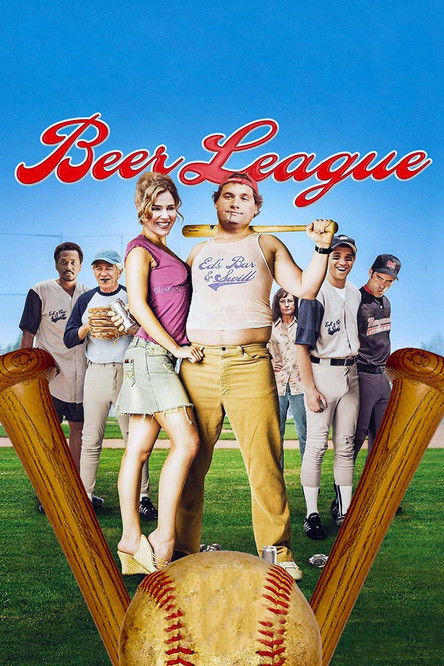
Beer League
2006An unemployed slacker inspires his softball teammates to improve their game to avoid getting kicked out of the local league.
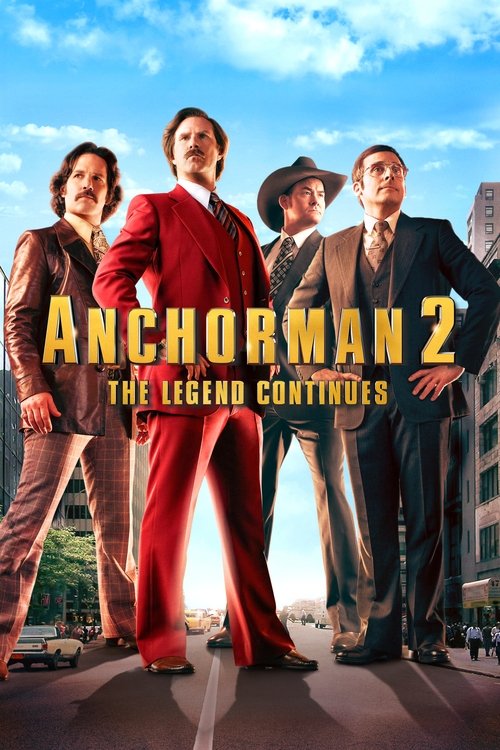
Anchorman 2: The Legend Continues
2013With the 70s behind him, San Diego's top rated newsman, Ron Burgundy, returns to take New York's first 24-hour news channel by storm.

Admission
2013Straitlaced Princeton University admissions officer Portia Nathan is caught off-guard when she makes a recruiting visit to an alternative high school overseen by her former classmate, the freewheeling John Pressman. Pressman has surmised that Jeremiah, his gifted yet very unconventional student, might well be the son that Portia secretly gave up for adoption many years ago.
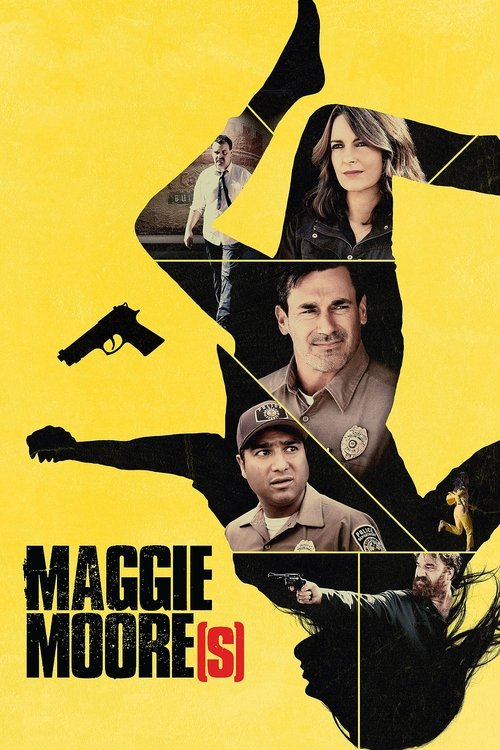
Maggie Moore(s)
2023Bizarre back-to-back murders in an otherwise quiet Arizona desert town has rattled local Police Chief Jordan Sanders. The two dead women have no connection to each other – except they’re both named Maggie Moore. While unravelling a web of small-town lies and mysteries, the investigation gets even more complicated when Sanders begins a romantic relationship with one of the murdered women's neighbor, Rita.
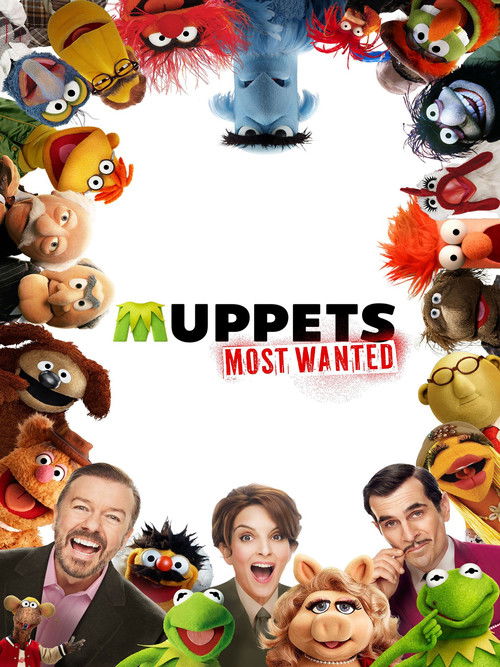
Muppets Most Wanted
2014While on a grand world tour, The Muppets find themselves wrapped into an European jewel-heist caper headed by a Kermit the Frog look-alike and his dastardly sidekick.
Fey embraces the theatricality of a Russian gulag captain, showcasing a kitschy, musical side that pays homage to her variety show background. It is a brief but joyful exhibition of her ability to dominate the frame through sheer character commitment and a pitch-perfect accent.

Sisters
2015Two disconnected sisters are summoned to clean out their childhood bedrooms before their parents sell their family home.
Role-reversing her usual archetype, Fey trades her characteristic intellectualism for a messier, more hedonistic persona. It’s an experimental turn that proves her willingness to deconstruct her public image in favor of coarse, high-energy character work.

Baby Mama
2008A successful, single businesswoman who dreams of having a baby discovers she is infertile and hires a working class woman to be her unlikely surrogate.
By leaning into the role of the uptight, career-driven foil, Fey creates the perfect comedic canvas for Amy Poehler’s chaos. Their shorthand remains unparalleled, and Fey’s performance is a masterclass in the 'controlled burn' style of comedic timing.
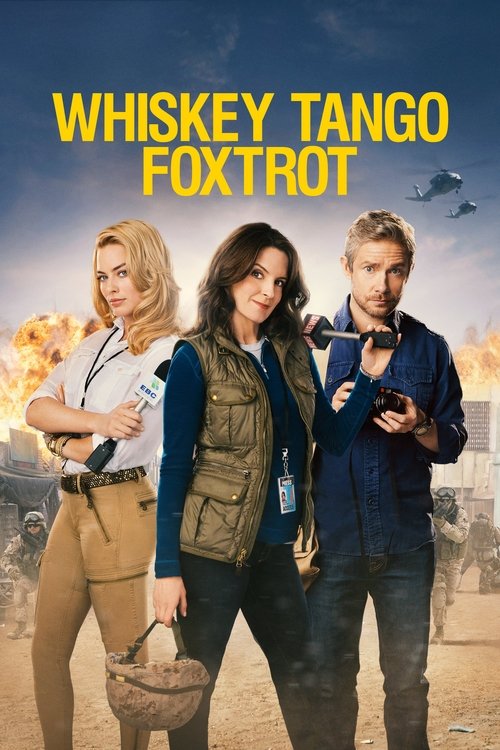
Whiskey Tango Foxtrot
2016In 2002, cable news producer Kim Barker decides to shake up her routine by taking a daring new assignment in Kabul, Afghanistan. Dislodged from her comfortable American lifestyle, Barker finds herself in the middle of an out-of-control war zone. Luckily, she meets Tanya Vanderpoel, a fellow journalist who takes the shell-shocked reporter under her wing. Amid the militants, warlords and nighttime partying, Barker discovers the key to becoming a successful correspondent.
This wartime dark comedy serves as Fey’s most ambitious attempt to bridges the gap between her Weekend Update persona and a nuanced protagonist. She masterfully navigates the tonal shift from fish-out-of-water absurdity to the somber reality of adrenaline addiction in a combat zone.
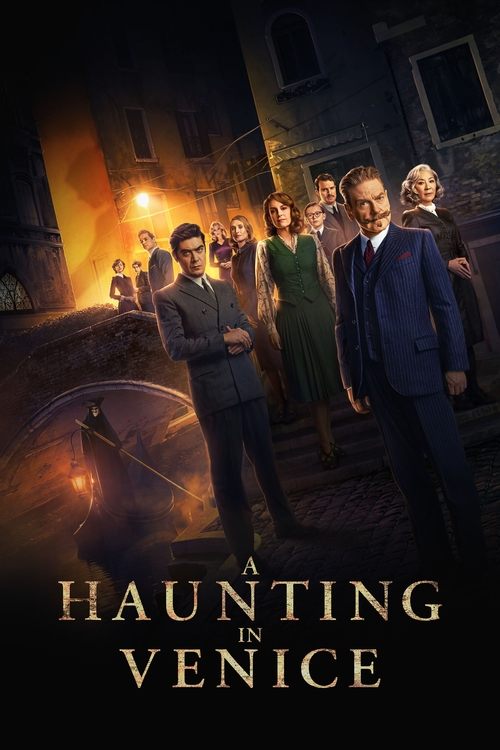
A Haunting in Venice
2023Celebrated sleuth Hercule Poirot, now retired and living in self-imposed exile in Venice, reluctantly attends a Halloween séance at a decaying, haunted palazzo. When one of the guests is murdered, the detective is thrust into a sinister world of shadows and secrets.
Channeling a sharp, fast-talking American audacity, Fey provides a necessary jolt of energy to Kenneth Branagh’s gothic atmosphere. Her portrayal of Ariadne Oliver is an intriguing stylistic departure, trading her usual self-deprecation for a calculating, ambitious intellectualism.
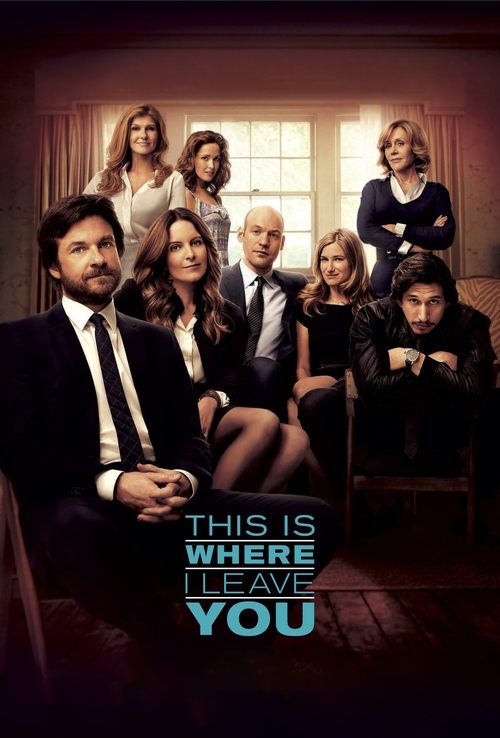
This Is Where I Leave You
2014When their father passes away, four grown, world-weary siblings return to their childhood home and are requested -- with an admonition -- to stay there together for a week, along with their free-speaking mother and a collection of spouses, exes and might-have-beens. As the brothers and sisters re-examine their shared history and the status of each tattered relationship among those who know and love them best, they reconnect in hysterically funny and emotionally significant ways.
In this ensemble piece, Fey pivots away from her sketch-comedy roots to explore a more melancholic, internalized frustration. Her portrayal of Wendy Altman offers a glimpse into a dramatic range that prioritizes quiet, domestic heartbreak over easy punchlines.
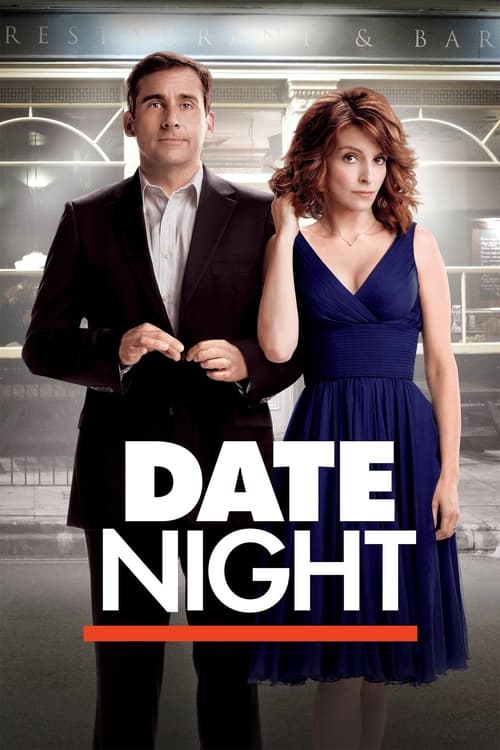
Date Night
2010Phil and Claire Foster fear that their mild-mannered relationship may be falling into a stale rut. During their weekly date night, their dinner reservation leads to their being mistaken for a couple of thieves—and now a number of unsavoury characters want Phil and Claire killed.
Fey leans into the frantic rhythm of suburban desperation, transforming a high-concept caper into a relatable study of marital chemistry. Her ability to pivot from physical slapstick to weary banter alongside Steve Carell solidifies her as a premier leading lady of the studio comedy era.
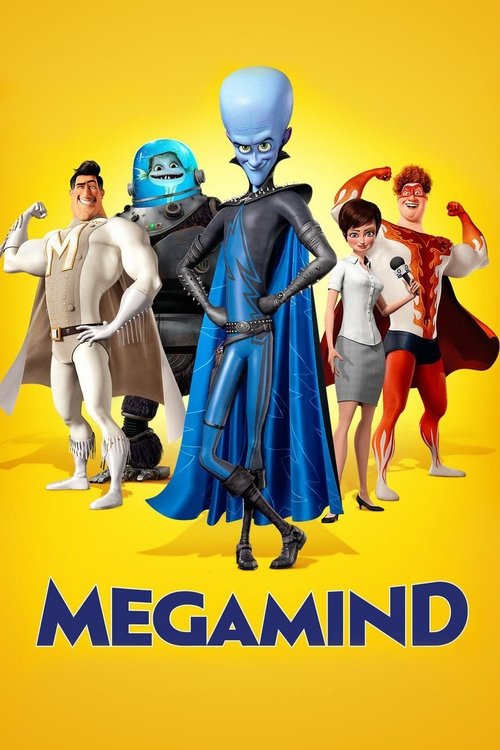
Megamind
2010After Megamind, a highly intelligent alien supervillain, defeats his long-time nemesis Metro Man, Megamind creates a new hero to fight, but must act to save the city when his "creation" becomes an even worse villain than he was.
Playing Roxanne Ritchi, Fey avoids the pitfalls of the animated damsel by voicing the character with the weary, no-nonsense skepticism of a veteran reporter. She serves as the film’s crucial straight woman, grounding the superhero absurdity with a dry, rapid-fire wit that matches Will Ferrell’s manic energy.
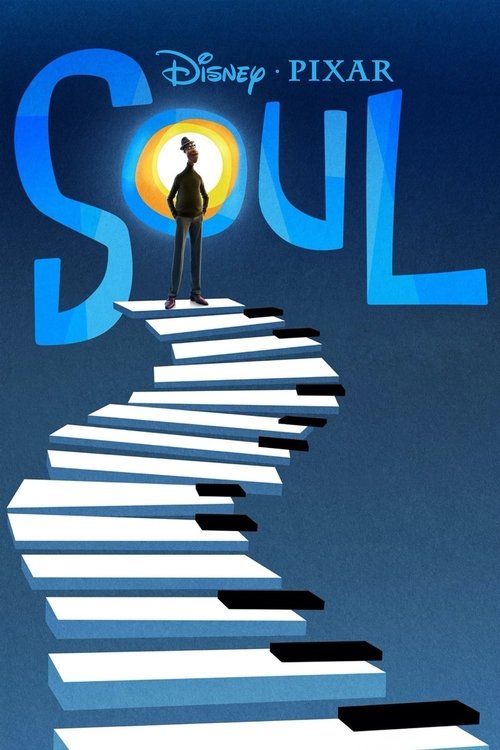
Soul
2020Joe Gardner is a middle school teacher with a love for jazz music. After a successful audition at the Half Note Club, he suddenly gets into an accident that separates his soul from his body and is transported to the You Seminar, a center in which souls develop and gain passions before being transported to a newborn child. Joe must enlist help from the other souls-in-training, like 22, a soul who has spent eons in the You Seminar, in order to get back to Earth.
Stripped of her physical expressive tics, Fey proves her voice-acting mettle by imbuing 22 with a cynical yet vulnerable existential angst. It is a rare performance that captures the precise moment a jaded intellect succumbs to the sheer wonder of being alive.

Mean Girls
2004Cady Heron is a hit with The Plastics, the A-list girl clique at her new school, until she makes the mistake of falling for Aaron Samuels, the ex-boyfriend of alpha Plastic Regina George.
Fey cemented her status as the definitive voice of millennial satire by translating the 'Second City' ethos into a sharp, sociologically astute high school classic. Her performance as the grounded Ms. Norbury provides the essential moral compass that prevents the film's biting cynicism from devolving into cruelty.
Frequently Asked Questions
Everything you need to know about this list and SnakeDrafts
- Mean Girls is ranked the best Tina Fey movie because of its cultural impact and sharp wit, showcasing Fey's talent as both a writer and performer. The film's blend of comedy and drama, along with its memorable characters, has made it a timeless classic in modern screen comedy.
- Tina Fey's role in Soul stands out because of its emotional depth and the blend of comedy and philosophy she brings to the character. Unlike typical animated comedies, Soul explores profound themes about life and purpose, with Fey’s performance adding warmth and relatability.
- Tina Fey’s filmography reflects her versatility by spanning a variety of genres including comedy, drama, animation, and thriller. From the lighthearted comedy of Sisters to the thriller A Haunting in Venice, she proves her ability to adapt to diverse roles while maintaining her signature comedic timing.
- A surprising inclusion is A Haunting in Venice, which showcases Tina Fey in a mystery thriller, a departure from her usual comedy roles. An unexpected omission might be her work in television, notably 30 Rock, which is significant but understandably excluded as this list focuses on her movies.
- Top-ranked Tina Fey movies like Mean Girls and Date Night often highlight smart, self-deprecating characters dealing with social dynamics or relationships. These themes reflect Fey’s unique comedic voice that balances intelligence with vulnerability, a pattern that resonates throughout her work.
- In animated films like Megamind and Soul, Tina Fey provides distinctive voice performances that convey complex emotions through humor and nuance. In contrast, her live-action comedies leverage her physicality and sharp dialogue delivery, displaying her range across different mediums.
- Whiskey Tango Foxtrot is significant because it showcases Tina Fey in a more dramatic and war-themed role, blending comedy and serious subject matter. This film highlights her ability to handle complex characters and stories beyond conventional comedy, broadening her artistic scope.