The Greatest 2019 SciFi Movies Ranked
Futuristic Visions and Interstellar Odysseys Explored
Explore the top science fiction cinematic releases. From deep space journeys to robotic battles, discover the year’s most imaginative genre films.
About 2019 SciFi Movies
Looking back at the cinematic landscape of 2019, it feels like we were standing at a strange crossroads for science fiction. It was a year defined by the closing of massive ideological circles and the quiet birth of new, weirder experiments. While the blockbuster machine was busy laying down the law with capes and laser swords, the fringes of the genre were doing something far more provocative.
The most obvious milestone was the arrival of Star Wars: The Rise of Skywalker. Regardless of where you land on its quality, its presence marked the end of an era. It was a film that tried to satisfy forty years of mythology, but in doing so, it highlighted a looming fatigue in big budget space opera. The spectacle was there, but the sense of discovery felt strangely absent. It was as if the genre had become so focused on looking backward that it forgot to imagine a new future.
Thankfully, the year offered plenty of reminders that science fiction is at its best when it is uncomfortable and intimate. Take James Gray’s Ad Astra, for example. It marketed itself as an interstellar epic, but it turned out to be a somber, psychological study of father-son trauma. Brad Pitt’s journey across the solar system was less about the mechanics of space travel and more about the crushing silence of the void within the human soul. It was a cold, beautiful movie that reminded us that the furthest reaches of the universe can still feel claustrophobic if you are running away from yourself.
Then there was the sleeper hit of the year, Neon’s distribution of Bong Joon-ho’s Parasite. While not traditional sci-fi, its arrival coincided with a wave of sociopolitical speculative fiction that felt incredibly urgent. If we want to talk about true genre DNA, we have to look at Galder Gaztelu-Urrutia’s The Platform. This Spanish dystopian thriller was a brutal, high-concept allegory for wealth inequality that felt more visceral than any alien invasion. It used the framework of a vertical prison to dissect human greed, proving that you only need a single room and a terrifying premise to make a masterpiece.
2019 was also the year that gave us Alita: Battle Angel. It was a swing for the fences from Robert Rodriguez and James Cameron that felt like a relic from a different era. It was earnest, visually bizarre, and unapologetically weird. In a world of polished, cynical reboots, Alita felt like it had a heartbeat. It reminded audiences that sci-fi is allowed to be messy and melodramatic if it means showing us something we have never seen before.
Perhaps the most significant shift of the year was the rise of the mid-budget intellectual thriller. Films like Sea Fever or the mind-bending The Vast of Night showed that the genre was moving toward a more grounded, textured aesthetic. These stories traded green screens for atmosphere and heavy dialogue. They focused on the moment of contact, the sound in the radio, or the parasite in the water.
As the year wrapped up, it was clear that the genre was healthy, even if it was pivoting away from the monolithic franchises. The best films of 2019 were the ones that looked at the horizon and saw not just stars, but a reflection of our own fractured society. It was a year that proved that while we might be tired of the same old legends, our hunger for the unknown has never been stronger.
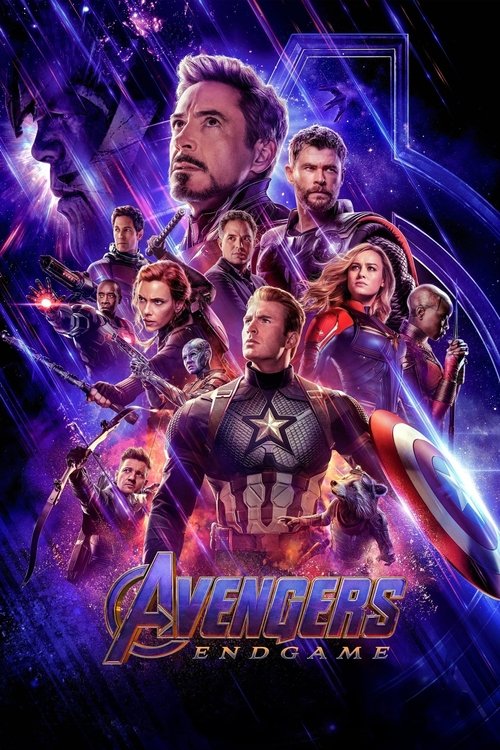
After the devastating events of Avengers: Infinity War, the universe is in ruins due to the efforts of the Mad Titan, Thanos. With the help of remaining allies, the Avengers must assemble once more in order to undo Thanos' actions and restore order to the universe once and for all, no matter what consequences may be in store.

Made in Abyss: Wandering Twilight
2019Second compilation movie of the TV series which covers episodes 9-13. Riko and Reg descend to the third and fourth layer where Riko has her first experience of the Curse.
This hauntingly beautiful anime film plunges deeper into the Abyss's nightmarish wonders, delivering an emotionally devastating journey that belies its deceptively charming art style with some of the most unflinching storytelling in modern animation.
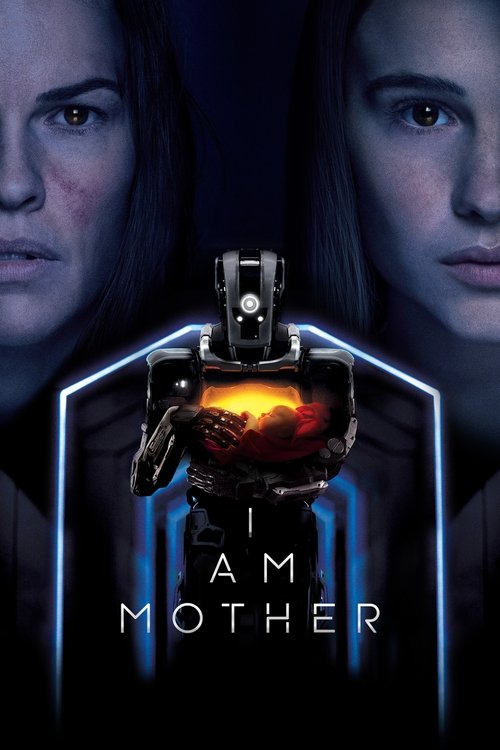
I Am Mother
2019A teenage girl is raised underground by a robot "Mother", designed to repopulate the earth following an extinction event. But their unique bond is threatened when an inexplicable stranger arrives with alarming news.
Confined and clinical, this sleek chamber piece weaponizes maternal instinct to create a high-concept friction between biology and artificial intelligence. The film thrives on its impeccable production design and a persistent, unsettling ambiguity that lingers long after the credits roll.
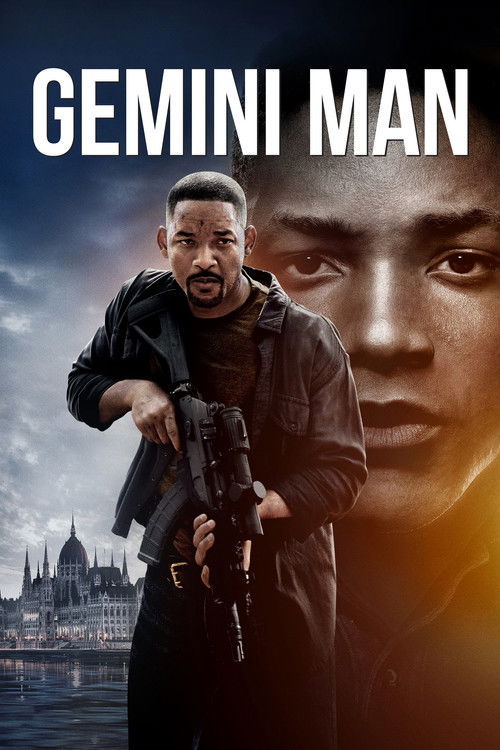
Gemini Man
2019Henry Brogan is an elite 51-year-old assassin who's ready to call it quits after completing his 72nd job. His plans get turned upside down when he becomes the target of a mysterious operative who can seemingly predict his every move. To his horror, Brogan soon learns that the man who's trying to kill him is a younger, faster, cloned version of himself.
Ang Lee continues his pursuit of digital transcendence with a high-frame-rate experiment that pushes the boundaries of the uncanny valley. The technical audacity of the de-aging process creates a fascinating, hyper-real confrontation that feels like a glimpse into the future of performance.
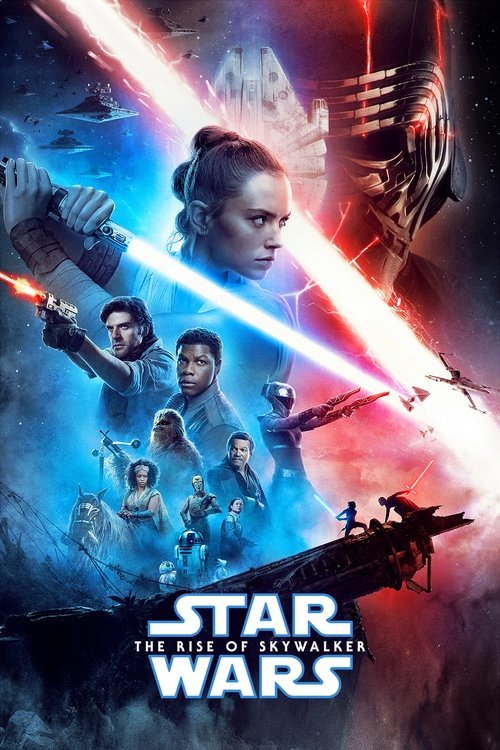
The surviving Resistance faces the First Order once again as the journey of Rey, Finn and Poe Dameron continues. With the power and knowledge of generations behind them, the final battle begins.
A frenetic collision of mythic destiny and breakneck adventure, the film serves as a sensory-overload conclusion to a decades-long saga. While dizzying in its pace, the technical craftsmanship and sheer grandeur of its set pieces provide a massive, operatic farewell to a cinematic institution.
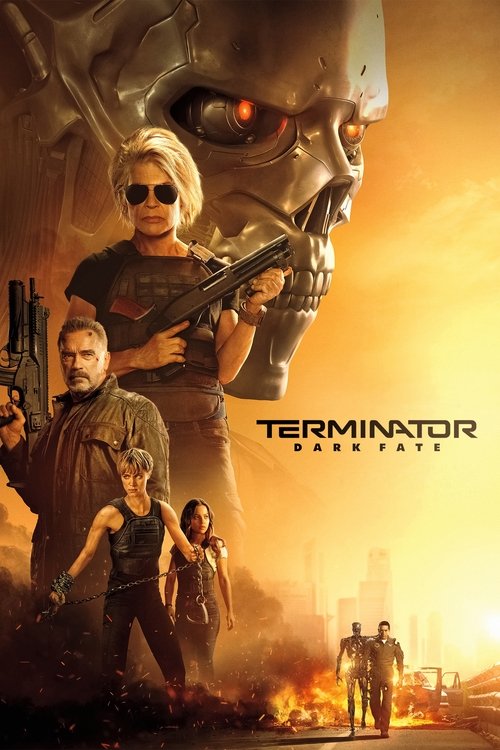
Terminator: Dark Fate
2019Decades after Sarah Connor prevented Judgment Day, a lethal new Terminator is sent to eliminate the future leader of the resistance. In a fight to save mankind, battle-hardened Sarah Connor teams up with an unexpected ally and an enhanced super soldier to stop the deadliest Terminator yet.
By reclaiming the relentless pacing and visceral stakes of the original duology, this entry finally provides the franchise with a worthy, bone-crunching evolution. The action choreography is remarkably fluid, centering on a gritty legacy that feels both nostalgic and refreshingly ruthless.

Aniara
2019A ship carrying settlers to a new home on Mars after Earth is rendered uninhabitable is knocked off-course, causing the passengers to consider their place in the universe.
This Swedish odyssey is a devastatingly bleak masterpiece that strips away the hope of space travel to reveal a chilling portrait of societal decay. It is a philosophical gut-punch that uses its setting to probe the darkest corners of human apathy and terminal nihilism.
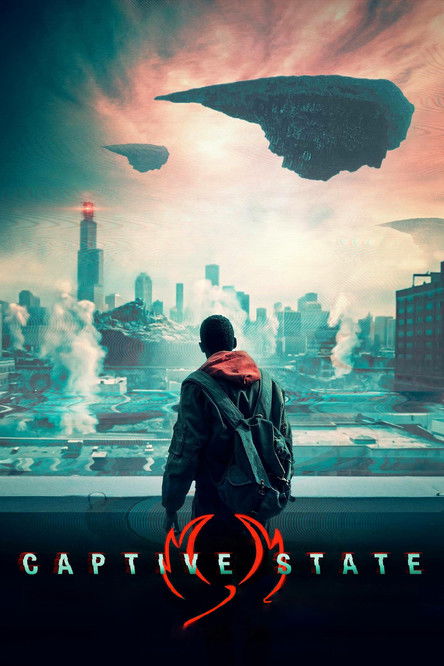
Captive State
2019Nearly a decade after occupation by an extraterrestrial force, the lives of a Chicago neighborhood on both sides of the conflict are explored. In a working-class Chicago neighborhood occupied by an alien force for nine years, increased surveillance and the restriction of civil rights have given rise to an authoritarian system -- and dissent among the populace.
Trading explosive spectacle for the paranoia of life under occupation, this gritty thriller reimagines the alien invasion as a grounded geopolitical metaphor. It excels by focusing on the suffocating atmosphere of resistance and the slow-burn tension of a city under an invisible thumb.
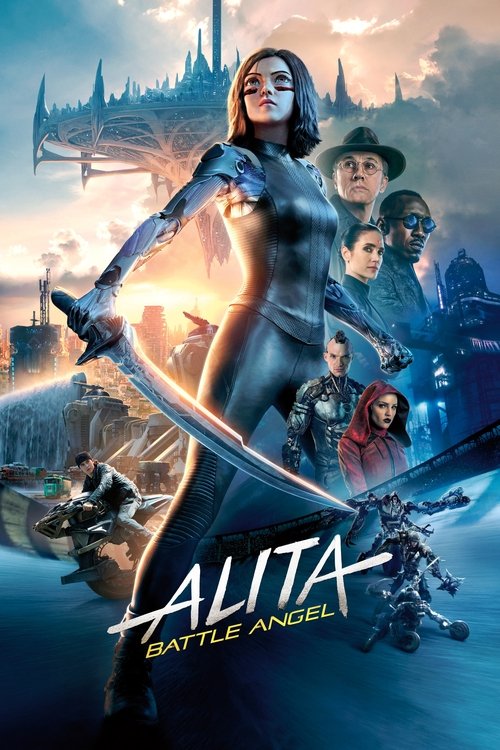
When Alita awakens with no memory of who she is in a future world she does not recognize, she is taken in by Ido, a compassionate doctor who realizes that somewhere in this abandoned cyborg shell is the heart and soul of a young woman with an extraordinary past.
Robert Rodriguez and James Cameron fuse tactile cyberpunk grit with breathtaking motion-capture technology to create a protagonist of startling emotional depth. This is a kinetic, visually lush adrenaline shot that captures the soul of manga better than any predecessor.
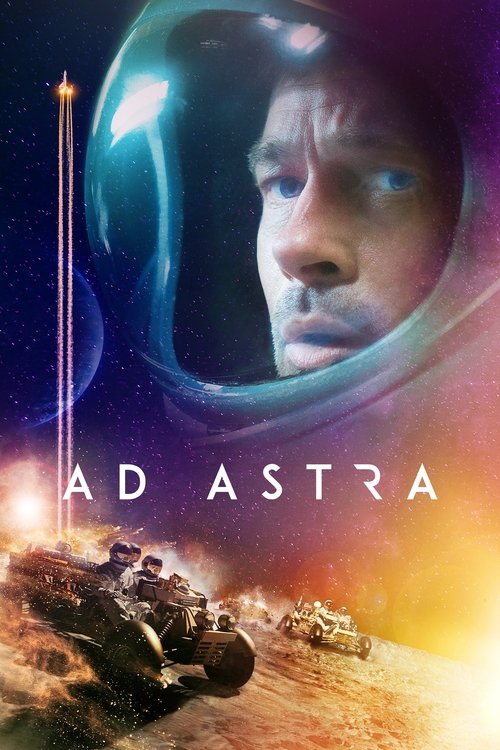
Ad Astra
2019The near future, a time when both hope and hardships drive humanity to look to the stars and beyond. While a mysterious phenomenon menaces to destroy life on planet Earth, astronaut Roy McBride undertakes a mission across the immensity of space and its many perils to uncover the truth about a lost expedition that decades before boldly faced emptiness and silence in search of the unknown.
James Gray transforms the void of deep space into a desolate mirror for the human psyche, trading laser fire for a haunting, interior odyssey. The film’s austere beauty and Brad Pitt’s restrained performance elevate it into a meditative masterwork of existential loneliness.
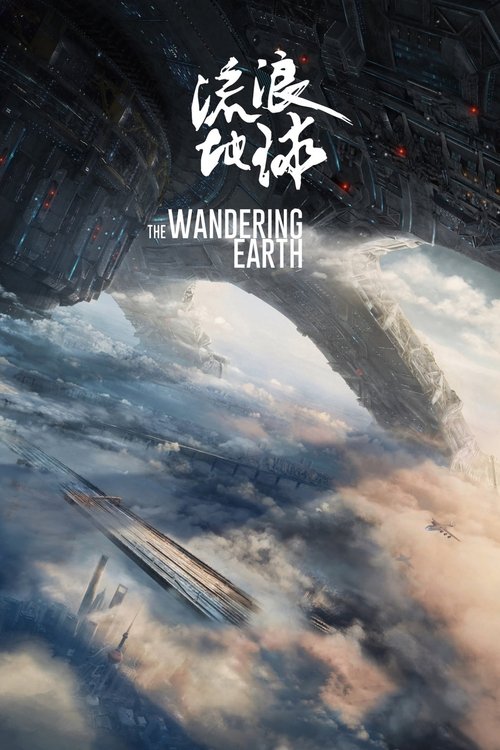
The Wandering Earth
2019When the Sun begins to expand in such a way that it will inevitably engulf and destroy the Earth in a hundred years, united mankind finds a way to avoid extinction by propelling the planet out of the Solar System using gigantic engines, moving it to a new home located four light years away, an epic journey that will last thousands of years.
Frantastic in its sheer gravitational ambition, this megastructure-sized epic redefines the disaster genre through a uniquely collectivist lens. It is a maximalist marvel that proves large-scale spectacle can be both wildly imaginative and scientifically audacious.
Frequently Asked Questions
Everything you need to know about this list and SnakeDrafts
- The 2019 sci-fi movies on this list explore themes like space exploration, humanity's relationship with technology, and the consequences of environmental collapse. For example, 'Ad Astra' delves into the emotional and physical challenges of space travel, while 'The Wandering Earth' focuses on planetary survival against cosmic threats.
- 'Star Wars: The Rise of Skywalker' represents the culmination of a long-standing saga and embodies the blockbuster spirit of 2019’s sci-fi genre with its mix of adventure, action, and science fiction. It contrasts with the more experimental and thought-provoking films on this list, highlighting the genre's diversity that year.
- Several films on this list blend sci-fi with action, such as 'Alita: Battle Angel,' known for its intense combat sequences, and 'Terminator: Dark Fate,' which continues the franchise’s legacy of thrilling action mixed with sci-fi concepts. These movies balance futuristic storytelling with high-energy entertainment.
- Yes, 'Captive State' and 'I Am Mother' incorporate thriller and psychological aspects into their science fiction narratives. They emphasize tension and moral ambiguity, showcasing how 2019's sci-fi also ventured into darker, more introspective territory.
- International cinema plays a significant role, with films like China's 'The Wandering Earth' and Sweden's 'Aniara' offering unique perspectives on sci-fi themes. These movies highlight global storytelling approaches and expand the genre beyond Hollywood’s typical focus.
- Space exploration is central to films like 'Ad Astra,' which follows an astronaut’s journey across the solar system, and 'Aniara,' which portrays a doomed spaceship drifting through space. These movies tackle the vastness and isolation of space with thoughtful narratives.
- 'Made in Abyss: Wandering Twilight' stands out as a remarkable fusion of animation and sci-fi, combining fantasy, adventure, and mysterious elements. It showcases how animation expands the possibilities of sci-fi storytelling with imaginative visuals and complex themes.
- 'Avengers: Endgame' incorporates science fiction through its use of time travel, advanced technology, and cosmic entities, playing a key role in the superhero genre’s dominance in 2019. Its inclusion on the list highlights how sci-fi concepts underpin even blockbuster franchise films.