The Greatest SciFi Movies of 2020
Futuristic Thrills and Mind Bending Cinematic Journeys
Explore the top rated science fiction films of the year. From psychological thrillers to space epics, discover must watch hits and hidden gems.
About 2020 SciFi Movies
The year 2020 was destined to be a watershed moment for science fiction cinema, but not for the reasons any studio executive had planned. As the world retreated indoors, the genre found itself in a surreal position where the reality outside our windows felt more like a dystopian thriller than anything we were seeing on our screens. With major tentpoles retreating into 2021 and beyond, the science fiction landscape of 2020 became an accidental golden age for the mid-budget experimental film and the high-concept streaming original.
When we look back at the standouts, Christopher Nolan remains the towering figure who tried to save the theatrical experience. Tenet was a film that felt like it was designed in a laboratory to be the definitive workout for our collective sensory systems. While its palindromic plot about time inversion left many viewers reaching for a manual, its sheer ambition was undeniable. It was a cold, clockwork piece of engineering that demanded the largest screen possible at a time when those screens were mostly dark. It stood as a monument to the genre’s love of the grand spectacle, even as the industry around it was shifting toward more intimate, cerebral stories.
Away from the booming IMAX speakers, the real heart of 2020 science fiction beat in the quieter corners of the medium. Brandon Cronenberg delivered a masterpiece of body horror and surveillance culture with Possessor. It was a film that felt disturbingly immediate, exploring the loss of identity in a world where our very consciousness can be hijacked for corporate gain. It carried the clinical, visceral DNA of his father’s work but moved the conversation into the modern age of digital intrusion. Similarly, The Invisible Man reinvented a classic trope through the lens of psychological trauma and domestic abuse. By turning the titular monster into a manifestation of gaslighting and technology, it became one of the most effective and relevant thrillers of the decade.
Then there was the quiet brilliance of The Vast of Night. Shot on a shoestring budget and debuted on streaming, it remains one of the best examples of how to build a world through sound and atmosphere rather than expensive digital effects. It was a love letter to the 1950s radio era and the looming mystery of the unknown, proving that a locked-in script and a pair of charismatic leads are more powerful than any starship battle. It reminded us that science fiction is, at its core, about the wonder and terror of what might be lurking just beyond the horizon.
On the more whimsical side, Palm Springs managed to breathe fresh life into the time loop trope by mixing it with existential dread and nihilistic comedy. It was the perfect metaphor for a year where every day felt identical to the last, turning a heavy philosophical concept into a breezy, heartfelt romance.
The genre landscape of 2020 was defined by this forced pivot. Without the distraction of billion-dollar franchises, we were reminded that science fiction is most potent when it is used as a mirror. Whether it was the isolation of Oxygen or the architectural mysteries of Archive, the films of 2020 succeeded because they leaned into the claustrophobia of the moment. We did not just watch these stories. We lived them. If 2020 taught us anything about the genre, it is that you do not need a galactic empire to tell a story about the future. Sometimes, all you need is a dark room and an unsettling idea.
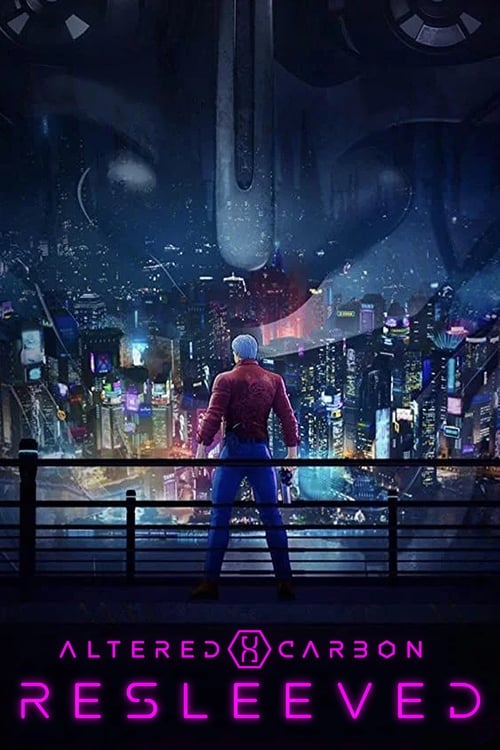
Altered Carbon: Resleeved
2020On the planet Latimer, Takeshi Kovacs must protect a tattooist while investigating the death of a yakuza boss alongside a no-nonsense CTAC.
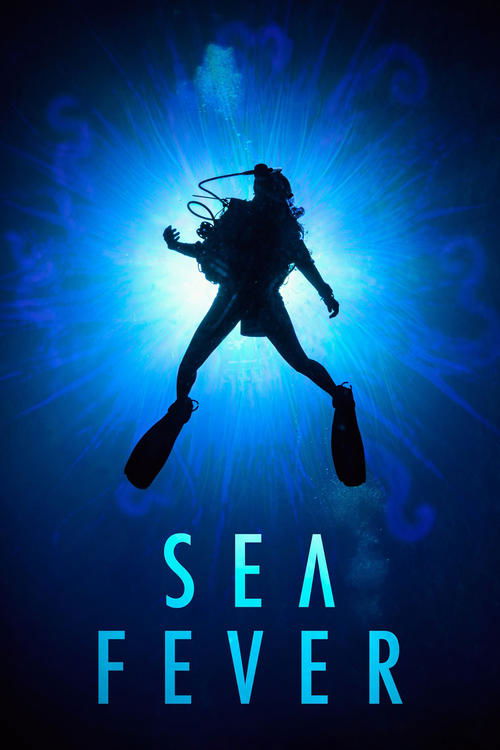
Sea Fever
2020The crew of a West of Ireland trawler—marooned at sea—struggle for their lives against a growing parasite in their water supply.
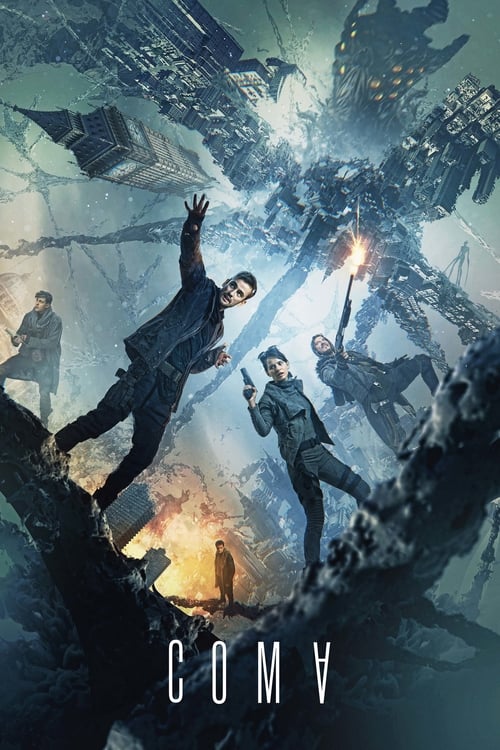
Coma
2020A young and talented architect comes to his senses after a horrific accident only to find himself in the odd dystopian world. A world that is filled with the memories of all current coma patients. Just like a human memory this world is fragmental, chaotic and unstable. This is COMA: icecaps, rivers and cities can all exist in a space of a single room and laws of physics are no longer laws as they can be bent.
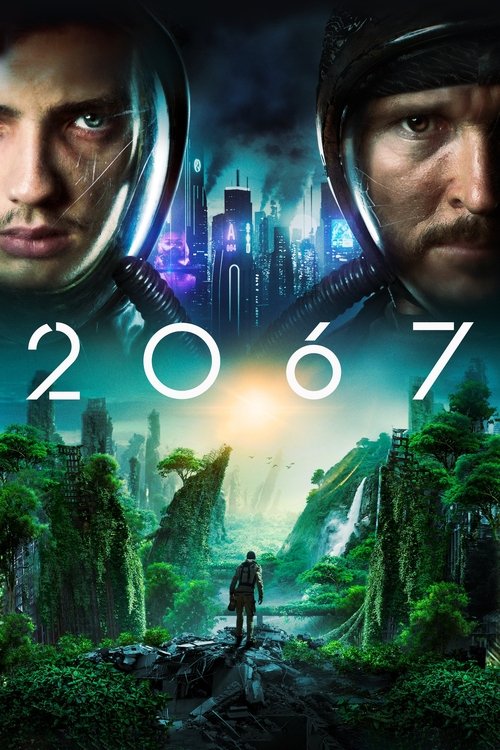
2067
2020A lowly utility worker is called to the future by a mysterious radio signal, he must leave his dying wife to embark on a journey that will force him to face his deepest fears in an attempt to change the fabric of reality and save humankind from its greatest environmental crisis yet.
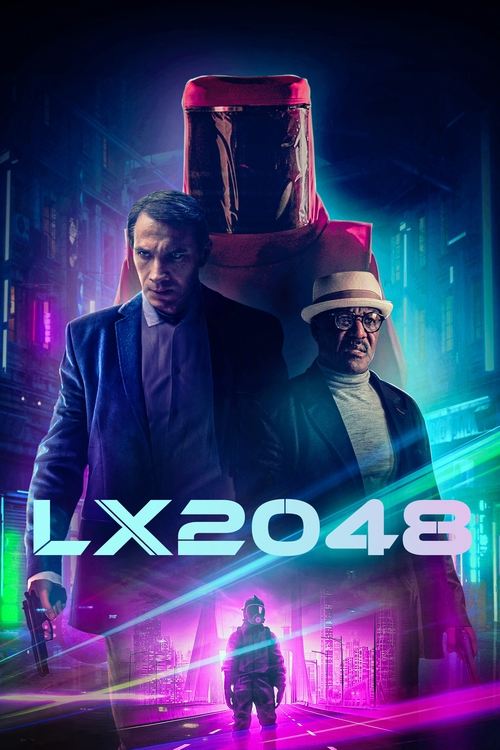
LX 2048
2020In the near future, the sun has become so toxic people can no longer leave their houses in daytime, and normal life is conducted mostly inside the virtual realm. Against this dystopian backdrop, a dying man seeks to ensure the future well-being of his family, while coping with what it means to be human in this new reality.
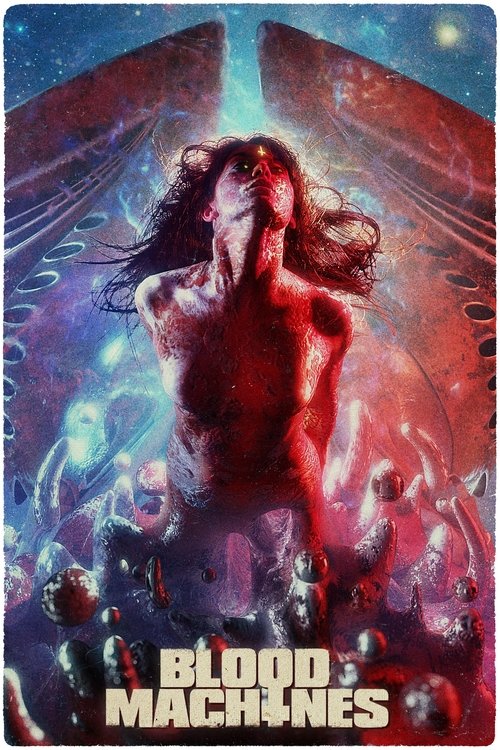
Blood Machines
2020An artificial intelligence escapes her spaceship to turn into a female ghost and challenges two blade runners to a galactic chase.
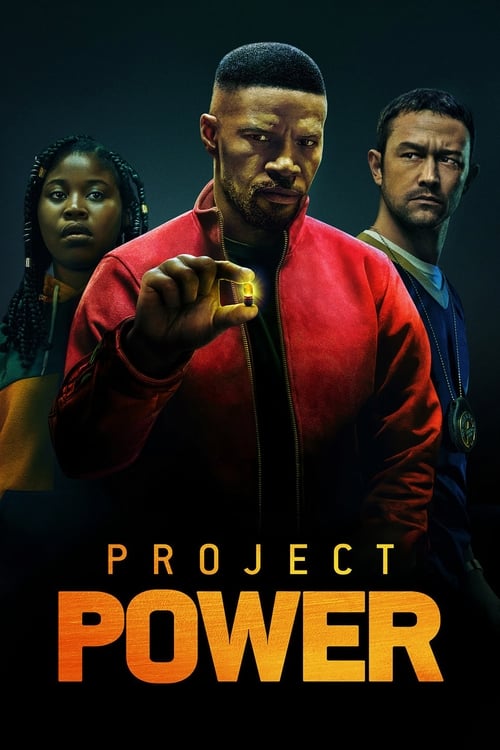
Project Power
2020An ex-soldier, a teen and a cop collide in New Orleans as they hunt for the source behind a dangerous new pill that grants users temporary superpowers.
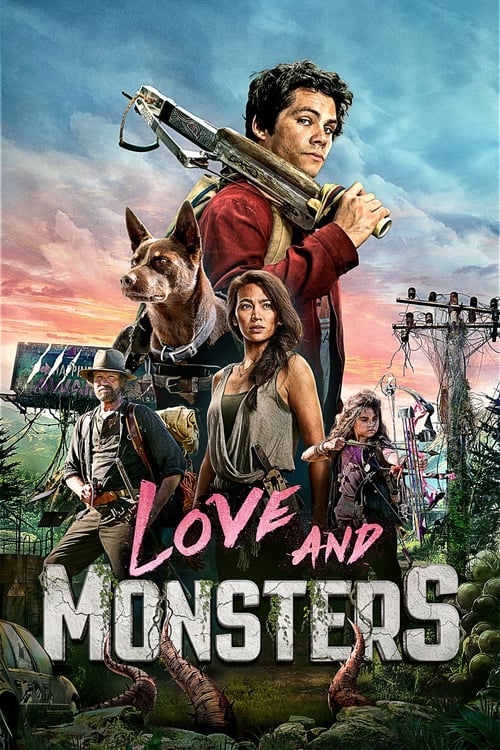
Love and Monsters
2020Seven years since the Monsterpocalypse began, Joel Dawson has been living underground in order to survive. But after reconnecting over radio with his high school girlfriend Aimee, Joel decides to venture out to reunite with her, despite all the dangerous monsters that stand in his way.
A rare burst of apocalyptic optimism that manages to be both whimsical and genuinely thrilling with its creature designs. It injects a sense of much-needed heart and adventurous wonder into the traditionally bleak wasteland subgenre.
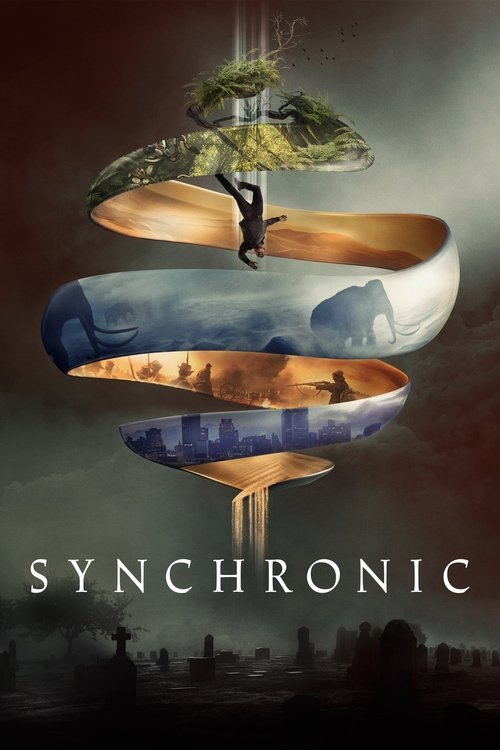
Synchronic
2020Two New Orleans paramedics' lives are ripped apart after encountering a series of horrific deaths linked to a designer drug with bizarre, otherworldly effects.
Benson and Moorhead continue to redefine independent speculative fiction with this inventive, drug-fueled riff on non-linear time travel. The film’s ingenuity lies in its lo-fi execution and its poignant reflection on how we anchor ourselves to the past.
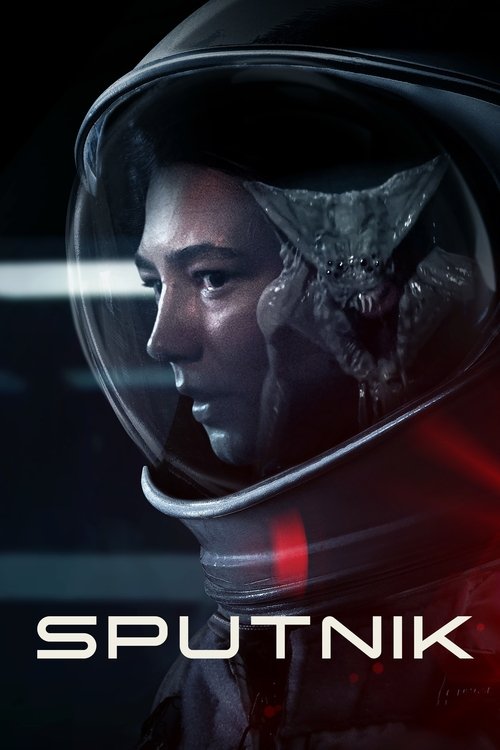
Sputnik
2020At the height of the Cold War, a Soviet spacecraft crash lands after a mission gone awry, leaving the commander as its only survivor. After a renowned Russian psychologist is brought in to evaluate the commander’s mental state, it becomes clear that something dangerous may have come back to Earth with him…
This Russian import subverts the typical alien parasite narrative by grounding it in a somber, Cold War-era psychological drama. It prioritizes atmosphere and character tension over cheap scares, resulting in an unnervingly grounded biological nightmare.
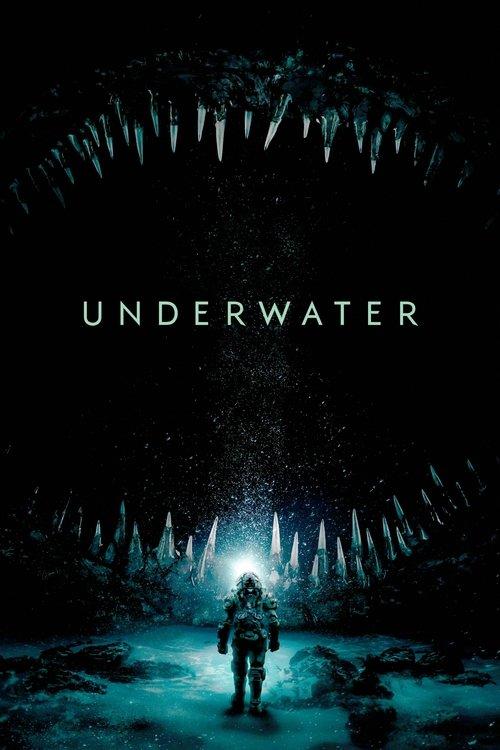
Underwater
2020After an earthquake destroys their underwater station, six researchers must navigate two miles along the dangerous, unknown depths of the ocean floor to make it to safety in a race against time.
A lean and claustrophobic survival thriller that strips away exposition to focus on the visceral physics of deep-sea pressure. It successfully revives the creature feature with a gritty, industrial atmosphere and relentless pacing.
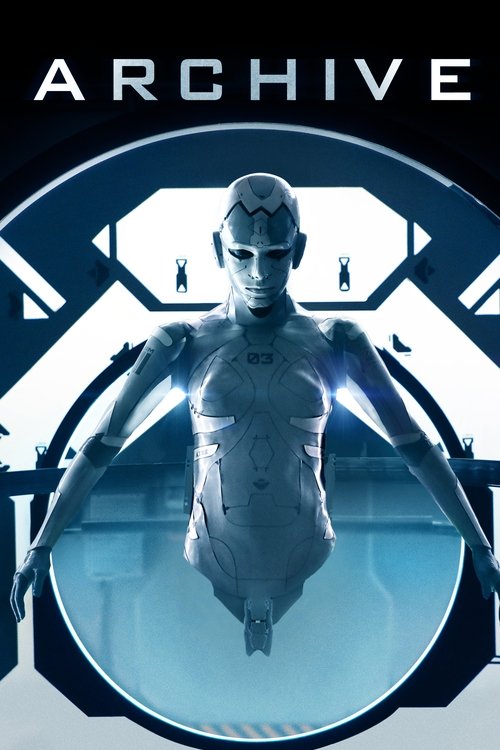
Archive
20202038: George Almore is working on a true human-equivalent AI, and his latest prototype is almost ready. This sensitive phase is also the riskiest as he has a goal that must be hidden at all costs—being reunited with his dead wife.
Gavin Rothery utilizes his background in visual design to craft a sleek, melancholic retro-future that feels lived-in and tangible. The narrative interrogates the ethical threshold of artificial consciousness with a slow-burn intensity and startling aesthetic precision.
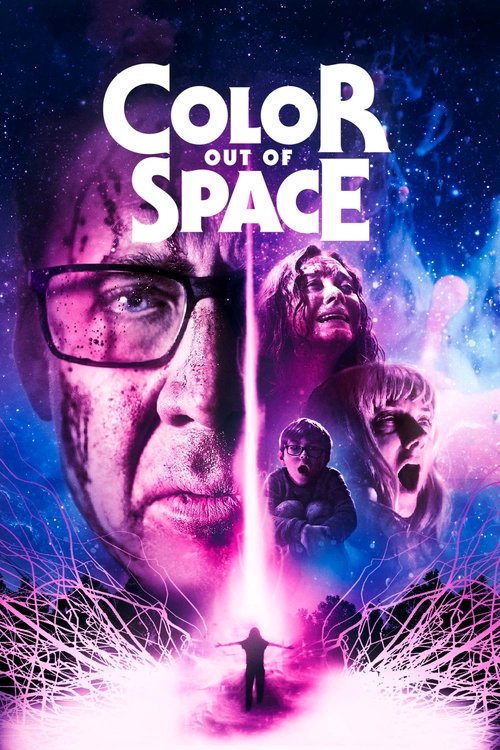
Color Out of Space
2020The Gardner family moves to a remote farmstead in rural New England to escape the hustle of the 21st century. They are busy adapting to their new life when a meteorite crashes into their front yard, melts into the earth, and infects both the land and the properties of space-time with a strange, otherworldly colour. To their horror, the family discovers this alien force is gradually mutating every life form that it touches—including them.
This psychedelic descent into cosmic horror captures the unknowable nature of Lovecraftian dread through a vibrant yet repulsive neon palette. Richard Stanley orchestrates a sensory assault where the environment itself becomes a mutating, malevolent character.
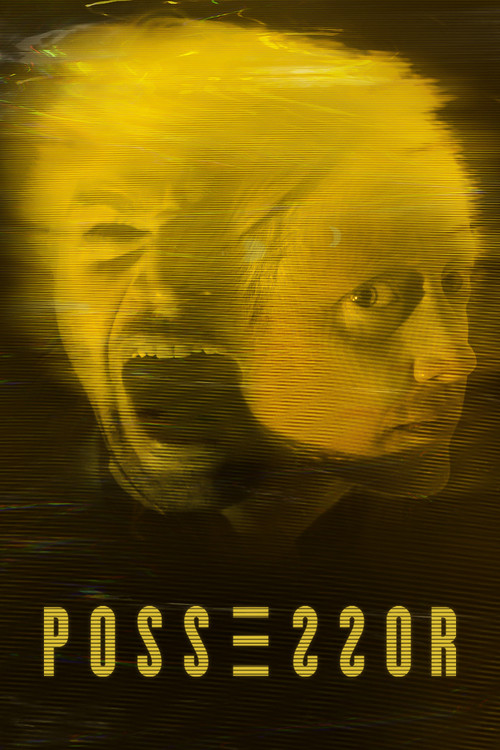
Possessor
2020Tasya Vos, an elite corporate assassin, uses brain-implant technology to take control of other people’s bodies to terminate high profile targets. As she sinks deeper into her latest assignment, Vos becomes trapped inside a mind that threatens to obliterate her.
Brandon Cronenberg proves he is a visionary of the flesh, delivering a cold-blooded exploration of identity theft through bio-digital hijacking. The film’s striking aesthetic and psychological brutality offer a haunting look at the erosion of the self.
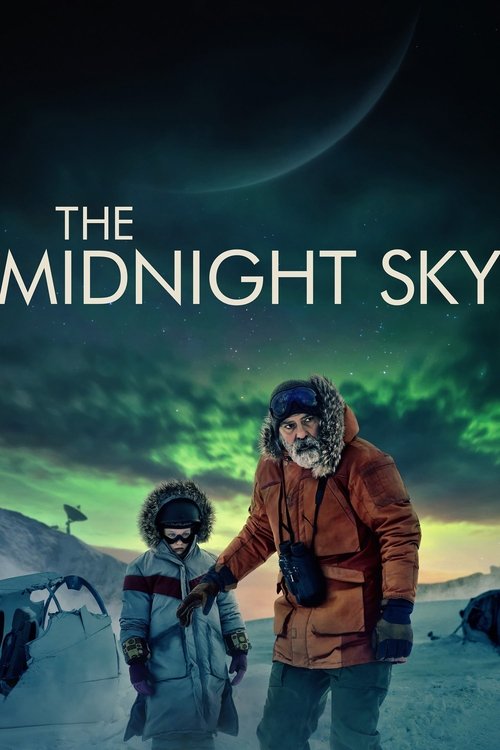
The Midnight Sky
2020A lone scientist in the Arctic races to contact a crew of astronauts returning home to a mysterious global catastrophe.
George Clooney directs a visually poetic meditation on isolation that balances the frigid silence of the Arctic against the grand desolation of deep space. Its power lies in its quiet insistence on human connection amidst a dying world.
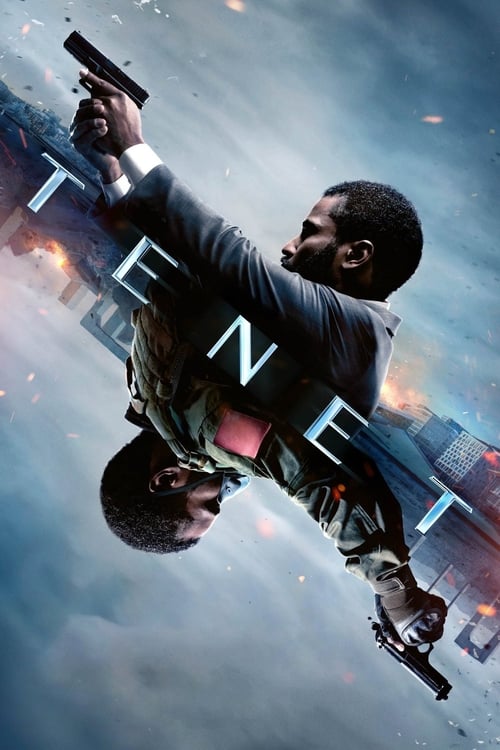
Tenet
2020Armed with only one word - Tenet - and fighting for the survival of the entire world, the Protagonist journeys through a twilight world of international espionage on a mission that will unfold in something beyond real time.
Christopher Nolan challenges the audience's temporal perception with a staggering display of practical effects and architectural filmmaking. It is a dense, cold, and exhilarating puzzle that treats entropy as a kinetic weapon.
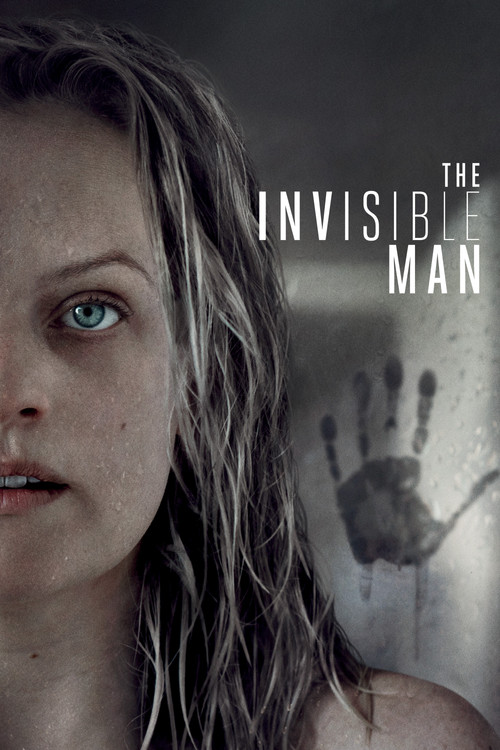
The Invisible Man
2020When Cecilia's abusive ex takes his own life and leaves her his fortune, she suspects his death was a hoax. As a series of coincidences turn lethal, Cecilia works to prove that she is being hunted by someone nobody can see.
Leigh Whannell masterfully repurposes a classic genre trope into a suffocatingly modern critique of gaslighting and domestic surveillance. Elisabeth Moss delivers a tour de force performance that anchors the high-concept technology in raw, tactile trauma.
Frequently Asked Questions
Everything you need to know about this list and SnakeDrafts
- The greatest sci-fi movies of 2020 often explore themes of dystopia, psychological tension, and human survival. Films like "The Invisible Man" and "Possessor" delve into psychological thriller territory, while "The Midnight Sky" and "2067" center on futuristic survival and space exploration.
- Several 2020 sci-fi films blend horror with science fiction, notably "The Invisible Man," "Possessor," and "Color Out of Space." These movies use suspense and unsettling atmospheres to enhance their sci-fi narratives, creating a unique genre hybrid that captivated audiences.
- Yes, 2020 saw a rise in mid-budget experimental sci-fi films such as "Archive" and "Blood Machines." These films experiment with storytelling and visual style, offering fresh perspectives within the sci-fi genre, often exploring philosophical and existential questions.
- The 2020 sci-fi movies resonated with contemporary global anxieties due to the ongoing pandemic, mirroring feelings of isolation, uncertainty, and dystopia. Movies like "The Midnight Sky" and "Synchronic" echo these sentiments through their narratives, making their stories more poignant.
- Notable 2020 sci-fi films focusing on space exploration include "The Midnight Sky," "2067," and "Archive." These movies explore humanity's relationship with space, blending drama and speculative science to examine future possibilities and existential crises.
- Yes, several 2020 sci-fi films incorporate action, such as "Tenet," "Underwater," and "Project Power." These movies offer high-energy sequences combined with sci-fi concepts, appealing to fans who enjoy thrilling, fast-paced narratives.
- While comedy is not predominant, the film "Love and Monsters" stands out by blending comedy, adventure, and science fiction. It offers a lighter take on the genre, balancing humor with post-apocalyptic themes.