Best 2013 SciFi Movies Ranked
Future Visions and Celestial Journeys
Explore the best science fiction cinema from a landmark year. Discover top-rated space adventures, dystopian futures, and epic alien encounters.
About 2013 SciFi Movies
In the long view of cinematic history, 2013 stands as a fascinating bridge between the era of the high-concept blockbuster and the return of the grounded, philosophical space epic. It was a year when the genre seemed to split into two distinct camps. On one side, we had the sleek, shiny visions of a crumbling future, and on the other, a series of intimate, soul-searching stories that used technology as a mirror for human loneliness.
If there was a centerpiece for the year, it was undoubtedly Alfonso Cuaron's Gravity. While purists debated its status as hard science fiction, its impact on the industry was undeniable. It stripped away the typical space opera tropes of aliens and laser fire, replacing them with a terrifyingly visceral look at orbital mechanics and survival. Sandra Bullock’s performance turned a technical marvel into a deeply empathetic story about grief. It proved that audiences were hungry for spectacle that felt tactile and immediate rather than purely digital.
Meanwhile, 2013 was the year that Spike Jonze gave us Her, a film that feels more prophetic with every passing month. In a decade defined by the rise of the smartphone, Jonze ignored the typical dystopian cliches of robots rising up against their masters. Instead, he explored the quiet melancholy of a man falling in love with an operating system. It remains one of the most sophisticated takes on artificial intelligence ever put to film because it focuses on the emotional consequences of intimacy in a digital age.
The year also provided plenty of food for thought regarding class and social structures. Neill Blomkamp followed up District 9 with Elysium, a film that traded subtlety for visual grit and a heavy-handed but effective allegory about healthcare and border control. Bong Joon-ho made his English language debut with Snowpiercer, a masterpiece of kinetic energy that packed the entirety of human caste systems into a single, speeding train. Both films showed that science fiction remained the best tool for critiquing the current state of the world by pushing its worst tendencies to their logical extremes.
Even the more traditional blockbusters of 2013 felt a bit more thoughtful than usual. Joseph Kosinski’s Oblivion offered a stunning, clean aesthetic that felt like a love letter to 1970s sci-fi art, while Star Trek Into Darkness attempted to grapple with the ethics of drone warfare and preemptive strikes, even if it got bogged down in secret identities.
Perhaps the most haunting entry of the year was the low-budget Under the Skin. Jonathan Glazer’s film about an extraterrestrial entity observing human life in Scotland was a bracing reminder of how weird and alien the genre can actually be. It avoided easy answers and focused instead on the sensory experience of being alive.
Looking back, 2013 was a year that refused to be pigeonholed. It gave us the massive spectacle of Pacific Rim alongside the quiet, mind-bending puzzles of Coherence. It was a time when the genre felt expansive, daring, and deeply invested in asking what it means to be a person in a rapidly changing world. It wasn't just about the gadgets or the ships. It was about us.

Her
2013In the not so distant future, Theodore, a lonely writer, purchases a newly developed operating system designed to meet the user's every need. To Theodore's surprise, a romantic relationship develops between him and his operating system. This unconventional love story blends science fiction and romance in a sweet tale that explores the nature of love and the ways that technology isolates and connects us all.
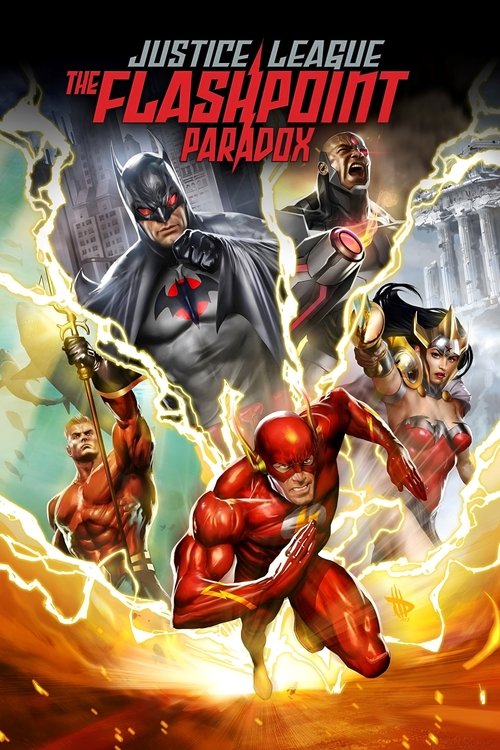
Justice League: The Flashpoint Paradox
2013The Flash finds himself in a war-torn alternate timeline and teams up with alternate versions of his fellow heroes to restore the timeline.
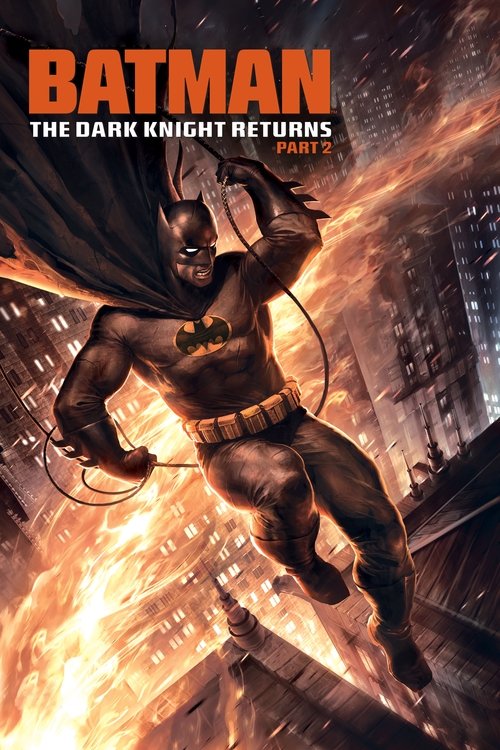
Batman: The Dark Knight Returns, Part 2
2013Batman has stopped the reign of terror that The Mutants had cast upon his city. Now an old foe wants a reunion and the government wants The Man of Steel to put a stop to Batman.
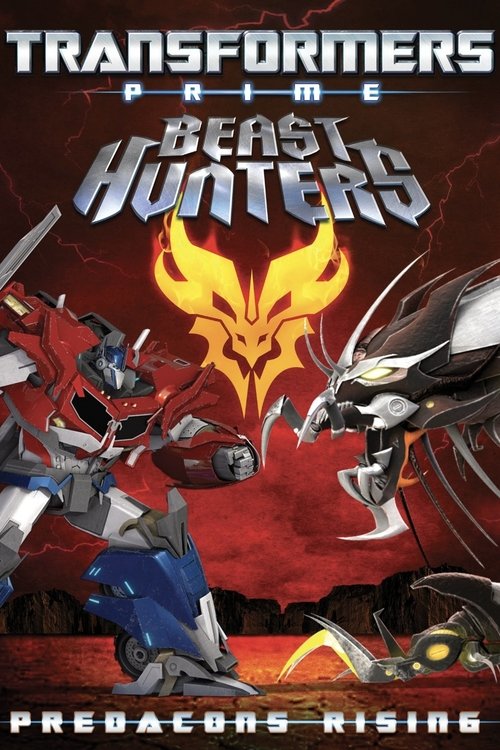
Transformers Prime: Beast Hunters - Predacons Rising
2013Autobots, Decepticons, Predaking and Predacons form an unlikely alliance to battle a resurrected Unicron.

Doctor Who: The Time of the Doctor
2013Orbiting a quiet backwater planet, the massed forces of the universe's deadliest species gather, drawn to a mysterious message that echoes out to the stars. And amongst them, the Doctor. Rescuing Clara from a family Christmas dinner, the Time Lord and his best friend must learn what this enigmatic signal means for his own fate and that of the universe.
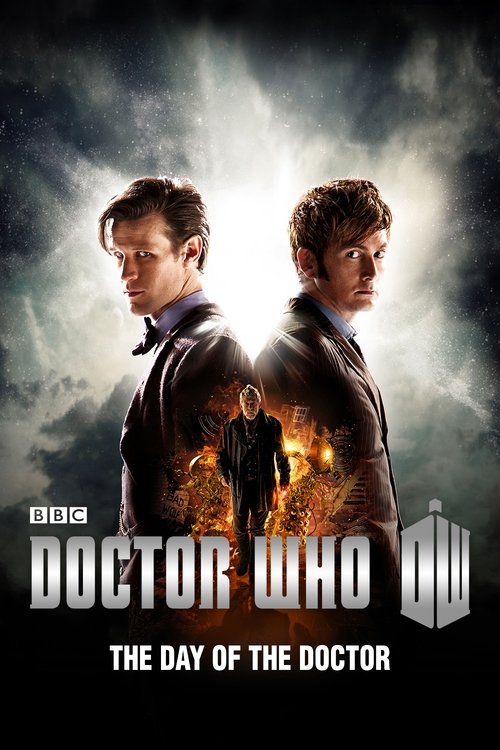
Doctor Who: The Day of the Doctor
2013In 2013, something terrible is awakening in London's National Gallery; in 1562, a murderous plot is afoot in Elizabethan England; and somewhere in space an ancient battle reaches its devastating conclusion. All of reality is at stake as the Doctor's own dangerous past comes back to haunt him.
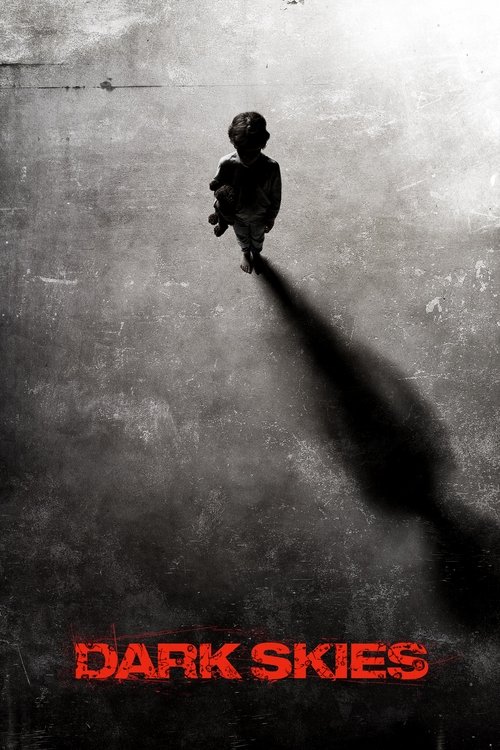
Dark Skies
2013From the producers of Paranormal Activity, Insidious, and Sinister comes Dark Skies: a supernatural thriller that follows a young family living in the suburbs. As husband and wife Daniel and Lacey Barret witness an escalating series of disturbing events involving their family, their safe and peaceful home quickly unravels. When it becomes clear that the Barret family is being targeted by an unimaginably terrifying and deadly force, Daniel and Lacey take matters in their own hands to solve the mystery of what is after their family.
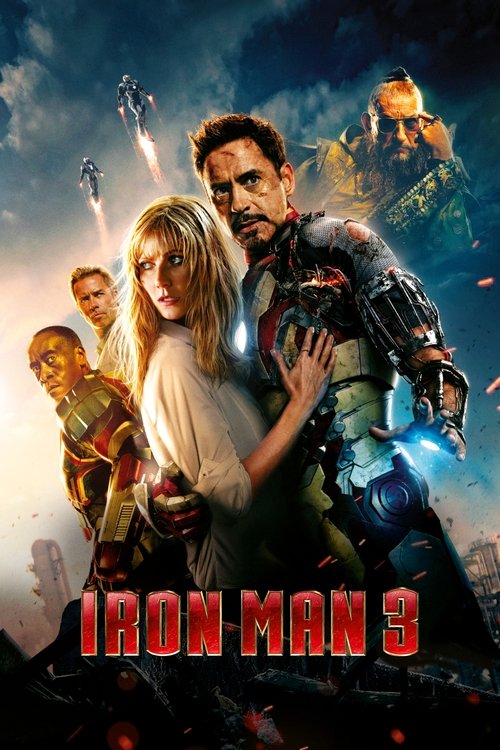
Iron Man 3
2013When Tony Stark's world is torn apart by a formidable terrorist called the Mandarin, he starts an odyssey of rebuilding and retribution.
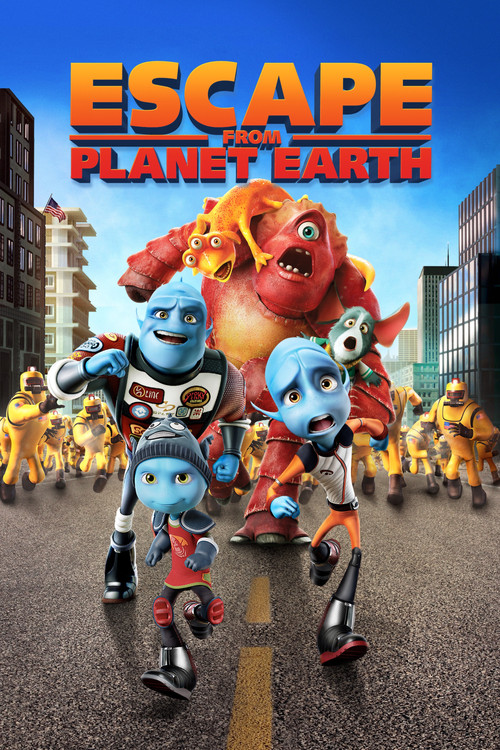
Escape from Planet Earth
2013Astronaut Scorch Supernova finds himself caught in a trap when he responds to an SOS from a notoriously dangerous alien planet.
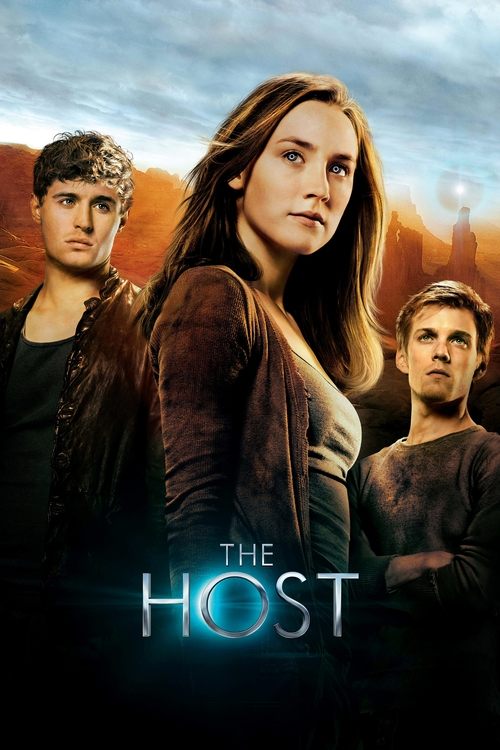
The Host
2013A parasitic alien soul is injected into the body of Melanie Stryder. Instead of carrying out her race's mission of taking over the Earth, "Wanda" (as she comes to be called) forms a bond with her host and sets out to aid other free humans.
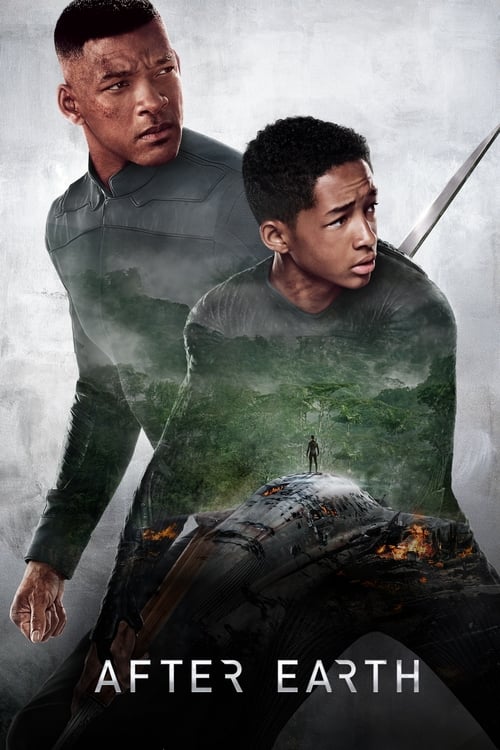
After Earth
2013One thousand years after cataclysmic events forced humanity's escape from Earth, Nova Prime has become mankind's new home. Legendary General Cypher Raige returns from an extended tour of duty to his estranged family, ready to be a father to his 13-year-old son, Kitai. When an asteroid storm damages Cypher and Kitai's craft, they crash-land on a now unfamiliar and dangerous Earth. As his father lies dying in the cockpit, Kitai must trek across the hostile terrain to recover their rescue beacon. His whole life, Kitai has wanted nothing more than to be a soldier like his father. Today, he gets his chance.
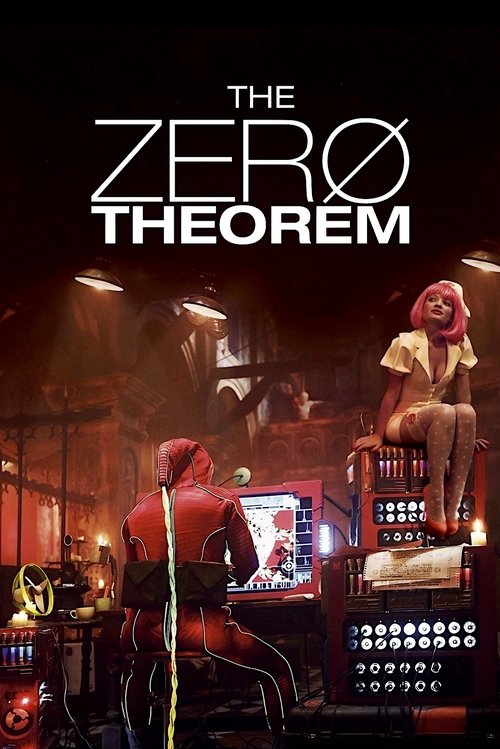
The Zero Theorem
2013A computer hacker's goal to discover the reason for human existence continually finds his work interrupted thanks to the Management; this time, they send a teenager and lusty love interest to distract him.
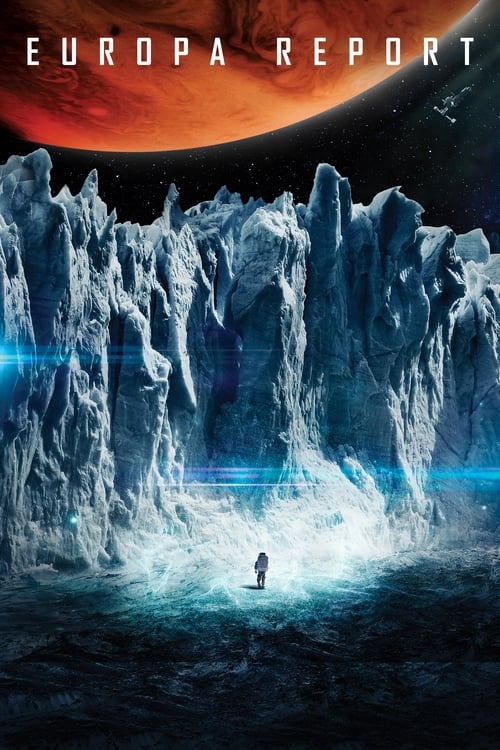
Europa Report
2013A crew of international astronauts are sent on a private mission to Jupiter's fourth moon.

The Congress
2013An aging, out-of-work actress accepts one last job, though the consequences of her decision affect her in ways she didn't consider.
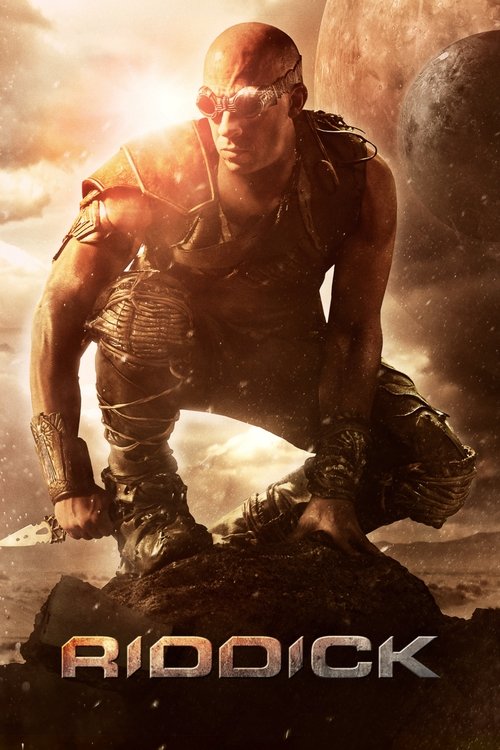
Riddick
2013Betrayed by his own kind and left for dead on a desolate planet, Riddick fights for survival against alien predators and becomes more powerful and dangerous than ever before. Soon bounty hunters from throughout the galaxy descend on Riddick only to find themselves pawns in his greater scheme for revenge. With his enemies right where he wants them, Riddick unleashes a vicious attack of vengeance before returning to his home planet of Furya to save it from destruction.
Returning to the character's survivalist roots, this entry strips away space-opera bloat in favor of a lean, mean creature-feature sensibility. It succeeds by embracing a sun-scorched, hostile environment where the darkness is the protagonist's only true ally.
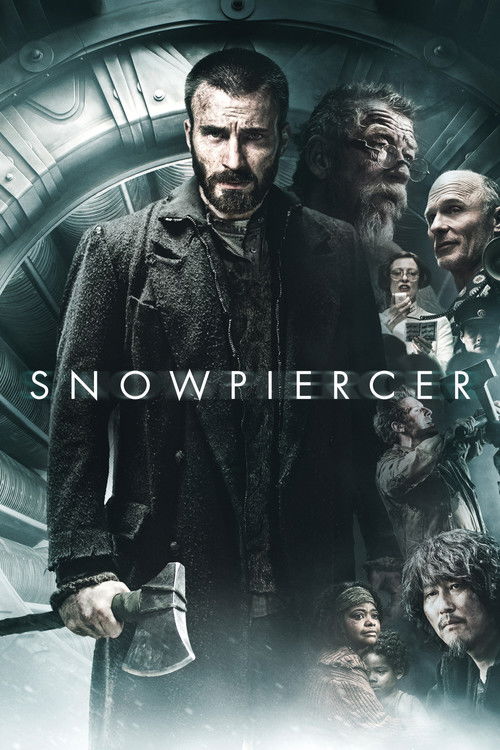
Snowpiercer
2013In a future where a failed global-warming experiment kills off most life on the planet, a class system evolves aboard the Snowpiercer; a train that travels around the globe via a perpetual-motion engine.
Bong Joon-ho’s English-language debut is a feral, claustrophobic masterpiece of vertical class struggle locked within a perpetual motion machine. Every car on the train introduces a jarring new visual ecosystem, making the film's momentum feel both inevitable and terrifyingly unpredictable.

The Hunger Games: Catching Fire
2013After surviving the Hunger Games, Katniss and Peeta struggle with the consequences of their victory as unrest spreads across Panem. Forced back into the spotlight, they become symbols of hope and resistance while the Capitol prepares a new and deadly challenge that will change the future of the nation forever.
A rare sequel that transcends its origins, this installment pivots into a sophisticated exploration of revolutionary sparks and the propaganda of trauma. The film’s sharp sociopolitical teeth and brutalist arena design solidify its place as the definitive dystopian narrative of the decade.
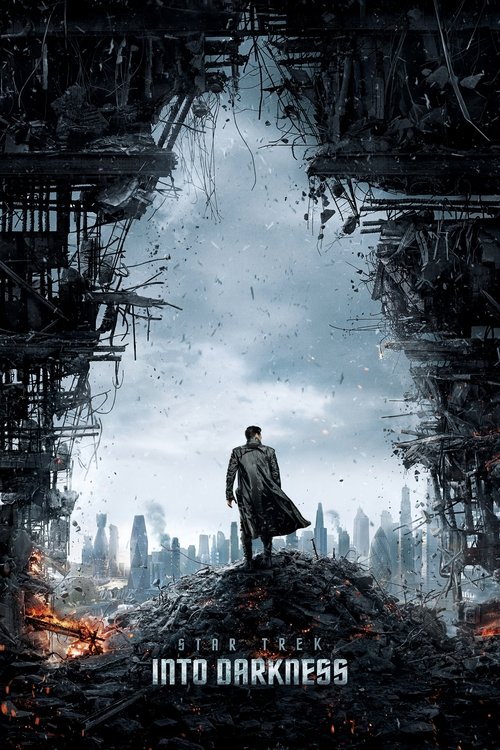
When the crew of the Enterprise is called back home, they find an unstoppable force of terror from within their own organization has detonated the fleet and everything it stands for, leaving our world in a state of crisis. With a personal score to settle, Captain Kirk leads a manhunt to a war-zone world to capture a one man weapon of mass destruction. As our heroes are propelled into an epic chess game of life and death, love will be challenged, friendships will be torn apart, and sacrifices must be made for the only family Kirk has left: his crew.
J.J. Abrams doubles down on high-octane spectacle and moral ambiguity, weaving a dense tapestry of internal political sabotage and philosophical friction. Its strength lies in its relentless pace and the volatile chemistry of a crew testing the limits of loyalty.
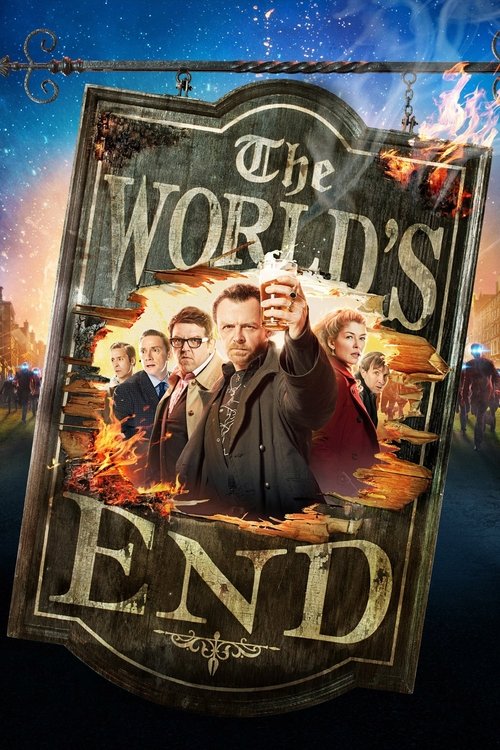
The World's End
2013Five friends who reunite in an attempt to top their epic pub crawl from 20 years earlier unwittingly become humankind's only hope for survival.
Edgar Wright blends rapid-fire comedic timing with a paranoid invasion narrative that serves as a poignant metaphor for the loss of individuality. The film operates as a clever subversion of 'hiraeth' where the existential dread of becoming a robotic drone feels hilariously yet painfully relatable.
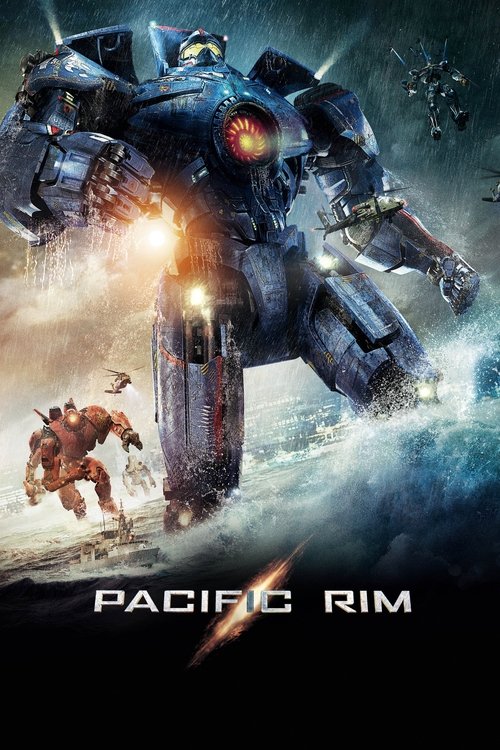
Pacific Rim
2013Using massive piloted robots to combat the alien threat, earth's survivors take the fight to the invading alien force lurking in the depths of the Pacific Ocean. Nearly defenseless in the face of the relentless enemy, the forces of mankind have no choice but to turn to two unlikely heroes who now stand as earth's final hope against the mounting apocalypse.
Guillermo del Toro breathes vibrant, soulful life into the kaiju subgenre, prioritizing physical weight and luminous color palettes over generic digital chaos. It is a celebratory love letter to mecha traditions that manages to feel both massive in scale and deeply earnest in spirit.
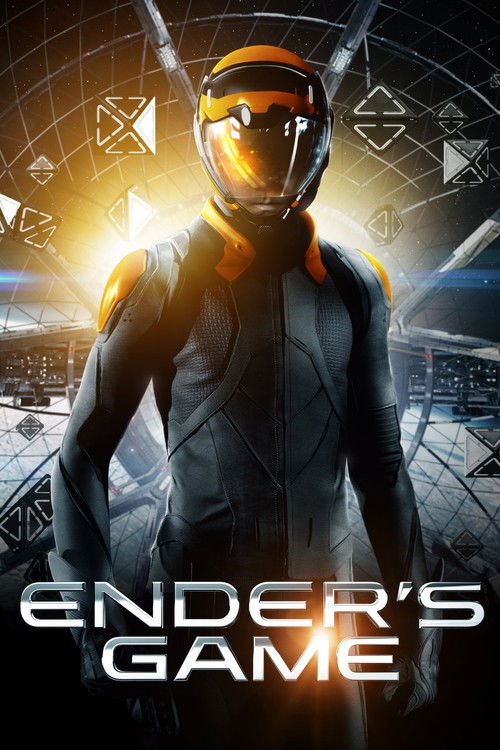
Ender's Game
2013Based on the classic novel by Orson Scott Card, Ender's Game is the story of the Earth's most gifted children training to defend their homeplanet in the space wars of the future.
This adaptation captures the cold, intellectual rigor of zero-gravity tactical warfare while interrogating the morality of turning youth into cold-blooded weapons. It stands out for its refusal to soften the psychological toll of its simulated combat games.
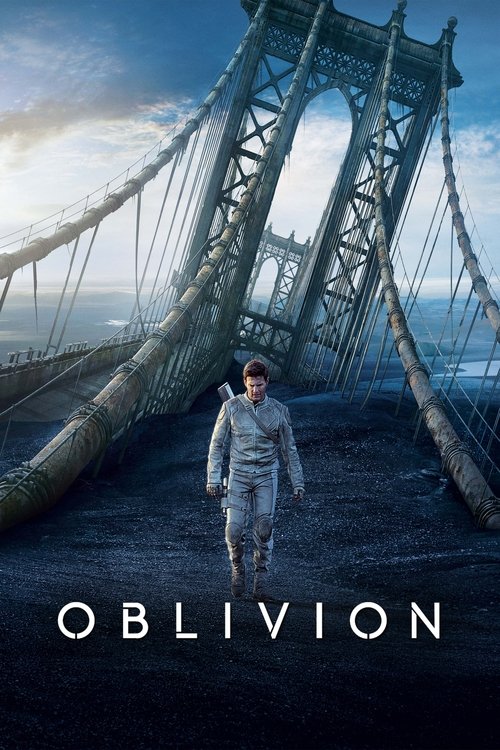
Oblivion
2013Jack Harper is one of the last few drone repairmen stationed on Earth. Part of a massive operation to extract vital resources after decades of war with a terrifying threat known as the Scavs, Jack’s mission is nearly complete. His existence is brought crashing down when he rescues a beautiful stranger from a downed spacecraft. Her arrival triggers a chain of events that forces him to question everything he knows and puts the fate of humanity in his hands.
Joseph Kosinski delivers a masterclass in sterile, post-apocalyptic elegance, favoring sleek architectural minimalism over typical wasteland tropes. Beyond the pristine visuals, the film resonates through its haunting atmosphere and a profound sense of isolation amidst a dying world.
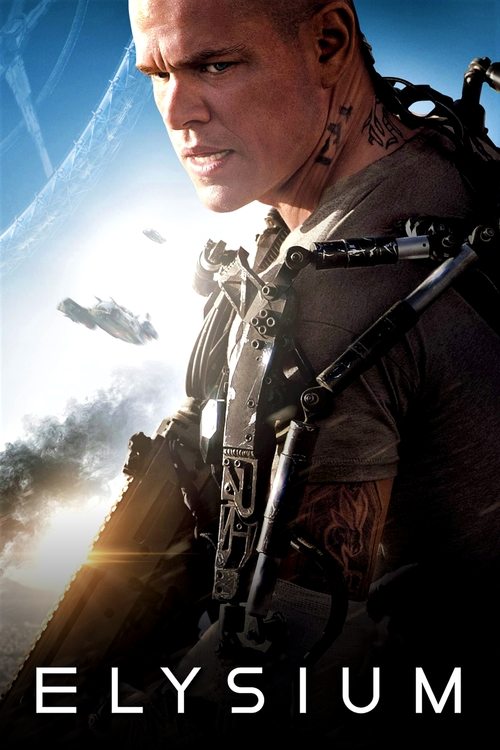
Elysium
2013In the year 2159, two classes of people exist: the very wealthy who live on a pristine man-made space station called Elysium, and the rest, who live on an overpopulated, ruined Earth. Secretary Rhodes, a hard line government official, will stop at nothing to enforce anti-immigration laws and preserve the luxurious lifestyle of the citizens of Elysium. That doesn’t stop the people of Earth from trying to get in, by any means they can. When unlucky Max is backed into a corner, he agrees to take on a daunting mission that, if successful, will not only save his life, but could bring equality to these polarized worlds.
Neill Blomkamp weaponizes high-concept sociology within a gritty, industrial aesthetic to critique class warfare through the lens of augmentations and orbital paradises. The film excels as a tactile piece of speculative fiction where the machinery feels as heavy and consequential as its political subtext.
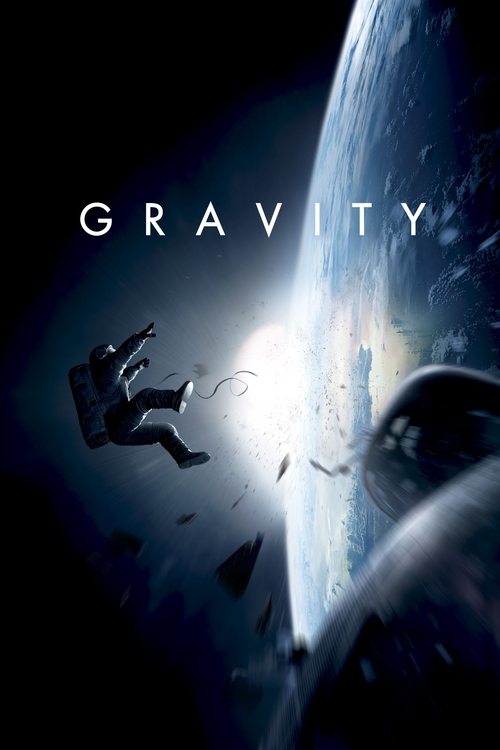
Gravity
2013Dr. Ryan Stone, a brilliant medical engineer, is on her first Shuttle mission, with veteran astronaut Matt Kowalski in command of his last flight before retiring. But on a seemingly routine spacewalk, disaster strikes. The Shuttle is destroyed, leaving Stone and Kowalski completely alone-tethered to nothing but each other and spiraling out into the blackness of space. The deafening silence tells them they have lost any link to Earth and any chance for rescue. As fear turns to panic, every gulp of air eats away at what little oxygen is left. But the only way home may be to go further out into the terrifying expanse of space.
Alfonso Cuarón transforms the vacuum of space into a visceral, claustrophobic arena of survival that reimagines the technical boundaries of the medium. Its sheer kinetic intensity and seamless long takes elevated 2013 cinema into a new stratosphere of immersion.
Frequently Asked Questions
Everything you need to know about this list and SnakeDrafts
- The best 2013 sci-fi films often explore themes like human survival in dystopian futures, the ethical dilemmas of advanced technology, and intimate personal drama set against epic space adventures. Movies like "Elysium" and "Gravity" highlight social inequality and human fragility in outer space.
- 2013 sci-fi cinema uniquely balanced thrilling blockbuster spectacle with thoughtful, reflective narratives. Films such as "Oblivion" and "The Congress" blend action and mystery with deeper questions about identity and reality, showcasing this dual approach within that year.
- "Gravity," directed by Alfonso Cuarón, is renowned for its revolutionary visual effects and immersive depiction of outer space, pushing the boundaries of sci-fi filmmaking in 2013 with its intense survival story.
- Movies like "Snowpiercer" and "Elysium" use sci-fi settings to explore social hierarchies and class struggle, reflecting real-world concerns about inequality and access to resources through their dystopian narratives.
- Yes, "The World's End" stands out as a 2013 sci-fi film that successfully incorporates humor and comedy alongside its action elements, offering a unique blend within the genre that year.
- "Ender's Game" and "Pacific Rim" both emphasize epic battles involving futuristic technology and strategic combat, showcasing the genre's penchant for grand-scale conflicts while also developing personal stories within.
- In films like "The Congress" and "The Zero Theorem," technology often serves as a metaphor for human consciousness and existential exploration, pushing the audience to consider the impact of digital innovation on identity and reality.