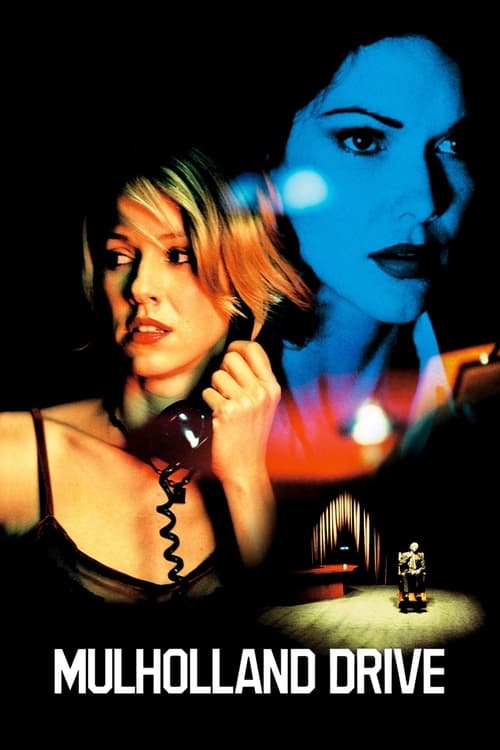
Mulholland Drive
Mulholland Drive is a quintessential neo-noir mystery that masterfully blurs the lines between dreams and reality, inviting viewers into a labyrinthine narrative that promises to captivate and challenge perceptions. This Lynchian masterpiece is a must-watch for anyone seeking a profoundly unsettling yet rewarding cinematic experience, brimming with symbolism and psychological depth.
Director
Release Year
2001
Runtime
147 minutes
Main Cast
Naomi Watts, Laura Harring, Justin Theroux, Ann Miller, Mark Pellegrino
About Mulholland Drive
David Lynch's Mulholland Drive, originally conceived as a television pilot, morphed into a surreal cinematic puzzle that has fascinated critics and audiences since its 2001 release. Its unique narrative structure and dreamlike aesthetic quickly cemented its place as a modern classic, frequently appearing on "greatest films of the 21st century" lists and sparking countless interpretations.
The film plunges viewers into the enigmatic world of Betty Elms (Naomi Watts), an aspiring actress who arrives in Hollywood, and Rita (Laura Harring), an amnesiac woman she discovers in her aunt's apartment. Their intertwined journey to uncover Rita's identity unravels against a backdrop of Hollywood's seductive facade, revealing darker undercurrents and blurring the lines between illusion and reality. Meanwhile, filmmaker Adam Kesher (Justin Theroux) faces his own bewildering struggles with a powerful, shadowy cabal.
Critically acclaimed for its bold vision and stunning performances, especially from Naomi Watts and Laura Harring, Mulholland Drive garnered David Lynch the Best Director award at the Cannes Film Festival and an Academy Award nomination for Best Director. Its deliberate ambiguity and rich symbolism have fostered a thriving community of interpreters, each attempting to decode its mysteries and themes of identity, ambition, and the darker side of the American dream.
The legacy of Mulholland Drive endures as a benchmark for surrealist cinema and psychological thrillers. Its lasting impact lies not just in its intricate plot, but in its ability to evoke a profound sense of unease and wonder, leaving audiences to grapple with its haunting imagery and unresolved questions long after the credits roll. It remains a powerful exploration of Hollywood's deceptive allure and the fragility of human perception.
Drafts Featuring Mulholland Drive
Every SnakeDrafts listicle where this movie appears
The Definitive Naomi Watts Film Ranking: Her Must-See Performances
Ranked #1
Ranking the Best David Lynch Directed Movies
Ranked #1
Top 2000s Movies Ranked
Ranked #23
Best 2001 Movies of All Time
Ranked #5
Best 2000s Thriller Movies Ranked
Ranked #7
The Best Thriller Movies of All Time, Ranked
Ranked #23
The Best Thriller Movies of 2001, Ranked
Ranked #1
Similar Movies
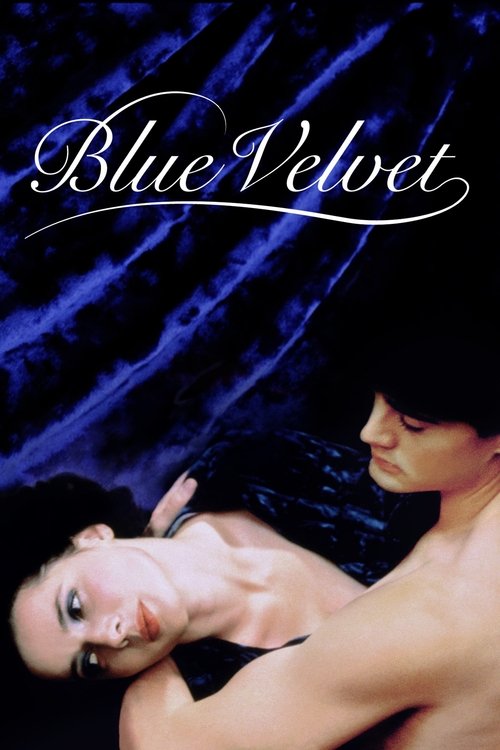
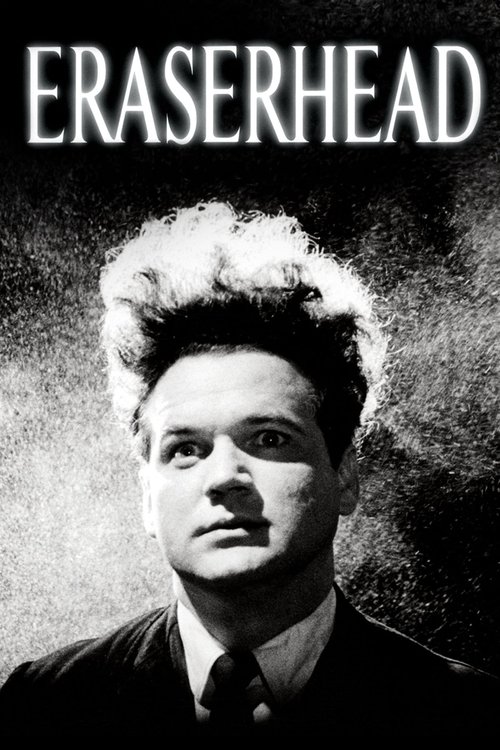
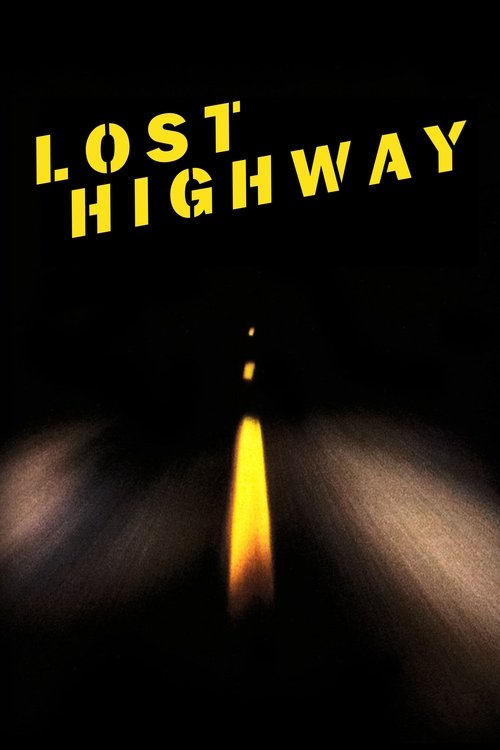
Movies related to Mulholland Drive
Frequently Asked Questions
Everything you need to know about Mulholland Drive
- The blue key and blue box are central and highly symbolic elements in Mulholland Drive, often interpreted as a portal or a trigger within the film's dream logic. The key is found by Betty/Diane, and its eventual use with the blue box seems to unlock a transition between different realities or states of consciousness for the characters, leading to a dramatic shift in the narrative.
- The Cowboy character in Mulholland Drive is a figure of mysterious authority and menacing prophecy, often interpreted as representing the hidden power structures of Hollywood or even a force of fate. His cryptic pronouncements and unsettling presence serve to highlight the dreamlike and predetermined aspects of the characters' lives within the film's intricate narrative.
- The prevailing interpretation among critics and viewers is that a significant portion of Mulholland Drive is indeed a dream, specifically Diane Selwyn's. The film is often seen as divided into two main sections: an idealized dream sequence where Diane (as Betty) lives out her fantasies of success and love, followed by a harsh reality where she confronts her failures and despair.
- Silencio club scene in Mulholland Drive is a pivotal and deeply symbolic moment within the film. It's a place where illusion is overtly revealed as a performance, and where characters are confronted with the artificiality of what they perceive as real. The club's announcement that 'there is no band' yet music is still played underscores the film's central themes of illusion, representation, and the constructed nature of reality within Hollywood.
- Winkie's diner in Mulholland Drive, particularly the unsettling scene involving the man behind the diner, is often interpreted as a manifestation of Diane's subconscious fears and anxieties. The encounter with the monstrous figure behind the diner is a jarring intrusion of horror into the dreamlike narrative, possibly representing Diane's repressed guilt and the dark truths waiting to surface.

