The Best SciFi Movies of 1977, Ranked
Classic Science Fiction Gems From a Golden Year
Explore the best science fiction films from a legendary year in cinema. From space operas to cult horror, discover top vintage sci-fi favorites.
About SciFi 1977 Movies
In the long lineage of cinematic history, 1977 serves as the absolute epicenter of a cultural earthquake. Before that year, science fiction was often viewed by Hollywood studios as a niche pursuit, a genre defined by cerebral dystopias or low budget monster romps. If you walked into a theater in 1976, you were likely looking for gritty realism or disaster epics. By the end of 1977, however, the stars had aligned to turn the genre into the most dominant force in global entertainment, a position it has largely held ever since.
The obvious catalyst for this shift was George Lucas and his space opera, Star Wars. It is difficult to overstate how much this single film altered the DNA of the industry. It moved away from the cynical, cold futurism of the early seventies and replaced it with a lived in universe full of heroism and ancient mythology. While earlier films like THX 1138 or Logan's Run depicted the future as a sterile trap, Star Wars presented it as a playground of adventure. It proved that audiences were hungry for escapism on a grand scale, utilizing groundbreaking special effects from Industrial Light and Magic to bridge the gap between imagination and reality.
Yet, it would be a mistake to suggest that 1977 was a one note year defined only by lightsabers. While Lucas was looking toward the far reaches of a galaxy far, far away, Steven Spielberg was looking at our own backyards. Close Encounters of the Third Kind offered a beautiful, spiritual counterpoint to the high octane action of Star Wars. Spielberg treated the arrival of extraterrestrials not as an invasion to be feared, but as a transcendent mystery to be solved. If Lucas gave us the blockbuster as a thrill ride, Spielberg gave us the blockbuster as a religious experience. The two films together signaled a massive shift in the public consciousness, turning the unknown heights of the cosmos into a source of wonder rather than dread.
On the fringes of these giants, the genre was showing its versatility in other ways. We saw the release of Wizards, Ralph Bakshi's psychedelic animated experiment that blended fantasy and post apocalyptic science fiction. This film reminded audiences that the genre could be avant garde and strange even as it moved into the mainstream. Meanwhile, the international scene was contributing to the landscape with films like the Japanese cult classic House, which leaned into the more surreal and horrific possibilities of domestic technological dread.
This convergence of talent and vision created a perfect storm. The genre landscape transitioned from the dark, cautionary tales of the Vietnam era into a new age of optimism and technical mastery. The year 1977 taught the film industry that science fiction was not just a category to be marketed to children but a canvas for universal human stories. It was the year the nerds inherited the earth and the year that the cinema of the fantastic became the cinema of the people. Everything we see in the modern multiplex today, from superhero sagas to intergalactic franchises, owes its existence to that twelve month stretch when the world decided to look up at the stars and imagine something better.
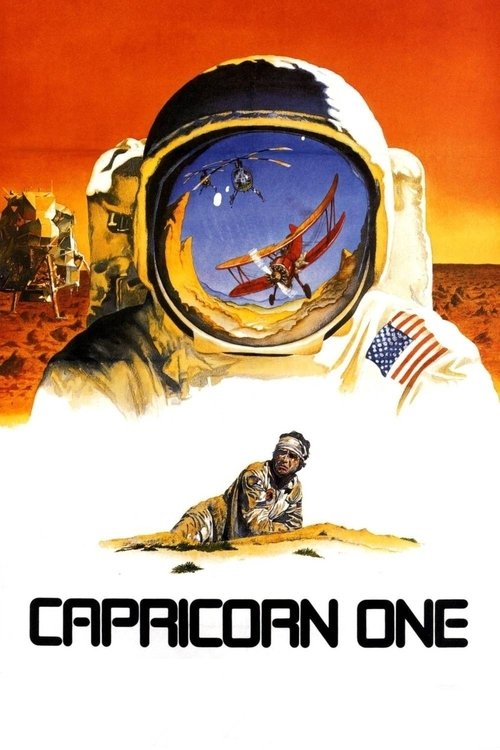
Capricorn One
1977In order to protect the reputation of the American space program, a team of NASA administrators turn the first Mars mission into a phony Mars landing. Under threat of harm to their families the astronauts play their part in the deception on a staged set in a deserted military base. But once the real ship returns to Earth and burns up on re-entry, the astronauts become liabilities. Now, with the help of a crusading reporter, they must battle a sinister conspiracy that will stop at nothing to keep the truth hidden.
By weaponizing the era’s pervasive institutional distrust, this high-stakes thriller turns the mechanics of space exploration into a paranoid conspiracy of image and artifice. It serves as a sharp, cynical counterpoint to the year’s more optimistic cosmic visions by focusing on the terrestrial lies behind stellar achievements.
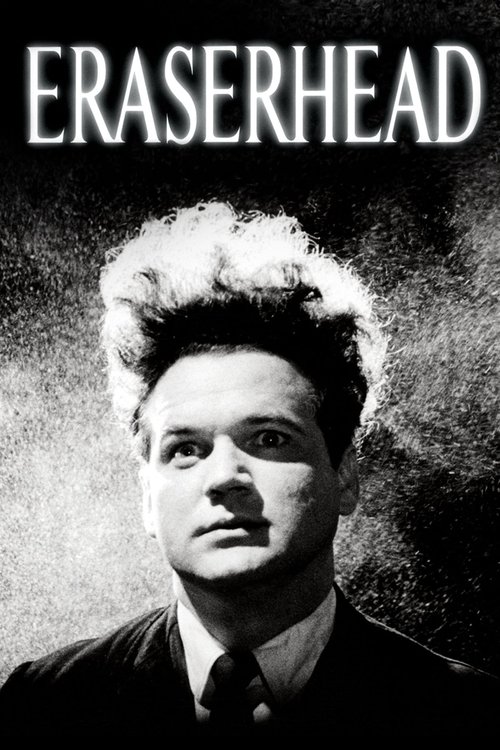
Eraserhead
1977First-time father Henry Spencer tries to survive his industrial environment, his angry girlfriend, and the unbearable screams of his newly born mutant child.
David Lynch’s industrial nightmare occupies the surrealist fringe of science fiction, weaponizing sound design and chiaroscuro cinematography to evoke a uniquely tactile sense of dread. It is an avant-garde subversion of biological evolution that remains one of the most singular, haunting visions of the decade.
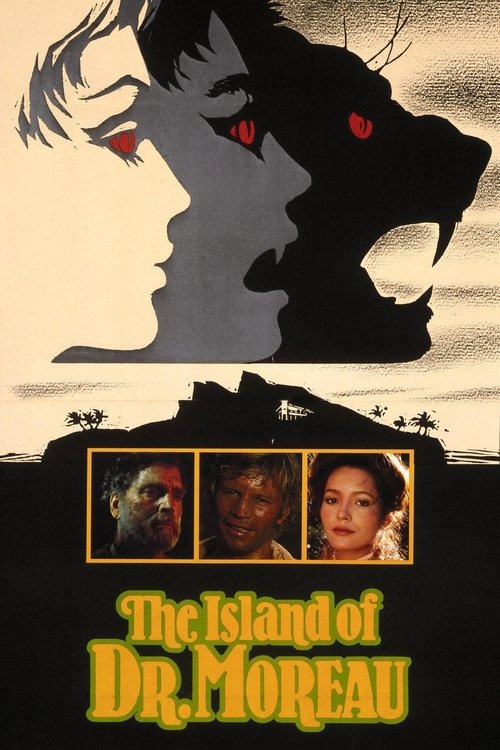
The Island of Dr. Moreau
1977A ship-wrecked man floats ashore on an island in the Pacific Ocean. The island is inhabited by a scientist, Dr. Moreau, who in an experiment has turned beasts into human beings.
This adaptation of H.G. Wells’ classic profits immensely from its sweltering jungle atmosphere and the disturbingly effective creature designs that blur the line between man and beast. It functions as a feral critique of scientific hubris, anchored by a palpable sense of isolation and biological perversion.
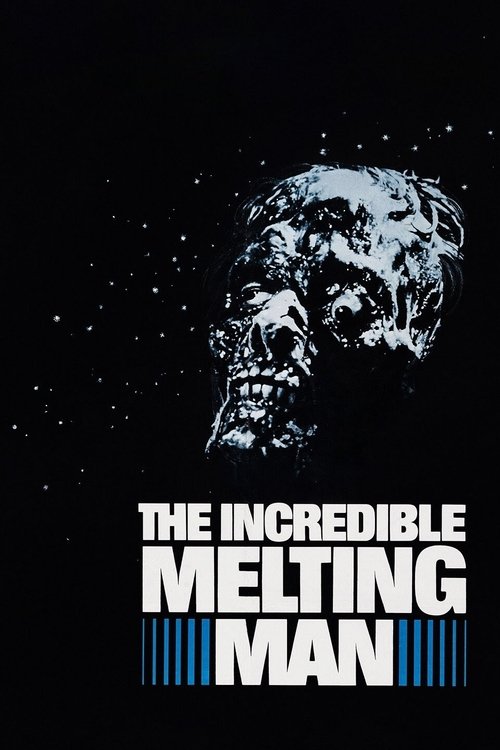
The Incredible Melting Man
1977An astronaut exposed to cosmic rays outside of Saturn's rings returns to Earth and begins to melt away. Escaping from the hospital, he wanders around the backwoods looking for human flesh to eat.
Rick Baker’s grotesque makeup effects elevate this low-budget feature into a masterclass of anatomical horror and tragic decay. The film thrives on its tactile, oozing special effects that transform an astronaut’s homecoming into a haunting, goopy deconstruction of the human form.
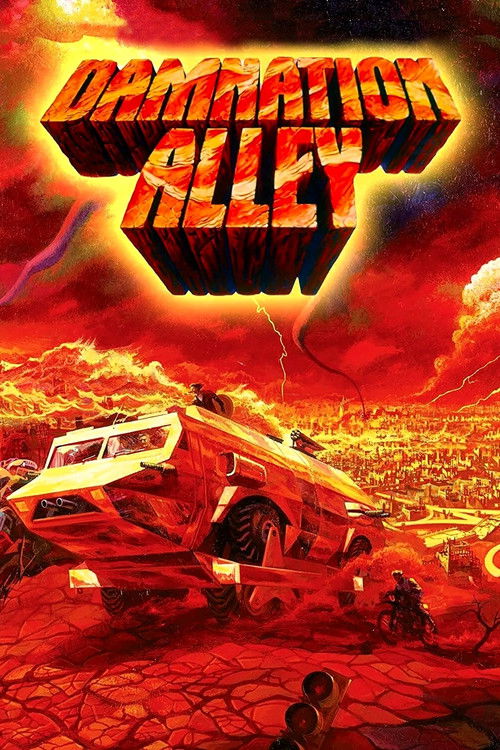
Damnation Alley
1977Following World War III, four survivors at an desert military installation attempt to drive across the desolate wasteland of America to Albany, where they hope more survivors are living, using a specially built vehicles to protect themselves against the freakish weather, mutated plant and animal life, and other dangers encountered along the way.
Jack Smight captures a rugged, post-apocalyptic desperation through the lens of a grit-caked road movie featuring the iconic Landmaster vehicle. It stands as a fascinating snapshot of late-seventies environmental dread, favoring practical vehicular mayhem and rugged survivalism over polished spectacle.
Demon Seed
1977A scientist creates Proteus, an organic supercomputer with artificial intelligence which becomes obsessed with human beings, and in particular the creator's wife.
This claustrophobic fusion of domestic horror and artificial intelligence serves as a chilling precursor to the digital age’s anxieties regarding bodily autonomy. It remains a visceral, disturbing meditation on the predatory potential of sentient technology trapped within the confines of a smart home.
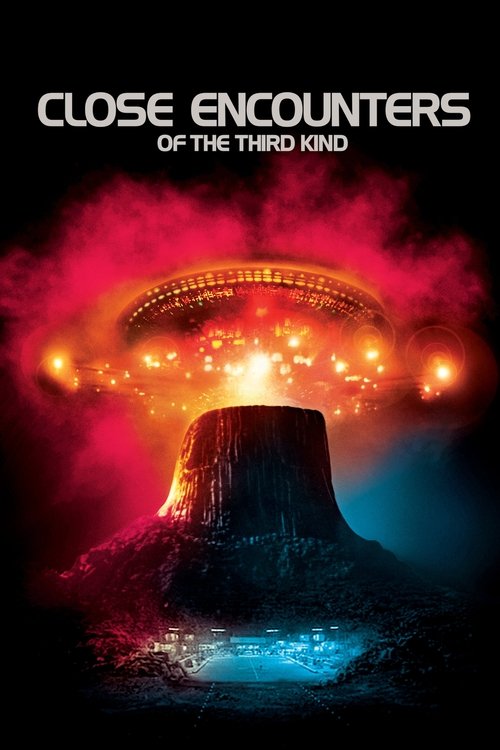
Close Encounters of the Third Kind
1977After an encounter with UFOs, an electricity linesman feels undeniably drawn to an isolated area in the wilderness where something spectacular is about to happen.
Steven Spielberg eschews traditional alien invasion tropes for a profound, linguistically centered exploration of first contact that feels both intimate and celestial. The film moves with a symphonic grace, culminating in a visual and auditory crescendo that humanizes the unknown through pure light and sound.
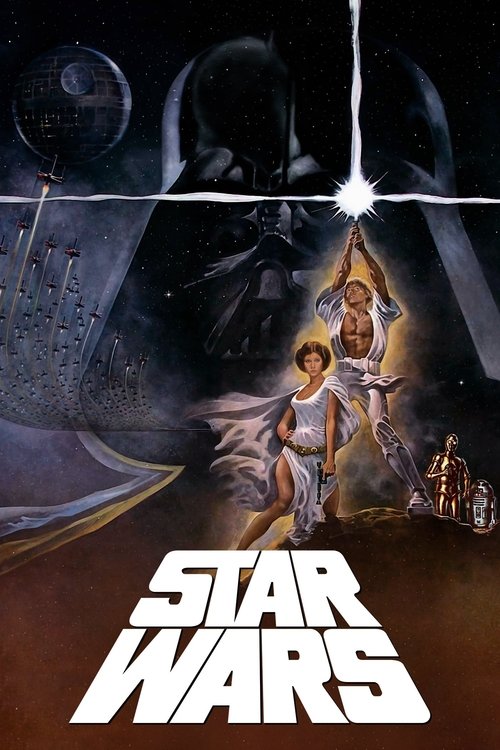
Star Wars
1977Princess Leia is captured and held hostage by the evil Imperial forces in their effort to take over the galactic Empire. Venturesome Luke Skywalker and dashing captain Han Solo team together with the loveable robot duo R2-D2 and C-3PO to rescue the beautiful princess and restore peace and justice in the Empire.
George Lucas ignited a tectonic shift in the cultural landscape, wedding Akira Kurosawa’s sensibility to a gritty, lived-in aesthetic that redefined the space opera as high mythology. Its mastery of practical effects and Joseph Campbell’s archetypes transformed the genre from a niche curiosity into the ultimate cinematic engine.
Frequently Asked Questions
Everything you need to know about this list and SnakeDrafts
- Star Wars (1977), directed by George Lucas, is ranked number one due to its groundbreaking impact on the sci-fi genre and popular culture. It revolutionized space opera storytelling and special effects, setting a new standard for cinematic adventures.
- 'Close Encounters of the Third Kind,' directed by Steven Spielberg, stands out for its blend of drama and science fiction, focusing on human-alien contact with a sense of wonder and mystery that contrasts with more action-driven sci-fi films.
- The inclusion of films like 'Demon Seed' and 'The Incredible Melting Man' highlights the diverse subgenres of sci-fi in 1977, where horror and science fiction uniquely intersected to explore themes of technology, mutation, and fear.
- 'Eraserhead' by David Lynch offers a surreal and avant-garde take on sci-fi, blending horror and science fiction to create an unsettling atmosphere. Its cult status reflects the experimental side of the genre during that year.
- Common themes in the 1977 sci-fi movies include human interaction with technology and extraterrestrials, existential questions, and survival in extraordinary circumstances. These films collectively pushed the genre toward more sophisticated narratives and complex characters.
- 'Capricorn One' is somewhat surprising because it blends drama, thriller, and science fiction, focusing on a conspiracy theory about a fake Mars landing. Its inclusion shows the era's expanding definition of sci-fi beyond traditional space and alien stories.
- 'The Island of Dr. Moreau' combines horror, adventure, and science fiction to explore ethical dilemmas about genetic experimentation. Its presence on the list underscores 1977's interest in blending sci-fi with other genres to address complex moral questions.