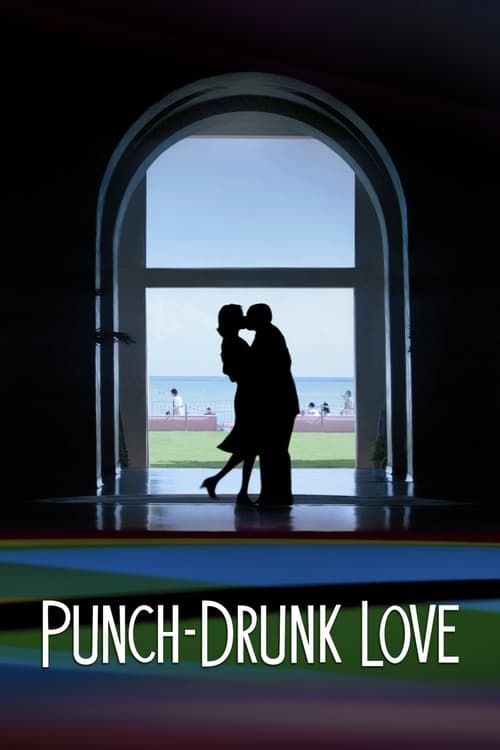
Punch-Drunk Love
In Paul Thomas Anderson's "Punch-Drunk Love," a tormented small-business owner's life takes an unexpected turn when a mysterious harmonium and a blossoming romance collide with a predatory phone sex operation. This critically acclaimed film masterfully blends quirky humor with raw emotional depth, offering a unique cinematic experience that explores love, loneliness, and self-discovery.
Director
Release Year
2002
Runtime
96 minutes
Main Cast
Adam Sandler, Emily Watson, Philip Seymour Hoffman, Luis Guzmán, Mary Lynn Rajskub
About Punch-Drunk Love
Paul Thomas Anderson’s "Punch-Drunk Love" arrived in 2002 as a vibrant, unconventional romantic drama that defied expectations, especially for audiences accustomed to Adam Sandler’s broad comedic roles. The film’s distinct visual style, characterized by vivid colors and inventive cinematography, immediately set it apart, contributing to its lasting cultural impact as a testament to Anderson's visionary direction and Sandler's surprising dramatic range.
The narrative centers on Barry Egan, a socially anxious novelty toilet plunger salesman whose life is a maelstrom of repressed rage and profound loneliness. His monotonous existence is disrupted by a series of bizarre events: a discarded harmonium, a fraudulent phone sex scheme, and, most significantly, the enigmatic Lena Leonard. The film masterfully navigates Barry's internal turmoil as he grapples with his violent outbursts and his burgeoning, almost unbelievable, connection with Lena, creating a love story that is as tender as it is tumultuous.
Upon its release, "Punch-Drunk Love" garnered widespread critical acclaim, particularly for Anderson's audacious direction and Sandler's transformative performance, which earned him a Golden Globe nomination. Critics lauded the film for its originality, its bold artistic choices, and its ability to blend disparate genres into a cohesive, emotionally resonant whole. The film received the Best Director award at the 2002 Cannes Film Festival, further solidifying its place as a significant work in contemporary cinema.
"Punch-Drunk Love" has since cemented its legacy as a modern classic, celebrated for its unique aesthetic and its profound exploration of unconventional romance. Its influence can be seen in subsequent films that dare to meld quirky humor with serious emotional undertones. The movie remains a compelling watch, inviting viewers to delve into its rich symbolism and its surprisingly optimistic message about finding love and acceptance in the most unexpected places.
Drafts Featuring Punch-Drunk Love
Every SnakeDrafts listicle where this movie appears
Similar Movies
Movies related to Punch-Drunk Love
Buffalo '66
1998
There Will Be Blood
2007
Eternal Sunshine of the Spotless Mind
2004
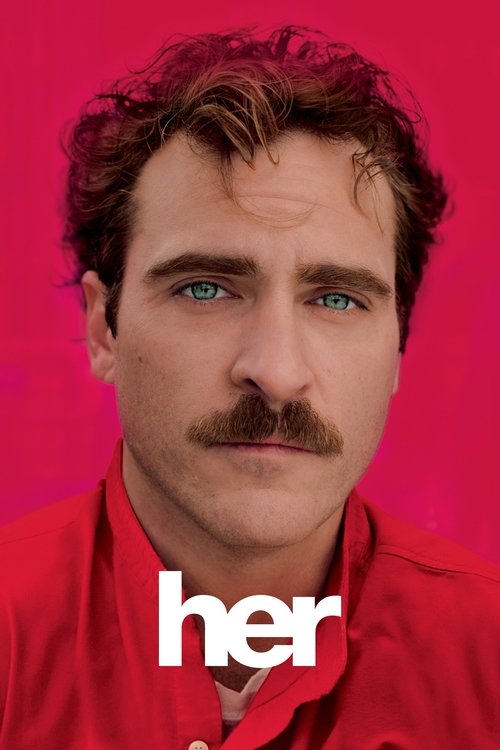
Her
2013
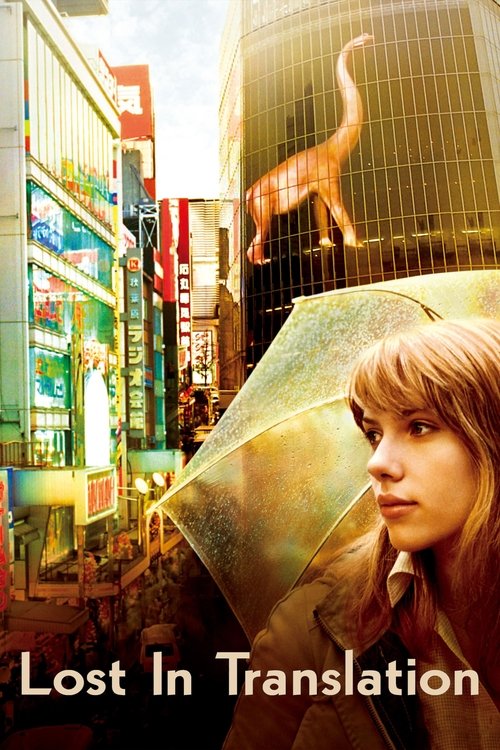
Lost in Translation
2003
Frequently Asked Questions
Everything you need to know about Punch-Drunk Love
- The harmonium in the film serves as a potent symbol of unexpected beauty, possibility, and connection in Barry's otherwise chaotic life. Its spontaneous appearance directly precedes Lena's entry into his world, linking it to the unfolding romance and his journey toward self-discovery.
- Barry Egan begins as a man consumed by social anxiety, loneliness, and explosive fits of rage, often feeling trapped by his sisters' constant interference. Through his burgeoning relationship with Lena and his confrontation with the phone sex extortionists, he gradually finds a sense of purpose, confidence, and the ability to express and channel his emotions in healthier ways, evolving into a more assertive and loving individual.
- The ending of 'Punch-Drunk Love' symbolizes Barry's embrace of love and his newfound sense of agency and belonging. His declaration to Lena and his ability to calmly walk into danger for her demonstrates his transformation from a passive, fear-driven individual to someone capable of profound devotion and self-possession, suggesting a hopeful future for their unconventional relationship.
- The vibrant and often saturated color palette, particularly the use of blues and reds, in 'Punch-Drunk Love' reflects Barry's internal emotional landscape and the heightened reality of his experiences. The bold visual style externalizes his inner turmoil, the intensity of his emotions, and the exhilarating, almost dreamlike quality of his burgeoning romance with Lena, creating a distinct and memorable aesthetic.
- Barry's seven overbearing sisters represent a significant source of his anxiety and feelings of inadequacy, constantly calling and intruding on his life, which stunts his emotional growth. Their collective presence contributes to the film's themes of loneliness, familial pressure, and the struggle for independence, creating the perfect backdrop for Barry's eventual breakthrough.

