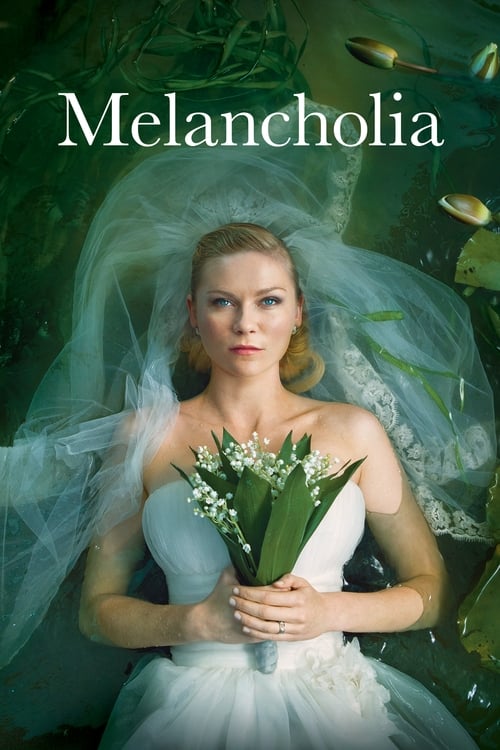
Melancholia
"Melancholia" (2011) is a visually stunning and psychologically intense drama that explores emotional depth and existential dread through the lens of a looming planetary disaster. Directed by Lars von Trier, the film masterfully intertwines family dynamics with apocalyptic themes, creating an unforgettable cinematic experience that resonates deeply with viewers facing their own inner turmoils.
Director
Release Year
2011
Runtime
130 minutes
Genres
Drama, Science Fiction
Main Cast
Kirsten Dunst, Charlotte Gainsbourg, Kiefer Sutherland, Alexander Skarsgård, Cameron Spurr
About Melancholia
Lars von Trier's "Melancholia" stands out as a poignant exploration of depression and human anxiety set against the backdrop of an impending cosmic catastrophe. The film delves into the complex relationship between two sisters, whose emotional worlds unravel as a mysterious planet threatens to collide with Earth, symbolizing overwhelming despair and the fragility of life.
At its core, the movie juxtaposes intimate human drama with grand, existential threats, using stunning visual effects and a haunting score to amplify the mood of inevitable doom. The narrative does not merely focus on the physical threat of the rogue planet but uses it as an extended metaphor for inner psychological battles, particularly through the characters' interactions and evolving states of mind.
Critically, "Melancholia" was acclaimed for its bold storytelling and Kirsten Dunst's powerful performance, which earned her the Best Actress Award at the Cannes Film Festival. The film's atmosphere, thematic depth, and artistic ambition consolidated its reputation as a significant work in contemporary cinema, influencing discussions on mental health and the human condition.
The legacy of "Melancholia" continues through its multifaceted approach to genre blending and its courageous confrontation with melancholia as both a medical condition and a profound existential experience. It remains a compelling choice for audiences intrigued by films that challenge emotional boundaries and cinematic norms.
Drafts Featuring Melancholia
Every SnakeDrafts listicle where this movie appears
The Definitive Kirsten Dunst Movie Ranking
Ranked #2
The Definitive Stellan Skarsgård Movie Ranking
Ranked #7
The Definitive Alexander Skarsgård Movie Ranking
Ranked #2
The Greatest John Hurt Movies Ever
Ranked #9
The Ultimate Lars von Trier Movie Rankings
Ranked #4
Top Movies of 2011 Ranked
Ranked #5
Best 2011 SciFi Movies Ranked
Ranked #9
The Best Movies of the 2010s Ranked
Ranked #70
Best Charlotte Rampling Movies Ranked
Ranked #5
Similar Movies
Movies related to Melancholia
Stalker
1979
Solaris
1972
The Tree of Life
2011
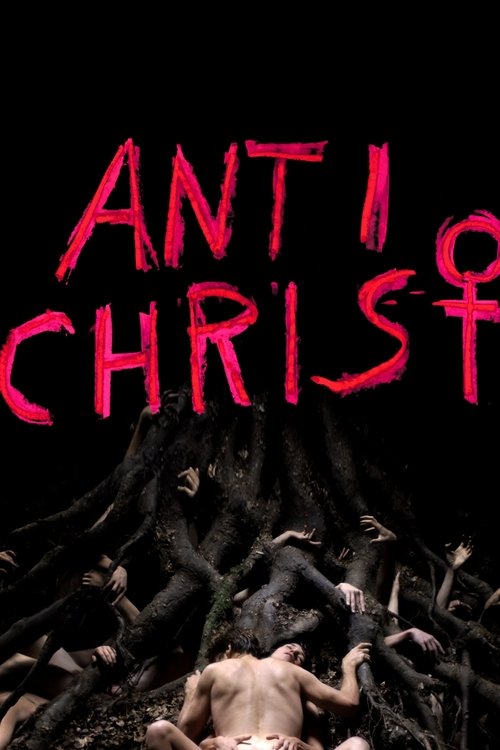
Antichrist
2009
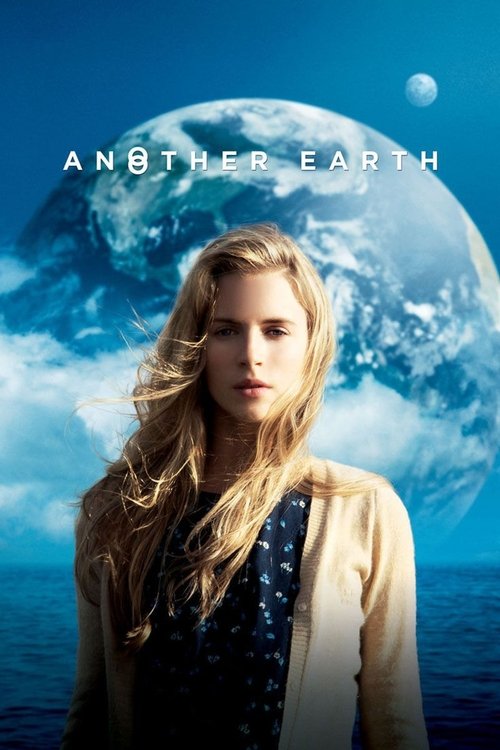
Another Earth
2011
Frequently Asked Questions
Everything you need to know about Melancholia
- The planet Melancholia serves as a metaphor for the overwhelming sense of depression and existential dread experienced by the characters, particularly reflecting the internal emotional states of the protagonist. It symbolizes the inescapable force of despair that threatens to consume everything.
- The film depicts a strained and complex relationship between the sisters, contrasting their personalities and coping mechanisms in the face of impending doom. Their dynamic reflects themes of emotional support, conflict, and the varied human responses to trauma.
- Kirsten Dunst's character embodies the clinical and emotional aspects of melancholia, displaying an acute sensitivity to the approaching disaster and a visible struggle with depression. Her portrayal grounds the film’s exploration of mental illness in a deeply human and relatable way.
- The score, composed mainly of Richard Wagner's music, notably from "Tristan und Isolde," intensifies the film's tragic and foreboding atmosphere. It enhances the emotional weight and dramatic tension, reinforcing the themes of love, death, and despair.
- Yes, "Melancholia" uses numerous symbolic elements such as the wedding scene which contrasts joy and impending doom, and the recurring use of water symbolizing cleansing, fear, and rebirth. These symbols enrich the narrative by deepening the viewers' understanding of characters' psychological states.
- The film is noteworthy for its candid and artistic portrayal of depression, avoiding clichés and instead portraying melancholia with nuance and empathy. It has sparked conversations about how mental illness is represented in film, encouraging more honest depictions.
- The ending is open to interpretation but is often seen as a poetic acceptance of fate and an embrace of peace in the face of destruction. It symbolizes a final emotional release and the transcendence of existential dread.
- Some critics pointed to the film’s slow pace and heavy symbolism as challenging for mainstream audiences. Additionally, some debated its portrayal of mental illness, though most agreed that its artistic approach was groundbreaking and impactful.
- The cinematography uses wide shots and slow camera movements to create a dreamlike, sometimes claustrophobic atmosphere that mirrors the characters’ internal experiences. Visual contrasts between light and shadow emphasize the film’s emotional and thematic tensions.
- While not directly adapted from a specific source, "Melancholia" incorporates scientific ideas about planetary collision and psychological theories of depression, blending these to create a unique narrative exploring both outer and inner worlds.

