The Best Chris Farley Movies Ranked
Unforgettable Comedy Gems from a Slapstick Legend
Discover the essential theatrical roles and hilarious performances that defined Chris Farley's legendary status as a king of physical comedy.
About Chris Farley
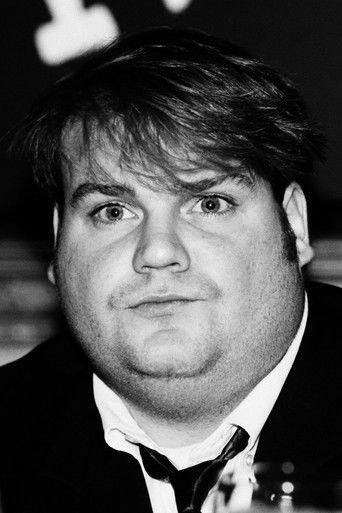
Chris Farley did not just walk into a scene; he detonated within it. During his run on Saturday Night Live and his subsequent blitz through Hollywood in the mid-nineties, he occupied a space that few performers dared to touch, blending a high-impact physicality with a sweetness that felt startlingly fragile. He was the hurricane in a suit two sizes too small, a man who could crash through a coffee table with the grace of a runaway freight train and then immediately win you over with a look of pure, apologetic desperation. While his peers often leaned into irony or sarcasm, he operated on raw, unadulterated sincerity, an approach that turned him into the beating heart of every project he touched.
The magic of his appeal was best captured in Tommy Boy, where he played the bumbling but well-meaning heir to an auto-parts empire. Opposite David Spade’s clinical cynicism, Chris found a rhythm that elevated the buddy-comedy genre into something legendary. It was here that he perfected his persona as the lovable disaster, a man whose enthusiasm was his own greatest obstacle. This dynamic was so potent that it was essentially bottled and sold again in Black Sheep, cementing the duo as the definitive comedic pairing of their era. Audiences connected with him because his characters felt like mirrors of our own insecurities, magnified to a chaotic degree. He represented the universal fear of being too much for the room, yet he possessed the unique ability to make that excess feel like a superpower.
Even in smaller roles, he remains impossible to look away from. Who else could turn a brief cameo in Wayne's World or its sequel into a masterclass in focused intensity? Whether he was a security guard or an unnamed fan, he brought an operating temperature that made everyone else around him look like they were standing still. Films like Billy Madison and Airheads showed his range as a high-octane ensemble player, while Beverly Hills Ninja allowed him to shoulder a film entirely on his own brand of slapstick athleticism. He moved with a lightness that defied his frame, a performer who treated his body like a cartoon character come to life, capable of absorbing endless punishment for the sake of a laugh.
There was always a sense of impending arrival when he was on screen, a feeling that something wild and unpredictable was about to happen. Even in his posthumous releases like Almost Heroes or his chaotic cameo in Dirty Work, that manic light never flickered. His legacy is not just one of loud jokes or broken furniture; it is the warmth he left behind. He gave everything to his audience, often at a visible cost to himself, which is why his work still feels so vital and personal decades later. To watch him is to watch a man living entirely in the moment, a chaotic force of nature who reminded us that it is okay to be messy, as long as your heart is showing. He was a once-in-a-generation combustible gift, and the comedy landscape has felt a little too quiet ever since he left it.
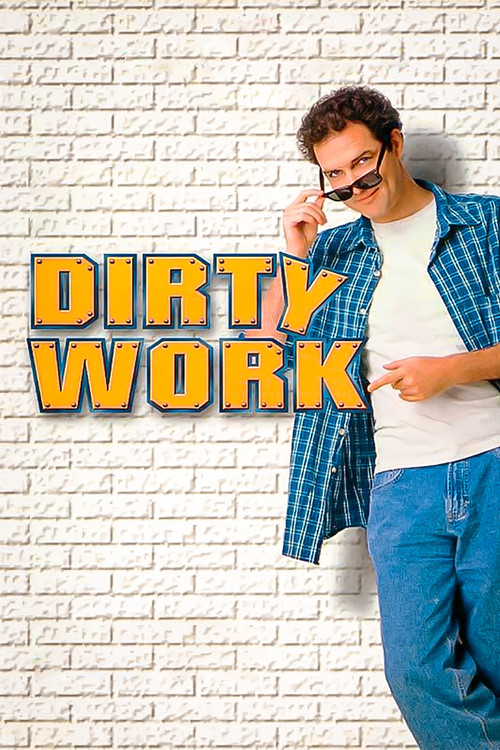
Dirty Work
1998Unemployed and recently dumped, Mitch and his buddy Sam start a revenge-for-hire business to raise the $50,000 that Sam's father needs to get a heart transplant.
Even in an uncredited bit part, Farley’s berserker energy is unmistakable, offering a feral comedic beat that serves as a jarring highlight within the film’s cynical tone. It stands as a final, jagged reminder of his capacity to elevate minor material into something unforgettably weird.
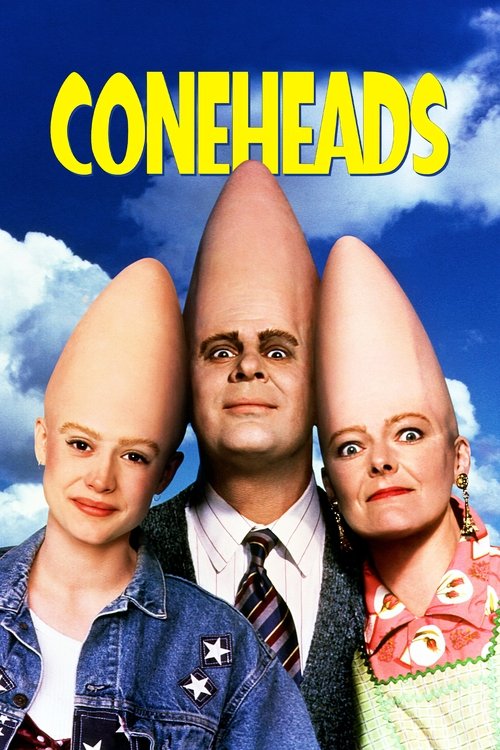
Coneheads
1993A pair of aliens arrive on Earth to prepare for invasion, but crash instead. With enormous cone-shaped heads, robotlike walks and an appetite for toilet paper, aliens Beldar and Prymatt don't exactly blend in with the population of Paramus, N.J. But for some reason, everyone believes them when they say they're from France.
Farley’s participation in this cult classic allows him to play with a more restrained, deadpan environment while still injecting his necessary brand of high-decibel energy. It is a fascinating look at his ability to adapt his massive stage presence to fit world-building that is inherently alien and rigid.
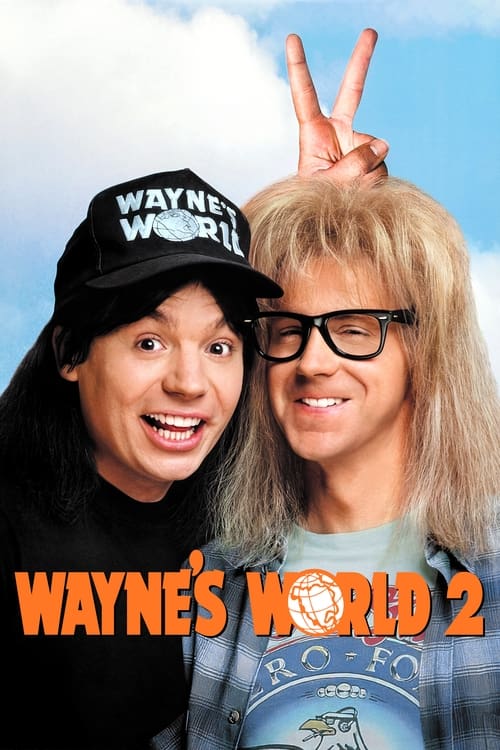
Wayne's World 2
1993A message from Jim Morrison in a dream prompts cable access TV stars Wayne and Garth to put on a rock concert, "Waynestock," with Aerosmith as headliners. But amid the preparations, Wayne frets that a record producer is putting the moves on his girlfriend, Cassandra, while Garth handles the advances of mega-babe Honey Hornée.
Returning in a different minor role, Farley demonstrates his utility as a comedic Swiss Army knife, willing to disappear into the background only to emerge for a quick, impactful laugh. It underscores his early reputation as the ultimate utility player for the Saturday Night Live cinematic universe.
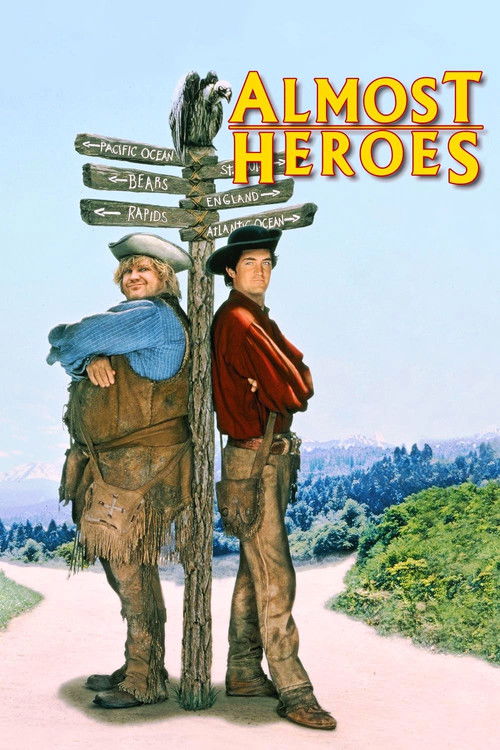
Almost Heroes
1998Two hapless explorers lead an ill-fated 1804 expedition through the Pacific Northwest in a hopeless, doomed effort to reach the Pacific Ocean before Lewis and Clark.
In this posthumous release, Farley finds a gritty, frontier rhythm that suggests a potential evolution into more character-driven comedic territory. His interplay with Matthew Perry highlights a gift for the bickering-pals dynamic that remains the most grounded element of his filmography.
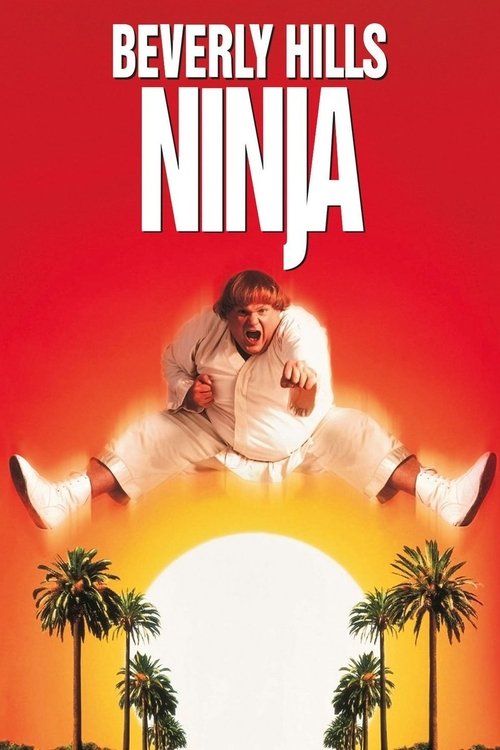
Beverly Hills Ninja
1997Haru, an orphaned American who washes ashore in Japan and is mistaken for the great White Ninja of legend. Raised among the finest Ninjas, Haru grows strong and big - very big. With the grace of all Three Stooges rolled into one body, Haru is an embarrassment to his clan. But when a beautiful blonde pleads for his help, Haru is given one dangerous, disastrously funny chance to prove himself.
In his final starring turn released during his lifetime, Farley leans into the sheer absurdity of his physicality, subverting martial arts tropes with self-deprecating slapstick. While lighter on substance, it serves as a testament to his singular ability to command the screen through pure, unadulterated movement.
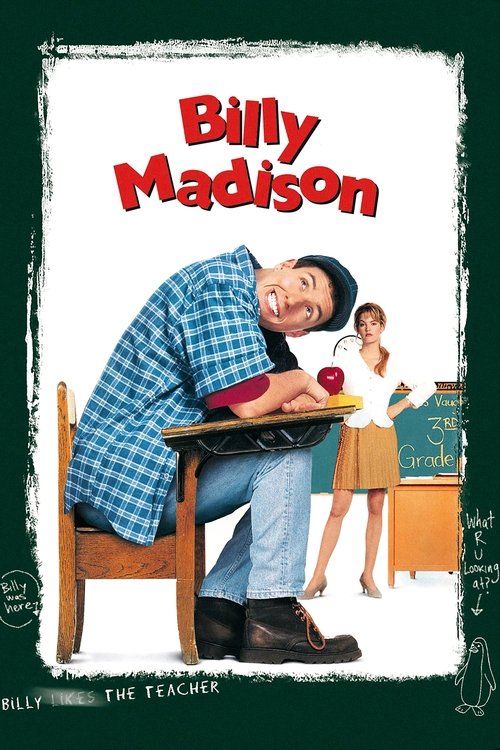
Billy Madison
1995Billy Madison is the 27 year-old son of Bryan Madison, a very rich man who has made his living in the hotel industry. Billy stands to inherit his father's empire, but only if he can make it through all 12 grades, 2 weeks per grade, to prove that he has what it takes to run the family business.
Channeling a signature brand of vein-popping frustration, he provides the perfect eccentric foil to Adam Sandler’s juvenile antics. This cameo occupies that specific sweet spot of Farley’s career where his scream was the most recognizable sound in Hollywood comedy.
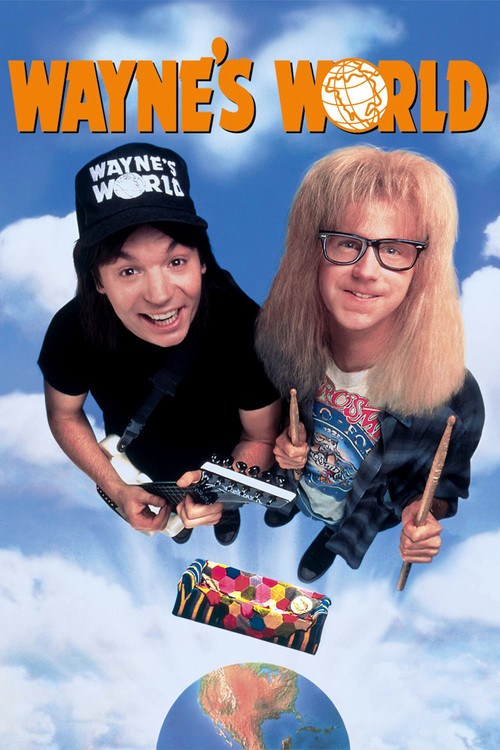
Wayne's World
1992The adventures of two amiably aimless metal-head friends, Wayne and Garth. From Wayne's basement, the pair broadcast a talk-show called "Wayne's World" on local public access television. The show comes to the attention of a sleazy network executive who wants to produce a big-budget version of "Wayne's World"—and he also wants Wayne's girlfriend, a rock singer named Cassandra. Wayne and Garth have to battle the executive not only to save their show, but also Cassandra.
Farley’s brief but volcanic appearance as a well-informed security guard offers a glimpse of the 'loud-quiet-loud' dynamic that would soon define his career. It is a textbook example of how he could hijack a narrative momentum through a single, perfectly pitched outburst.
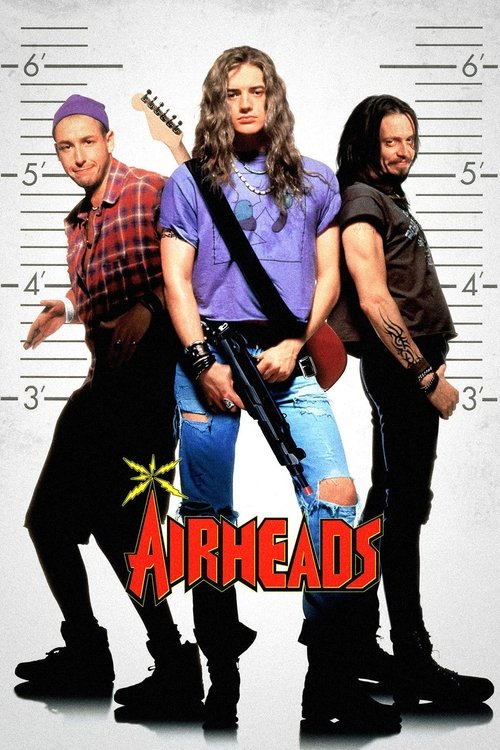
Airheads
1994The Lone Rangers have heavy-metal dreams and a single demo tape they can't get anyone to play. The solution: Hijack an FM rock radio station and hold the deejays hostage until they agree to broadcast the band's tape.
As the over-stressed Officer Wilson, Farley provides a masterclass in the slow-burn explosion, stealing scenes by simmering with a suppressed rage that eventually boils over into glorious hilarity. Even in a crowded ensemble, his manic intensity anchors the film's frenetic energy.
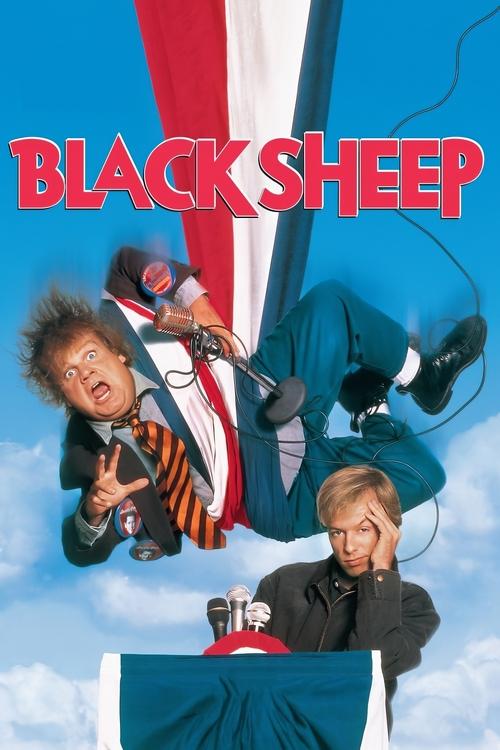
Black Sheep
1996When dignified Albert Donnelly runs for Governor, his team moves to keep his slow-witted and klutzy younger brother, Mike, out of the eye of the media. To baby-sit Mike, the campaign assigns sarcastic Steve, who gets the experience of a lifetime when he tries to take Mike out of town during the election.
Doubling down on the chaotic chemistry with David Spade, this follow-up cements Farley’s 'human wrecking ball' persona within a political satire framework. It captures the frantic, high-octane desperation of his mid-90s prime, proving he could carry a formulaic comedy through sheer, unbridled charisma.
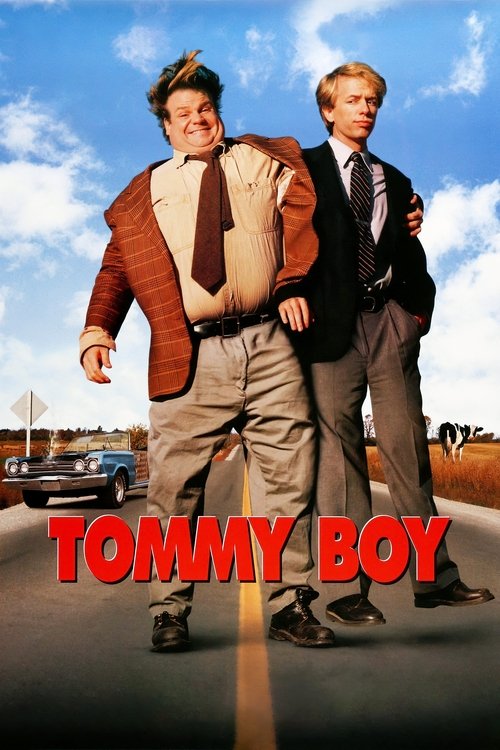
Tommy Boy
1995To save the family business, two ne’er-do-well traveling salesmen hit the road with disastrously funny consequences.
Farley reaches his kinetic apex here, balancing a destructive physical comedy with a surprising, vulnerable sincerity that transformed him from a sketch performer into a legitimate leading man. It remains the definitive showcase of his ability to weaponize his own clumsiness into something profoundly endearing.
Frequently Asked Questions
Everything you need to know about this list and SnakeDrafts
- Tommy Boy is widely regarded as the movie that best highlights Chris Farley's explosive physical comedy, blending slapstick antics with heartfelt moments. His ability to combine high-energy performances with vulnerability made this film a defining part of his legacy.
- In both Wayne's World and its sequel, Chris Farley delivers memorable supporting performances that complement the main cast with his unique blend of humor. These films capture his knack for music-themed comedy while allowing his energetic style to shine through in smaller but impactful roles.
- Airheads stands out as a unique entry combining comedy with elements of crime and music, where Farley contributes his trademark humor to a story about a rock band taking a radio station hostage. This film showcases his ability to work within genre blends while maintaining his comedic presence.
- In Black Sheep and Beverly Hills Ninja, Farley amplifies his physical comedy through exaggerated characters that are both clumsy and endearing. These roles underscore his talent for merging action and comedy, creating laughs through both chaotic mishaps and genuine charm.
- Chris Farley collaborated with several directors multiple times, such as Penelope Spheeris for Wayne's World and Black Sheep, enhancing the consistency of his comedic style across different projects. Recurring partnerships helped tailor roles that perfectly suited Farley's energetic and physical humor.
- Yes, Almost Heroes and Coneheads are prime examples where Farley’s comedic talent intersects with adventure, western, and science fiction genres. These films demonstrate his versatility and willingness to explore various storytelling styles while keeping comedy central to his performances.
- In Billy Madison and Dirty Work, Farley’s energetic and affectionate comedic style helped shape the films’ lighthearted and goofy tone. His presence often brought a dynamic energy that balanced juvenile humor with a relatable, heartwarming appeal.