The Greatest Horror Movies of 2016
Petrifying Masterpieces and Supernatural Thrills
Explore the ultimate list of scary cinema. From supernatural hauntings to intense psychological thrillers, discover the best genre hits and cult classics.
About 2016 Horror Movies
If you look back at the cinematic landscape of 2016, you might remember it as a year of massive superhero brawls and neon-soaked musicals. But for those who prefer their entertainment with a side of dread, 2016 was nothing short of a watershed moment. It was the year horror finally shed its reputation as a bargain bin genre and reclaimed its seat at the table of high art. We were witnessing the birth of what many now call the prestige horror era, a time when the scares became as intellectual as they were visceral.
The film that truly fired the starting pistol was Robert Eggers’ The Witch. Though it technically premiered at festivals earlier, its wide release in early 2016 sent shockwaves through the industry. With its meticulous period accuracy and oppressive atmosphere, it challenged audiences to endure a slow burn of folkloric terror. It did not rely on loud noises or cheap thrills. Instead, it focused on the disintegration of a family under the weight of religious paranoia. It announced a new kind of filmmaking where the monster in the woods was often a metaphor for the monsters within our own homes.
But the brilliance of 2016 lay in its variety. While Eggers was busy elevating the genre, Mike Flanagan was perfecting the traditional thriller with Hush. By stripping away a protagonist's ability to hear, Flanagan turned a standard home invasion setup into a masterclass of tension and spatial awareness. It was lean, mean, and proved that a clever hook could be just as effective as a big budget.
We also saw the arrival of Train to Busan, a South Korean masterpiece that reminded Western audiences that the zombie subgenre still had plenty of heart left. By confining the apocalypse to the high speed carriages of a locomotive, the film created a sense of kinetic urgency that most big budget Hollywood disasters fail to achieve. It was a tear jerker just as much as it was a heart pounder, proving that horror works best when we actually care if the characters survive.
Then there was Don’t Breathe, a film that flipped the script on the victim and victimizer dynamic. Fede Alvarez crafted a claustrophobic nightmare that weaponized silence and darkness in ways that left audiences gasping for air. It was a cynical, sweaty, and deeply uncomfortable watch that reinforced the idea that humans are often far more terrifying than any supernatural entity.
The year also gave us Raw, a French coming of age tale that used cannibalism as a visceral metaphor for awakening desire. It was provocative and stomach churning, yet undeniably beautiful in its execution. This was the common thread of 2016. Horror was no longer just about the jumps. Use of the genre became a way to explore grief, puberty, isolation, and systemic rot.
Looking back, 2016 acted as a bridge. It took the experimental energy of the early 2010s and refined it into something commercially viable and critically adored. It was the year that forced the mainstream to stop looking down on scary movies. Whether it was the neon pulse of The Neon Demon or the quiet grief of I Am Not a Serial Killer, the genre showed a level of sophistication that we are still riding the wave of today. It was a year where the shadows felt a little longer and the stories felt a lot deeper.
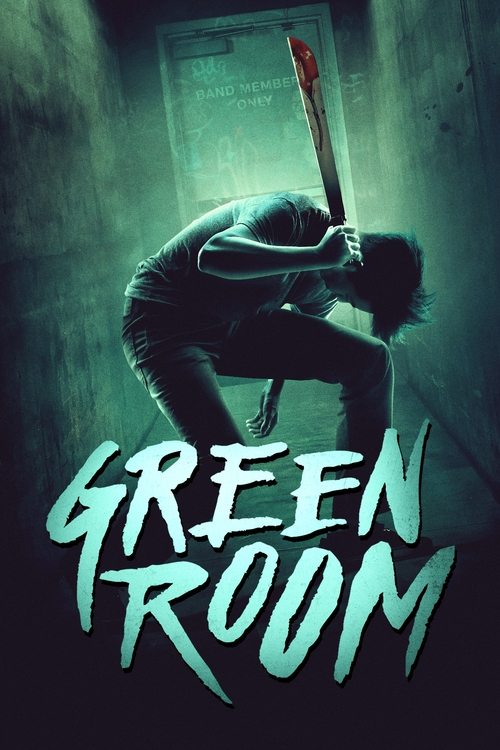
Green Room
2016A punk rock band is forced to fight for survival after witnessing an act of violence at a skinhead bar.
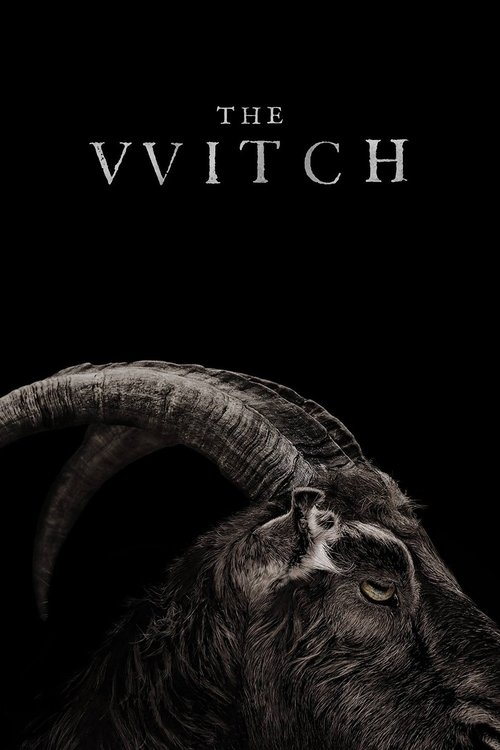
The Witch
2016In 1630, a farmer relocates his family to a remote plot of land on the edge of a forest where strange, unsettling things happen. With suspicion and paranoia mounting, each family member's faith, loyalty and love are tested in shocking ways.
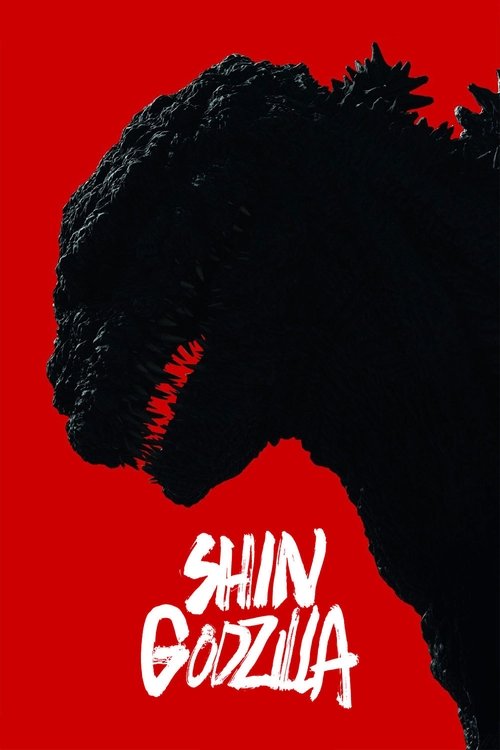
Shin Godzilla
2016When a massive, gilled monster emerges from the deep and tears through the city, the government scrambles to save its citizens. A rag-tag team of volunteers cuts through a web of red tape to uncover the monster's weakness and its mysterious ties to a foreign superpower. But time is not on their side - the greatest catastrophe to ever befall the world is about to evolve right before their very eyes.
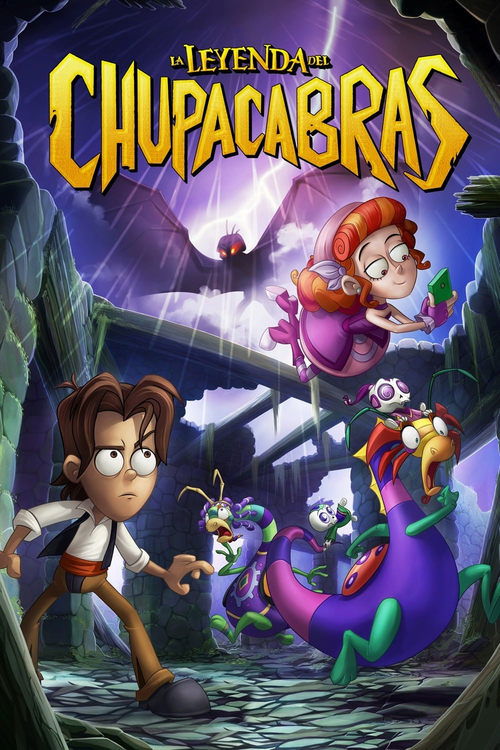
The Legend of the Chupacabras
2016Leo San Juan and his team of "ghostbusters" continue with their adventures, this time fighting against the mexican monster himself: "El Chupacabras".
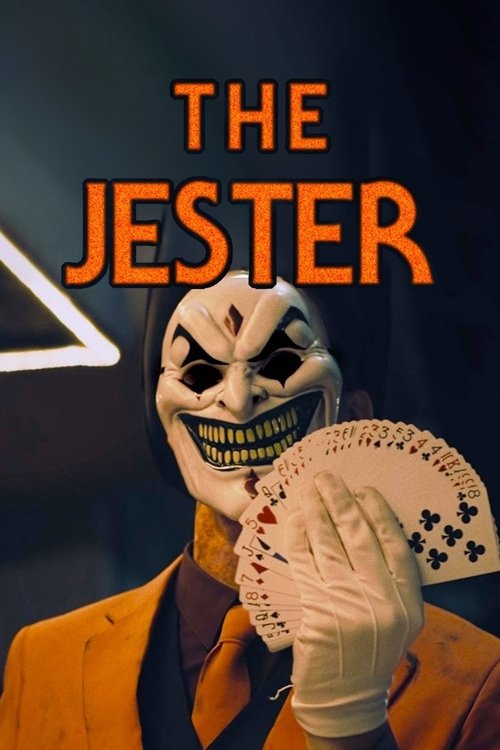
The Jester
2016The Jester is the titular main antagonist of the horror/thriller analogy short films of the same name. He is an enigmatic and malevolent being who enjoys inducing suffering to individuals he comes across who don't appreciate his own tricks or break the rules of Halloween.
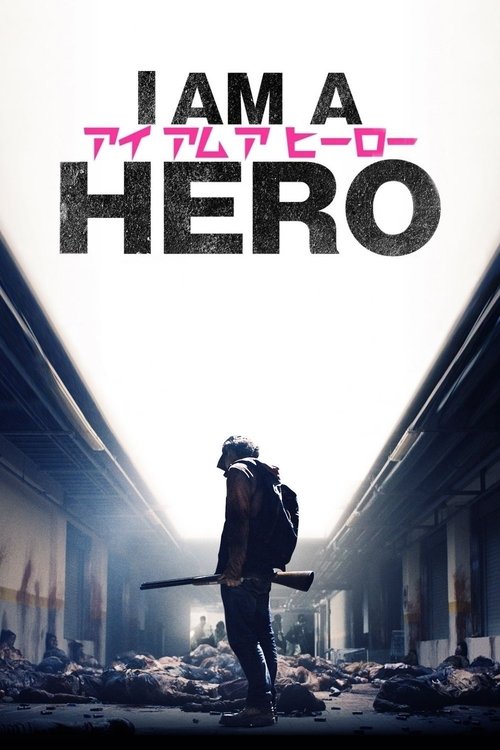
I Am a Hero
2016A man witnesses a fatal traffic accident on his way home from work, and the victim is clearly killed on impact. A moment later, when the corpse stands up and walks away, it could be a hallucination or something far more extraordinary.
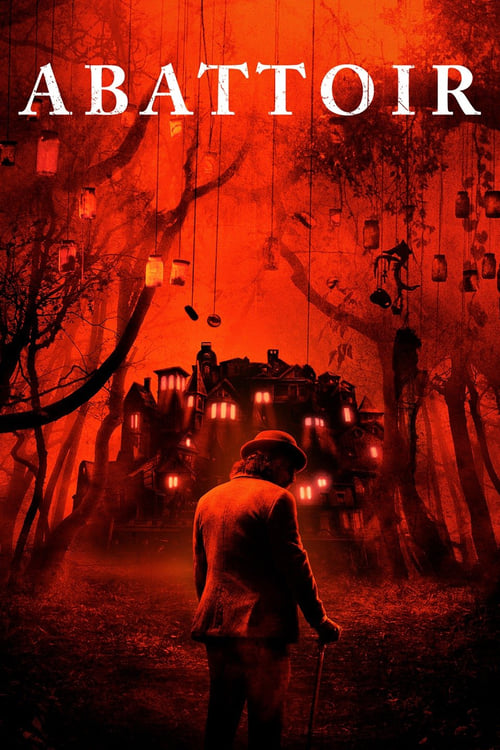
Abattoir
2016A reporter unearths an urban legend about a home being constructed from rooms where horrific tragedies have occurred.
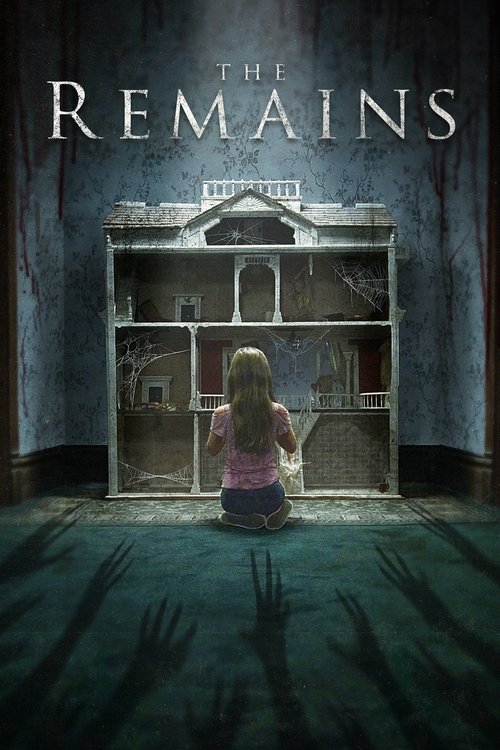
The Remains
2016After a family moves into an old Victorian home, they discover a chest in the attic containing antiques tainted by a malevolent spirit. As the antiques slowly possess each family member, the spirit grows stronger, hellbent on kidnapping the children.
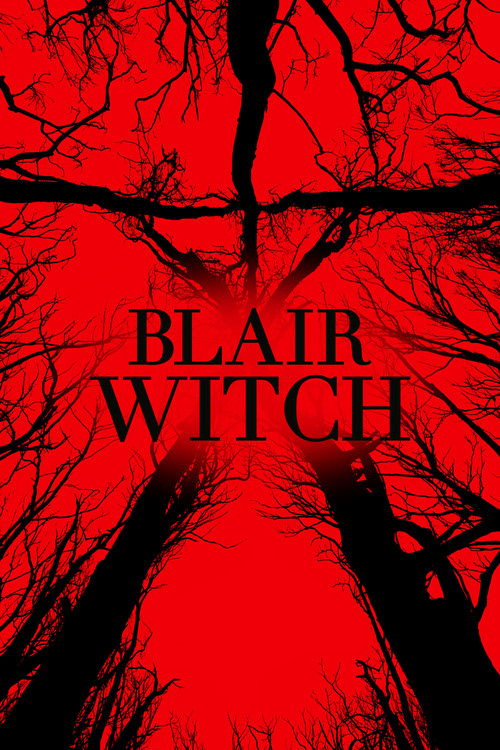
Blair Witch
2016Students on a camping trip discover something sinister is lurking beyond the trees.
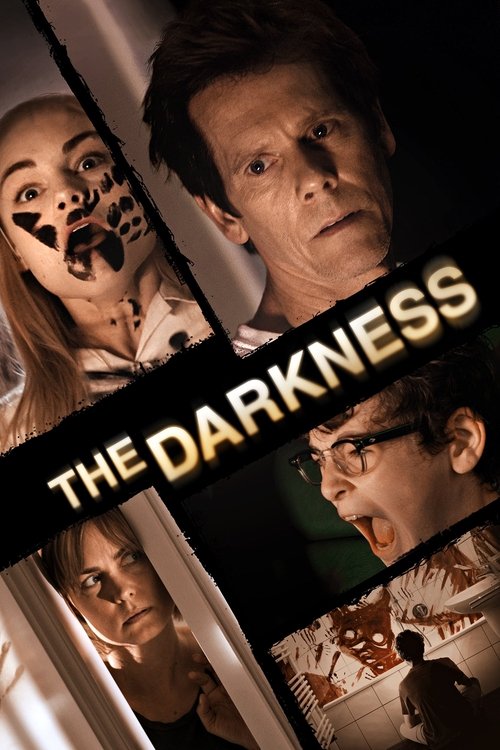
The Darkness
2016A family returns from a Grand Canyon vacation with a supernatural presence in tow.
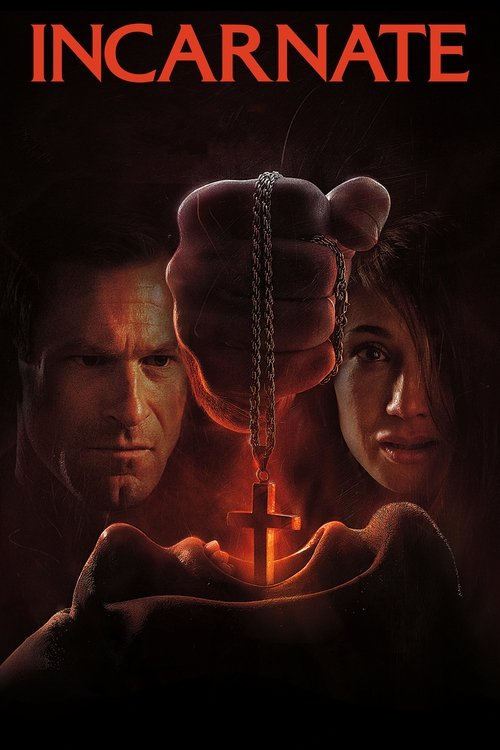
Incarnate
2016An exorcist comes up against an evil from his past when he uses his skills to enter the mind of a nine year old boy.
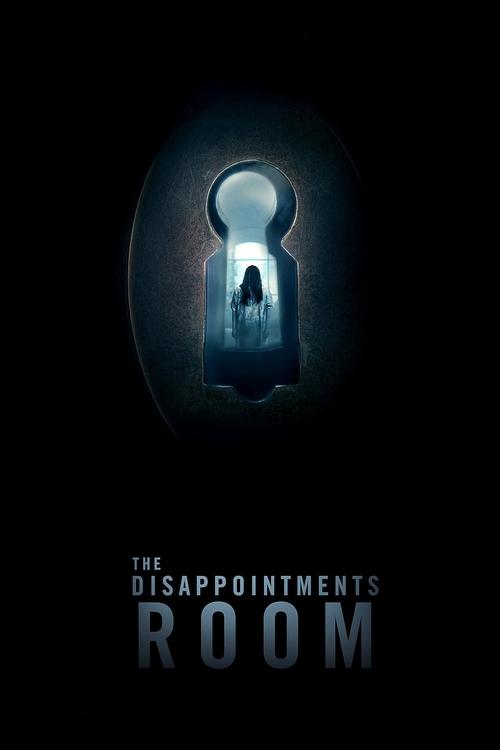
The Disappointments Room
2016A mother and her young son release unimaginable horrors from the attic of their rural dream home.
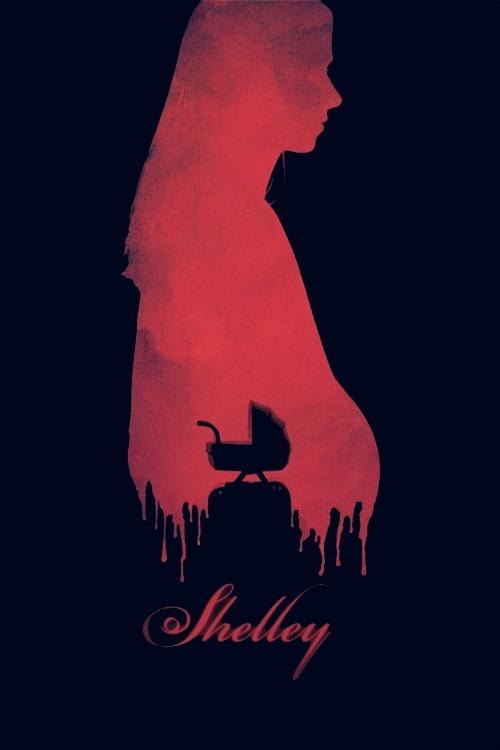
Shelley
2016Louise and Kasper want to become parents, but Louise cannot have children. She seals a pact with her Romanian maid, Elena, to bear her child, but things don't turn out quite as planned...
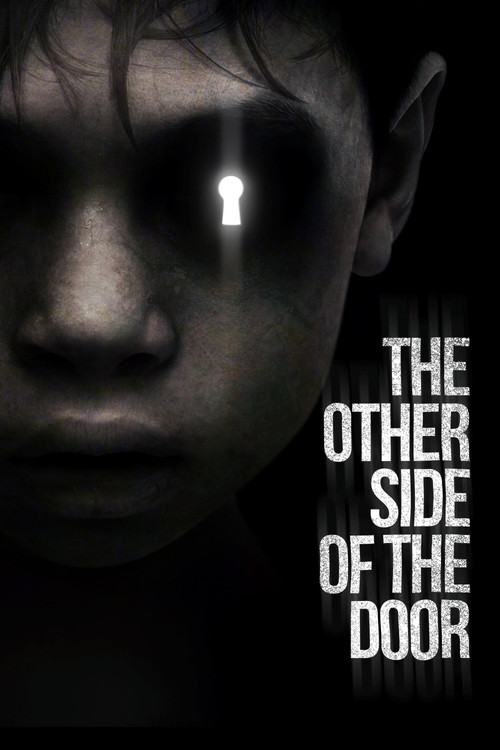
The Other Side of the Door
2016Grieving over the loss of her son, a mother struggles with her feelings for her daughter and her husband. She seeks out a ritual that allows her say goodbye to her dead child, opening the veil between the world of the dead and the living. Her daughter becomes the focus of terror. She must now protect against the evil that was once her beloved son.
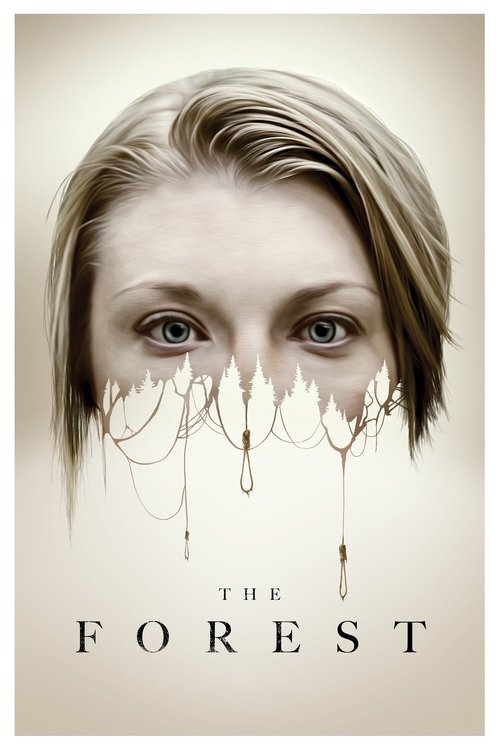
The Forest
2016Set in the Aokigahara Forest, a real-life place in Japan where people go to end their lives. Against this backdrop, a young American woman comes in search of her twin sister, who has mysteriously disappeared.
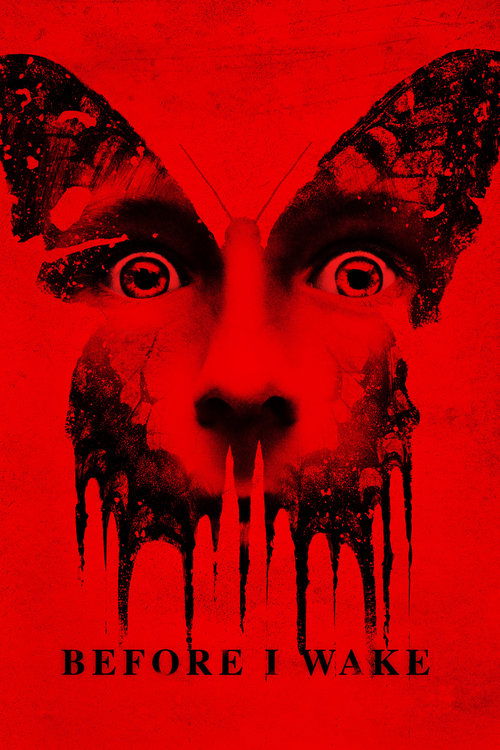
Before I Wake
2016An orphaned child's dreams—and nightmares—manifest physically as he sleeps.
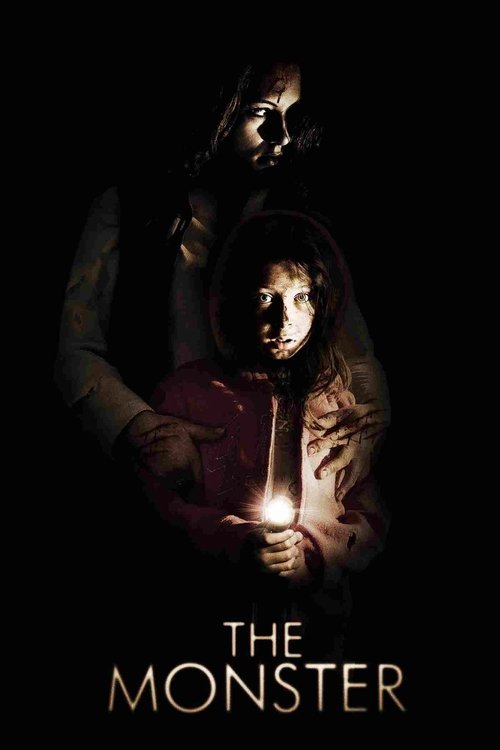
The Monster
2016A mother and her 10-year old daughter are trapped in a forest. There is something in this forest. Something unlike anything they have heard before. Something that lurks in the darkness and it’s coming after them.
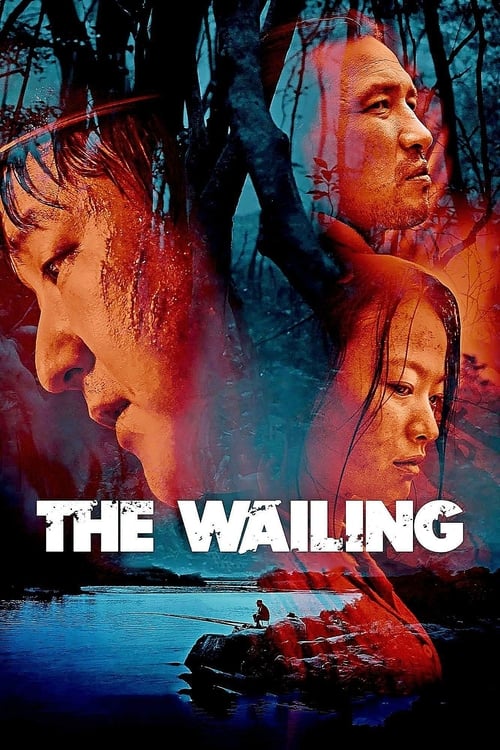
The Wailing
2016A stranger arrives in a little village and soon after a mysterious sickness starts spreading. A policeman is drawn into the incident and is forced to solve the mystery in order to save his daughter.
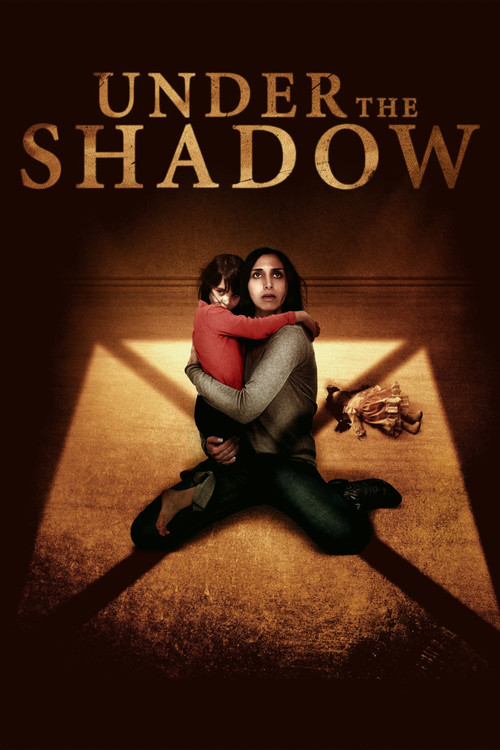
Under the Shadow
2016After Shideh's building is hit by a missile during the Iran-Iraq War, a superstitious neighbor suggests that the missile was cursed and might be carrying malevolent Middle-Eastern spirits. She becomes convinced a supernatural force within the building is attempting to possess her daughter Dorsa, and she has no choice but to confront these forces if she is to save her daughter and herself.
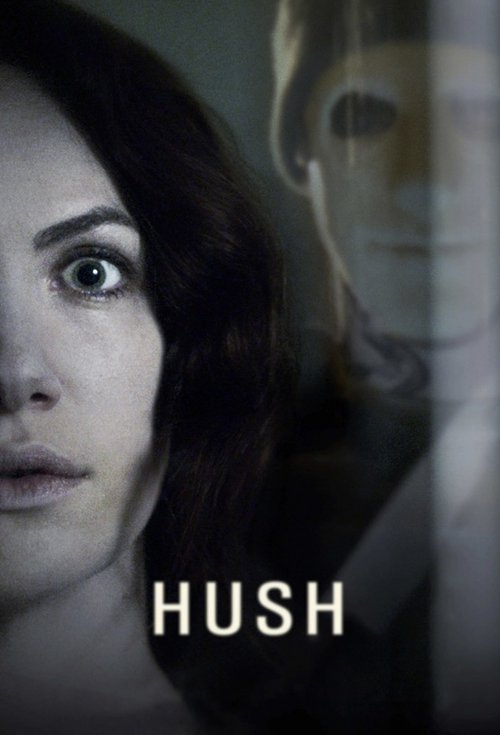
Hush
2016A deaf woman is stalked by a psychotic killer in her secluded home.
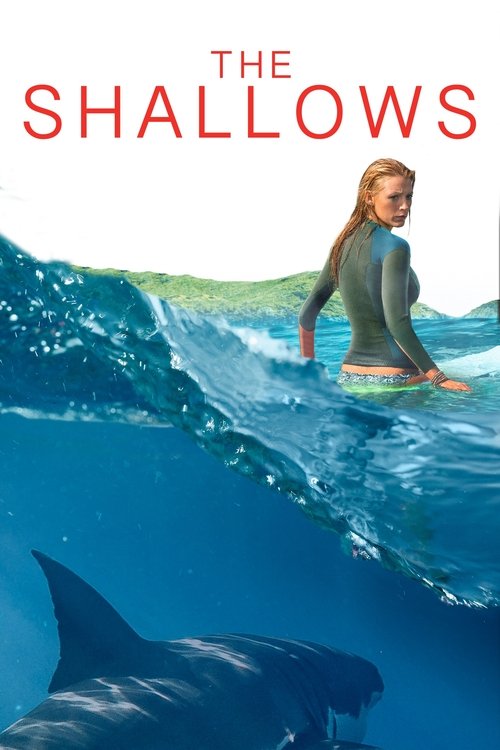
The Shallows
2016While surfing on a secluded beach, Nancy finds herself in the feeding grounds of a great white shark. Though stranded only 200 yards from shore, survival proves to be the ultimate test of wills, requiring all of her ingenuity, resourcefulness, and fortitude.
Jaume Collet-Serra strips the survival thriller down to its barest essentials, pitting human ingenuity against a primal force of nature in a bright, azure nightmare. The film thrives on its spatial clarity and a stripped-back narrative that maximizes every ounce of its isolated stakes.
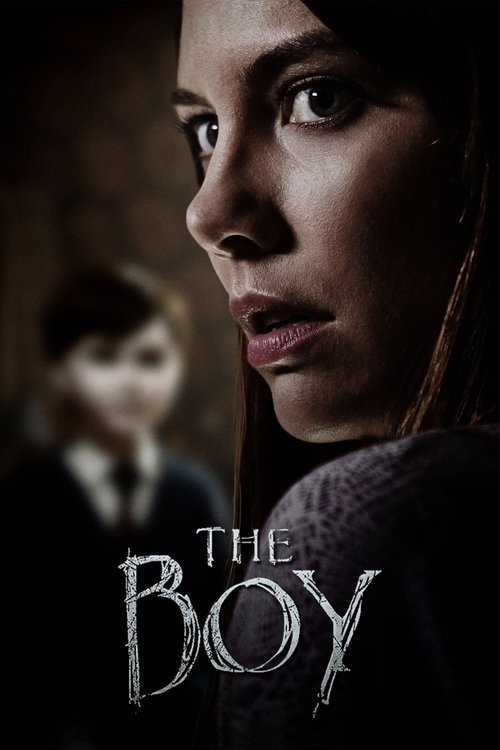
The Boy
2016A young American woman takes a job as a nanny in a remote English village, soon discovering that the family's eight-year-old son is a life-sized doll that comes with a list of strict rules.
While it flirts with gothic clichés, this uncanny piece of puppetry horror succeeds through its unsettling technical execution and a commitment to psychological unease. It manages to sustain a bizarre, skin-crawling energy that distinguishes it from more conventional slasher fare.
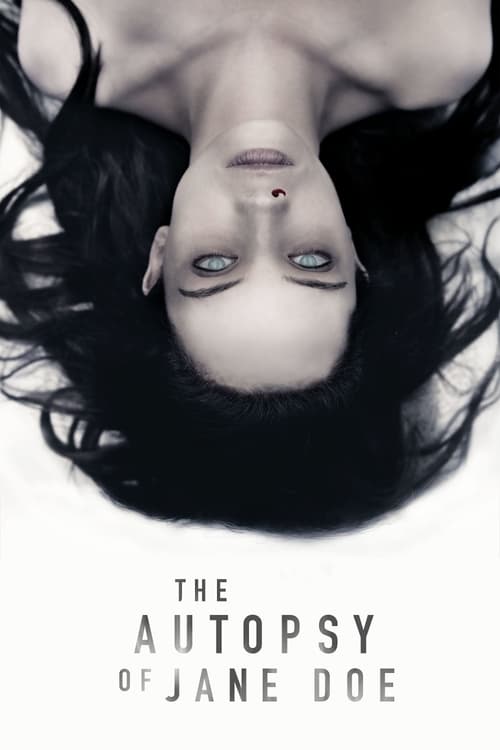
The Autopsy of Jane Doe
2016Father and son coroners receive a mysterious unidentified corpse with no apparent cause of death. As they attempt to examine the "Jane Doe," they discover increasingly bizarre clues that hold the key to her terrifying secrets.
A masterpiece of forensic minimalism, this film derives its power from the methodical unraveling of a mystery within the confines of a morgue. The deliberate pace and clinical cinematography create an inescapable aura of ancient, encroaching doom.
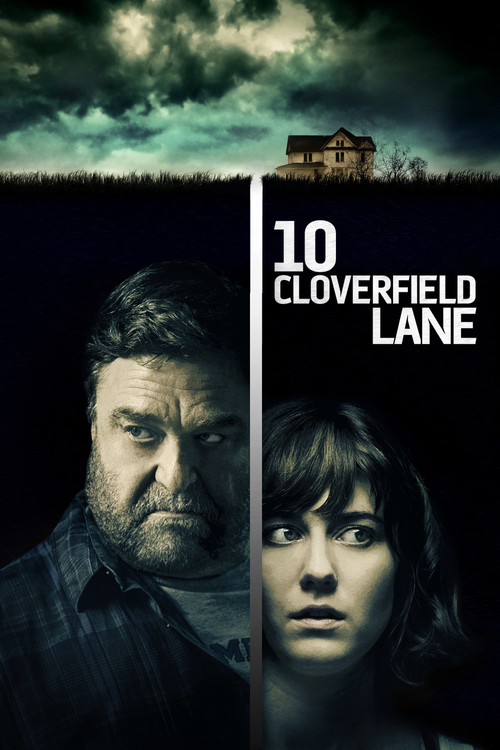
After a catastrophic car crash, a young woman wakes up in a survivalist's underground bunker, where he claims to have saved her from an apocalyptic attack that has left the outside world uninhabitable.
This taut psychological pressure cooker thrives on the friction between its three leads, utilizing a single setting to cultivate a suffocating sense of paranoia. It is a masterful study in tonal ambiguity, keeping the audience perpetually off-balance until its final, jarring pivot.
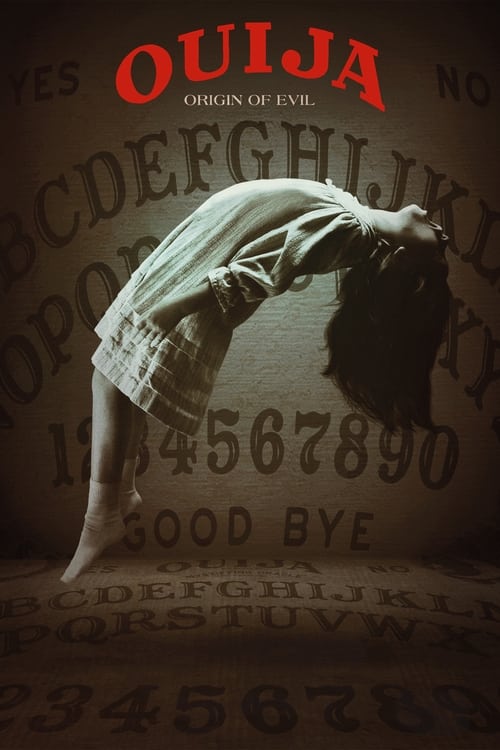
Ouija: Origin of Evil
2016In 1967 Los Angeles, a widowed mother and her two daughters add a new stunt to bolster their séance scam business and unwittingly invite authentic evil into their home. When the youngest daughter is overtaken by the merciless spirit, this small family confronts unthinkable fears to save her and send her possessor back to the other side.
Mike Flanagan achieves the impossible by transforming a lackluster IP into a sophisticated, period-accurate exploration of grief and atmospheric dread. Its success lies in a commitment to classical craftsmanship and a chilling central performance that anchors the supernatural chaos.
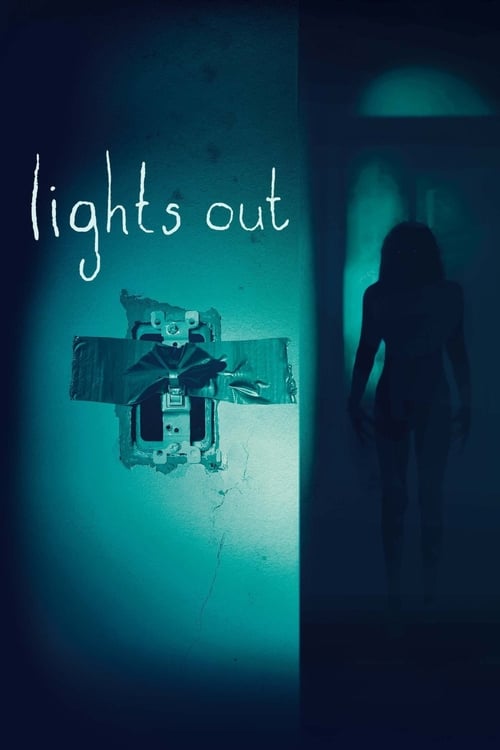
Lights Out
2016Rebecca must unlock the terror behind her little brother's experiences that once tested her sanity, bringing her face to face with a supernatural spirit attached to their mother.
By weaponizing the primal fear of what lurks in the shadows, this lean feature expansion turns a simple visual conceit into a relentless technical triumph. The film excels through its disciplined editing and a refreshingly tactile approach to its supernatural antagonist.
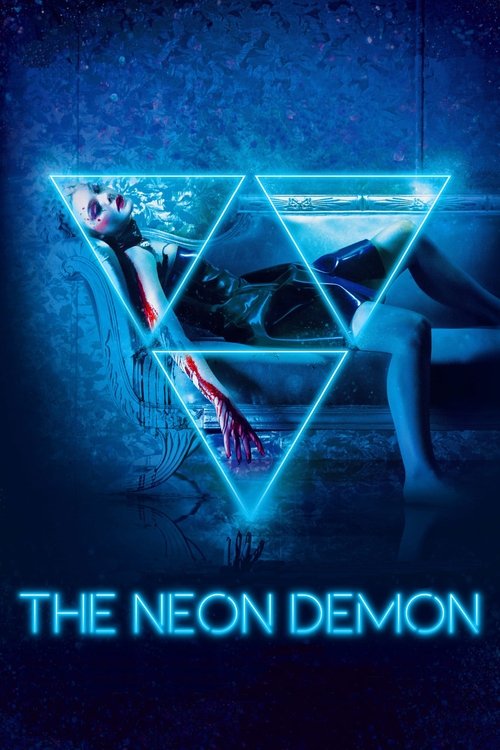
The Neon Demon
2016When aspiring model Jesse moves to Los Angeles, her youth and vitality are devoured by a group of beauty-obsessed women who will take any means necessary to get what she has.
Nicolas Winding Refn delivers a polarizing, strobe-lit descent into the cannibalistic nature of the high-fashion industry. Every frame vibrates with a lethal elegance, offering a grotesque yet hypnotic meditation on the vanity that devours from the inside out.
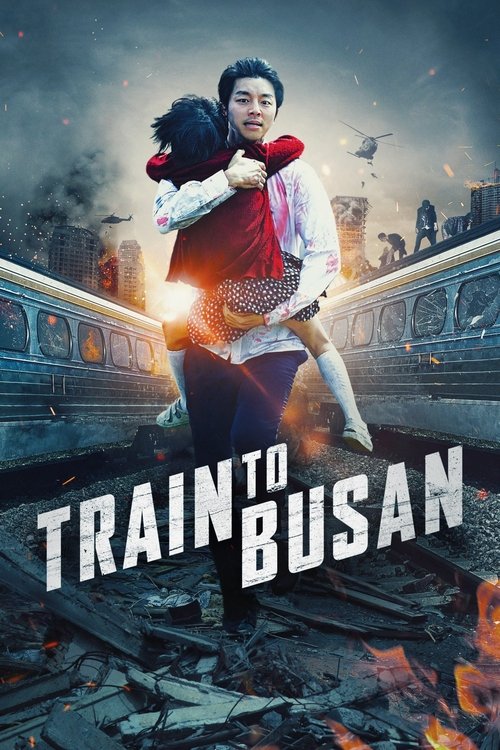
Train to Busan
2016When a zombie virus pushes Korea into a state of emergency, those trapped on an express train to Busan must fight for their own survival.
Resuscitating the stagnant zombie genre with a shot of pure adrenaline, this South Korean powerhouse prioritizes kinetic motion and heartbreaking social commentary. It is a rare feat of genre filmmaking that balances high-octane spectacle with a profound sense of human desperation.
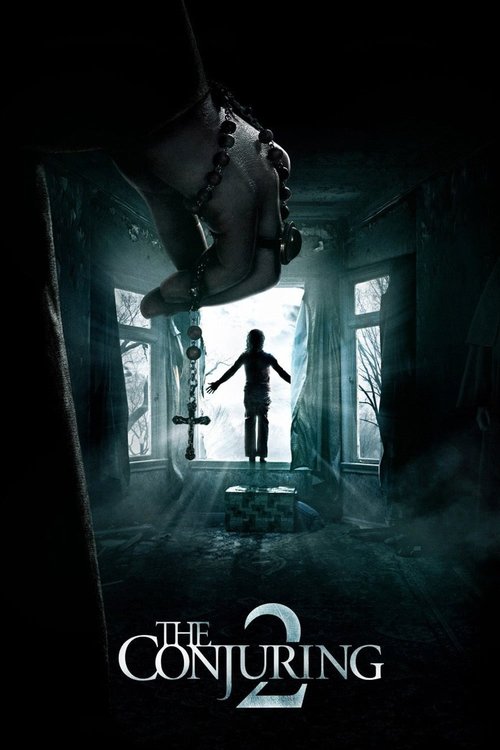
The Conjuring 2
2016Lorraine and Ed Warren travel to north London to help a single mother raising four children alone in a house plagued by malicious spirits.
James Wan further solidifies his status as a modern maestro of the jump-scare by blending expansive world-building with deeply felt character stakes. This sequel transcends typical paranormal tropes through its operatic scale and the introduction of truly nightmare-inducing iconography.
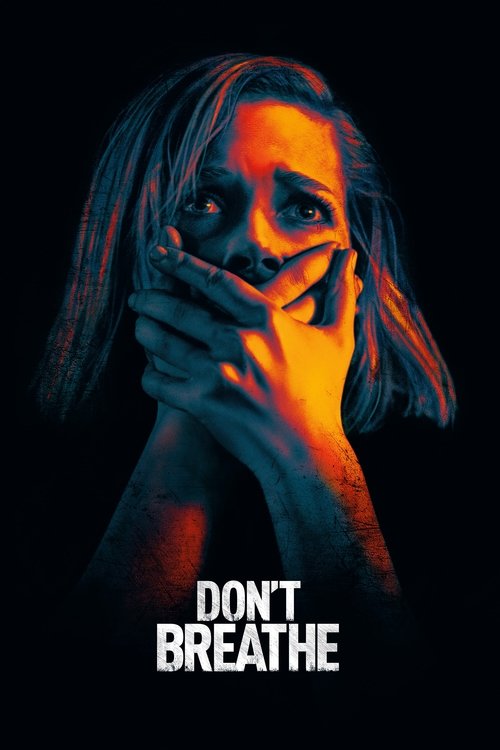
Don't Breathe
2016A group of teens break into a blind man's home thinking they'll get away with the perfect crime. They're wrong.
Fede Álvarez crafts a masterclass in claustrophobic tension that weaponizes silence and subverts the home-invasion subgenre with ruthless efficiency. Its visceral choreography and relentless pacing make it the year's most suffocatingly effective exercise in predatory terror.
Frequently Asked Questions
Everything you need to know about this list and SnakeDrafts
- The horror movies of 2016 frequently explored themes of psychological terror, supernatural hauntings, and survival under extreme conditions. Films like 'The Conjuring 2' delved into paranormal investigations, while 'Train to Busan' combined horror with intense action and emotional survival drama.
- Many 2016 horror movies combined elements of thriller, mystery, and drama to create richer narratives. For instance, '10 Cloverfield Lane' incorporates science fiction and psychological thriller aspects, while 'The Neon Demon' infuses horror with stylish thriller and art-house aesthetics, increasing the genre’s sophistication.
- 'Hush' is widely praised for its innovative use of sound and silence to build tension. The film’s plot centers on a deaf protagonist, intensifying the suspense as typical horror auditory cues are cleverly manipulated or absent.
- Yes, 'Train to Busan' from South Korea is a standout international horror film, offering a fresh take on the zombie genre with emotional depth and action-packed sequences. Another international contribution is 'The Wailing,' also South Korean, known for its eerie atmosphere and complex mystery.
- Supernatural horror was a significant trend in 2016, with movies like 'Ouija: Origin of Evil' and 'The Conjuring 2' showcasing haunted houses and demonic presences. These films balanced classic scares with modern cinematic techniques to refresh traditional ghost story formulas.
- Psychological horror was pivotal, with movies like 'The Neon Demon' and 'The Boy' exploring internal fears, identity, and manipulation. This approach added layers of complexity, positioning horror as a genre capable of intellectual engagement alongside scares.
- 'The Shallows' blends horror with survival thriller by focusing on a lone protagonist stranded near a great white shark. The film emphasizes realistic tension and fear of nature, which complements traditional horror by delivering visceral, edge-of-your-seat suspense.
- Absolutely, 2016 is considered a turning point where horror films achieved 'prestige' status. Works like 'The Neon Demon' received critical attention for their artistic visuals and narrative depth, marking a shift towards horror being appreciated for both craftsmanship and cerebral storytelling.