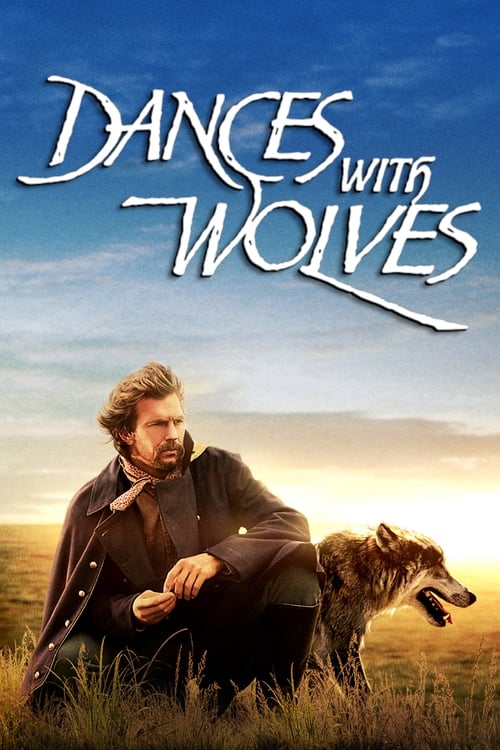
Dances with Wolves
Dances with Wolves, the epic 1990 film, masterfully blends adventure, drama, and the Western genre, offering a poignant look at cultural immersion and the American frontier. Kevin Costner directs and stars in this sweeping tale that redefined the Western for a new generation. Discover a profound story of connection, conflict, and the enduring spirit of the Great Plains.
Director
Release Year
1990
Runtime
181 minutes
Genres
Adventure, Drama, Western
Main Cast
Kevin Costner, Mary McDonnell, Graham Greene, Rodney A. Grant, Floyd "Red Crow" Westerman
About Dances with Wolves
Dances with Wolves arrived in 1990 as a cinematic event, breathing new life into the Western genre with its expansive storytelling and breathtaking cinematography. Directed by and starring Kevin Costner, the film captivated audiences and critics alike, becoming a cultural touchstone that sparked renewed interest in Native American history and perspectives. Its ambitious scope and heartfelt narrative set it apart, earning it widespread acclaim and a significant place in film history.
The film introduces Lieutenant John Dunbar, a decorated Union soldier who, seeking solitude and a glimpse of the disappearing frontier, requests a posting to the farthest reaches of the West. His journey leads him to an abandoned outpost and, eventually, into an unexpected and transformative relationship with a Sioux tribe. Initially an outsider, Dunbar slowly bridges the cultural divide, learning their language, customs, and way of life, earning the name 'Dances with Wolves.' The narrative beautifully explores themes of identity, belonging, and the tragic clash of civilizations that defined the era, all without resorting to simplistic hero-villain archetypes.
Critically, Dances with Wolves was a resounding success, praised for its grand scale, stunning visuals, and sensitive portrayal of Native American culture. It was nominated for twelve Academy Awards, winning seven, including Best Picture, Best Director for Kevin Costner, and Best Adapted Screenplay. Its commercial success further solidified its impact, proving that thoughtful, epic storytelling could still draw massive audiences. The film's influence extended beyond the box office, contributing to a broader cultural conversation about historical representation and environmentalism.
The legacy of Dances with Wolves is profound, marking a pivotal moment in the evolution of the Western. It challenged traditional portrayals of Native Americans, presenting them with dignity and complexity, and encouraged a more nuanced understanding of the frontier experience. Its enduring popularity is a testament to its powerful emotional core, its stunning visual artistry, and its timeless exploration of humanity's search for connection and understanding in a changing world. The film remains a compelling and essential viewing experience, resonating with audiences for its epic scope and intimate human drama.
Drafts Featuring Dances with Wolves
Every SnakeDrafts listicle where this movie appears
Similar Movies
Movies related to Dances with Wolves

Frequently Asked Questions
Everything you need to know about Dances with Wolves
- The wolf, named 'Two Socks' by Dunbar, serves as a powerful symbol of his assimilation into the natural world and his developing connection with the Sioux. Initially fearful, Dunbar eventually shares a bond with the animal, mirroring his own journey of trust and acceptance within the tribe. The wolf embodies the wild, untamed spirit of the frontier that Dunbar comes to embrace.
- Stands With A Fist, a white woman adopted by the Sioux after her family was killed, represents the bridge between two cultures. Her experiences highlight the complexities of identity and belonging, as she grapples with her past while fully embracing her life with the tribe. Her relationship with Dunbar further underscores the film's central theme of cultural understanding and reconciliation.
- The bison hunt is a pivotal scene that showcases the Sioux's deep connection to the land and their traditional way of life. It emphasizes their self-sufficiency, communal spirit, and reverence for nature. For Dunbar, participating in the hunt is a crucial step in his acceptance by the tribe and a visceral immersion into their customs.
- The ending, where Dunbar and Stands With A Fist leave the tribe to protect them from the encroaching U.S. Army, is bittersweet and emotionally impactful. It underscores the tragic inevitability of the conflict between settlers and Native Americans, while also celebrating the enduring strength of the bonds formed. The final scenes leave a lasting impression of sacrifice and love amidst profound change.
- The film's extensive use of the Lakota language, with subtitles, was groundbreaking and contributed significantly to its authenticity. It brought the language to a wide audience, fostering a greater appreciation for Indigenous cultures and their linguistic heritage. This dedication to linguistic accuracy was a key element in the film's critical acclaim and lasting cultural significance.

