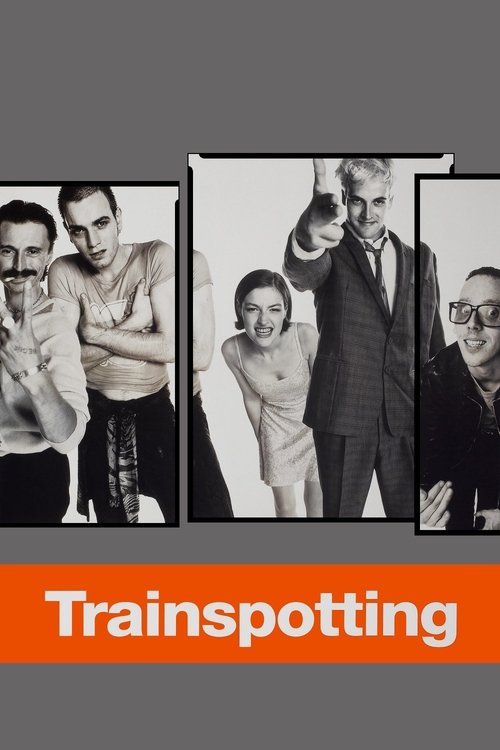
Trainspotting
Trainspotting, a quintessential black comedy from 1996, plunges viewers into the chaotic lives of a group of heroin addicts in Edinburgh, offering a raw and unforgettable portrayal of addiction, friendship, and the desperate search for an escape. This cult classic, directed by Danny Boyle, remains a powerful and provocative cinematic experience, brilliantly capturing the zeitgeist of a generation.
Director
Danny Boyle
Release Year
1996
Runtime
94 minutes
Main Cast
Ewan McGregor, Ewen Bremner, Jonny Lee Miller, Kevin McKidd, Robert Carlyle
About Trainspotting
Trainspotting, directed by Danny Boyle, is a groundbreaking 1996 film that delves deep into the lives of heroin addicts in Edinburgh. This movie grabbed attention with its raw depiction of addiction, youthful rebellion, and the complexities of friendship. The cultural impact of Trainspotting is significant, as it vividly captured the disillusionment of youth in the 1990s and became a cult classic internationally. It not only showcased the gritty realities of drug abuse but also combined elements of dark humor and poignant storytelling, influencing countless films and pop culture references since its release.
The plot centers on Mark Renton, played by Ewan McGregor, who navigates the harrowing world of heroin addiction alongside his chaotic circle of friends—Sick Boy, Begbie, Spud, and Tommy. The narrative explores Renton's struggles with sobriety and his attempts to escape his destructive lifestyle, all while dealing with the pull of his past and the influence of his companions. The film skillfully balances moments of intensity and levity without glamorizing addiction, providing a thought-provoking look at the cost of choices and the human spirit's resilience.
Critically, Trainspotting was lauded for its innovative direction, sharp script, and stellar performances, particularly from McGregor and Robert Carlyle as Begbie. Reviewers praised the film's energetic pacing, distinctive soundtrack, and its unflinching yet empathetic portrayal of addiction and friendship. It quickly became recognized as a key work in British cinema, fueling discussions around its provocative themes and stylistic choices. Its success was underscored by several award nominations and wins, including BAFTA honors and recognition at various international film festivals.
The legacy of Trainspotting endures as it remains a touchstone for films addressing addiction and youth culture. Its influence extends beyond cinema, inspiring music, fashion, and even academic discourse around drug use and societal issues. The film’s distinctive visual style and memorable quotes have cemented its status in film history. Moreover, the release of the sequel, "T2 Trainspotting," decades later reaffirmed its lasting appeal and cultural significance, highlighting the enduring complexities of its characters and themes.
Drafts Featuring Trainspotting
Every SnakeDrafts listicle where this movie appears
Similar Movies
Movies related to Trainspotting
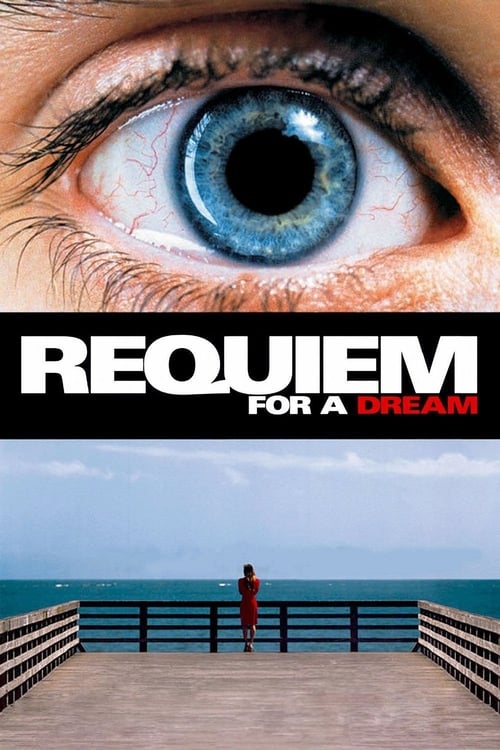
Requiem for a Dream
2000
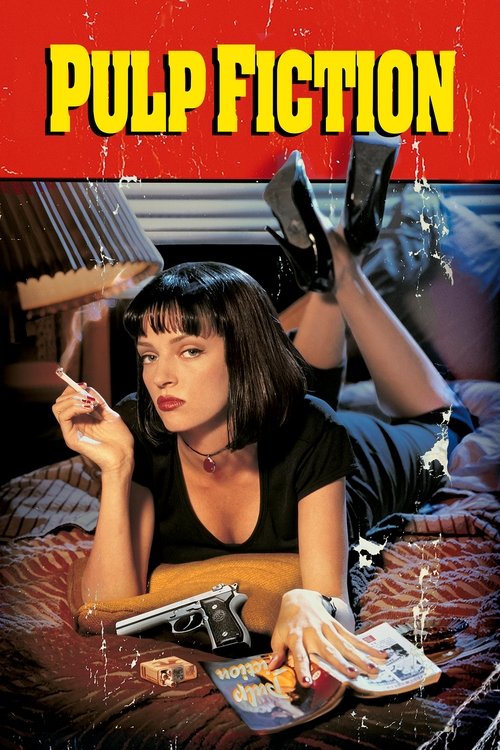
Pulp Fiction
1994
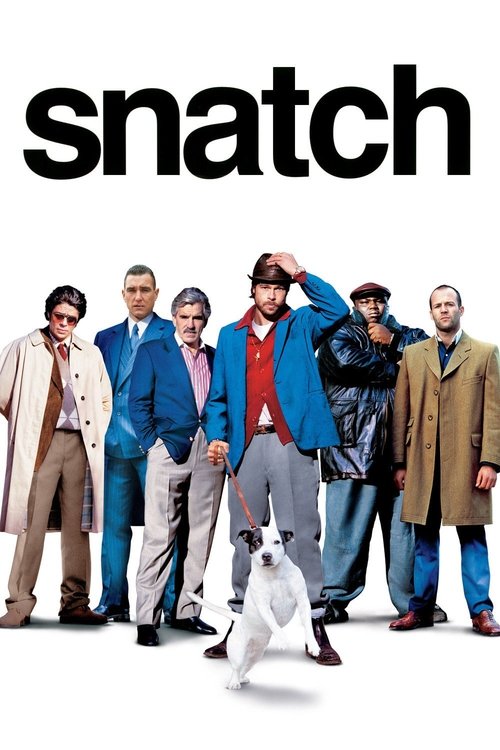
Snatch
2000
Lock, Stock and Two Smoking Barrels
1998
A Clockwork Orange
1971
Frequently Asked Questions
Everything you need to know about Trainspotting
- The 'Choose Life' monologue is a powerful, ironic commentary on societal expectations and the rejection of a conventional existence. Renton's sardonic delivery highlights the hypocrisy he perceives in mainstream life, framing his own destructive choices as a desperate, albeit flawed, form of rebellion against a predefined path.
- Trainspotting meticulously depicts both the destructive realities and the fleeting euphoria of heroin addiction. It shows the devastating physical and social consequences, while also hinting at the temporary escape and morbid comfort that the drug provides for its characters, making their struggle for sobriety all the more poignant.
- Edinburgh is more than just a backdrop; it's an integral character in Trainspotting. The film contrasts the city's picturesque beauty with the grim, urban decay inhabited by the characters, emphasizing their marginalized existence and creating a strong sense of place that grounds their struggles and aspirations.
- The ending of Trainspotting signifies Renton's definitive, albeit morally ambiguous, break from his past and his friends. His decision to choose a new life, even through betrayal, symbolizes his final desperate attempt at self-preservation and a bid for personal freedom, leaving his fate open to interpretation for the audience.
- The complex and often toxic friendships within the group—ranging from manipulative to loyal—underscore themes of camaraderie, codependency, and ultimately, betrayal. These relationships highlight the destructive cycle of addiction and how it can both bind and break individuals, revealing the deeply intertwined nature of their lives.
- The Trainspotting soundtrack is legendary, perfectly encapsulating the film's rebellious spirit and significantly contributing to its lasting cultural impact. Featuring iconic tracks from artists like Iggy Pop, Pulp, and Underworld, the music is seamlessly integrated, amplifying the film's energy, emotional depth, and visceral realism, becoming as iconic as the film itself.

