Damian Lewis: His Most Essential Movie Roles Ranked
Charismatic Performances from an Award Winning Star
Explore the finest feature films of Damian Lewis, featuring his versatile roles in historical dramas, intense thrillers, and acclaimed independent cinema.
About Damian Lewis

Damian Lewis possesses a rare, chameleonic quality that allows him to slip between the high-stakes boardrooms of modern Manhattan and the muddy trenches of historical drama without ever losing his core intensity. He carries himself with a patrician grace that suggests old-world theater training, yet there is always something simmering beneath that polished exterior, a hint of danger or deep-seated anxiety that makes him impossible to look away from. It is this specific friction between his composed surface and his turbulent internal life that has turned him into one of the most reliable anchors in contemporary prestige drama.
His career is defined by a refusal to be pinned down by his own elegance. While many actors with his classical pedigree might have stayed safely within the confines of Shakespearean adaptations, he has consistently sought out roles that challenge his public image. In the haunting indie drama Keane, he delivered a raw, frantic performance as a father spiraling through mental illness and grief, proving he could lead a film with devastating psychological weight. He later pivoted toward the lighthearted and quirky, leaning into his British roots for Dream Horse, where he traded high-finance ruthlessness for the communal warmth of a Welsh racing syndicate. Even when playing a legendary icon like Steve McQueen in Once Upon a Time in Hollywood, he avoided caricature, instead capturing the cool, guarded stillness of a man who knows exactly how much power he holds in a room.
Audiences connect with him because he treats even the most heightened characters with a grounded, working-class commitment to the craft. There is no vanity in his work. Whether he is navigating the gray morality of the espionage world in Our Kind of Traitor or exploring the gritty desperation of prison life in The Escapist, he finds the humanity within the archetype. He excels at playing men who are burdened by secret knowledge or heavy consciences. This was evident early on in the harrowing television film Warriors, which showcased his ability to portray the moral toll of conflict, a theme he would revisit with varying degrees of nuance throughout his filmography.
He is just as comfortable in the realm of the theatrical and the absurd as he is in the hyper-realistic. His turn as Lord Capulet in the 2013 Romeo and Juliet displayed his command of the poetic, while the comedy Bill allowed him to flex a different set of muscles entirely. He has a knack for selecting projects that feel like distinct chapters in a larger exploration of masculinity. From the quiet domestic tensions of An Unfinished Life to the supernatural chaos of Dreamcatcher, he remains an actor who prioritizes the truth of the moment over the flashiness of the role.
Ultimately, his enduring appeal lies in his reliability as a storyteller. He brings a certain intellectual rigor to every frame, making the audience feel as though they are solving a puzzle alongside him. He does not just inhabit a character; he dissects the mechanics of their ambition and their fear. Whether he is playing a king, a criminal, or a common man caught in extraordinary circumstances, he remains a master of the understated, proving year after year that the most compelling thing on screen is often the thought process flickering behind a pair of watchful eyes.
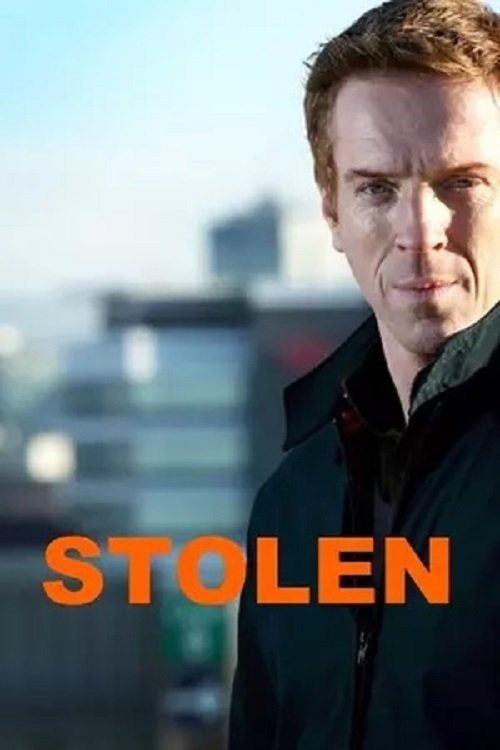
Stolen
2011A fast-paced thriller about a vital and terrifying subject - the trafficking of children - with the heart-stopping vibrancy, compassion and energy that only the fate of children inspires. This is a story that touches all our lives. And it's happening now.
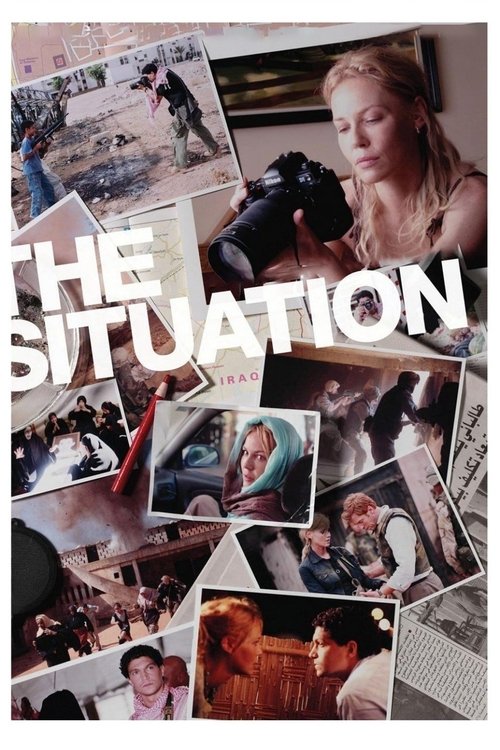
The Situation
2007The first U.S.-made film drama set during the Iraq war, THE SITUATION chronicles the tragic death of an Iraqi teenager at the hands of U.S. soldiers. The incident sets off an "investigation," a cover-up, and complications involving Iraqi mayor Sheikh Tahsin (Saïd Amadis), who has a complex relationship with the Americans.
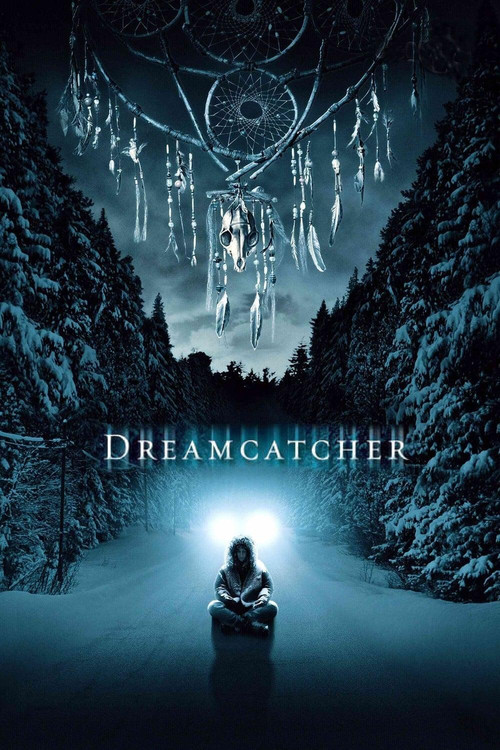
Dreamcatcher
2003Four boyhood pals perform a heroic act and are changed by the powers they gain in return. Years later, on a hunting trip in the Maine woods, they're overtaken by a vicious blizzard that harbors an ominous presence. Challenged to stop an alien force, the friends must first prevent the slaughter of innocent civilians by a military vigilante ... and then overcome a threat to the bond that unites the four of them.

Warriors
1999If the conflict in Bosnia has become something of a forgotten war, it's not for the want of trying from the immensely powerful BBC film Warriors, the story of five young soldiers and their harrowing experiences in the region.
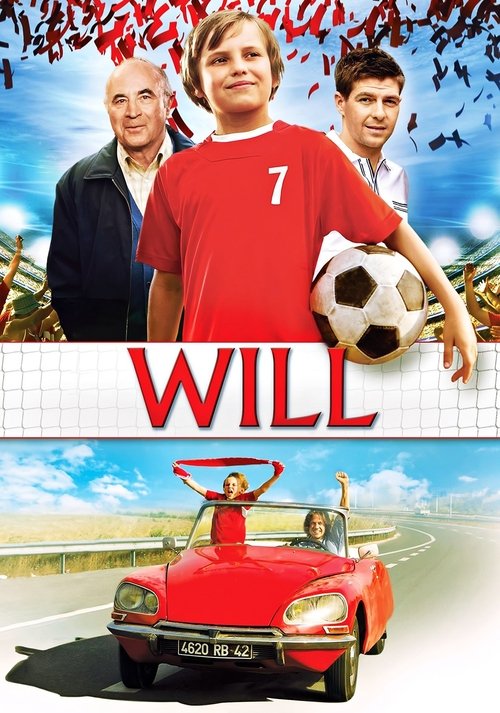
Will
2011Brennan is Liverpool's number one fan, able to recite facts ad infinitum about the club and at a public school in the south of England since his father Gareth is emotionally unable to care for him following the death of Will's mother. Gareth appears one day out of the blue with tickets for Liverpool's trip to the 2005 Champions League Final in Istanbul.
Providing the film's aspirational heartbeat, Lewis maneuvers through this sentimental journey with a warmth and sincerity that keeps the narrative from becoming overly mawkish. His performance acts as the North Star for the story, grounding the grander emotional themes in a relatable human dignity.
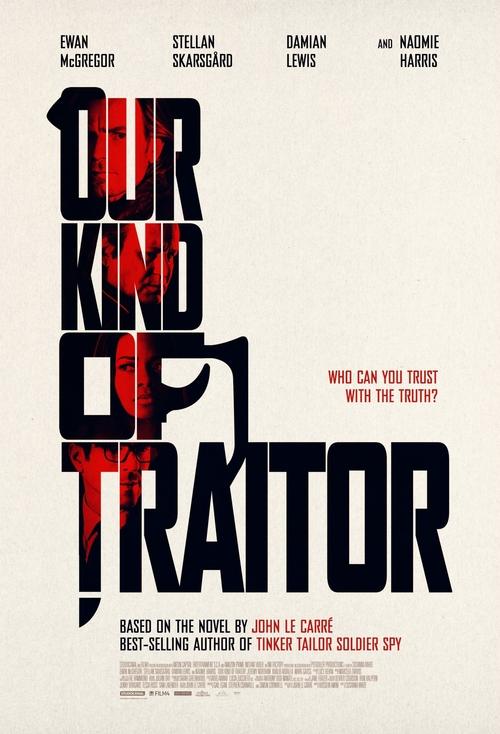
Our Kind of Traitor
2016A young Oxford academic and his attorney girlfriend holiday in Morocco. They bump into a Russian millionaire who owns a peninsula and a diamond watch. He wants a game of tennis. What else he wants propels the lovers on a tortuous journey to the City of London and its unholy alliance with Britain's intelligence establishment, to Paris and the Alps.
Lewis operates with a surgical, ice-cold intellect as a British intelligence officer, embodying the modern espionage archetype with a cynical edge. He anchors the film's moral ambiguity, providing a needed sense of bureaucratic gravity that elevates the thriller’s stakes.
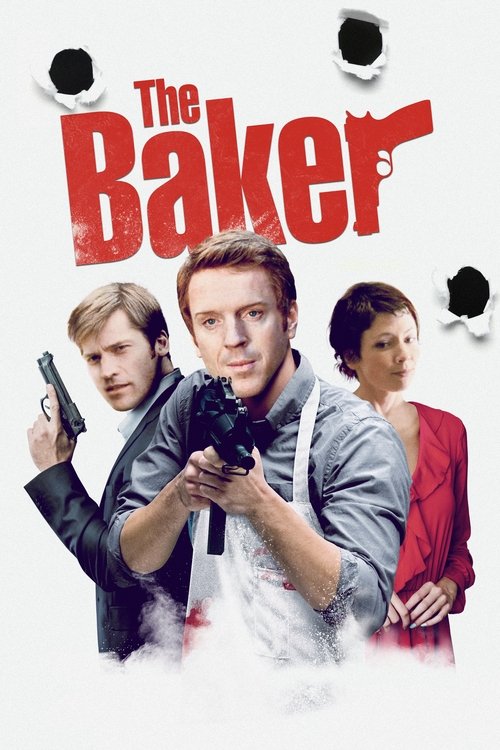
The Baker
2007Milo is a professional hit man living on the edge. When failing to fulfill a contract for the first time, he escapes the city to avoid the wrath of his employers. Hiding out in a remote rural village, the locals mistake him for the new baker.
This quirky genre subversion allows Lewis to play with the tropes of the professional hitman, replacing his trademark sharp focus with a sense of deadpan fish out of water bewilderment. It is a vital showcase for his underrated ability to lead a film with a light, almost lyrical touch.
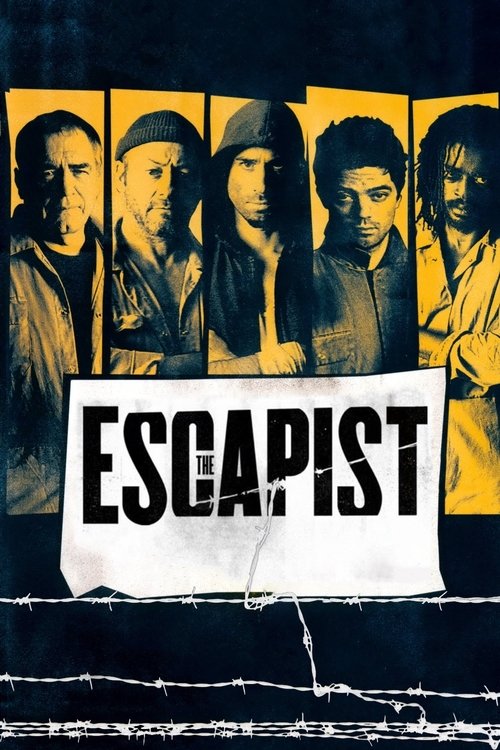
The Escapist
2008Frank Perry is an institutionalized convict twelve years into a life sentence without parole. When his estranged daughter falls ill, he is determined to make peace with her before it's too late. He develops an ingenious escape plan, and recruits a dysfunctional band of escapists - misfits with a mutual dislike for one other but united by their desire to escape their hell hole of an existence.
Within the confines of a claustrophobic prison thriller, Lewis radiates a cold, calculating menace that serves as the ultimate foil to the film’s desperate protagonists. He utilizes a minimalist style to cultivate a terrifying atmosphere of institutional indifference.
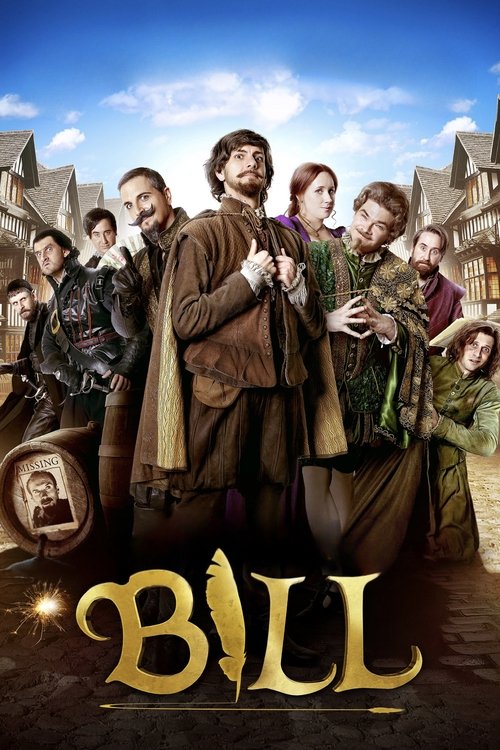
Bill
2015What really happened during Shakespeare's 'Lost Years'? Hopeless lute player Bill Shakespeare leaves his home to follow his dream.
Lewis displays an unexpected, sharp-edged comedic wit by taking on multiple roles with a transformative flair that borders on the kaleidoscopic. This playful departure from his dramatic roots showcases a chameleon-like range and a willingness to embrace the absurd for the sake of the ensemble.

Romeo & Juliet
2013In Verona, bad blood between the Montague and Capulet families leads to much bitterness. Despite the hostility, Romeo Montague manages an invitation to a masked ball at the estate of the Capulets and meets Juliet, their daughter. The two are instantly smitten but dismayed to learn that their families are enemies. Romeo and Juliet figure out a way to pursue their romance, but Romeo is banished for his part in the slaying of Juliet's cousin, Tybalt.
As Lord Capulet, Lewis reinterprets patriarchal authority through a lens of explosive, unpredictable fury that revitalizes the familiar Shakespearean beats. He commandingly navigates the transition from aristocratic poise to domestic tyrant with a theatrical precision that dominates every scene he inhabits.

An Unfinished Life
2005Stoic and heartbroken, Einar Gilkyson quietly lives in the rugged Wyoming ranchlands alongside his only trusted friend, Mitch Bradley. One day, the woman he blames for the death of his only son arrives at his door broke, desperate and with a granddaughter he's never known. But even as buried anger and accusations resurface, the way is opened for unexpected connection, adventure and forgiveness.
Playing against his typical suave persona, Lewis leans into a gritty, antagonistic presence that complicates the film's moral landscape. His ability to project a looming sense of threat without falling into caricature adds a necessary friction to the surrounding sentimental drama.

Dream Horse
2021The inspiring true story of Dream Alliance, an unlikely race horse bred by small town bartender, Jan Vokes. With very little money and no experience, Jan convinces her neighbors to chip in their meager earnings to help raise Dream and compete with the racing elites. Their investment pays off as Dream rises through the ranks and becomes a beacon of hope in their struggling community.
Shedding his usual intensity for a portrait of working-class vulnerability, Lewis provides the grounded emotional counterpoint to this underdog tale's soaring whimsy. He demonstrates a rare, soulful restraint here that highlights his versatility beyond the cerebral roles that often define his career.
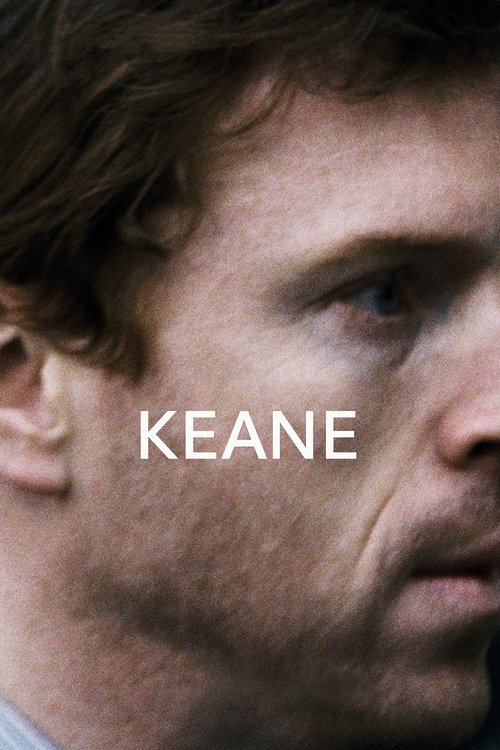
Keane
2004William Keane is barely able to cope. It has been six months since his six-year-old daughter was abducted from New York City’s Port Authority Bus Terminal while traveling with him. Repeatedly drawn to the site of the abduction, Keane wanders the bus station, compulsively replaying the events of that fateful day, as if hoping to change the outcome.
In this harrowing character study, Lewis strips away every layer of artifice to portray a man vibrating with the frantic, jagged energy of psychological disintegration. It remains his most visceral raw-nerve performance, marking the moment he established himself as a heavyweight of the independent cinema scene.
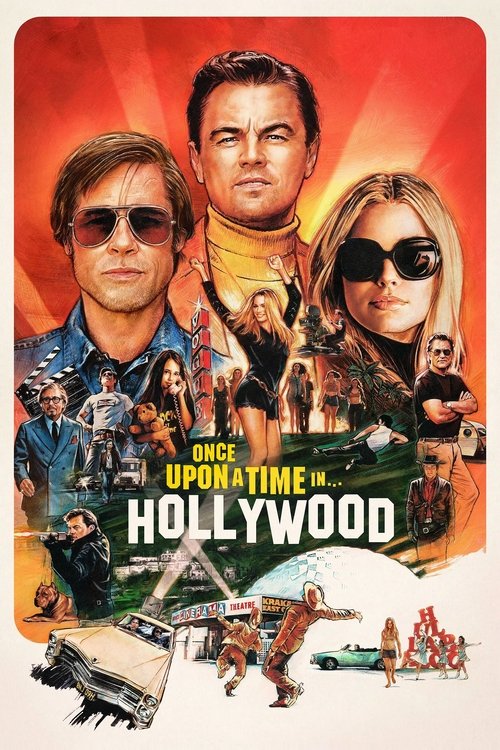
Los Angeles, 1969. TV star Rick Dalton, a struggling actor specializing in westerns, and stuntman Cliff Booth, his best friend, try to survive in a constantly changing movie industry. Dalton is the neighbor of the young and promising actress and model Sharon Tate, who has just married the prestigious Polish director Roman Polanski…
Lewis disappears into the high-tension cool of Steve McQueen, capturing the icon's watchful stillness and predatory charisma in a pitch-perfect cameo. This brief but electric turn proves his ability to command the screen alongside industry titans while anchoring Tarantino's mythic vision of 1969 glamour.
Frequently Asked Questions
Everything you need to know about this list and SnakeDrafts
- Damian Lewis excels in a diverse range of roles, from intense thrillers like "Our Kind of Traitor" to historical dramas such as "The Situation." His performances often blend refined intensity with underlying complexity, showcasing his versatility across genres including drama, comedy, and romance.
- In Quentin Tarantino's "Once Upon a Time... in Hollywood," Damian Lewis brings a layered charm and subtle intensity that complements the film's mix of comedy, drama, and thriller elements. This role highlights his ability to navigate complex narratives while maintaining a compelling screen presence.
- "Keane" (2004) is a standout film that demonstrates Damian Lewis’s skill in portraying psychologically intense and mysterious characters. His nuanced performance captures the emotional depth and uncertainty of the story, making it a critical highlight in his career.
- In "Dream Horse" (2021), Damian Lewis takes on a more lighthearted and inspiring role within a comedy-drama framework, a contrast to his often darker and more intense characters. This film showcases his capacity for warmth and charm while still delivering a strong, heartfelt performance.
- Damian Lewis brings authenticity and gravitas to historical dramas like "The Situation" and "Warriors," effectively immersing audiences in past eras. His nuanced portrayals help illuminate complex historical contexts, balancing emotional depth with period accuracy to enhance storytelling.
- Thrillers featuring Damian Lewis, such as "The Escapist" and "Our Kind of Traitor," often explore themes of tension, moral ambiguity, and intense personal stakes. His performances bring a brooding intensity and psychological complexity, elevating the suspense and emotional impact of these films.
- Damian Lewis showcases his comedic skills in films like "The Baker" and "Bill," where he balances humor with charm and subtle wit. These roles demonstrate his versatility and timing, adding depth to his portfolio across both lighthearted and dramatic genres.
- His old-world theater training is evident in the controlled yet expressive manner he employs in films such as "Romeo & Juliet" and "An Unfinished Life." This background lends a classical poise and intensity to his characters, enhancing the emotional and dramatic weight of his performances.