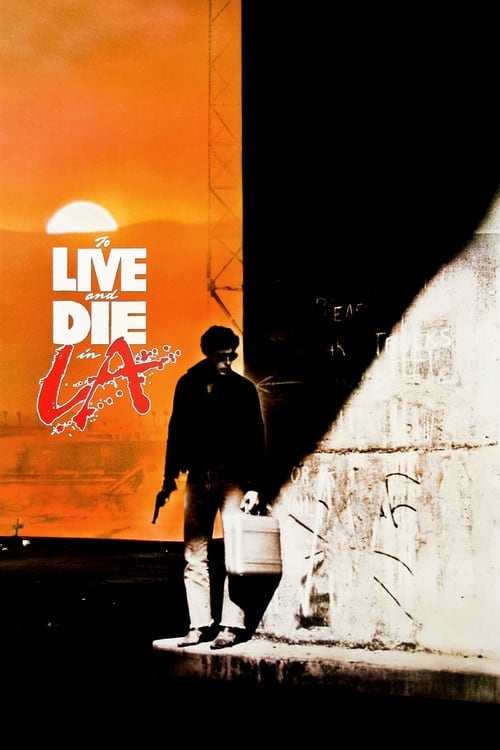
To Live and Die in L.A.
William Friedkin's "To Live and Die in L.A." is a high-octane, neon-soaked thrill ride through the criminal underworld of 1980s Los Angeles. This gritty crime thriller plunges viewers into a relentless pursuit of vengeance, where moral lines blur and the stakes are lethally high.
Director
William Friedkin
Release Year
1985
Runtime
116 minutes
Main Cast
William Petersen, Willem Dafoe, John Pankow, Debra Feuer, John Turturro
About To Live and Die in L.A.
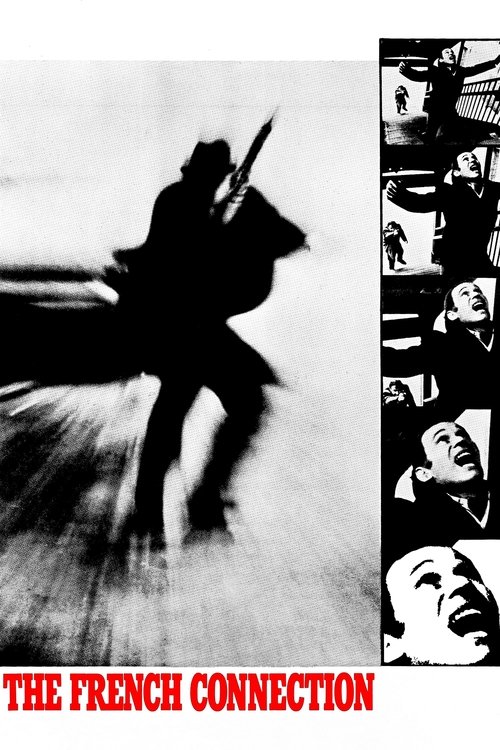
William Friedkin, the visionary director behind "The French Connection" and "The Exorcist," once again delivers a visceral and unflinching look at the dark side of law enforcement in "To Live and Die in L.A." Released in 1985, the film stands as a quintessential 80s action-thriller, celebrated for its raw energy, audacious car chases, and a nihilistic tone that challenged traditional hero narratives. Its distinct visual style, characterized by harsh lighting and dynamic cinematography, perfectly captures the glamorous yet dangerous facade of Los Angeles.
The premise follows Secret Service agent Richard Chance, a man driven by a profound need for retribution after his partner is brutally murdered. His relentless hunt for the sophisticated counterfeiter Eric Masters leads him down a treacherous path, forcing him to confront his own ethics and the corrupting influence of power. The film masterfully builds tension, showcasing a cat-and-mouse game where both hunter and hunted operate in morally ambiguous territories, making it difficult for the audience to discern true heroes from villains.
Upon its release, "To Live and Die in L.A." garnered critical acclaim for its relentless pacing, Friedkin's audacious direction, and the compelling performances of its cast, particularly William Petersen as the volatile Chance and Willem Dafoe as the chillingly charismatic Masters. While it didn't achieve the same box office heights as some of Friedkin's earlier works, it quickly gained a cult following and is now recognized as a landmark in the crime thriller genre. Its influence can be seen in subsequent films that explore similar themes of urban decay, moral ambiguity, and the psychological toll of police work.
The film's legacy endures through its iconic car chase sequence, often cited as one of the best in cinematic history, and its unapologetic portrayal of anti-heroes. "To Live and Die in L.A." remains a powerful and unsettling examination of obsession, justice, and the thin line separating law from lawlessness in a city where dreams and nightmares often intertwine. Its unflinching realism and stylistic bravado continue to resonate with audiences and filmmakers alike, cementing its place as a classic.
Drafts Featuring To Live and Die in L.A.
Every SnakeDrafts listicle where this movie appears
The Best John Turturro Movies Ranked
Ranked #10
Best Action Movies of 1985, Ranked
Ranked #21
1985's Best Movies Ranked
Ranked #30
Best Crime Movies of 1985, Ranked
Ranked #1
The Greatest Crime Movies Ranked
Ranked #52
Best Thriller Movies of 1985
Ranked #3
Top 1980s Thriller Movies Ranked
Ranked #11
The Best 1980s Crime Movies Ranked
Ranked #6
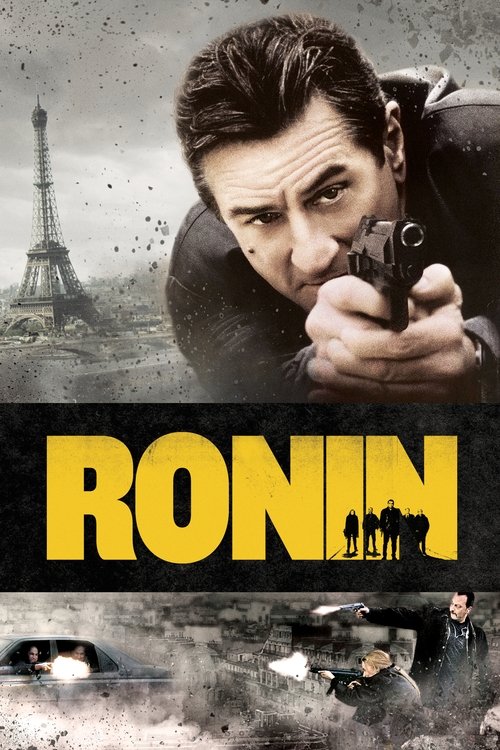
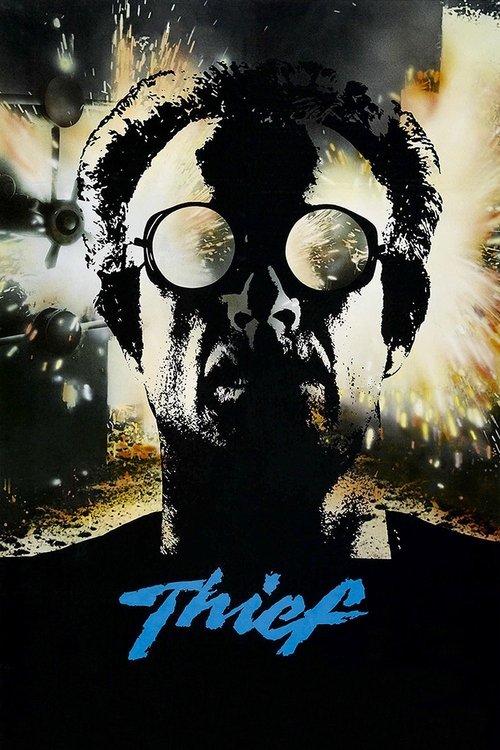
Similar Movies
Movies related to To Live and Die in L.A.
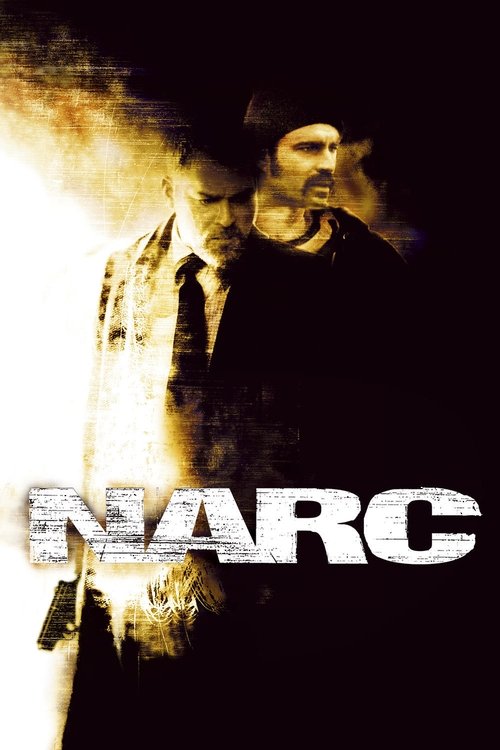
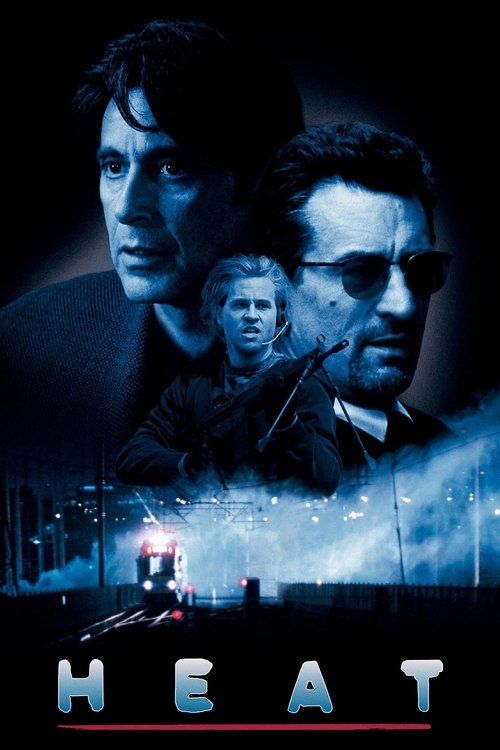
Frequently Asked Questions
Everything you need to know about To Live and Die in L.A.
- Eric Masters is the primary antagonist in the film. He is a highly skilled and dangerous counterfeit artist whose activities spark the central conflict and the hunt by the Secret Service agent Richard Chance.
- Richard Chance starts as a reckless and impulsive Secret Service agent driven by a thirst for revenge. His character evolves as he faces moral and ethical challenges, blurring the lines between justice and personal vendetta.
- The action sequences in To Live and Die in L.A. are known for their realism and intensity. Director William Friedkin uses practical effects and on-location shooting to create immersive and gritty scenes that heighten the film's suspense.
- Los Angeles is depicted as a sprawling, vibrant, and sometimes unforgiving urban landscape. The city's diverse environments provide a stark backdrop that complements the film's themes of crime and corruption.
- The film explores themes such as loyalty, revenge, the blurred lines between right and wrong, and the personal costs of pursuing justice. It also delves into the underworld of crime and the psychological toll on those involved in law enforcement.
- William Friedkin’s direction is notable for its raw and unflinching style. He brings a gritty realism to the story, combining intense action with deep character studies that elevate the film beyond a typical crime thriller.
- The partnership is central to Richard Chance's motivations. The death of his partner triggers Chance's vendetta and drives much of the narrative tension, highlighting themes of loyalty and loss.

