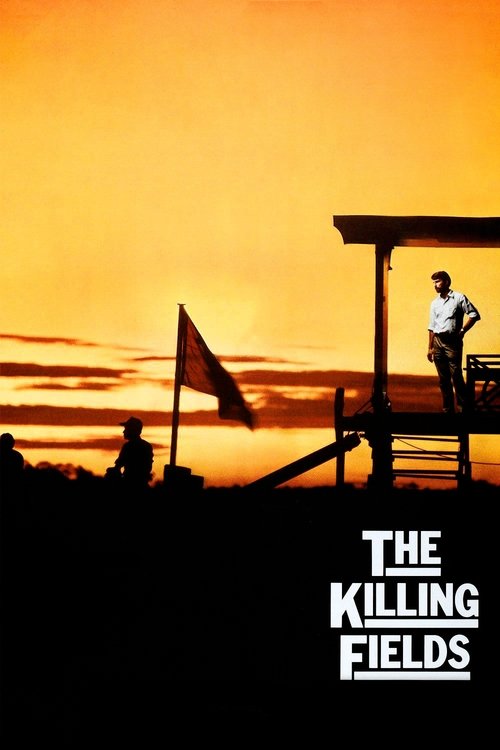
The Killing Fields
The Killing Fields is a searing historical drama that plunges viewers into the heart of the Cambodian Civil War, offering an unforgettable and deeply human perspective on a nation’s tragic descent into chaos. This powerful film explores the enduring bonds of friendship and the brutal realities of survival amidst political upheaval, cementing its place as a pivotal work in cinematic history.
Director
Roland Joffé
Release Year
1984
Runtime
142 minutes
Genres
Drama, History, War
Main Cast
Sam Waterston, Haing S. Ngor, John Malkovich, Julian Sands, Craig T. Nelson
About The Killing Fields
Roland Joffé's 1984 masterpiece, The Killing Fields, remains a poignant and harrowing cinematic experience, unflinchingly depicting the Cambodian Civil War and the horrors perpetrated by the Khmer Rouge regime. Its cultural impact was immediate and profound, bringing global attention to a devastating period often overlooked in Western media. The film’s narrative, based on real-life events, solidified its place as a crucial document of modern history, raising awareness and fostering discussions about human rights, journalistic integrity, and the cost of conflict.
The film masterfully weaves the true story of New York Times correspondent Sydney Schanberg and his Cambodian interpreter Dith Pran. While covering the escalating civil war, Schanberg and Pran forge an unbreakable bond. When the U.S. withdraws, Pran courageously chooses to remain in Cambodia, a decision that plunges him into a nightmarish struggle for survival under the brutal Khmer Rouge. The narrative focuses on Pran's harrowing experiences in forced labor camps and Schanberg's relentless efforts to find his friend, showcasing the extreme resilience of the human spirit against unimaginable odds.
Critically acclaimed upon its release, The Killing Fields garnered widespread praise for its powerful performances, particularly Haing S. Ngor's indelible portrayal of Dith Pran, which earned him an Academy Award for Best Supporting Actor. The film also received numerous other accolades, including three Academy Awards and eight BAFTA Awards, cementing its status as a critical darling. Critics lauded its unflinching realism, emotional depth, and moral urgency. The film's raw depiction of war crimes and its exploration of the ethical dilemmas faced by journalists in conflict zones resonated deeply with audiences and critics alike.
The legacy of The Killing Fields extends far beyond its awards and critical acclaim. It stands as a testament to the power of cinema to bear witness to history and to honor the victims and survivors of atrocities. The film continues to be studied and discussed for its historical significance, its ethical complexities, and its artistic merit. Its impact on subsequent war dramas is undeniable, and its enduring message about the importance of truth, friendship, and humanitarianism remains as relevant today as it was nearly four decades ago.
Drafts Featuring The Killing Fields
Every SnakeDrafts listicle where this movie appears
Similar Movies
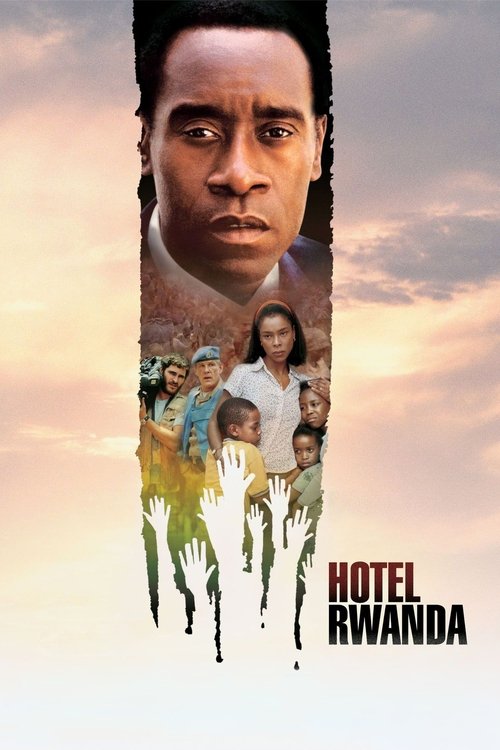
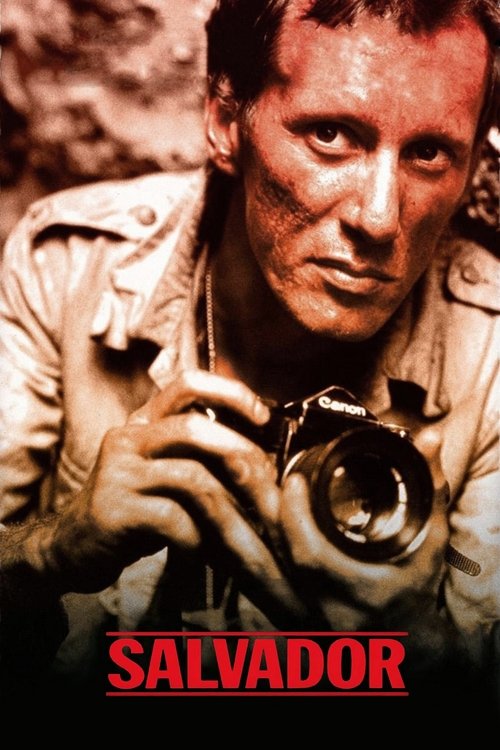
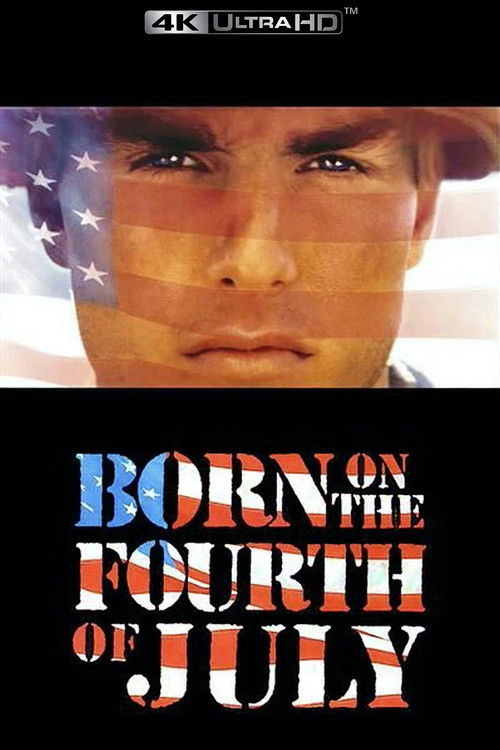
Movies related to The Killing Fields
Frequently Asked Questions
Everything you need to know about The Killing Fields
- Dith Pran survived the brutal Khmer Rouge regime through incredible resilience, resourcefulness, and sheer determination. He endured forced labor, starvation, and constant fear, often disguising his educated background to avoid execution. His will to live and his eventual escape are central to the film's powerful narrative.
- The title 'The Killing Fields' refers to the sites in Cambodia where large numbers of people were killed and buried by the Khmer Rouge regime during their brutal rule in the late 1970s. These fields symbolize the horrific genocide and mass atrocities that occurred, making the title a stark and haunting representation of the film's subject matter.
- Sydney Schanberg faced profound ethical dilemmas regarding his responsibility to Dith Pran amidst the escalating conflict. He struggled with guilt over leaving Pran behind and dedicated years to locating and rescuing his friend, highlighting the complex moral obligations of journalists in dangerous war zones and the deep personal toll such events can take.
- The Killing Fields is largely considered a historically accurate portrayal of the Cambodian Civil War and the subsequent atrocities committed by the Khmer Rouge. While dramatic liberties are taken for narrative purposes, the film captures the essence of the historical period and Dith Pran's real-life experiences, benefiting from his direct involvement in the production.
- The ending of The Killing Fields, with the emotional reunion of Pran and Schanberg, conveys a powerful message of hope, forgiveness, and the enduring strength of the human spirit. It emphasizes the profound bond between the two men and the importance of remembering and bearing witness to past atrocities, even amidst personal triumph over immense suffering.

