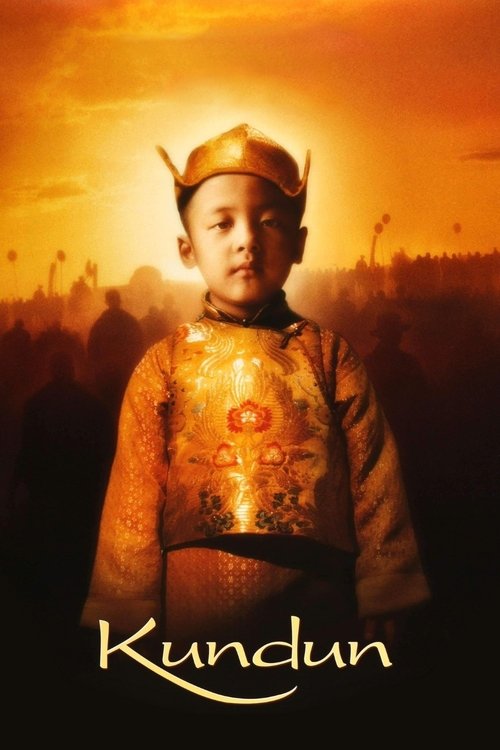
Kundun
Kundun immerses viewers in the opulent yet poignant chronicle of Tibet'sXIV Dalai Lama, Tenzin Gyatso. This visually stunning biopic navigates his early life, spiritual training, and the harrowing political turmoil that forced him into exile, offering a profound glimpse into a pivotal figure of the 20th century.
Director
Release Year
1997
Runtime
134 minutes
Genres
Drama, History
Main Cast
Tenzin Thuthob Tsarong, Tencho Gyalpo, Tsewang Migyur Khangsar, Gyurme Tethong, Robert Lin
About Kundun
Martin Scorsese, acclaimed for his gritty urban narratives, unexpectedly ventured into the serene yet tumultuous world of Tibetan Buddhism with "Kundun." This 1997 biographical drama stands as a unique entry in his diverse filmography, showcasing a remarkable stylistic departure while retaining his signature cinematic mastery. The film was largely shot in Morocco and meticulously recreated the intricate details of Tibetan culture and architecture, transporting audiences to a world rarely seen on screen.
"Kundun" meticulously chronicles the life of Tenzin Gyatso, the 14th Dalai Lama, from his discovery as a young child in a remote village to his eventual exile from Tibet in 1959. The narrative unfolds through a series of evocative vignettes, depicting his spiritual education, the growing threat of Chinese occupation, and his struggle to preserve his country's sovereignty and cultural heritage. The film deliberately avoids traditional Western dramatic structures, opting instead for a more contemplative and episodic approach that mirrors the meditative aspects of its subject.
Upon its release, "Kundun" garnered critical acclaim for its breathtaking cinematography, ethereal score by Philip Glass, and authentic portrayal of Tibetan life. While not a commercial blockbuster, its artistic merits were widely recognized, earning four Academy Award nominations for Best Art Direction, Best Cinematography, Best Costume Design, and Best Original Score. The film's political themes, particularly its depiction of the Chinese invasion of Tibet, sparked controversy and led to repercussions for Scorsese and Disney (the film's distributor) in China.
"Kundun" leaves a lasting legacy as a powerful cinematic testament to spiritual resilience and the universal struggle for freedom. It continues to be celebrated for its artistic courage and its profound humanistic message, offering a window into a significant historical and cultural narrative often overlooked in mainstream cinema. The film remains a vital piece for understanding the impact of colonialism and the enduring spirit of a displaced people.
Drafts Featuring Kundun
Every SnakeDrafts listicle where this movie appears
Similar Movies
Movies related to Kundun
Frequently Asked Questions
Everything you need to know about Kundun
- The opening scene with the oracle is crucial as it establishes the divine intervention and spiritual guidance that permeates the Dalai Lama's life. It immediately sets a mystical tone, indicating that his journey is not merely political but also deeply rooted in ancient traditions and prophecy.
- The film subtly depicts the Dalai Lama's internal conflict through his expressions and quiet contemplation as he grapples with his sacred duties and the increasing political pressures. He is shown to be a thoughtful and compassionate leader, burdened by the immense responsibility of his people's fate while maintaining his spiritual composure.
- The repeated imagery of mandalas and sand art symbolizes the transient nature of existence and the beauty of impermanence, a core teaching in Tibetan Buddhism. Their meticulous creation and eventual destruction highlight the cyclical nature of life, death, and spiritual rebirth, resonating with the political upheavals experienced by Tibet.
- The film conveys the brutality of the Chinese invasion through implied threats, the increasing tension in the narrative, and the visual impact of destroyed monasteries and displaced people. Scorsese masterfully uses atmosphere, sound design, and the emotional toll on the characters to represent the devastation, making the violence felt rather than explicitly shown.
- The ending, with the Dalai Lama going into exile, carries a powerful message of hope and resilience in the face of immense loss. It signifies the continuation of his spiritual leadership and the preservation of Tibetan culture, even when separated from their homeland, emphasizing that true freedom resides within the spirit.

