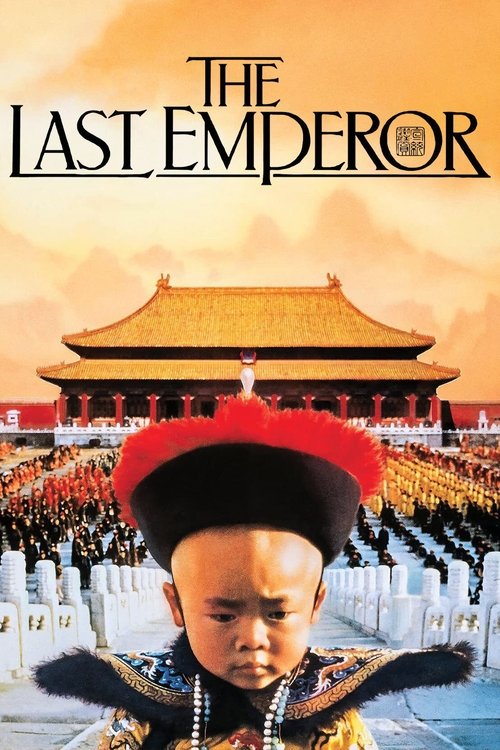
The Last Emperor
The Last Emperor is a visually stunning biographical epic that chronicles the extraordinary life of Puyi, China's last emperor, from his secluded childhood to his eventual re-education as a common citizen. Bernardo Bertolucci's masterpiece offers a captivating journey through a pivotal period of Chinese history, earning critical acclaim and numerous accolades.
Director
Bernardo Bertolucci
Release Year
1987
Runtime
163 minutes
Genres
Drama, History
Main Cast
John Lone, Joan Chen, Peter O'Toole, Ruocheng Ying, Victor Wong
About The Last Emperor
Bernardo Bertolucci's 1987 epic, "The Last Emperor," stands as a cinematic triumph, offering a breathtaking glimpse into the dramatic life of Puyi, the final emperor of China. The film meticulously details his ascent to the Dragon Throne at a tender age, his isolated existence within the Forbidden City, and the gradual erosion of his power amidst the tumultuous political landscape of early 20th-century China. Its stunning cinematography and lavish production design transport viewers directly into the heart of a bygone era, making it a cultural touchstone.
The film masterfully navigates Puyi's personal journey against the backdrop of immense historical upheaval. From his pampered early years to his attempts at reform, his collaboration with the Japanese, and finally his re-education as a regular citizen of the People's Republic, the narrative is an intimate study of a man caught between tradition and modernity. Lone's portrayal of Puyi is both nuanced and compelling, capturing the emperor's evolving understanding of his role and his own identity.
"The Last Emperor" was met with widespread critical acclaim, lauded for its historical accuracy, visual grandeur, and powerful storytelling. It swept the 60th Academy Awards, taking home all nine Oscars for which it was nominated, including Best Picture and Best Director. This unprecedented success cemented its place in cinematic history, highlighting its profound impact on audiences and critics alike.
Beyond its critical reception, the film left an indelible mark on global cinema, offering a rare look into a transformative period of Chinese history for Western audiences. Its legacy endures through its evocative portrayal of an empire's decline and an individual's struggle for identity within monumental change. It remains a testament to Bertolucci's directorial vision and the enduring power of historical drama.
Drafts Featuring The Last Emperor
Every SnakeDrafts listicle where this movie appears
Similar Movies
Movies related to The Last Emperor
Crouching Tiger, Hidden Dragon
2000
Lawrence of Arabia
1962
Barry Lyndon
1975

Doctor Zhivago
1965
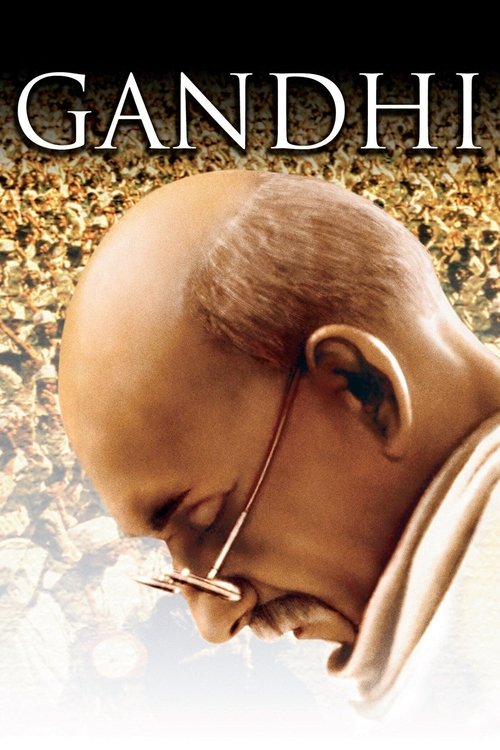
Gandhi
1982
Frequently Asked Questions
Everything you need to know about The Last Emperor
- The scene with the crickets symbolizes Puyi's confinement and his deep-seated yearning for freedom. The cricket in the jar represents his own trapped existence within the Forbidden City, while his emotional connection to the insect highlights his isolation and longing for companionship beyond the rigid imperial protocols.
- Reginald Johnston, Puyi's Scottish tutor, introduces him to Western ideas and knowledge, greatly influencing his worldview. Their relationship is complex, characterized by genuine affection and intellectual curiosity, yet also by Johnston's attempts to navigate the delicate balance between his mentorship and the strictures of the imperial court.
- The motif of glasses often symbolizes Puyi's changing perspective and his attempts to see the world more clearly, both literally and figuratively. Initially, they are forbidden, representing his shielded existence, but as he gains agency and exposure to the outside world, they become a tool for understanding and adapting to new realities.
- The film artfully portrays the colossal shifts in Chinese power structures through Puyi's personal story. It shows the decline of the Qing Dynasty, the rise of the Republic, the Japanese occupation, and finally the establishment of the People's Republic, all experienced through the eyes of the emperor who witnessed all of it.
- The Forbidden City serves as a powerful symbol of Puyi's early life and the fading glory of imperial China. Initially a gilded cage, it represents his absolute power and profound isolation. Its eventual abandonment and his later return as a tourist underscore the dramatic and irreversible changes that swept through his life and the nation.

