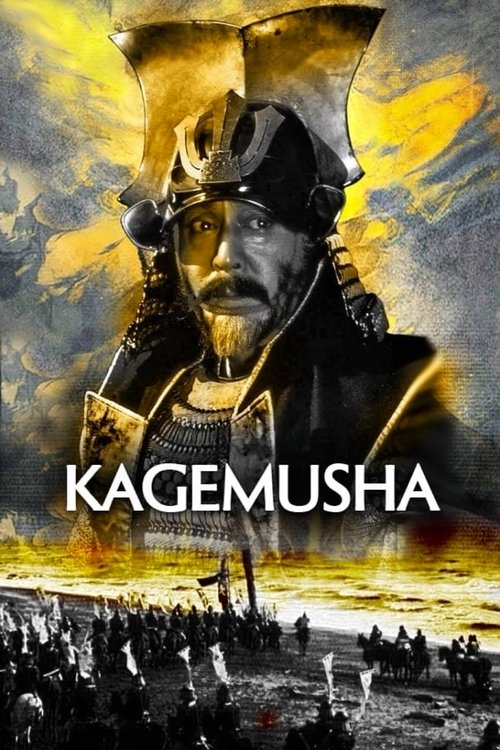
Kagemusha
Kagemusha, a masterful historical epic from Akira Kurosawa, plunges viewers into the tumultuous world of feudal Japan where a common thief is thrust into the impossible role of a powerful warlord. This visually stunning film explores themes of identity, leadership, and the devastating cost of war, making it a timeless cinematic achievement. Prepare for a breathtaking journey through samurai legend and political intrigue.
Director
Release Year
1980
Runtime
180 minutes
Main Cast
Tatsuya Nakadai, Tsutomu Yamazaki, Kenichi Hagiwara, Jinpachi Nezu, Hideji Ōtaki
About Kagemusha
Akira Kurosawa's 1980 masterpiece, Kagemusha, meaning "Shadow Warrior," is a profound exploration of identity and the illusion of power during Japan's Warring States period. The film masterfully depicts the story of a petty thief chosen to impersonate the formidable warlord Shingen Takeda after his death. This premise allows Kurosawa to delve into the psychological burden of wearing another man's face and the inherent fragility of authority, especially when built on deception. It's a visually sumptuous film, renowned for its meticulous period detail, breathtaking battle sequences, and the unforgettable use of vibrant color.
Critically acclaimed upon its release, Kagemusha garnered significant international recognition, including the Palme d'Or at the Cannes Film Festival. Critics praised Kurosawa's return to the samurai epic, highlighting his meticulous direction, the compelling performances, and the film's profound philosophical undertones. The film's grand scale, combined with its intimate character study of a man grappling with a borrowed identity, solidified its place as a pivotal work in Kurosawa's filmography and a benchmark for historical cinema.
The film's cultural impact extends beyond its accolades, influencing countless filmmakers and artists with its unparalleled visual storytelling and thematic depth. Kagemusha doesn't merely present a historical narrative; it scrutinizes the very nature of leadership, the theatricality of power, and the transient nature of human existence against the backdrop of relentless conflict. Its legacy lies in its ability to transcend its genre, offering universal insights into the human condition.
At its core, Kagemusha explores the human cost of war and the personal sacrifice demanded by duty. The narrative threads together elements of high drama, compelling character development, and a poignant commentary on the fleeting nature of glory. It invites audiences to consider the true meaning of legacy and how even shadows can cast long, enduring reflections on history.
Drafts Featuring Kagemusha
Every SnakeDrafts listicle where this movie appears
Similar Movies
Movies related to Kagemusha
Frequently Asked Questions
Everything you need to know about Kagemusha
- The horses in Kagemusha are highly symbolic, representing the power and prestige of the Takeda clan. Their ultimate scattering and death after Shingen's actual passing underscore the collapse of the clan's might and the tragic end of their era.
- Initially, the thief is a reluctant imposter, acting solely out of fear. As he inhabits the role of Shingen, he slowly begins to internalize aspects of the warlord's persona, developing a sense of responsibility and even dignity, blurring the lines between his true self and the shadow he casts.
- The dream sequences in Kagemusha offer crucial insights into the thief's inner turmoil and the spiritual presence of Shingen. They represent the psychological weight of his deception and serve as a visual manifestation of his struggle to reconcile with the new identity he has assumed.
- The 'shadow' in Kagemusha refers not only to the double, the kagemusha, but also to the ephemeral nature of power and identity. It suggests that even mighty warlords are ultimately shadows, and their influence, though vast, can vanish like smoke.
- Kurosawa's masterful use of color in Kagemusha is highly symbolic. Vibrant hues often represent the Takeda clan's strength and vitality, while more muted tones can signify decline or the thief's own internal struggles, adding a powerful visual layer to the narrative.

