Akira Kurosawa's Top Films Ranked
The Definitive Filmography of a Master of Cinema
Discover the essential cinematic masterpieces of Akira Kurosawa, from samurai epics to profound human dramas that shaped global filmmaking.
About Akira Kurosawa
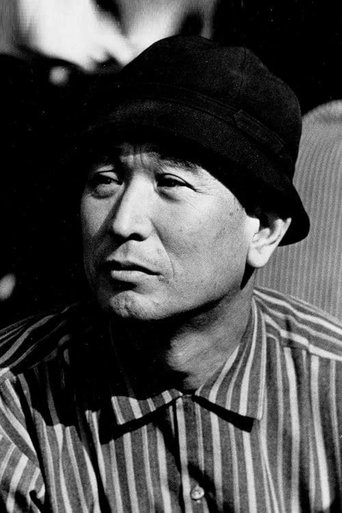
Long before the blockbuster era redefined global cinema, Akira Kurosawa was already building entire worlds through a lens. To watch one of his films is to witness a master painter who traded canvases for celluloid, a man who famously painted his own storyboards with a vividness that most directors fail to achieve on screen. He possessed an uncanny ability to merge the monumental with the intimate. Whether he was capturing a rain-drenched battle in Seven Samurai or the quiet, devastating dignity of a dying bureaucrat in Ikiru, his focus remained fixed on the volatile intersection of human frailty and personal honor.
His visual language was defined by a restless, kinetic energy. Kurosawa used the elements as supporting characters, turning wind, fog, and downpours into psychological tools. In Throne of Blood, the mist stands as a physical manifestation of moral confusion, while the scorching heat in the noir masterpiece Stray Dog serves to heighten the desperation of a city in postwar flux. He was a tyrant for perfection, reportedly demanding the direction of the wind be altered or that an entire castle be burnt to the ground to satisfy his uncompromising eye. This obsession with authenticity gave films like Ran an almost overwhelming scale, where the chaotic swirl of primary colors and charging horses creates a tapestry of Shakespearean proportions.
At the heart of his work was a fascination with perspective and the inherent subjectivity of truth. With Rashomon, he dismantled the very idea of a reliable narrative, forcing audiences to grapple with the realization that reality is often just a collection of self-serving mirrors. This intellectual curiosity extended into his crime thrillers as well. High and Low is a structural marvel, splitting its tension between a claustrophobic moral dilemma and a procedural hunt through the underbelly of Yokohama. These films were never just about the plot; they were deep dives into why people choose to be good in a world that often rewards the opposite.
Communication between the director and his frequent muse, Toshiro Mifune, resulted in some of the most iconic performances in history. In Yojimbo and its sequel Sanjuro, they reinvented the lone warrior archetype, blending cool stoicism with a biting, cynical wit that would eventually migrate west to inform the spirit of the spaghetti western. Yet Kurosawa could be just as effective when he slowed down. The humanist warmth of Red Beard or the tranquil, episodic beauty of Dreams showed a man who was as comfortable with the philosophical as he was with the visceral.
Even in his later years, such as with the sweeping Kagemusha or the Soviet-produced Dersu Uzala, his mastery of the frame never faltered. He remained a bridge between the traditional arts of Japan and the evolving grammar of modern filmmaking. His legacy isn’t just found in the awards or the countless homages from Hollywood’s elite, but in the way his films continue to breathe. To sit through The Bad Sleep Well or Drunken Angel is to see a director who understood that cinema is the art of movement, and that every flicker of shadow on a character's face tells a story as grand as any empire. Kurosawa didn't just record life; he composed it with an intensity that remains unmatched.
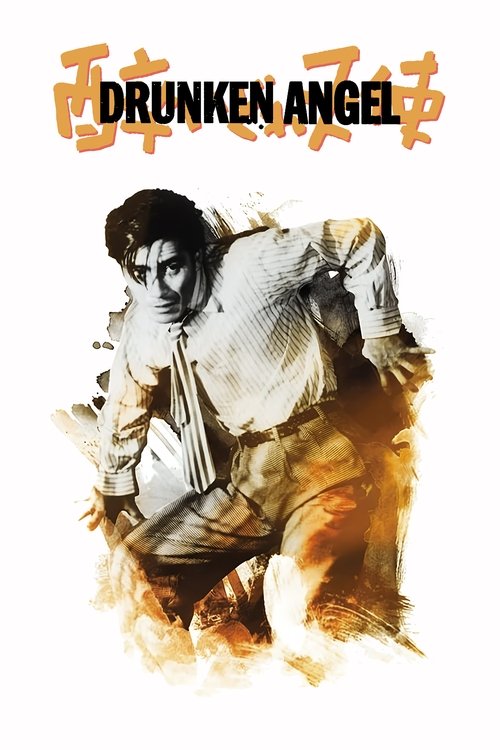
Drunken Angel
1948In postwar Tokyo, a blunt, alcohol-soaked doctor diagnoses a swaggering young yakuza with tuberculosis, forging an uneasy bond that’s tested when the gangster’s ruthless former boss returns and drags him back toward the swampy underworld he can’t escape.
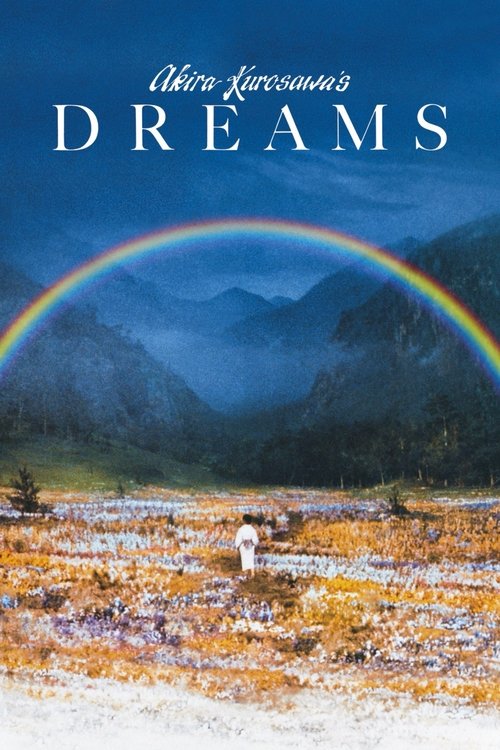
Dreams
1990Eight visually rich vignettes drawn from Kurosawa’s own dreams—fox weddings and vanished orchards, a soldier’s ghosts, a walk through Van Gogh’s canvases, nuclear nightmares, and a water-mill utopia—meditate on childhood, art, mortality, and humanity’s uneasy bond with nature.

The Bad Sleep Well
1960In this loose adaptation of "Hamlet," illegitimate son Kôichi Nishi climbs to a high position within a Japanese corporation and marries the crippled daughter of company vice president Iwabuchi. At the reception, the wedding cake is a replica of their corporate headquarters, but an aspect of the design reminds the party of the hushed-up death of Nishi's father. It is then that Nishi unleashes his plan to avenge his father's death.
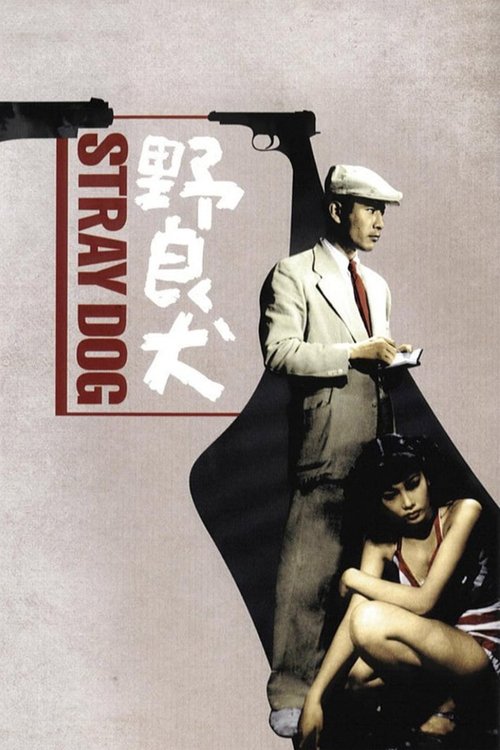
Stray Dog
1949A bad day gets worse for young detective Murakami when a pickpocket steals his gun on a hot, crowded bus. Desperate to right the wrong, he goes undercover, scavenging Tokyo’s sweltering streets for the stray dog whose desperation has led him to a life of crime. With each step, cop and criminal’s lives become more intertwined and the investigation becomes an examination of Murakami’s own dark side.
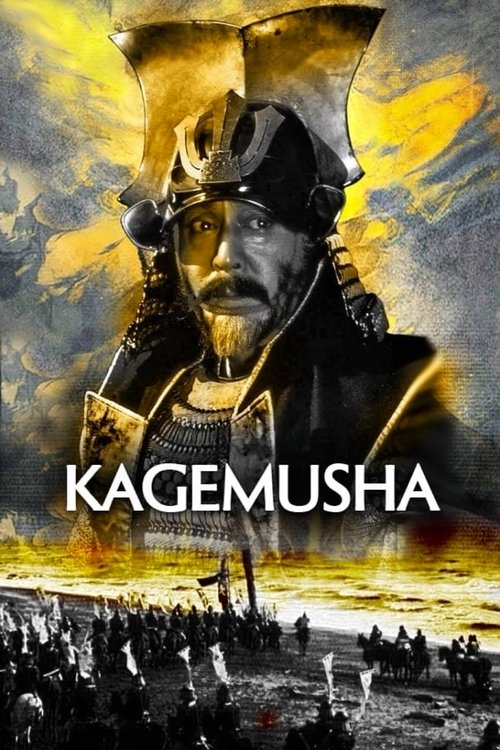
Kagemusha
1980Akira Kurosawa's lauded feudal epic presents the tale of a petty thief who is recruited to impersonate Shingen, an aging warlord, in order to avoid attacks by competing clans. When Shingen dies, his generals reluctantly agree to have the impostor take over as the powerful ruler. He soon begins to appreciate life as Shingen, but his commitment to the role is tested when he must lead his troops into battle against the forces of a rival warlord.
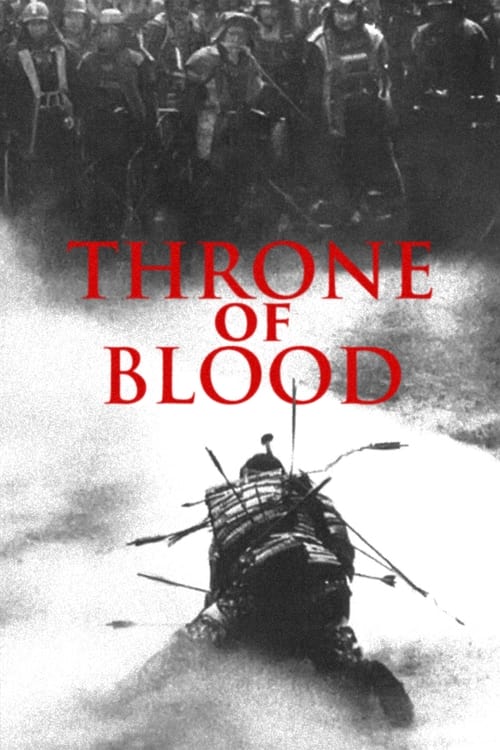
Throne of Blood
1957Returning to their lord's castle, samurai warriors Washizu and Miki are waylaid by a spirit who predicts their futures. When the first part of the spirit's prophecy comes true, Washizu's scheming wife, Asaji, presses him to speed up the rest of the spirit's prophecy by murdering his lord and usurping his place. Director Akira Kurosawa's resetting of William Shakespeare's "Macbeth" in feudal Japan is one of his most acclaimed films.
Synthesizing the stark abstractions of Noh theater with the visceral atmospheric dread of a ghost story, this adaptation creates a definitive visual shorthand for psychological descent. The director’s reliance on fog, wind, and rigid formal staging traps his protagonist in a fateful, expressionistic cage of his own making.
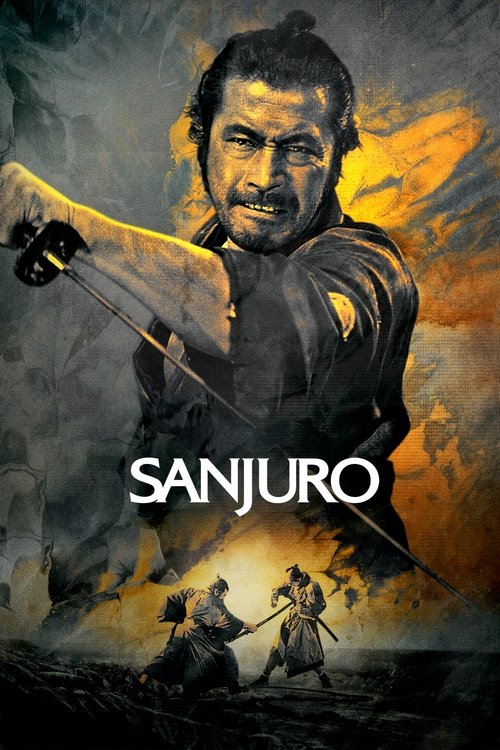
Sanjuro
1962Toshiro Mifune swaggers and snarls to brilliant comic effect in Kurosawa's tightly paced, beautifully composed "Sanjuro." In this companion piece and sequel to "Yojimbo," jaded samurai Sanjuro helps an idealistic group of young warriors weed out their clan's evil influences, and in the process turns their image of a proper samurai on its ear.
While functioning as a lighter companion to his gritty predecessor, this film showcases a more subversive and sophisticated approach to period action. Kurosawa utilizes satirical wit and explosive, sudden bursts of violence to deconstruct the romanticized myths of bushido and youthful idealism.
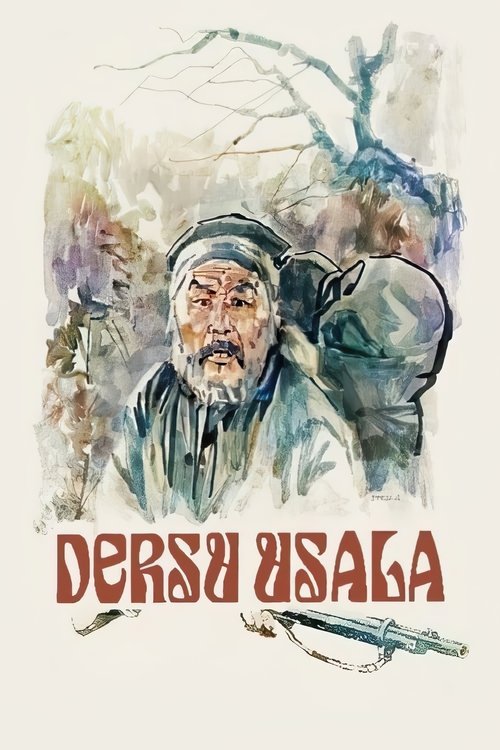
Dersu Uzala
1975A military explorer meets and befriends a Goldi man in Russia’s unmapped forests. A deep and abiding bond evolves between the two men, one civilized in the usual sense, the other at home in the glacial Siberian woods.
Filmed in the vast Siberian wilderness, this 70mm production showcases Kurosawa’s ability to find profound intimacy within an overwhelming natural landscape. It is a haunting, ecological eulogy that pivots away from his traditional stylistic flourishes toward a soulful, observational stillness.
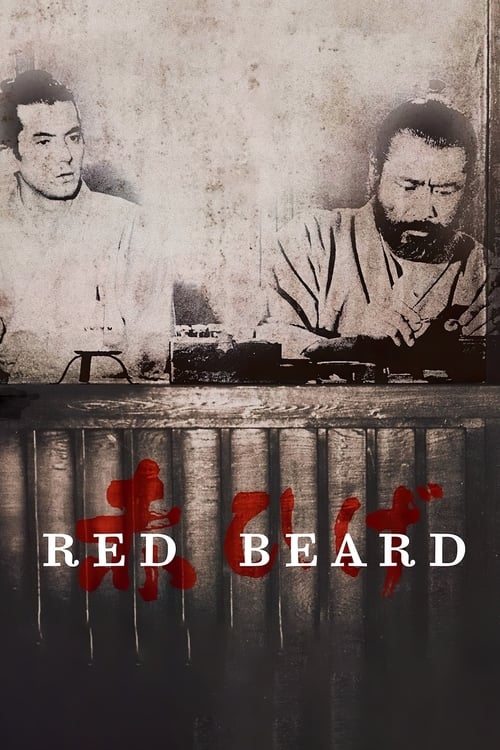
Red Beard
1965Aspiring to an easy job as personal physician to a wealthy family, Noboru Yasumoto is disappointed when his first post after medical school takes him to a small country clinic under the gruff doctor Red Beard. Yasumoto rebels in numerous ways, but Red Beard proves a wise and patient teacher. He gradually introduces his student to the unglamorous side of the profession, ultimately assigning him to care for a prostitute rescued from a local brothel.
This demanding, three-hour epic marks the pinnacle of the director’s humanism, emphasizing the grueling physical and moral labor of healing. Its meticulously constructed sets and deep-focus photography reflect a rigorous commitment to medical realism and the spiritual evolution of the mentor-student relationship.
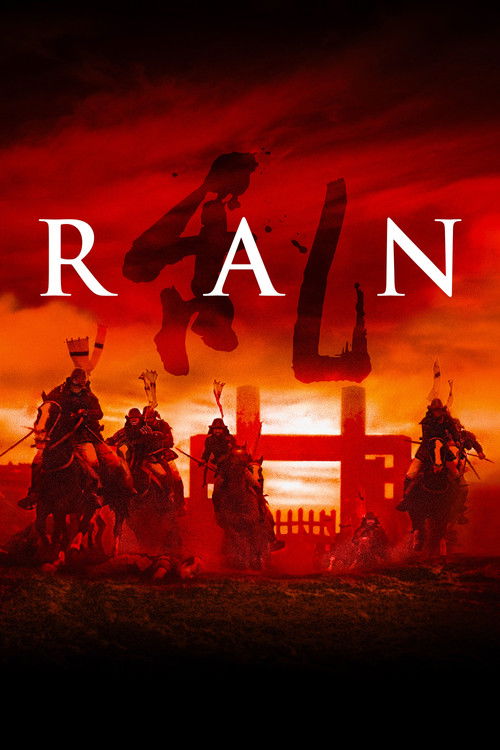
Ran
1985Shakespeare's King Lear is reimagined as a singular historical epic set in sixteenth-century Japan where an aging warlord divides his kingdom between his three sons.
A sensory overload of color and chaos, this late-period masterpiece translates Shakespearean tragedy into a terrifyingly beautiful vision of nihilistic cycle. Kurosawa’s use of massive geometric troop movements and a saturated palette creates a formalist nightmare that stands as his most visually ambitious farewell to the world of warriors.
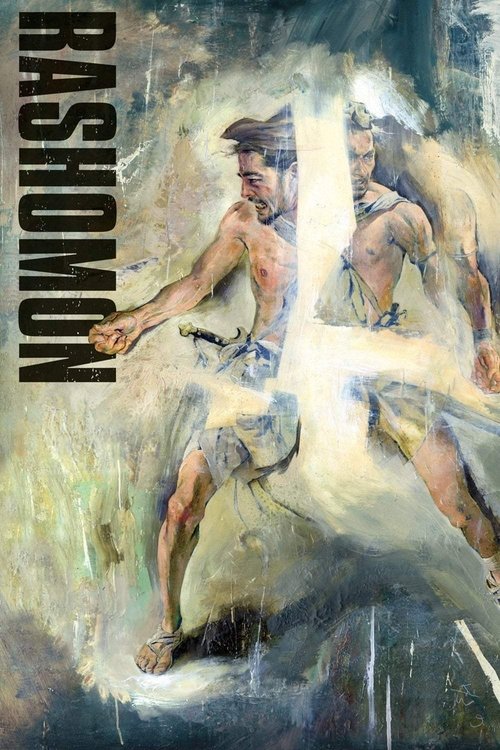
Rashomon
1950Four people recount different versions of the story of a man's murder and the rape of his wife.
The film that introduced Japanese cinema to the global stage remains a radical interrogation of subjective truth and the fallibility of memory. Through dappled sunlight and frantic tracking shots, Kurosawa dismantles the concept of an objective narrator, forever altering the structural possibilities of cinematic language.
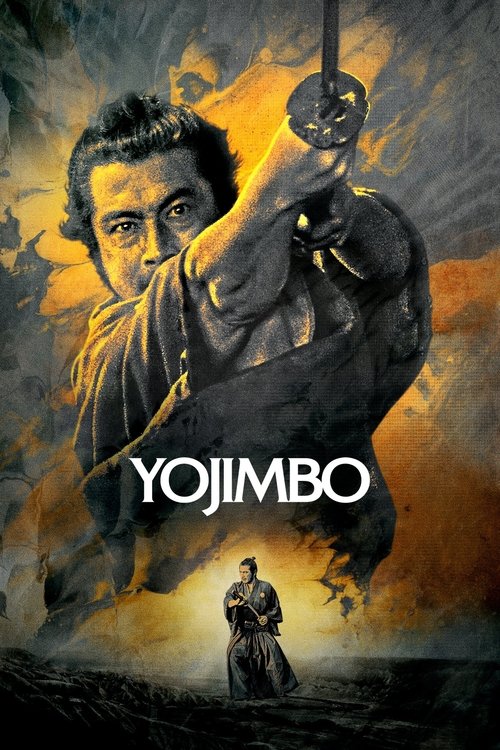
Yojimbo
1961A nameless ronin, or samurai with no master, enters a small village in feudal Japan where two rival businessmen are struggling for control of the local gambling trade. Taking the name Sanjuro Kuwabatake, the ronin convinces both silk merchant Tazaemon and sake merchant Tokuemon to hire him as a personal bodyguard, then artfully sets in motion a full-scale gang war between the two ambitious and unscrupulous men.
Injecting the jidaigeki genre with a cynical, darkly comedic edge, Kurosawa reimagines the lone hero as a tactical mastermind navigating a chess match of corruption. The film’s rhythmic editing and iconic choreography redefined the ronin archetype, influencing decades of Western subversions.
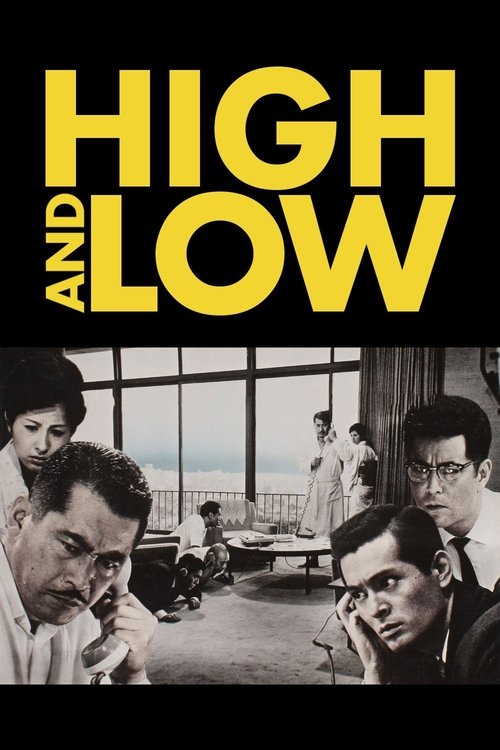
High and Low
1963A Yokohama shoe executive faces a wrenching choice when kidnappers mistakenly seize his chauffeur’s son but demand the ransom anyway.
This precise procedural serves as a masterclass in geometric composition and social critique, utilizing a bifurcated structure to map the vertical inequalities of urban Japan. The director weaponizes the widescreen frame to create a claustrophobic tension, proving his absolute command over the contemporary noir thriller.
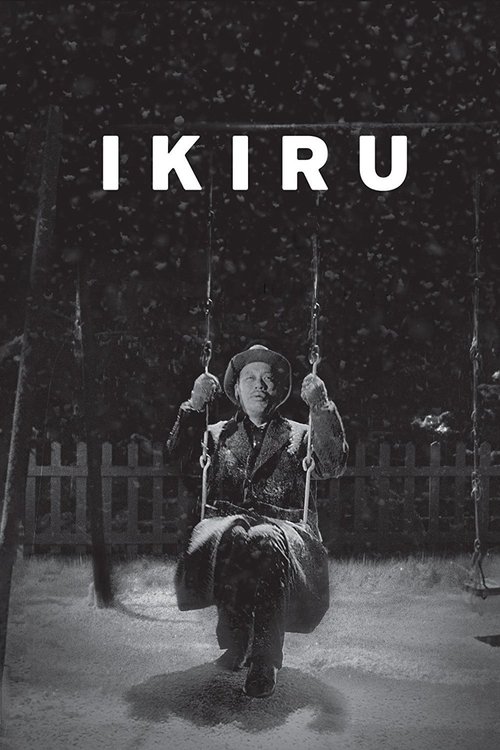
Ikiru
1952Kanji Watanabe is a middle-aged man who has worked in the same monotonous bureaucratic position for decades. Learning he has cancer, he starts to look for the meaning of his life.
Kurosawa departs from the kinetic energy of his samurai tales to deliver a devastatingly intimate study of existential crisis and bureaucratic inertia. By fracturing the narrative structure and centering on a quiet, transformative interiority, the director crafts a profound meditation on the moral necessity of a purposeful life.
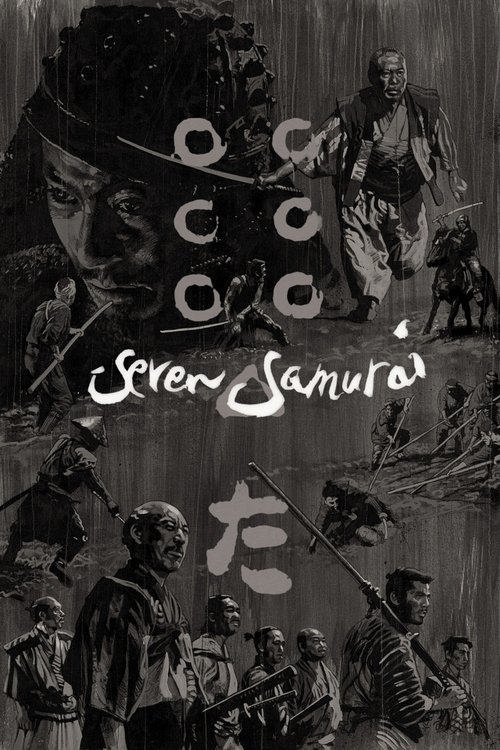
Seven Samurai
1954A samurai answers a village's request for protection after he falls on hard times. The town needs protection from bandits, so the samurai gathers six others to help him teach the people how to defend themselves, and the villagers provide the soldiers with food.
A peerless fusion of kinetic action and humanistic depth, this epic perfected the visual language of the ensemble dynamic. Kurosawa’s revolutionary use of multiple cameras and telephoto lenses transformed the historical drama into a visceral, rhythmic masterpiece that remains the foundational blueprint for modern blockbuster storytelling.
Frequently Asked Questions
Everything you need to know about this list and SnakeDrafts
- 'Seven Samurai' is ranked highest due to its groundbreaking narrative and cinematic techniques that influenced countless filmmakers worldwide. Its epic portrayal of honor and sacrifice amidst action and drama cemented Kurosawa's status as a master storyteller.
- 'Ikiru' stands out for its poignant exploration of human mortality and the search for meaning. Unlike his samurai epics, this film focuses deeply on a bureaucrat's introspective journey, showcasing Kurosawa's versatility in handling intimate, emotional narratives.
- 'High and Low' brilliantly blends a suspenseful kidnapping plot with a critique of social class disparities, combining crime thriller tension with profound moral questions. It exemplifies Kurosawa's skill in weaving complex societal themes into gripping storytelling.
- 'Yojimbo' and 'Throne of Blood' are pivotal samurai films that highlight Kurosawa's innovative approach to genre blending, incorporating dark humor and Shakespearean tragedy respectively. Their inclusion underscores his impact on both Japanese cinema and international interpretations of the samurai ethos.
- 'Rashomon' is renowned for its revolutionary narrative structure featuring multiple perspectives, which challenged traditional storytelling conventions. Its influence on global cinema is profound, making its placement a reflection of its historical importance rather than popularity alone.
- The list notably includes 'Dreams,' a lesser-known fantasy film that showcases Kurosawa's imaginative vision late in his career, which some fans might find surprising. Meanwhile, more commercially prominent works like 'Kagemusha' are ranked lower, emphasizing artistic merit over box office success.
- 'Dersu Uzala' is unique as it is set in Siberia and reflects Kurosawa's international collaboration with Soviet filmmakers. This adventure-drama stands out by highlighting nature and friendship, expanding Kurosawa's thematic range beyond samurai and urban dramas.
- Themes of honor, human struggle, and moral ambiguity consistently permeate Kurosawa's work, whether in samurai epics like 'Ran' or human dramas like 'Red Beard.' His films often examine complex characters facing ethical dilemmas within richly detailed social contexts.