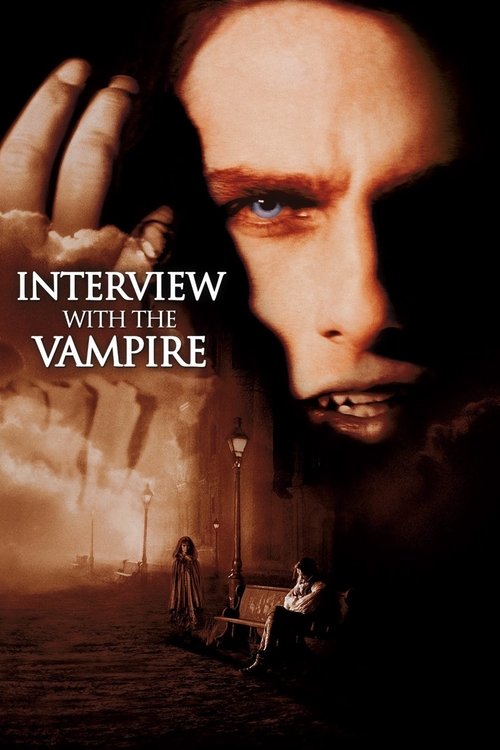
Interview with the Vampire
Delve into the immortal confessions of Louis de Pointe du Lac as he recounts centuries of vampiric existence, a chilling odyssey of love, loss, and the eternal search for meaning. This gothic masterpiece explores the dark allure of immortality and the profound melancholy that often accompanies it. Prepare for a mesmerizing journey through shadows and across time, a true cornerstone of modern vampire lore.
Director
Neil Jordan
Release Year
1994
Runtime
123 minutes
Main Cast
Tom Cruise, Brad Pitt, Antonio Banderas, Christian Slater, Stephen Rea
About Interview with the Vampire
Neil Jordan's 1994 film adaptation of Anne Rice's seminal novel, *Interview with the Vampire*, brought the opulent and tormented world of the undead to the silver screen with breathtaking grandeur. The film masterfully captures the essence of Rice's work, exploring themes of immortality, morality, and the complex relationships that form across centuries. Its release ignited a resurgence of interest in vampire narratives, solidifying its place as a cultural touchstone in the horror and fantasy genres.
The narrative centers on Louis de Pointe du Lac, who, in present-day San Francisco, recounts his 200-year life as a vampire to a skeptical reporter. His tale begins in 18th-century New Orleans, detailing his transformation by the enigmatic and charismatic Lestat de Lioncourt. Their intertwined destinies, marked by both profound connection and bitter conflict, form the emotional core of the story. The introduction of the child vampire Claudia further complicates their unholy family, leading to both tender moments and heartbreaking betrayals.
Upon its release, *Interview with the Vampire* garnered significant critical attention, particularly for its atmospheric cinematography and the compelling performances of its leading cast. Tom Cruise's portrayal of Lestat, initially met with fan skepticism, ultimately proved to be a captivating and iconic interpretation, while Brad Pitt's introspective Louis anchored the film's emotional depth. The film's lush production design and evocative score further contributed to its immersive gothic aesthetic, earning it nominations for several awards, including two Academy Awards.
The film's legacy endures as a definitive adaptation of a beloved literary work and a landmark in vampire cinema. It not only influenced subsequent vampire portrayals but also broadened the appeal of the genre, demonstrating that horror could be both intellectually stimulating and deeply emotional. Its exploration of existential dread, found family, and the burden of eternal life continues to resonate with audiences, ensuring its lasting impact on popular culture.
Drafts Featuring Interview with the Vampire
Every SnakeDrafts listicle where this movie appears
The Best of Tom Cruise Movies Ranked
Ranked #20
The Best Christian Slater Movies Ranked
Ranked #4
The Best Thandiwe Newton Movies, Ranked
Ranked #5
The Best Antonio Banderas Films
Ranked #8
The Definitive Kirsten Dunst Movie Ranking
Ranked #3
The Ultimate Brad Pitt Movie Ranking: Every Must-Watch Performance
Ranked #23
Top Movies of 1994 Ranked
Ranked #17
The Best 1994 Horror Movies Ranked
Ranked #1
Best 1990s Horror Movies Ranked
Ranked #17
Similar Movies
Movies related to Interview with the Vampire
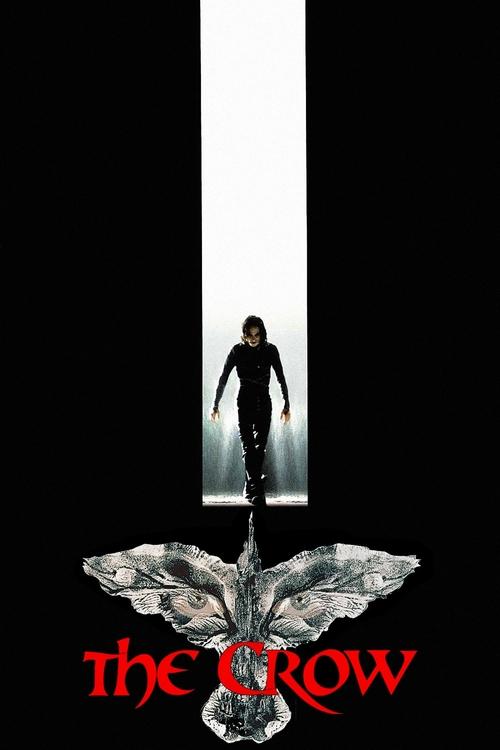
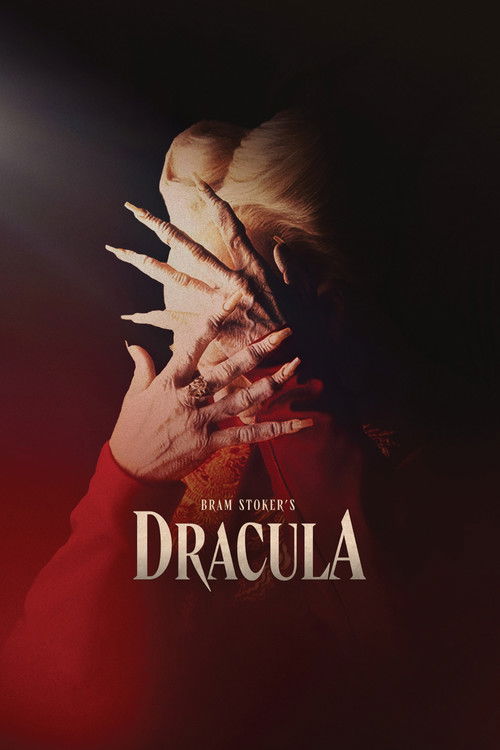
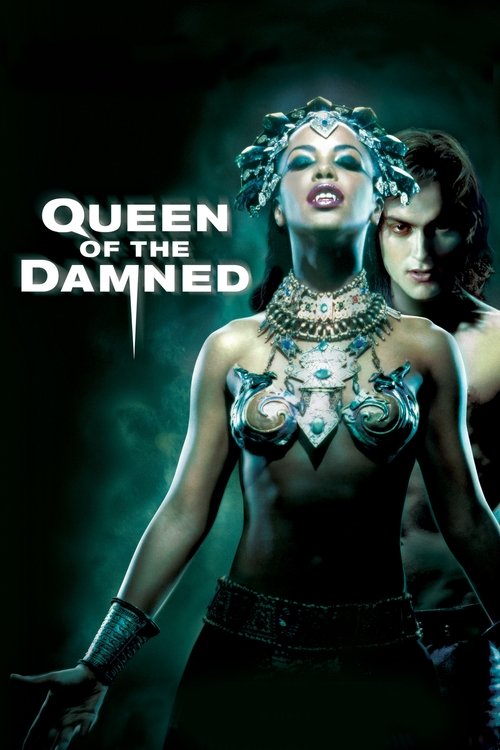
Frequently Asked Questions
Everything you need to know about Interview with the Vampire
- Louis's internal conflict symbolizes the human desire for morality and compassion within an inherently monstrous existence. His constant questioning and melancholy highlight the psychological toll of immortality, making him a relatable figure despite his supernatural condition.
- Claudia's unique predicament as a child vampire trapped in an adult's desires adds a layer of tragic complexity. Her character explores themes of arrested development and the unfulfilled longing for maturity and independence, making her a poignant and unsettling figure.
- The film blurs the lines between good and evil, presenting vampires not as purely malicious entities but as beings driven by complex motivations, desires, and ultimately, a perpetual struggle with their own humanity. It suggests that morality is not inherent but a constant choice, even for the undead.
- New Orleans is vital to the film's atmosphere, embodying a sense of decaying grandeur and gothic mystery that mirrors the vampires' existence. Its rich history and unique cultural identity provide a perfect backdrop for a story about ancient beings clinging to remnants of humanity amidst a changing world.
- The ending emphasizes Louis's enduring weariness and the cyclical nature of his suffering. His ultimate choice to spare the reporter, yet leave him with a taste of immortality's allure, suggests that while he may yearn for an end to his own pain, he cannot entirely escape the seductive power of his existence or the desire to share his story.

