The Greatest SciFi Movies of 1974
Mind Bending Cult Classics and Cosmic Voyages
Explore the best science fiction films from a pivotal year in cinema history. From dystopian visions to deep space satire and giant monster battles.
About SciFi 1974 Movies
In the rearview mirror of cinematic history, 1974 is often remembered as the year of the gritty American masterwork. It was the era of The Godfather Part II and Chinatown, a time when the New Hollywood movement was reaching its cynical, sophisticated zenith. Yet, tucked between the hard boiled detective stories and mob epics, science fiction was undergoing a fascinating, messy metamorphosis. The genre had officially shed its atomic age innocence but had not yet arrived at the high octane spectacle of the Star Wars era. What remained was a collection of films that felt like fever dreams of a future we were already too tired to build.
No film better encapsulates this particular mood than John Boorman's Zardoz. It is an easy target for mockery today, mostly thanks to the sight of Sean Connery in a scarlet loincloth and thigh high boots, but to dismiss it as mere camp is to miss its ambition. Zardoz arrived as a deeply strange, psychedelic meditation on immortality, class divide, and the stagnation of a perfect society. It was a film that could only have been made in 1974, fueled by the leftover energy of the counterculture and the absolute confidence of a director who had just come off a massive hit. It remains a polarizing monument to the idea that science fiction should be challenging, visual, and profoundly odd.
While Boorman was exploring the distant future, John Carpenter was making his debut with Dark Star. Originally a student film expanded into a feature, it served as a hilarious, low budget antidote to the cold clinical precision of 2001: A Space Odyssey. It introduced us to bored astronauts who had been in space far too long, dealing with temperamental sentient bombs and a pet alien that looked suspiciously like a painted beach ball. Dark Star was revolutionary because it presented the future as something blue collar and mundane. It suggested that even when humanity reaches the stars, we will still be dealing with annoying bosses and equipment that refuses to work.
International cinema also provided one of the year's most haunting visions in the form of Phase IV. The only feature ever directed by graphic design legend Saul Bass, it is a chilling look at a world where ants undergo a collective evolution and begin to systematically dismantle human dominance. The macro photography is still staggering today, creating a sense of alien intelligence right beneath our feet. It lacked the traditional heroics of a monster movie, choosing instead to present a quiet, mathematical apocalypse.
The year also gave us Soylent Green, though technically released in late 1973 in some regions, it dominated the 1974 cultural conversation. It cemented the era's obsession with ecological collapse and corporate greed. This was the landscape of the genre fifty years ago. It was a time of warnings and strange visions. There were no light sabers or clear cut villains. Instead, the sci-fi of 1974 asked us to look at ourselves and wonder if we were smart enough to survive our own progress. It was a year where the future looked dusty, strange, and unsettlingly possible.
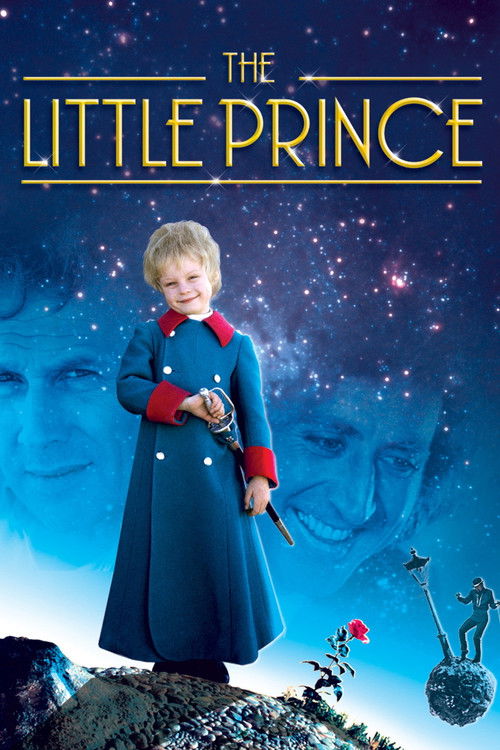
The Little Prince
1974After a pilot is forced to make an emergency landing in the Sahara Desert, he befriends a young prince from outer space; the friendship conjures up stories of journeys through the solar system for the stranded aviator.
Stanley Donen’s whimsical adaptation utilizes travel through the stars as a poignant metaphor for the loss of innocence. The film’s stylized, ethereal production design elevates a simple fable into a hauntingly beautiful exploration of the human condition across the celestial void.
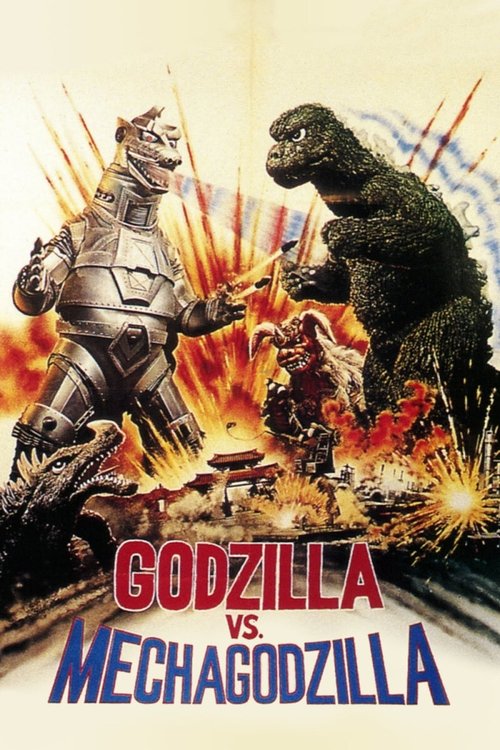
Godzilla vs. Mechagodzilla
1974An Okinawan prophecy that foretells the destruction of the Earth is seeming fulfilled when Godzilla emerges to return to his destructive roots. But not all is what it seems after Godzilla breaks his ally Anguirus's jaw. Matters are further complicated when a second Godzilla emerges, revealing the doppelgänger as a mechanical weapon.
By introducing a sleek, machine-tooled doppelgänger, this entry revitalizes the Showa-era mythos with a blast of pyrotechnic kineticism. It represents the pinnacle of craftsmanship in suit-acting and practical destruction, offering a metallic, pop-art contrast to the series' biological roots.
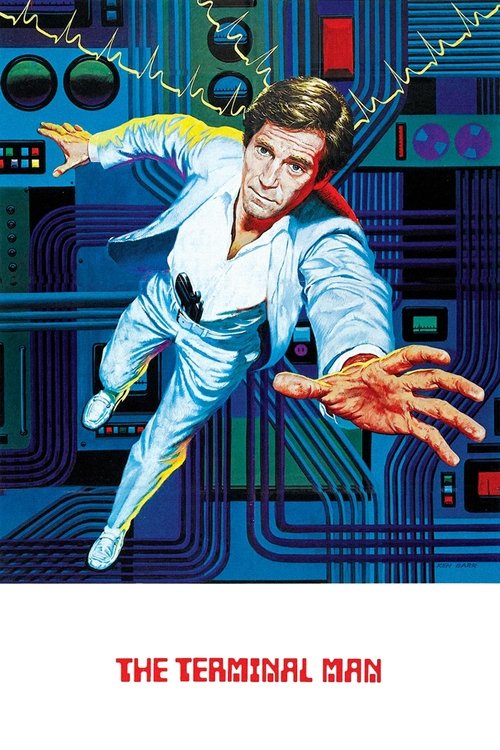
The Terminal Man
1974As the result of a head injury, brilliant computer scientist Harry Benson begins to experience violent seizures. In an attempt to control the seizures, Benson undergoes a new surgical procedure in which a microcomputer is inserted into his brain. The procedure is not entirely successful.
A chillingly sterile meditation on the intersection of neurobiology and technology, this adaptation pulses with a clinical paranoia that feels increasingly prophetic. Its cold, minimalist aesthetic perfectly captures the terrifying loss of agency inherent in the dawn of the computer age.
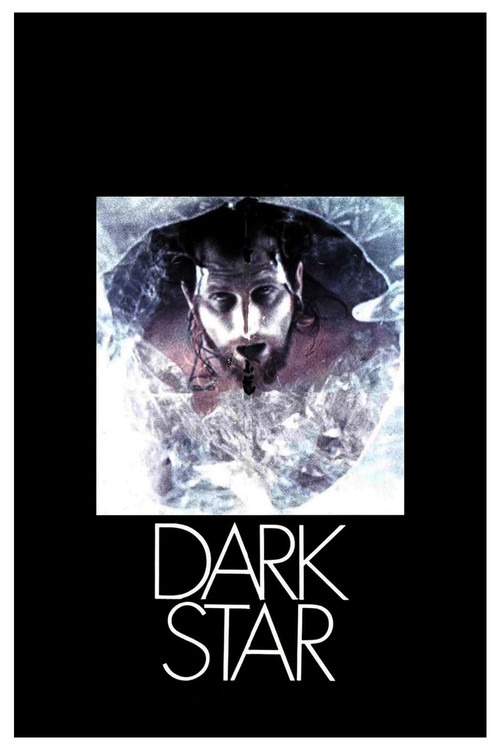
Dark Star
1974A group of scientists are sent on a mission to destroy unstable planets. Twenty years into their mission, they have to battle their alien mascot as well as a "sensitive" and intelligent bombing device that starts to question the meaning of its existence.
This gritty, countercultural debut weaponizes the mundane absurdity of deep-space isolation, effectively birthing the 'used future' aesthetic. John Carpenter transforms low-budget limitations into a masterclass of cosmic nihilism and deadpan philosophical humor.
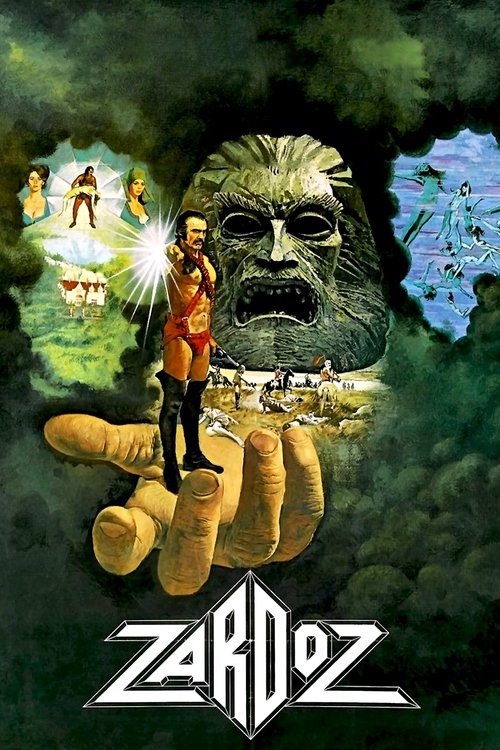
Zardoz
1974In the far future, a savage trained only to kill finds a way into the community of bored immortals that alone preserves humanity's achievements.
John Boorman’s psychedelic fever dream stands as a monumental exercise in high-concept hubris, challenging the boundaries of the genre through its bizarre visual vocabulary and fearless interrogation of post-human immortality. It is a work of staggering, unclassifiable ambition that remains the year's most audacious sensory assault.
Frequently Asked Questions
Everything you need to know about this list and SnakeDrafts
- ‘Zardoz’ holds the top spot due to its unique blend of fantasy, action, and philosophical science fiction, directed by John Boorman. Its ambitious exploration of dystopian themes and striking visuals make it a standout film that encapsulates the experimental spirit of 1974 sci-fi cinema.
- ‘Dark Star’ is significant for being one of John Carpenter’s earliest films, combining comedy and science fiction in a pioneering deep space satire. Its low-budget charm and clever storytelling offer a refreshing contrast to the more serious tones found in other 1974 sci-fi films.
- ‘The Terminal Man’ brings a thrilling and horror-inflected edge to 1974’s sci-fi offerings, focusing on the consequences of experimental brain surgery. Directed by Mike Hodges, it adds psychological depth and suspense, highlighting the genre’s diversity during that year.
- As a quintessential example of the kaiju genre, ‘Godzilla vs. Mechagodzilla’ represents the action-packed and adventurous side of 1974 sci-fi cinema. Directed by Jun Fukuda, it demonstrates the global appeal of science fiction and its ability to incorporate giant monster battles into the year’s cinematic landscape.
- ‘The Little Prince’ stands out as a family-friendly science fiction fantasy with musical elements, directed by Stanley Donen. Its inclusion reflects the year’s thematic range, showing how sci-fi could be accessible and imaginative for audiences of all ages.
- The list focuses on the most influential and thematically diverse sci-fi films of 1974, but some lesser-known or international films didn’t make the cut. This selective approach highlights movies that had a lasting impact or represented key genre evolutions during that year.
- The films collectively explore themes like dystopia, technology’s impact on humanity, satire of space exploration, and fantastical adventure. This thematic diversity underscores 1974 as a pivotal year when sci-fi was evolving beyond its earlier tropes into more complex narratives.