Ranking Pedro Almodóvar's Greatest Films
The Master of Vibrant Melodrama and Spanish Cinema
Explore the essential films of Pedro Almodóvar, from Academy Award winners to provocative cult classics that defined modern Spanish cinema.
About Pedro Almodóvar
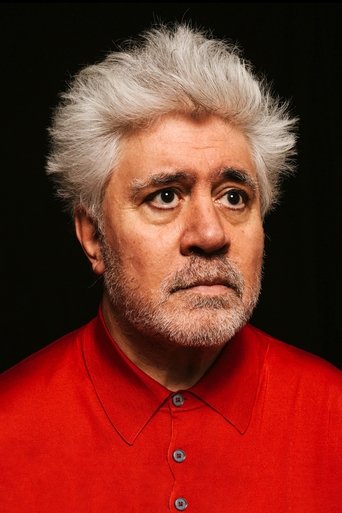
To step into the world of Pedro Almodovar is to surrender to a delicious, saturated fever dream where the primary colors bleed into heartbreak and the decor is as expressive as the dialogue. Emerging from the defiant underground of Madrid after the fall of the Franco dictatorship, he reinvented Spanish cinema by trading gray repression for a neon-soaked explosion of desire, kitsch, and transgressive joy. He does not merely film a scene; he orchestrates a tactile experience where every shade of scarlet lipstick and every piece of mid-century furniture serves a narrative purpose. His aesthetic is so distinct that the term Almodovarian has become shorthand for a specific blend of domestic melodrama, dark comedy, and profound empathy for those living on the fringes.
His early work like Women on the Verge of a Nervous Breakdown and Tie Me Up! Tie Me Down! established his reputation as a provocateur with a penchant for high-stakes farce and pop-art sensibilities. Yet, beneath the camp and the chaos, a deep sincerity began to take root. He possesses an uncanny ability to navigate the labyrinth of the female psyche, a gift that reached its zenith in the soulful, matrilineal ghost story of Volver and the towering emotional architecture of All About My Mother. In these films, he celebrates the resilience of women and the chosen families that sustain them, turning the domestic sphere into a site of epic struggle and redemption.
While his visual language is often associated with vibrant excess, he is equally a master of the clinical and the cryptic. The Skin I Live In saw him pivot toward a sterile, Hitchcockian body horror, while Talk to Her demonstrated a quiet, devastating maturity that lingered on the complexities of loneliness and care. Even when he ventures into the shadows, his work remains anchored by an unshakeable humanity. He treats the taboo not as a gimmick, but as a fundamental part of the human condition, refusing to judge characters who find themselves caught in the crosshairs of passion or obsession.
The director transitioned into a fascinatingly introspective phase with Pain and Glory, a semi-autobiographical masterpiece that stripped away some of the theatrical artifice to reveal the aging artist beneath. It was a meditative look at memory, desire, and the physical toll of creation, themes he continued to explore with the politically charged Parallel Mothers and his English-language debut The Room Next Door. Whether he is dissecting the trauma of the past in Bad Education or exploring the fractured nature of identity in Broken Embraces, his cinema remains a vibrant testament to the power of storytelling. He has spent decades proving that the most flamboyant artifice can often lead us toward the most uncomfortable truths, ensuring his legacy as a filmmaker who finds high art in the heat of the moment.
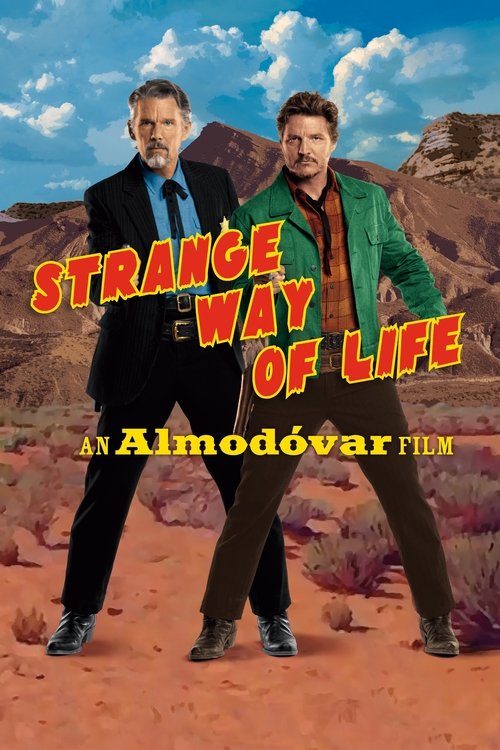
Strange Way of Life
2023After 25 years, a former hired gun visits his old colleague, now a small-town sheriff. Their past relationship is explored, as is how they reflect on it in the present.
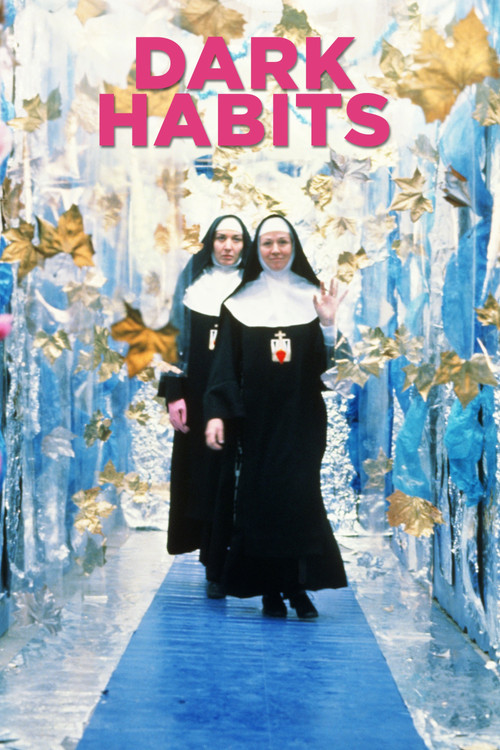
Dark Habits
1983After her drug pusher boyfriend overdoses on heroin, a cabaret singer finds refuge from the authorities in a convent for fallen women.
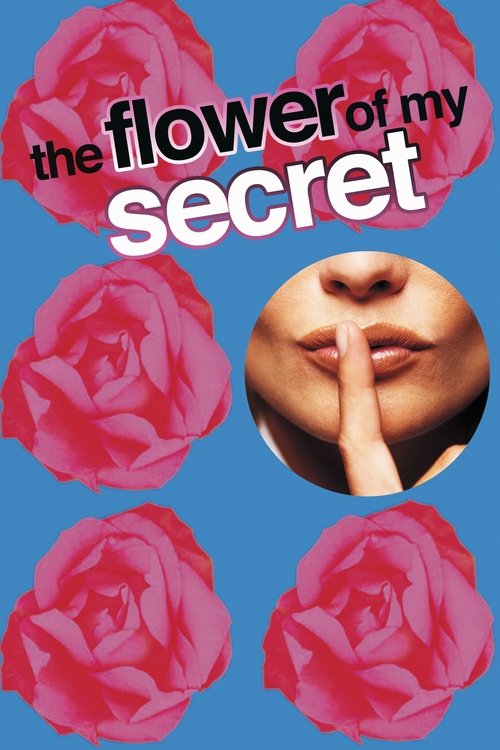
The Flower of My Secret
1995Middle-aged romance author Leo writes under a pseudonym, since she despises her own work. At home, her husband, who works overseas, is distant both physically and emotionally. As she reevaluates her life and writing, Leo is led to an unexpected relationship with Ángel, a sensitive newspaper editor.
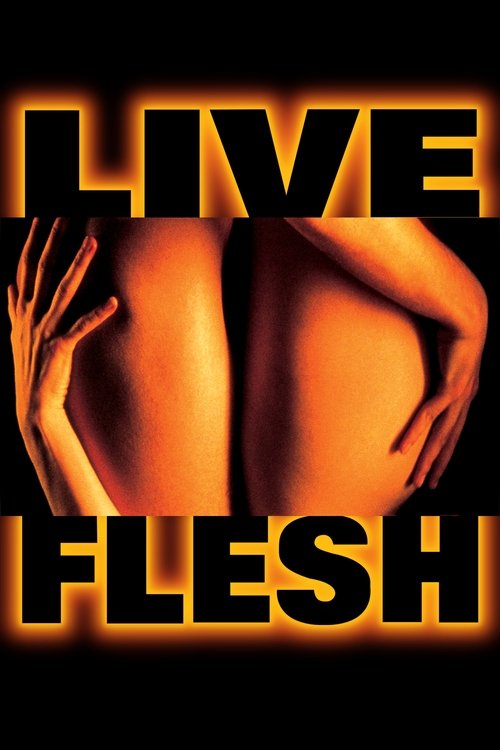
Live Flesh
1997When Victor attempts to seduce Elena, all he gets for his trouble is a one-way, six-year ticket to prison, where he concentrates on strengthening his mind, his body... and his desire for vengeance on the man who put him there. After his release and still madly in love with her, Victor will stop at nothing to win her over even if means revenge, for Elena has married David, the cop who sent him to prison!
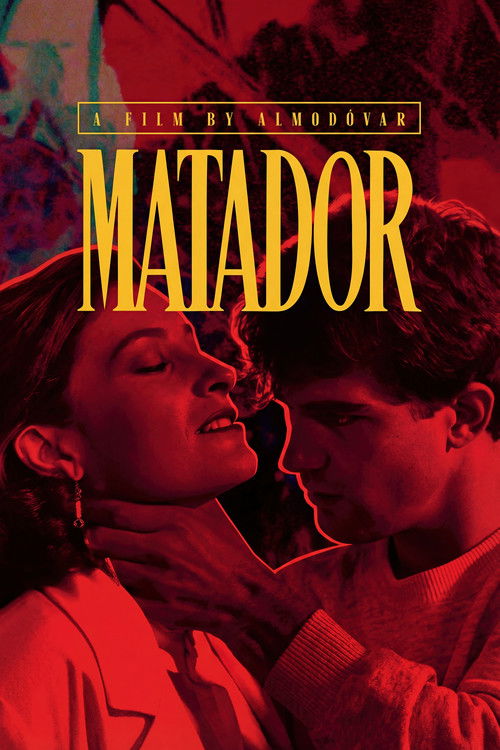
Matador
1986A conflicted youth confesses to crimes he didn't commit while a man and woman aroused by death become obsessed with each other.
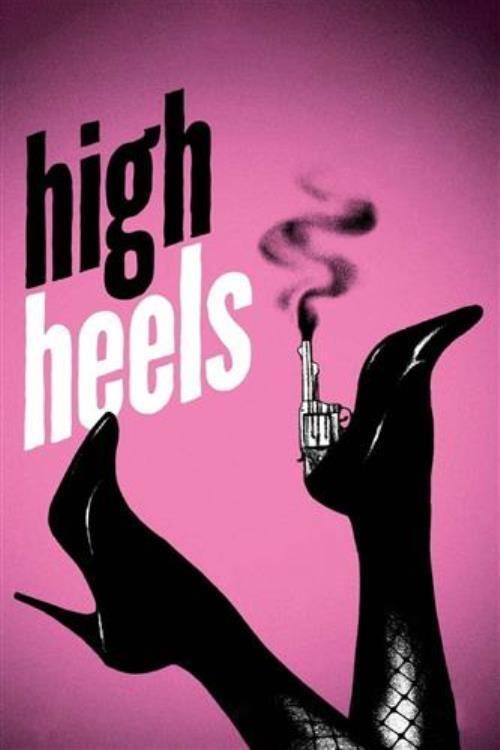
High Heels
1991After being estranged for 15 years, flamboyant actress Becky del Paramo re-enters her daughter Rebeca's life when she comes to perform a concert. Rebeca, she finds, is now married to one of Becky's ex-lovers, Manuel. The mother and daughter begin making up for lost time, when suddenly, a murder occurs...
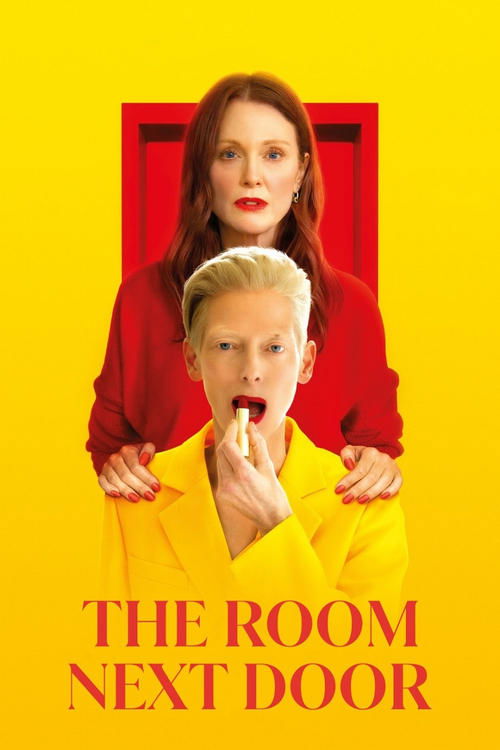
The Room Next Door
2024Ingrid and Martha were close friends in their youth, when they worked together at the same magazine. Ingrid went on to become an autofiction novelist while Martha became a war reporter, and they were separated by the circumstances of life. After years of being out of touch, they meet again in an extreme but strangely sweet situation.
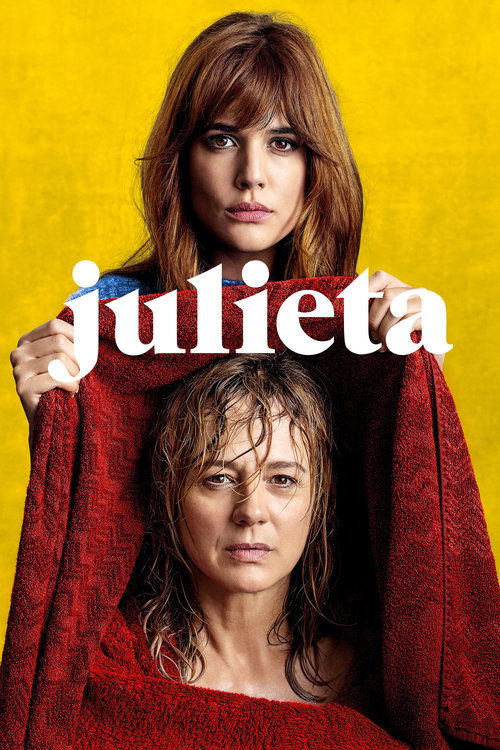
Julieta
2016The film spans 30 years in Julieta’s life from a nostalgic 1985 where everything seems hopeful, to 2015 where her life appears to be beyond repair and she is on the verge of madness.

What Have I Done to Deserve This?
1984A henpecked housewife ekes out a meager existence, surrounded by a host of colorful characters: her ungrateful husband, her delinquent sons, her headstrong mother-in-law, and her sex worker neighbor, among others.
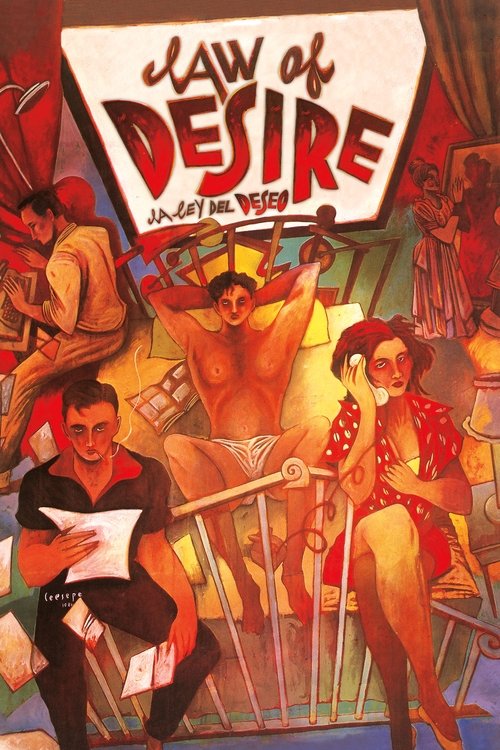
Law of Desire
1987Pablo, a successful film director, disappointed in his relationship with his young lover, Juan, concentrates in a new project, a monologue starring his transgender sister, Tina. Antonio, an uptight young man, falls possessively in love with the director and in his passion would stop at nothing to obtain the object of his desire.

Broken Embraces
2009Harry Caine, a blind writer, reaches this moment in time when he has to heal his wounds from 14 years back. He was then still known by his real name, Mateo Blanco, and directing his last movie.
A dense, high-gloss tribute to the voyeurism and obsession of the filmmaking process itself. This lush noir functions as a sophisticated gallery of Almodóvar’s own aesthetic fixations, proving that his love for the frame is as deep as his love for his muses.
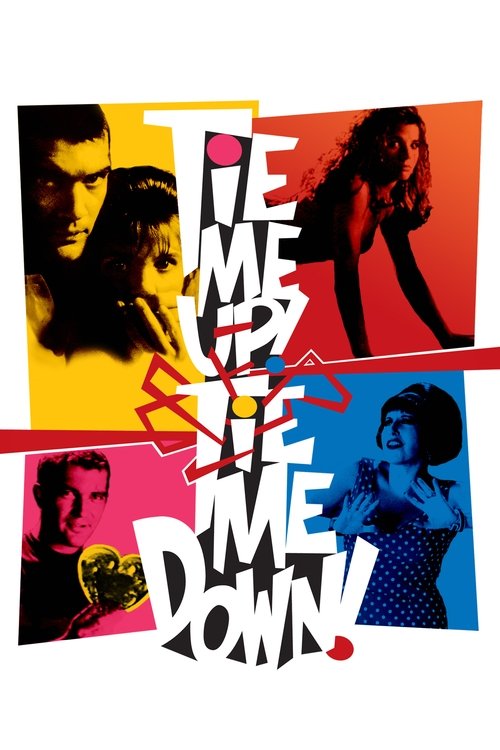
Tie Me Up! Tie Me Down!
1990After being released from a mental hospital, a troubled young man tracks down an actress he once had sex with and forces her into captivity, determined to make her part of his life.
This provocative collision of Stockholm syndrome and screwball comedy captures the director at his most subversive and stylistically tactile. It pushes the boundaries of romantic obsession, challenging the viewer to find the genuine heart beating beneath a transgressive, pop-saturated exterior.

Parallel Mothers
2021Two unmarried women who have become pregnant by accident and are about to give birth meet in a hospital room: Janis, in her late-thirties, unrepentant and happy; Ana, a teenager, remorseful and frightened.
By intertwining a contemporary maternity crisis with the ghost of the Spanish Civil War, Almodóvar bridges the personal with the political. It is a sophisticated late-period work that demands accountability from the past while maintaining the lush, domestic intimacy of his prime.
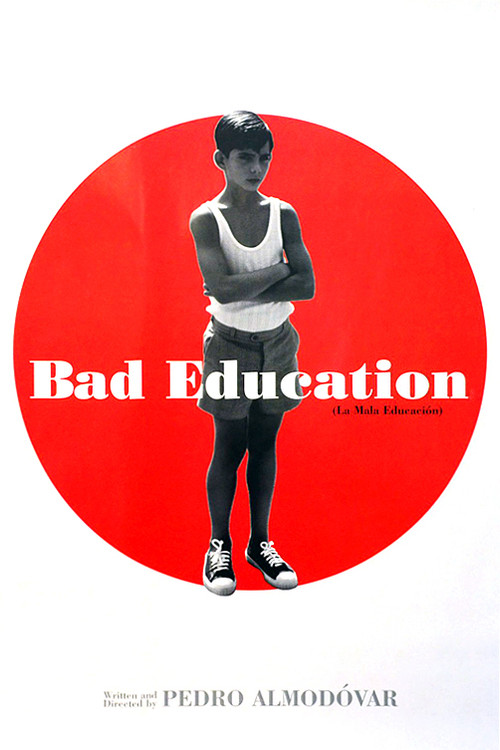
Bad Education
2004When an old friend brings filmmaker Enrique Goded a semi-autobiographical script chronicling their adolescence, Enrique is forced to relive his youth spent at a Catholic boarding school.
A spiraling, meta-cinematic noir that dissects the corruptive influence of religious institutions and the fragility of memory. This film represents the director at his most cynical and structurally complex, utilizing a nested narrative to expose the scars left by suppressed histories.
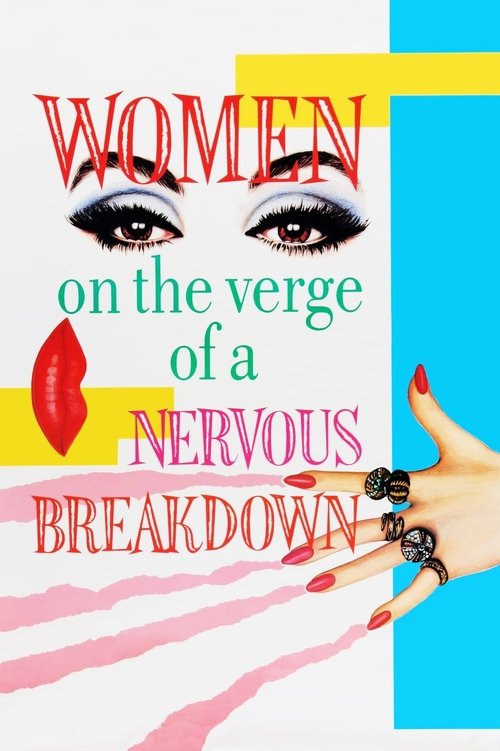
Women on the Verge of a Nervous Breakdown
1988After being dumped by her lover, Pepa finds her life and the lives of those around her spiraling out of control in a deliciously chaotic series of events.
This neon-soaked farce remains the ultimate distillation of Almodóvar’s anarchic early spirit and his worship of the feminine psyche. Its frantic energy and impeccable comedic timing signaled the arrival of a world-class stylist ready to redefine the European cinematic landscape.
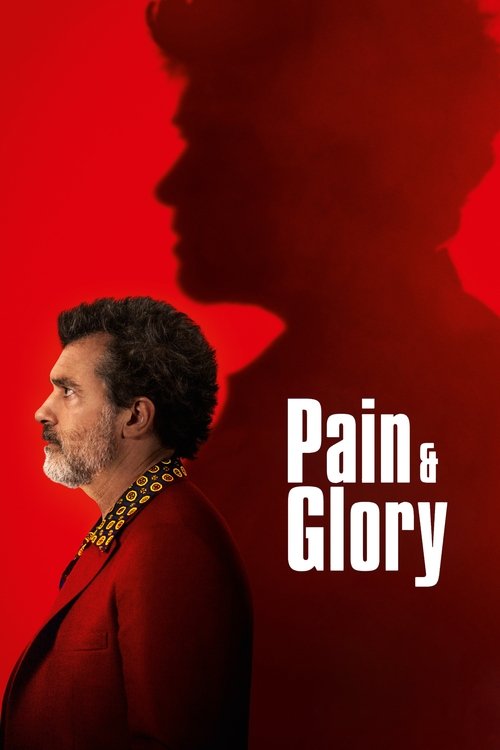
Pain and Glory
2019Salvador Mallo, a filmmaker in the twilight of his career, remembers his life: his mother, his lovers, the actors he worked with. The sixties in a small village in Valencia, the eighties in Madrid, the present, when he feels an immeasurable emptiness, facing his mortality, the incapability of continuing filming, the impossibility of separating creation from his own life. The need of narrating his past can be his salvation.
In this vulnerable act of self-interrogation, the filmmaker strips away the masks of his youth to examine the physical and creative toll of a life in cinema. It serves as a poignant, autumnal coda that rehydrates the colors of his past with the wisdom of hindsight.
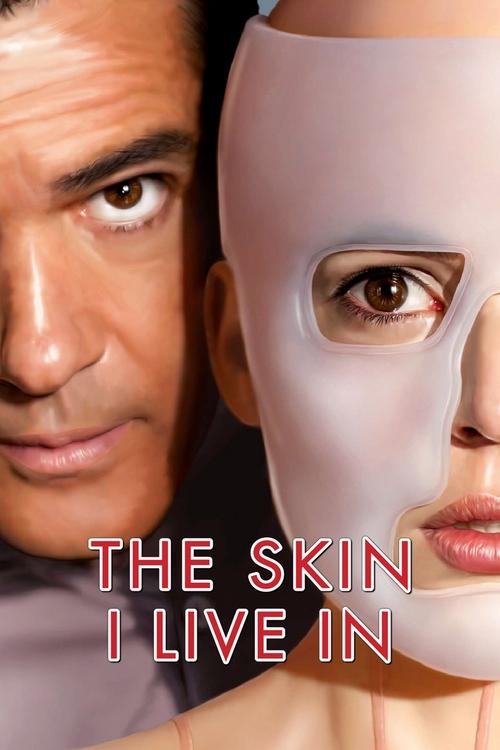
The Skin I Live In
2011A brilliant plastic surgeon creates a synthetic skin that withstands any kind of damage. His guinea pig: a mysterious and volatile woman who holds the key to his obsession.
Swapping melodrama for a chillingly sterile precision, this venture into body horror reveals the director's clinical obsession with identity and transformation. It functions as a sleek, disturbing evolution of his career-long fascination with the malleability of the human form.
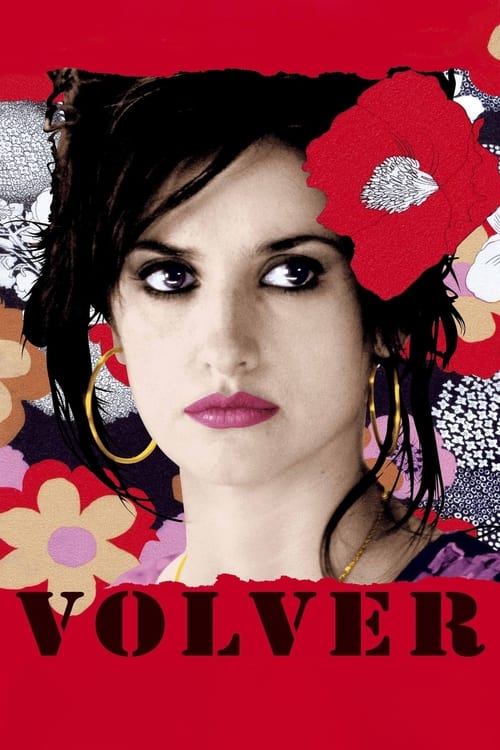
Volver
2006Three generations of women survive the east wind, fire, insanity, superstition and even death by means of goodness, lies and boundless vitality.
This supreme reclamation of the motherhood motif blends the supernatural with the domestic through a distinctly Spanish lens of resilience. By grounding generational trauma in the textures of everyday life, Almodóvar elevated his aesthetic into something both mythic and tactile.
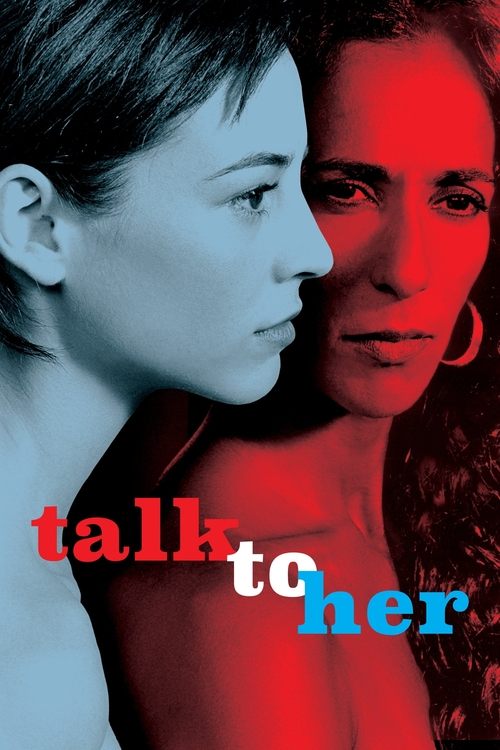
Talk to Her
2002Two men share an odd friendship while they care for two women who are both in deep comas.
Moving away from his signature pop-art saturation, the director crafts an uncomfortably intimate chamber piece that explores the haunting boundaries of devotion. It is a daring exercise in moral ambiguity that proves his command over silence is as potent as his mastery of color.
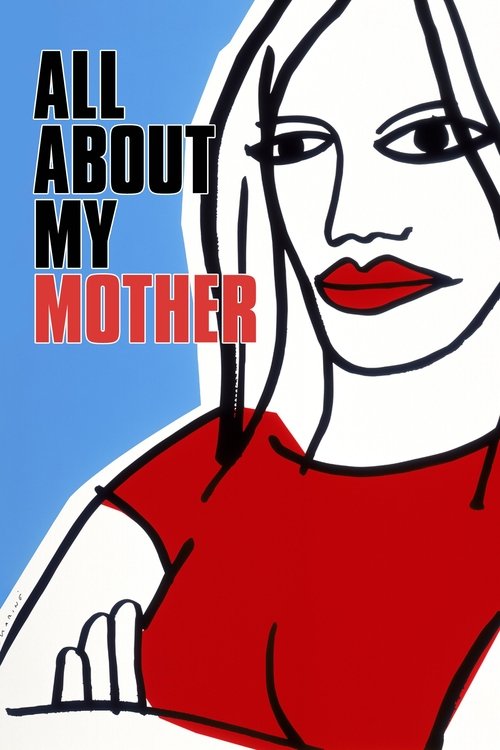
Following the tragic death of her teenage son, Manuela travels from Madrid to Barcelona in an attempt to contact the long-estranged father the boy never knew. She reunites with an old friend, an outspoken transgender sex worker, and befriends a troubled actress and a pregnant, HIV-positive nun.
A transcendental peak in Almodóvar’s career, this vibrant masterwork synthesizes his Fixation on theatrical artifice with raw, maternal empathy. It stands as the definitive testament to his ability to find profound grace within the kitsch and the tragic.
Frequently Asked Questions
Everything you need to know about this list and SnakeDrafts
- "All About My Mother" is ranked highest due to its critical acclaim, including winning the Academy Award for Best Foreign Language Film. The movie exemplifies Almodóvar's mastery in blending drama and comedy while exploring themes of female empowerment, loss, and identity with vibrant storytelling.
- Both "Talk to Her" and "Volver" explore deep emotional connections, complex relationships, and the resilience of women, which are recurring themes in Almodóvar's work. These films are known for their poignant narratives and strong female characters that challenge societal norms.
- "The Skin I Live In" stands out as a darker, more intense thriller with elements of horror and mystery, diverging from Almodóvar's typical colorful dramas and comedies. It showcases his versatility in storytelling while still maintaining his signature emotional depth and style.
- "Pain and Glory" is significant as it is highly autobiographical, reflecting Almodóvar's own life and creative struggles, which resonates deeply with audiences and critics. Its ranking highlights the director's evolution and personal expression in cinema, earning multiple award nominations.
- The list includes almost all major works, but some fans might find classics like "High Heels" and "Tie Me Up! Tie Me Down!" relatively lower ranked. This reflects a focus on Almodóvar's most critically acclaimed and thematically mature films rather than commercial popularity.
- Female characters in these films are central, often portrayed with complexity, strength, and vulnerability that challenge traditional gender roles. Almodóvar is celebrated for giving voice to women's experiences, making these movies pivotal in modern Spanish cinema.
- In "Bad Education" and "Broken Embraces," Almodóvar skillfully blends drama, thriller, romance, and crime genres to create layered narratives that keep viewers engaged. This genre fusion exemplifies his creative risk-taking and ability to defy cinematic conventions.