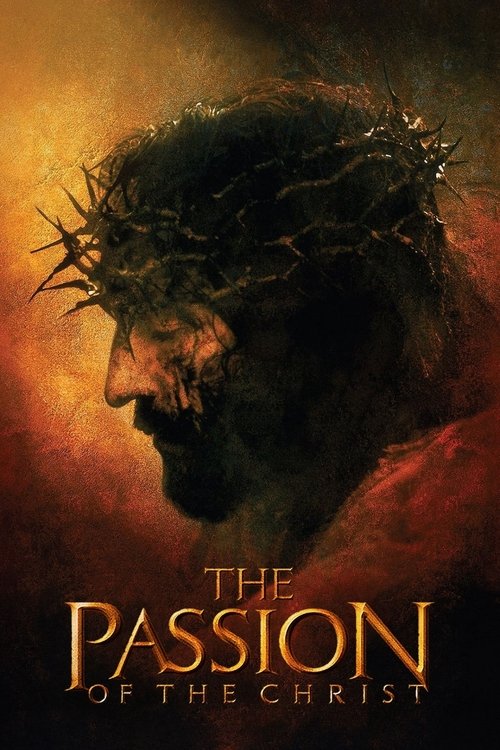
The Passion of the Christ
The Passion of the Christ (2004) is a powerful and unflinching depiction of the final hours of Jesus of Nazareth, directed by Mel Gibson. Known for its intense and graphic portrayal, the film delves deeply into themes of sacrifice, faith, and redemption, making it a landmark in religious and dramatic cinema.
Director
Release Year
2004
Runtime
127 minutes
Genres
Main Cast
Jim Caviezel, Maia Morgenstern, Christo Jivkov, Francesco De Vito, Monica Bellucci
About The Passion of the Christ
The Passion of the Christ made a significant cultural impact by sparking widespread discussions about religious faith, the nature of suffering, and the portrayal of biblical events in modern cinema. Its use of Aramaic, Latin, and Hebrew languages added a layer of authenticity rarely seen in mainstream films, inviting audiences into a deeply immersive historical experience.
The film's plot focuses on the intense and harrowing last twelve hours of Jesus' life, chronicling his arrest, torture, crucifixion, and resurrection in a way that emphasizes the emotional and spiritual gravity of these events without revealing any major plot surprises. Mel Gibson's direction aimed to provide a raw and visceral experience that conveys both the physical pain and profound spiritual significance of Jesus' sacrifice.
Critically, the film received mixed reviews for its graphic violence but was widely praised for its artistic ambition and emotional depth. Jim Caviezel's portrayal of Jesus was noted for its solemnity and dedication, contributing greatly to the film's intense and contemplative atmosphere. The Passion of the Christ won several awards and nominations, particularly for its cinematography and makeup, securing its place as a controversial yet influential film.
The movie's legacy endures in both religious communities and film circles for its bold approach to sacred storytelling. It opened dialogues on religious representation in cinema and inspired further films exploring spiritual and biblical narratives. Despite its controversies, The Passion of the Christ remains a significant cultural touchstone for understanding faith in film.
Drafts Featuring The Passion of the Christ
Every SnakeDrafts listicle where this movie appears
Similar Movies
Movies related to The Passion of the Christ

Frequently Asked Questions
Everything you need to know about The Passion of the Christ
- Mel Gibson chose these ancient languages to enhance historical authenticity and immerse audiences in the time period of Jesus' life. The languages reflect what would have been spoken in the region during that era, adding to the film's realism.
- Jim Caviezel's performance is marked by intense physical endurance and emotional restraint, focusing on the suffering and spiritual resolve of Jesus. Unlike some portrayals that emphasize divinity visually, Caviezel's is a deeply human and vulnerable depiction.
- The film deeply explores themes of sacrifice, redemption, forgiveness, and the power of faith. It portrays the enormity of Jesus' suffering as a means of spiritual salvation and highlights the human cost of divine love.
- The intense and realistic depiction of Jesus' torture and crucifixion shocked many viewers and critics, raising debates about its necessity and impact. Some felt it was overly brutal, while others argued it was essential to convey the magnitude of Jesus' sacrifice.
- Yes, the film received several awards and nominations, particularly for Best Makeup and Best Cinematography at various ceremonies. Its technical achievements were recognized even by critics who found its content challenging.
- It set a new standard for biblical epics by combining historical authenticity with intense emotional storytelling. Many subsequent religious films have taken inspiration from its immersive language use and serious treatment of sacred subjects.
- Monica Bellucci plays Mary Magdalene, a devoted follower of Jesus whose presence underscores themes of faith and redemption. Her role adds emotional depth, highlighting the personal connections and human responses to Jesus' suffering.
- Yes, the film uses symbolic imagery such as light and darkness, blood, and suffering to represent spiritual struggle, sacrifice, and salvation. These elements reinforce the film's deep religious and emotional messages.
- The ending, depicting the resurrection, is central to Christian theology, symbolizing victory over death and the promise of eternal life. It serves as a powerful conclusion to the narrative of sacrifice and redemption.
- Some memorable lines include Jesus' words from the cross, such as 'Father, forgive them, for they know not what they do,' which encapsulate the film's themes of forgiveness and grace. These quotes have resonated deeply with audiences.

