A Ranking of Jeremy Allen White's Best Movies
From Wrestling Dynasties to Gritty Indie Dramas
Explore the most essential film performances by Jeremy Allen White, featuring his acclaimed roles in tragic dramas and intense character studies.
About Jeremy Allen White

Jeremy Allen White carries the kind of soulful, heavy-lidded intensity that suggests he has just spent three hours chain-smoking in a cold alleyway. It is a specific brand of blue-collar melancholy that has turned him into a modern folk hero of the screen. Long before he became the internet’s favorite moody chef, he spent a decade as the intellectual heartbeat of the South Side in a performance that redefined the trope of the gifted kid failing upward. He possesses a rare ability to wear stress like a second skin, projecting a flickering vulnerability beneath a jagged, muscular exterior. Audiences gravitate toward him because he feels remarkably unpolished, an actor who favors the grit of the character actor over the vanity of the leading man.
His transition into film has been marked by a search for the quiet corners of the human condition. In the suburban noir Bad Turn Worse and the indie drama After Everything, he displayed an early knack for playing men caught in the gears of bad luck. Even in the atmospheric horror of The Rental, he managed to ground a high-concept premise with his sheer kinetic energy. White does not just recite dialogue; he vibrates with the internal monologue of his characters. This was perhaps most evident in the deadpan charm of Fremont or the surreal, sterile romance of Fingernails, where he navigated the absurdity of love with a grounded, aching sincerity.
The transformation he underwent for The Iron Claw signaled a new chapter in his physical and emotional range. Shedding his lanky frame for a wall of muscle to play Kerry Von Erich, he managed to look like a titan while maintaining the haunted, hollowed-out eyes of a man destined for tragedy. It was a haunting performance that proved he could command a massive ensemble without losing the intimacy that defines his work. That same raw commitment is what makes his casting as Bruce Springsteen in the upcoming Deliver Me from Nowhere feel like a stroke of genius. He captures the restlessness of the working class with an authenticity that cannot be faked, mirroring the Boss’s own blend of grit and poetic longing.
Whether he is navigating the crime-riddled streets of Rob the Mob or the chilling prep-school halls of Afterschool, he remains a master of the unspoken. He understands that a twitch of the jaw or a slumped shoulder often says more than a three-page monologue. There is a reason his face has launched a thousand memes and high-fashion campaigns; he represents a return to a more tactile, expressive style of acting that feels evocative of the 1970s greats. He is not interested in being a polished commodity. Instead, he continues to seek out roles that allow him to be messy, frantic, and deeply, undeniably human. As he moves from indie darling to a certified powerhouse, he remains the undisputed king of the beautifully broken.
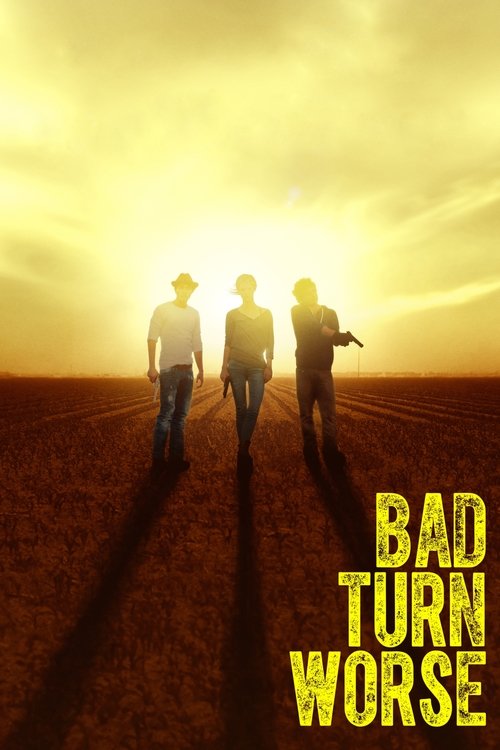
Bad Turn Worse
2014Three teenage friends get in way over their head when they cross a down-home crime syndicate. They hope to make a break for it and escape their dead-end existence in a cotton-mill town but get sucked into the seedy underbelly of organized crime when one of them steals from the wrong man.
White thrives in this neo noir as a character trapped by circumstance and poor choices. He navigates the film's spiral into violence with a frantic, animalistic energy that would later become a hallmark of his most celebrated television work.
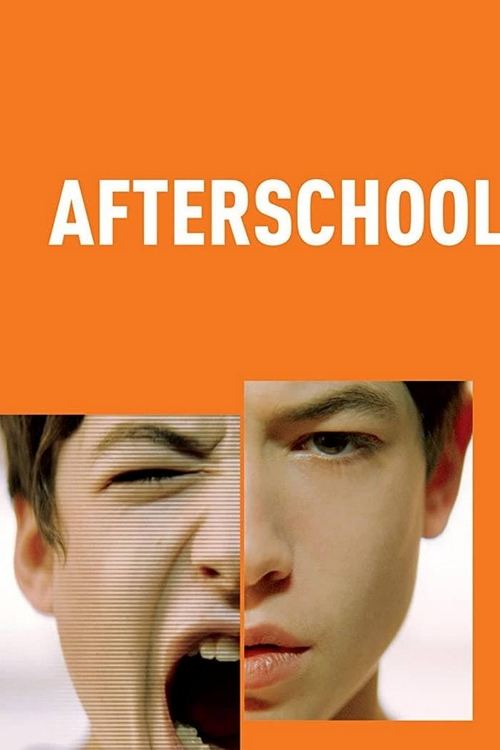
Afterschool
2009A prep-school student accidentally films the drug-related deaths of two classmates, then is asked to put together a memorial video.
In this chilling debut, White provides a glimpse into his nascent talent for depicting cold, observational detachment. It is a sterile and provocative arrival that established his comfort with difficult, avant garde material right from the start.

Fingernails
2023Anna and Ryan have found true love together. It's been proven by a controversial test. There's just one problem: Anna still isn't sure. Then she meets Amir.
White portrays the mundane dregs of a dying relationship with a haunting, muted fatigue. His performance in this surrealist satire is a masterclass in portraying the quiet tragedy of a man losing his grip on a fabricated version of love.
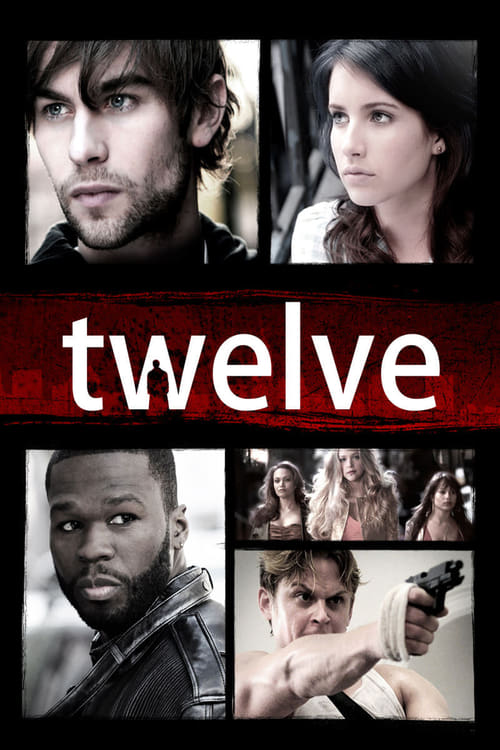
Twelve
2010A young drug dealer watches as his high-rolling life is dismantled in the wake of his cousin's murder, which sees his best friend arrested for the crime.
As a wealthy adrift youth, White offers a sharp portrait of privilege curdled into apathy. This early role serves as a blueprint for his career long exploration of troubled, complex young men operating on the fringes of polite society.

The Rental
2020Two couples on an oceanside getaway grow suspicious that the host of their seemingly perfect rental house may be spying on them. Before long, what should have been a celebratory weekend trip turns into something far more sinister.
This foray into psychological horror allows White to lean into a defensive, reactionary style of acting. He effectively weaponizes his intensity to heighten the film's claustrophobic tension, making him a central pillar of the story's mounting unease.
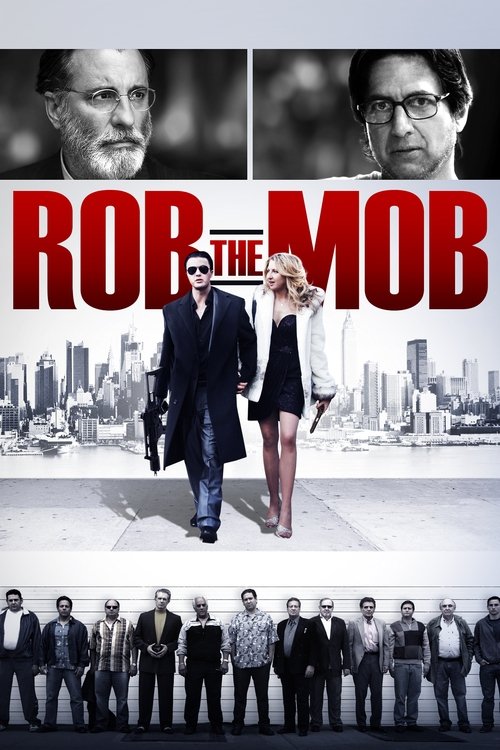
Rob the Mob
2014The true-life story of a crazy-in-love Queens couple who robbed a series of mafia social clubs and got away with it… for a while… until they stumble upon a score bigger than they ever planned and become targets of both the mob and the FBI.
Playing a low level hood, White taps into a twitchy, lived in authenticity that highlights his natural affinity for street level crime sagas. He manages to stand out in a crowded ensemble by injecting a specific brand of blue collar desperation into every frame.
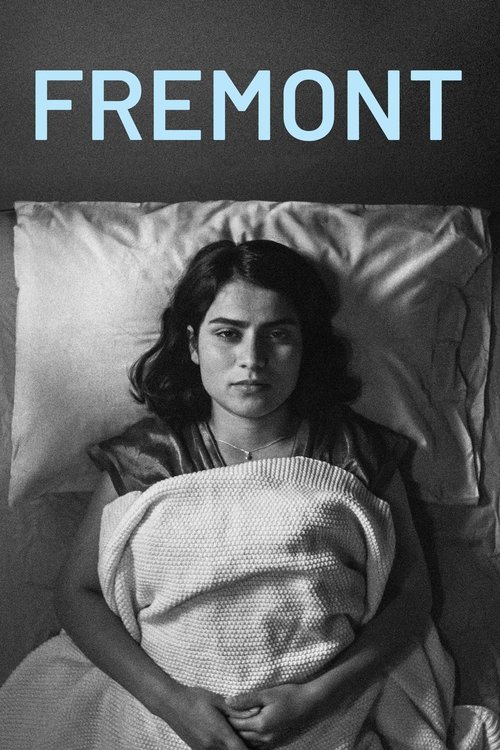
Fremont
2023Donya, a lonely Afghan refugee and former translator, spends her twenties drifting through a meager existence in Fremont, California. Shuttling between her job writing fortunes for a fortune cookie factory and sessions with her eccentric therapist, Donya suffers from insomnia and survivor's guilt over those still left behind in Kabul as she desperately searches for love.
White utilizes a minimalist, understated technique that perfectly complements the film's deadpan aesthetic. His brief but impactful presence demonstrates a mastery of the 'less is more' school of acting, providing a soulful counterpoint to the protagonist's journey.
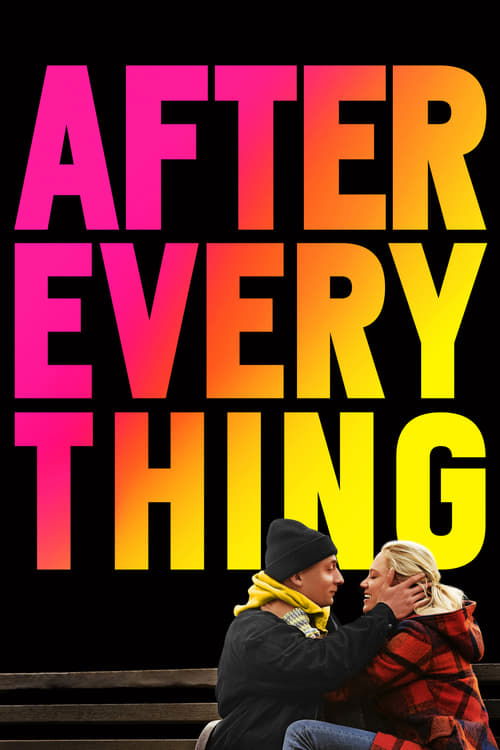
After Everything
2018When Elliot, a brash 23-year-old living carefree in New York City, meets the sensible Mia and receives a damning diagnosis all in the same week, his world is turned completely upside down. But as their love blossoms amidst the chaos of his treatment, they discover that Elliot's illness is not the real test of their relationship – it's everything else.
In this acerbic indie drama, White balances prickly cynicism with the frantic energy of a man facing his own mortality. It serves as an essential bridge in his filmography, showcasing a romantic lead capability that remains grounded in his signature grit.
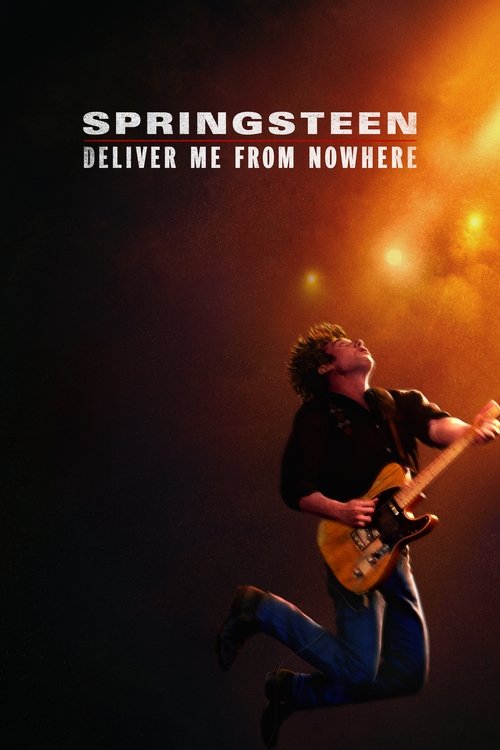
Springsteen: Deliver Me from Nowhere
2025Bruce Springsteen, a young musician on the cusp of global superstardom, struggles to reconcile the pressures of success with the ghosts of his past.
Stepping into the boots of The Boss during his Nebraska era represents a pivotal shift into prestige biopic territory. This performance demands a raw, acoustic vulnerability that tests White’s ability to channel an American icon’s creative isolation.
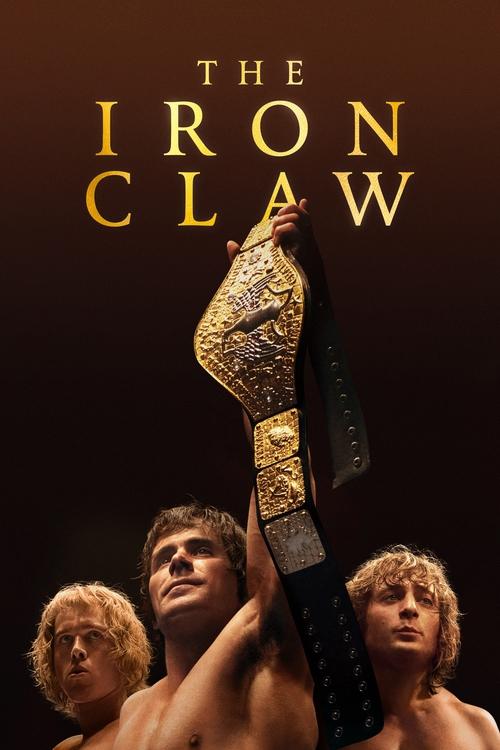
The Iron Claw
2023The true story of the inseparable Von Erich brothers, who made history in the intensely competitive world of professional wrestling in the early 1980s. Through tragedy and triumph, under the shadow of their domineering father and coach, the brothers seek larger-than-life immortality on the biggest stage in sports.
White undergoes a startling physical transmutation to capture the quiet, bruising stoicism of Kerry Von Erich. This role anchors the film's tragic weight, proving he can command a high stakes sports epic through simmering internal conflict rather than just dialogue.
Frequently Asked Questions
Everything you need to know about this list and SnakeDrafts
- Jeremy Allen White's best films span across a range of genres including drama, thriller, romance, and even horror. This versatility showcases his ability to adapt and deliver compelling performances in various cinematic styles, from intense character studies like 'The Iron Claw' to thought-provoking sci-fi romance in 'Fingernails.'
- Jeremy Allen White stars in the historical drama 'The Iron Claw' (2023), directed by Sean Durkin. The film delves into the intricate personal and emotional layers of its characters, underscoring White's skill in portraying complex, real-life inspired roles.
- White excels in emotionally charged and romantic narratives as seen in movies like 'After Everything' and 'Fingernails.' His performances bring depth and authenticity to relationships, capturing both vulnerability and resilience in these genres.
- Yes, Jeremy Allen White stars in the musical drama 'Springsteen: Deliver Me from Nowhere' (2025), which combines elements of music and personal struggle. His portrayal adds a soulful intensity that complements the film’s exploration of artistic expression and hardship.
- White has tackled darker themes in films such as 'The Rental' (2020), a horror-thriller, and 'Bad Turn Worse' (2014), which blends thriller and crime drama elements. These roles highlight his capability to convey tension, fear, and suspense convincingly.
- Jeremy Allen White often embodies characters marked by a blend of blue-collar melancholy, introspection, and layered emotional complexity. He is particularly noted for his portrayal of stressed, nuanced individuals facing intense personal challenges, which resonates across films like 'Rob the Mob' and 'Afterschool.'
- White's roles in ensemble casts, such as in 'Rob the Mob', demonstrate his ability to hold his own among diverse characters while contributing significantly to the film’s narrative depth. His performances often add critical emotional weight and authenticity to the group dynamic.
- In 'Twelve' (2010), White explores themes of youth, crime, and ambition, showcasing his talent for portraying the tumultuous experiences of young adults. The film blends thriller and drama genres, allowing him to delve into complex, youthful emotional landscapes.