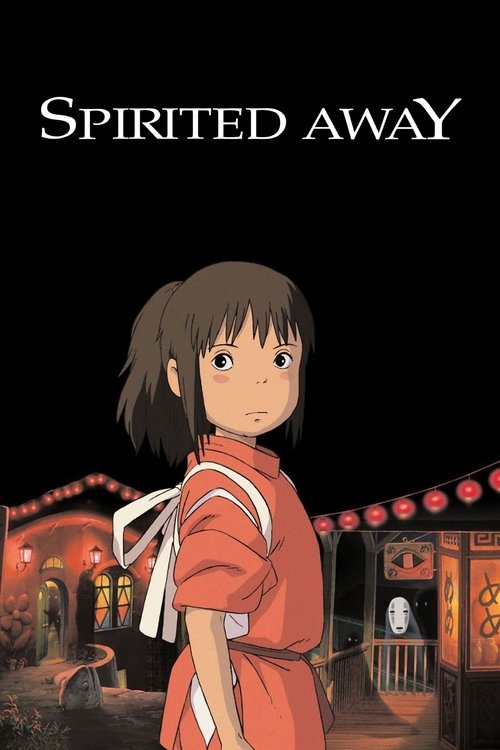
Spirited Away
Journey into the enchanting and visually stunning world of Studio Ghibli's “Spirited Away,” a masterpiece that redefines animated storytelling. Follow Chihiro on an extraordinary adventure through a spirit realm, encountering ancient gods, mischievous spirits, and powerful sorcerers. This Academy Award-winning film is a breathtaking exploration of courage, identity, and environmental themes, captivating audiences of all ages with its intricate animation and profound narrative.
Director
Release Year
2001
Runtime
125 minutes
Genres
Animation, Family, Fantasy
Main Cast
Rumi Hiiragi, Miyu Irino, Mari Natsuki, Takashi Naito, Yasuko Sawaguchi
About Spirited Away
Directed by the legendary Hayao Miyazaki, “Spirited Away” (2001) is a seminal work in animated cinema, renowned for its breathtaking artistry and profound narrative depth. The film tells the story of ten-year-old Chihiro who, while moving to a new suburban home, wanders into an abandoned amusement park that serves as a gateway to the spirit world. After her parents are transformed into pigs by the sorceress Yubaba, Chihiro must take a job at Yubaba's bathhouse, a resort for spirits, gods, and supernatural beings, to find a way to free herself and her parents.
Upon its release, “Spirited Away” garnered universal critical acclaim, praised for its imaginative storytelling, complex characters, and stunning hand-drawn animation. Critics lauded Miyazaki's ability to weave a fantastical tapestry that explored themes of Japanese Shinto-Buddhist folklore, environmentalism, and the transition from childhood to adolescence. The film's unique blend of whimsy and underlying menace, coupled with its richly detailed world-building, resonated deeply with audiences worldwide.
“Spirited Away” achieved significant commercial success and cemented Studio Ghibli’s reputation on the global stage. It notably won the Academy Award for Best Animated Feature in 2003, making it the first and only hand-drawn, non-English-language film to win the award. Its victory marked a pivotal moment for animated films, demonstrating the artistic and narrative potential beyond traditional Western animation.
The legacy of “Spirited Away” continues to influence filmmakers and animators, inspiring countless works across various media. Its cultural impact extends beyond cinema, with its characters and themes becoming iconic symbols of Japanese animation. The film is frequently cited as one of the greatest animated movies ever made, a timeless tale that continues to enchant new generations with its powerful message of resilience and self-discovery amidst a world of spirits and magic.
Drafts Featuring Spirited Away
Every SnakeDrafts listicle where this movie appears
Similar Movies
Movies related to Spirited Away
Princess Mononoke
1997
Howl's Moving Castle
2004
My Neighbor Totoro
1988
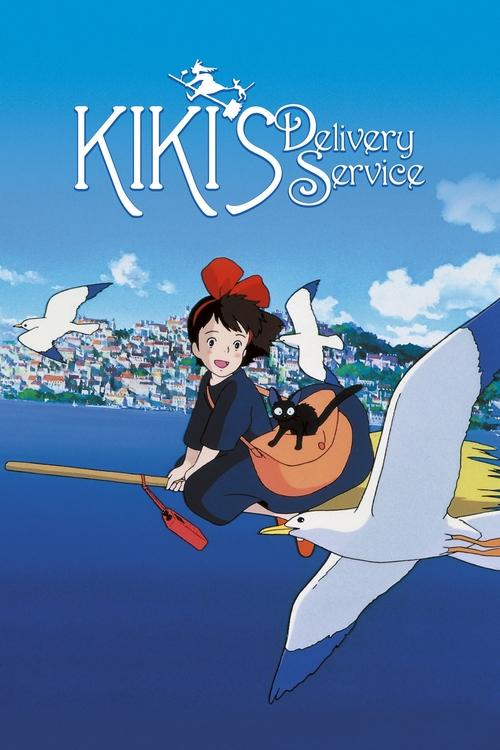
Kiki's Delivery Service
1989
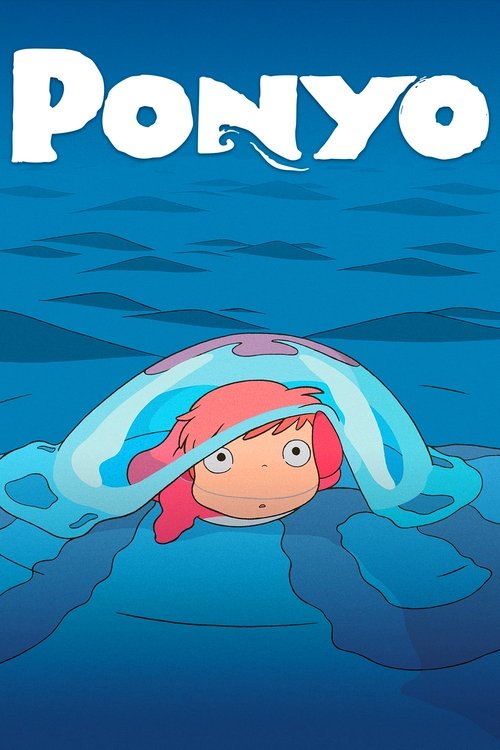
Ponyo
2008
Frequently Asked Questions
Everything you need to know about Spirited Away
- The bathhouse in “Spirited Away” serves as a central metaphor for Japanese society and the working world. It represents a place where spirits, much like people, come to cleanse and rejuvenate, but also where Chihiro experiences exploitation and the loss of identity under Yubaba's strict rules, reflecting the often harsh realities of adulthood and labor.
- The diverse array of spirits and creatures in “Spirited Away” are deeply rooted in Japanese folklore and mythology, often symbolizing various aspects of nature, human emotions, or societal roles. For example, the Radish Spirit embodies purity and gentle strength, while the Stink Spirit (River Spirit) highlights environmental pollution and the sacredness of nature, emphasizing the film's ecological themes.
- When Yubaba takes away part of Chihiro's name, leaving her with
- Chihiro's journey in “Spirited Away” is a powerful exploration of identity and self-discovery. Stripped of her name and forced to adapt to a foreign world, she gradually sheds her fearful, dependent nature. Through her selfless acts and growing courage, she learns to trust her instincts and overcome adversity, ultimately reclaiming her identity and finding her inner strength.
- Haku's true identity as the spirit of the Kohaku River is deeply significant, highlighting the film's environmental themes and the power of memory. His connection to Chihiro is established even before their current encounter, as he saved her from drowning in his river as a child. This past connection underscores themes of interconnectedness, fate, and the enduring bond between humans and nature.
- No-Face is a complex character in “Spirited Away” symbolizing loneliness, consumerism, and the corrupting influence of greed. Initially shy and observant, he absorbs the negative traits of the bathhouse's employees, growing monstrous and destructive. Chihiro's steadfast kindness and refusal of his material offerings ultimately help him purify himself, demonstrating the redemptive power of compassion over materialism.
- “Spirited Away” subtly critiques modern society's impact on the environment through various elements. The Stink Spirit, initially a polluted river god, directly illustrates the damaging effects of human waste. Additionally, Haku's story as a river spirit whose river was paved over serves as a poignant reminder of the destruction of natural habitats and the forgotten spirits of the land, urging viewers to consider their relationship with nature.

