The Definitive Ranking of Glenn Howerton Movies
The Crucial Performances of a Modern Character Actor
Explore the best film performances by Glenn Howerton, from the intense corporate drama of BlackBerry to his signature dark comedic roles.
About Glenn Howerton

For years, Glenn Howerton occupied a very specific, very dangerous corner of our collective consciousness as Dennis Reynolds, the self-proclaimed Golden God of Philadelphia. It is a performance of such terrifying, narcissistic precision that it almost threatened to swallow his career whole. We watched him peel back the layers of a modern sociopath for nearly two decades, finding the comedy in the pitch black as he navigated the depravity of Always Sunny. But to categorize him as merely a purveyor of sitcom cruelty misses the surgical talent at work. He possesses a Julliard-trained rigor that suggests a man who takes the business of being ridiculous very, very seriously.
That intensity found its perfect outlet in 2023 with BlackBerry, a performance that felt like a formal announcement of a new chapter. As Jim Balsillie, he didn't just play a high-stakes executive; he became a human blowtorch. He stripped away the vanity and presented a man fueled by a terrifying, singular ambition, proving that his gift for playing high-functioning monsters translates beautifully to prestige drama. It was the kind of transformative turn that forced people to stop seeing the sitcom lead and start seeing a formidable character actor capable of carrying a legacy.
His early filmography reflects a performer willing to fill whatever space was needed, often injecting a needed jolt of adrenaline into the frame. Whether he was providing a moment of levity in the high-octane chaos of Crank or meeting the quiet emotional demands of Two Weeks, he always felt like he was holding something back, a secret energy waiting for the right moment to explode. Even in brief turns like the ill-fated house guest in The Strangers, there is an innate intelligence to his presence. He never plays down to the material. In The Hunt, he leaned into that signature arrogance to highlight the film's satirical bite, while his work in Fool's Paradise showed a willingness to get weird within a sprawling ensemble.
Audiences connect with him because there is a palpable sense of control in everything he does. Even when he is playing a character on the verge of a nervous breakdown, you can feel the deliberate choices behind every twitch and vocal inflection. We saw this most clearly when he took the stage for The Nightman Cometh Live, blending theatrical grandiosity with the manic energy of a man lost in his own fiction. He understands the architecture of a joke as well as he understands the mechanics of a threat.
Working through indie comedies like Coffee Town or more grounded dramas like Everything Must Go, he has quietly built a resume defined by versatility rather than vanity. He is one of the few actors who can pivot from the suburban warmth of Must Love Dogs to the holiday cynicism of A Very Sunny Christmas without losing his edge. He is the ultimate wildcard, a performer who has spent years perfecting the art of the controlled burn. As he continues to distance himself from the toxic charisma of his most famous television role, it is becoming clear that we haven't even seen the full extent of his range yet. He isn't just a comedic force anymore; he is a craftsman who has finally earned the right to burn the house down.

Must Love Dogs
2005Sarah Nolan is a newly divorced woman cautiously rediscovering romance with the enthusiastic but often misguided help of her well-meaning family. As she braves a series of hilarious disastrous mismatches and first dates, Sarah begins to trust her own instincts again and learns that, no matter what, it's never a good idea to give up on love.
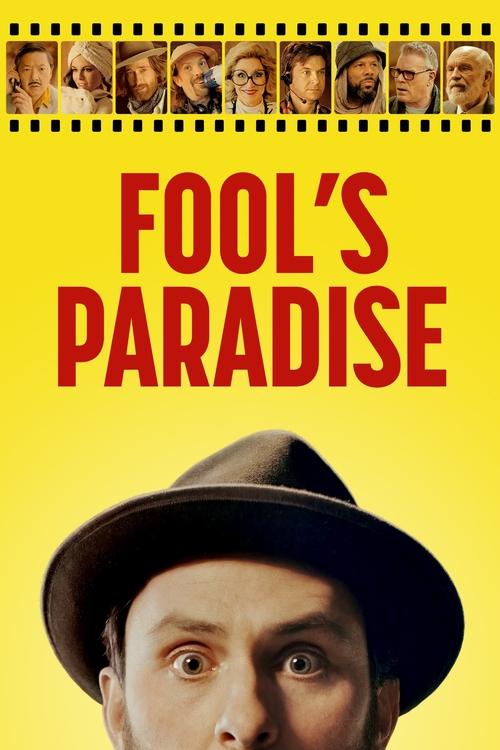
Fool's Paradise
2023A down-on-his-luck publicist discovers a recently released mental health patient who looks just like a misbehaving movie star. The publicist subs him into a film, creating a new star. But fame and fortune are not all they are cracked up to be.
Howerton leans into the industry’s caricatures with a stylized performance that highlights his prowess in satirizing Hollywood’s internal mechanics. Even in a crowded satirical landscape, his specific comic timing cuts through the noise to provide some of the film’s most biting critiques.

Two Weeks
2006In this bittersweet comedy, four adult siblings gather at their dying mother's house in North Carolina for what they expect to be a quick, last goodbye. Instead, they find themselves trapped — together — for two weeks.
Participating in this ensemble meditation on grief, Howerton explores a softer, more vulnerable register than his fans might expect. His performance contributes to the film’s domestic intimacy, marking an important early experiment in his career with sincere, dramatic pathos.
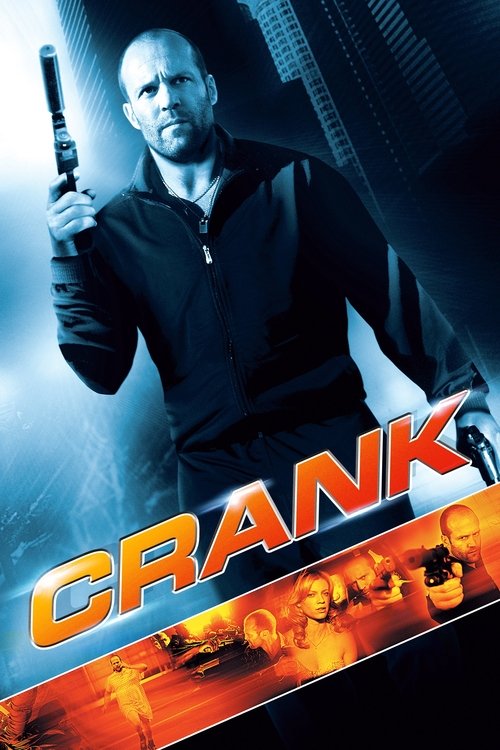
Crank
2006Chev Chelios, a hit man wanting to go straight, lets his latest target slip away. Then he awakes the next morning to a phone call that informs him he has been poisoned and has only an hour to live unless he keeps adrenaline coursing through his body while he searches for an antidote.
Bursting with the same chaotic friction that defines the film’s aesthetic, Howerton’s minor turn as a doctor is a masterclass in frantic, high-stakes exposition. He matches the production’s frenetic pulse, proving no role is too small for his idiosyncratic brand of urgency.
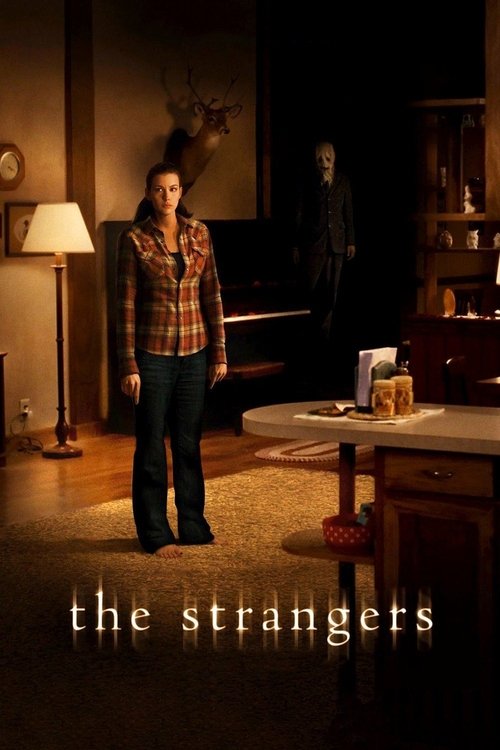
The Strangers
2008After a 4 a.m. knock at the door and haunting voices, Kristen McKay and James Hoyt’s remote getaway becomes a psychological night of terror as three masked strangers invade. Now they must go far beyond what they thought themselves capable of if they hope to survive.
His brief appearance in this horror staple remains a fascinating footnote, showcasing his ability to inhabit a traditional genre space before his comedic brand became synonymous with his face. He provides a crucial moment of tragic levity that underscores the film’s relentless nihilism.
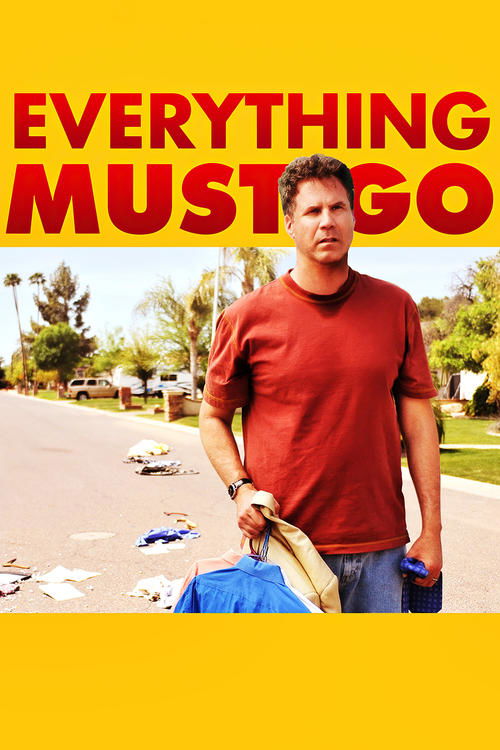
Everything Must Go
2011When an alcoholic relapses, causing him to lose his wife and his job, he holds a yard sale on his front lawn in an attempt to start over. A new neighbor might be the key to his return to form.
In this melancholic drama, Howerton demonstrates a surprising range by playing against his usual high-octane persona to portray a straight-laced antagonist. His role functions as a cold, sobering mirror to Will Ferrell’s mid-life collapse, highlighting his effectiveness in quiet, judgmental roles.
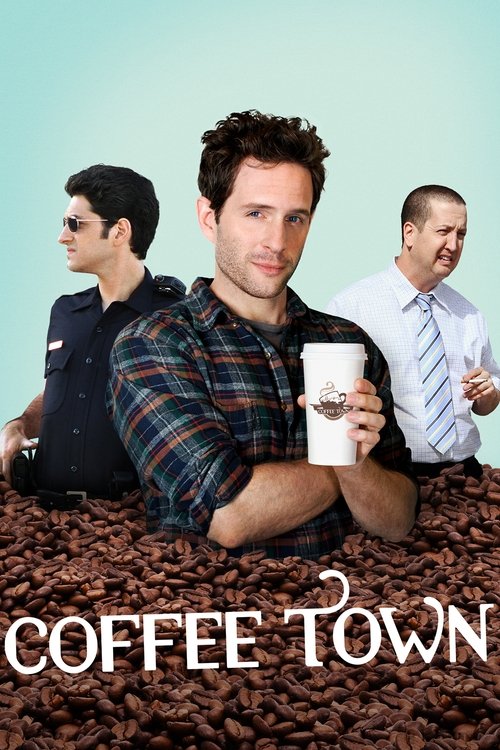
Coffee Town
2013Will is a 30-something website manager who uses local café, Coffee Town, as his office. When the owners of the shop discuss plans to convert Coffee Town into a bar, Will enlists the help of his two best friends Chad and Gino to save his freeloading existence. In order to thwart the plans of Coffee Town's owners, the trio stages a robbery to create the illusion of an unsafe neighborhood not suitable for the proposed venue. Also standing in their way is Sam, a disgruntled barista with delusions of grandeur and Will's heartache over unrequited love for Becca.
Howerton pivots to a more grounded, cubicle-bound frustration here, proving he can carry a lead role without relying on his signature manic energy. It is a rare glimpse into his capacity for understated, everyman relatability within the confines of a workplace farce.
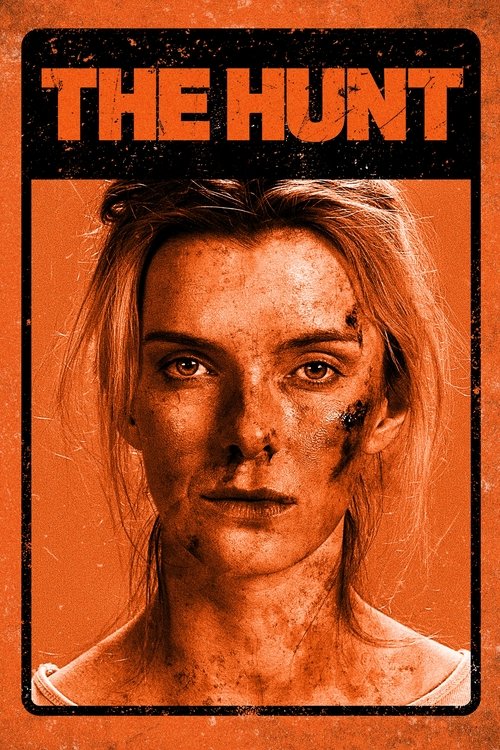
The Hunt
2020Twelve strangers wake up in a clearing. They don't know where they are—or how they got there. In the shadow of a dark internet conspiracy theory, ruthless elitists gather at a remote location to hunt humans for sport. But their master plan is about to be derailed when one of the hunted turns the tables on her pursuers.
Operating within a tight ensemble, Howerton utilizes his brief screen time to embody a specific brand of elitist smarm that serves as the film’s ideological engine. His presence provides a sharp, satirical edge that validates the movie’s cynical perspective on class warfare.
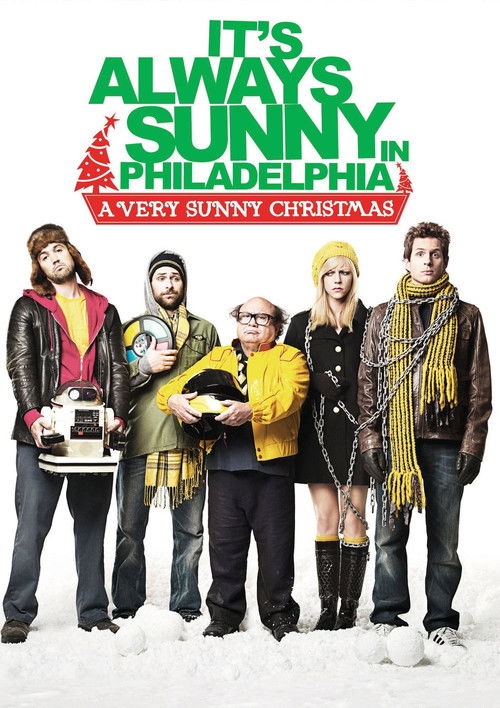
A Very Sunny Christmas
2009Dennis and Dee decide to teach Frank a lesson "A Christmas Carol"-style, and Mac and Charlie learn some shocking things about their childhood Christmas traditions.
This holiday special serves as a grotesque showcase for Howerton’s ability to portray psychological unraveling amidst festive cheer. His depiction of childhood trauma masked by sociopathic entitlement remains a foundational brick in his career-long exploration of the unhinged American male.
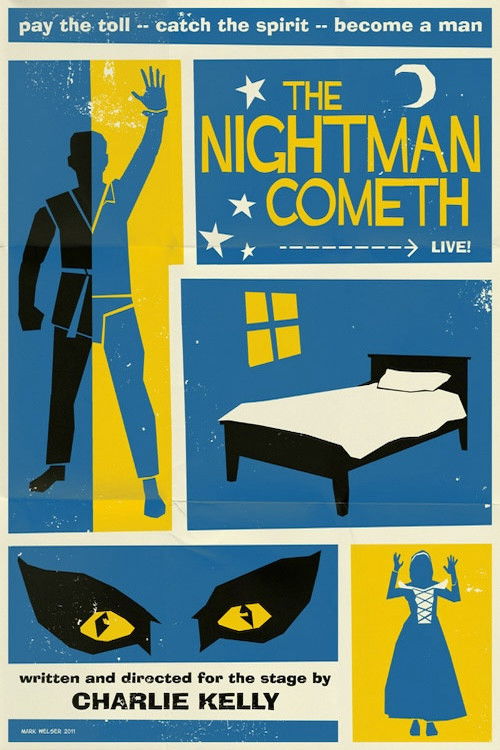
The Nightman Cometh: Live
2009The Nightman Cometh, the fictional rock opera from It's Always Sunny in Philadelphia, is brought to life at The Troubadour nightclub in April 2009, written by broadway star Charlie Kelly.
While ostensibly a musical comedy, this live performance captures Howerton's gift for physical commitment and melodic precision under the glare of a theater spotlight. He navigates the absurdity of the Dayman persona with a Shakespearean intensity that elevates the source material into a cult masterwork.
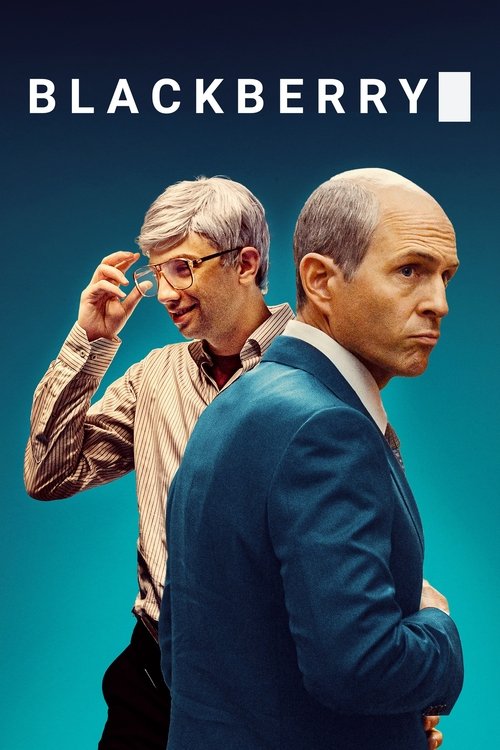
BlackBerry
2023Two mismatched entrepreneurs – egghead innovator Mike Lazaridis and cut-throat businessman Jim Balsillie – joined forces in an endeavour that was to become a worldwide hit in little more than a decade. The story of the meteoric rise and catastrophic demise of the world's first smartphone.
Howerton weaponizes a terrifying, hairline-triggered volatility as Jim Balsillie, shedding every ounce of sitcom vanity to anchor this corporate tragedy. It is the definitive proof of his dramatic potency, transforming executive arrogance into a high-wire act of pure cinematic adrenaline.
Frequently Asked Questions
Everything you need to know about this list and SnakeDrafts
- In "BlackBerry," Glenn Howerton skillfully combines comedy and historical drama, portraying complex characters in a story rooted in real events, highlighting his versatility beyond pure comedy.
- "The Nightman Cometh: Live" captures Howerton's musical and comedic talents in a unique live setting, emphasizing his ability to engage audiences with both humor and performance art distinct from his film roles.
- Both "The Hunt" and "The Strangers" explore dark thriller and horror elements, showcasing Howerton's range in intense, suspenseful narratives that contrast with his lighter comedic work.
- "Coffee Town" highlights Howerton's knack for situational comedy and relatable humor, presenting him in a laid-back, witty character role that aligns with his signature comedic timing.
- In "Everything Must Go," Howerton navigates a blend of comedy and drama, portraying a nuanced character facing personal challenges while injecting humor, demonstrating his skill in balancing emotional depth with levity.
- "A Very Sunny Christmas" extends Howerton's iconic role from the TV series into a festive TV movie, allowing fans to enjoy his signature dark comedic character in a holiday-themed narrative.
- In "Crank," Howerton steps into a high-octane action and thriller realm, diverging from his typical comedy and showcasing his ability to adapt to fast-paced, intense films.