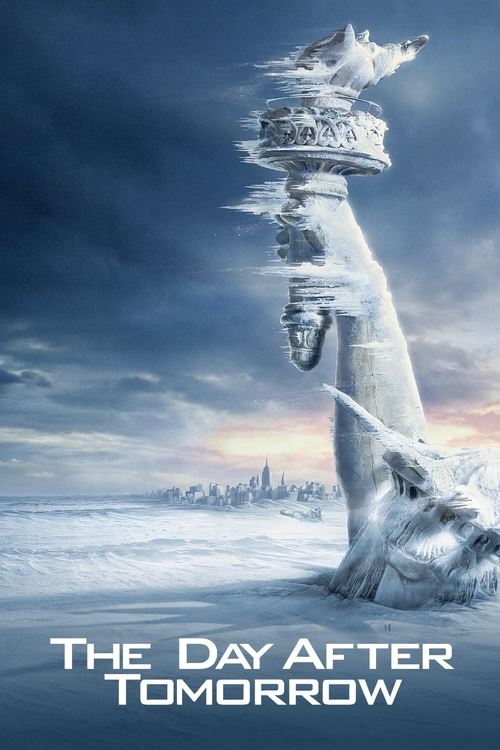
The Day After Tomorrow
The Day After Tomorrow is a thrilling disaster film that explores the devastating effects of abrupt climate change through the lens of a gripping survival story. Combining intense action sequences with a compelling environmental message, it keeps audiences on the edge of their seats while provoking thought about humanity’s impact on the planet.
Director
Roland Emmerich
Release Year
2004
Runtime
123 minutes
Genres
Science Fiction, Thriller, Adventure
Main Cast
Dennis Quaid, Jake Gyllenhaal, Emmy Rossum, Dash Mihok, Jay O. Sanders
About The Day After Tomorrow
The Day After Tomorrow became a cultural touchstone for public awareness of climate change, sparking conversations about global warming and environmental responsibility at a time when the topic was gaining prominence. Its depiction of extreme weather events and a new Ice Age scenario resonated deeply amid increasing scientific debates.
The film’s plot centers on paleoclimatologist Jack Hall, who warns global leaders about an impending climate catastrophe that triggers a sudden and catastrophic new Ice Age. The narrative follows Jack’s desperate efforts to reach his stranded son, Sam, in a frozen New York City, weaving a tense survival thriller with emotional family drama.
Critically, the movie garnered mixed to positive reviews, praised for its visual effects and engaging story but sometimes critiqued for scientific inaccuracies. Despite this, it achieved commercial success and left a lasting legacy as one of the most memorable climate disaster films, influencing later environmental storytelling in cinema.
The Day After Tomorrow was recognized for its technical achievements, including visual effects that vividly portrayed natural disasters with a sense of scale and realism. Its impact extended beyond entertainment, contributing to public discourse on climate change and inspiring further films to address environmental themes.
Overall, The Day After Tomorrow stands as a significant entry in the disaster genre, combining thrilling adventure with a timely and urgent message about the planet’s fragility and the importance of scientific vigilance.
Drafts Featuring The Day After Tomorrow
Every SnakeDrafts listicle where this movie appears
Similar Movies
Movies related to The Day After Tomorrow


Frequently Asked Questions
Everything you need to know about The Day After Tomorrow
- Jack Hall is driven by his dedication to science and his concern for the planet's future. As a paleoclimatologist, he recognizes patterns in climate data predicting abrupt changes, and his motivation intensifies as he realizes the catastrophic consequences that could affect humanity.
- Sam and his friends face extreme cold, infrastructure collapse, and scarce resources while trapped in a freezing New York City. Their struggle highlights human resilience and the urgent need for cooperation and quick thinking in life-threatening conditions.
- The film explores themes of environmental responsibility, the impact of climate change, human survival against natural disasters, and the importance of family bonds in crisis situations. It also touches on the tension between scientific warnings and political inaction.
- While The Day After Tomorrow effectively raises awareness about climate change, it takes creative liberties and exaggerates scientific facts for dramatic effect. The rapid onset of an Ice Age and superstorms are amplified scenarios not supported by consensus scientific models.
- The ending emphasizes hope and human resilience despite overwhelming disaster. It shows that through determination, family unity, and cooperation, survival is possible even in dire circumstances, underscoring the film's broader message of vigilance and care for the environment.
- One memorable quote is Jack Hall’s line: 'When the world catches a cold, we catch pneumonia.' This metaphor encapsulates the film's warning about global interconnectedness and the severe consequences of ignoring environmental changes.
- The film heightened public interest and concern about climate change by visualizing its impact dramatically. It spurred discussions about environmental policy and inspired further media and educational projects focused on climate awareness.
- Storms and natural disasters function as catalysts for the plot, representing nature's extreme response to climate imbalance. They create tension and danger, driving characters' actions and illustrating the destructive power of unchecked environmental change.
- Yes, some scientists and critics debated the film's exaggerated portrayal of climate events, worrying it might misinform viewers. However, the filmmakers acknowledged these liberties were made to enhance the dramatic and cinematic experience.

