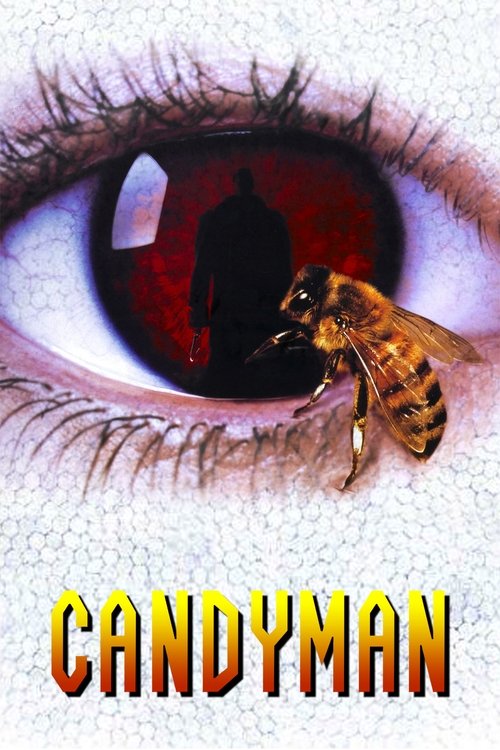
Candyman
In the heart of urban legend, a skeptical academic unwittingly unleashes a terrifying supernatural entity. Candyman (1992) is a chilling exploration of fear, race, and systemic violence, blending gruesome horror with insightful social commentary to create a truly unforgettable cinematic experience.
About Candyman
Bernard Rose's 1992 film "Candyman" transcends the typical horror fare, offering a sophisticated and unsettling look into the enduring power of myth and the scars of history. Drawing heavily from Clive Barker's short story "The Forbidden," the movie recontextualizes the Victorian-era tale into a modern-day American setting, specifically the Cabrini-Green housing projects of Chicago. This move grounds the fantastical elements in a harsh, social realism, elevating the film beyond simple jump scares to a poignant examination of racial injustice and economic disparity.
At its core, "Candyman" explores the devastating legacy of slavery and racial violence. The titular character, masterfully portrayed by Tony Todd, is not merely a slasher villain but a tragic figure, a Black artist brutally murdered in the 19th century who returns as an urban legend, fueled by the belief and fear of those who invoke his name. This cyclical nature of trauma and the way stories are passed down through generations forms the thematic backbone of the film, resonating deeply with audiences and critics alike.
The film's critical reception was largely positive, with many praising its intelligent screenplay, atmospheric direction, and the powerful performances, particularly Tony Todd's iconic turn as the Candyman. His portrayal is both menacing and sympathetic, creating a villain who is terrifying yet strangely compelling. Virginia Madsen, as the protagonist Helen Lyle, delivers a nuanced performance, portraying a woman grappling with disbelief, terror, and ultimately, a disturbing connection to the very legend she seeks to debunk.
"Candyman" has left an indelible mark on the horror genre and popular culture. Its unique blend of supernatural terror with profound social commentary has cemented its status as a horror classic. The film's exploration of systemic societal issues, combined with its genuinely frightening imagery and memorable score, ensures its continued relevance. It's a film that not only frightens but also provokes thought, inviting viewers to confront uncomfortable truths about history and the stories we choose to believe.
Drafts Featuring Candyman
Every SnakeDrafts listicle where this movie appears
Similar Movies
Movies related to Candyman
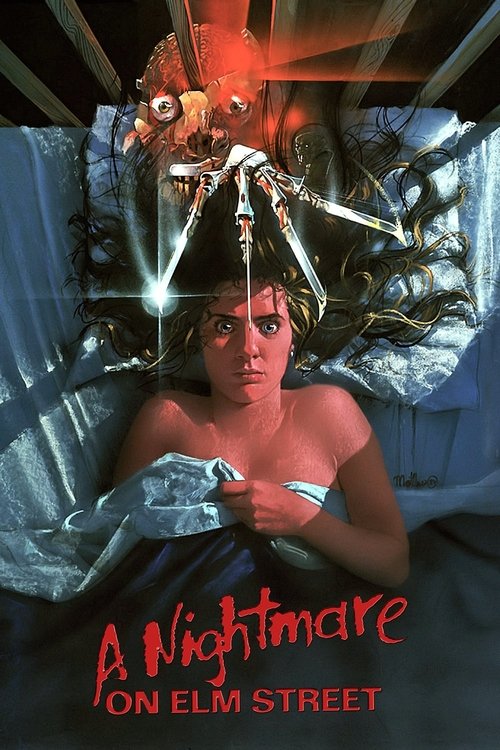
A Nightmare on Elm Street
1984
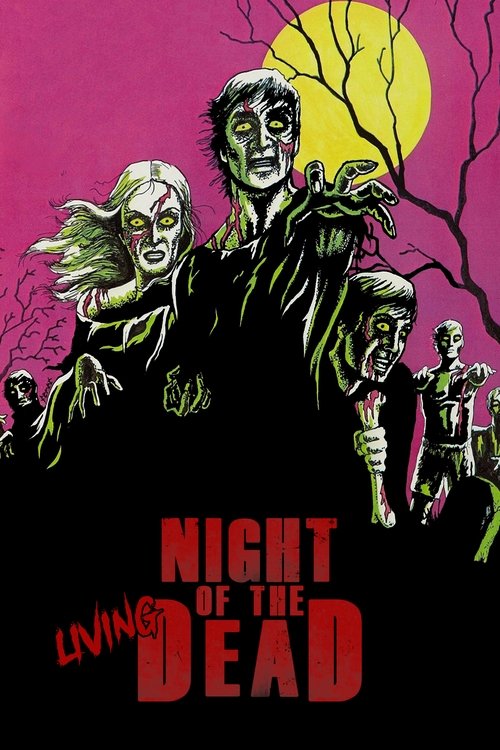
Night of the Living Dead
1968
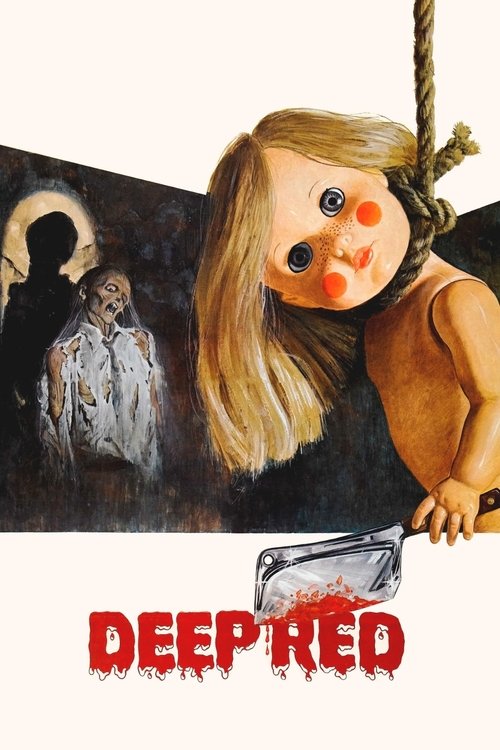
Deep Red
1975
Taxi Driver
1976
Jacob's Ladder
1990
Frequently Asked Questions
Everything you need to know about Candyman
- The Candyman was originally Daniel Robitaille, a talented Black artist in the late 19th century who fell in love with a white woman, the daughter of a wealthy landowner. For this forbidden romance, he was brutally murdered by a lynch mob, who cut off his hand and replaced it with a hook, then smeared him with honey and left him to be stung to death by bees. This horrific origin fuels his vengeful spirit.
- Candyman is drawn to those who perpetuate his legend by uttering his name five times, or those who embody the societal injustices that created him. His ultimate goal appears to be to solidify his existence and terror through fear and belief, ensuring that his tragic story and the pain it represents are never forgotten, often by making others into figures of his legend.
- The bees and honey are central to Candyman's origin and his terrifying presence. They symbolize the agonizing circumstances of his death, where he was covered in honey and stung to death. In his supernatural form, the bees remain intertwined with him, acting as an extension of his power and a constant reminder of his torment.
- Helen, as a skeptical researcher, initially seeks to debunk the Candyman myth, but her investigations inadvertently give power to the legend. Her own personal struggles and anxieties, along with the systemic issues she uncovers, create a vulnerability that Candyman exploits, ultimately drawing her into his tragic narrative and forcing her to confront her own complicity in society's overlooking of such horrors.
- The ending suggests that urban legends, particularly those born from profound trauma and injustice, are not merely fiction but living entities sustained by belief and fear. Helen's transformation into a vengeful spirit mirrors Candyman's own origin, implying that when such stories are forgotten or dismissed, new figures will rise to ensure the collective memory of past atrocities endures, albeit in a terrifying form.

