The Essential Jodie Comer Movies Ranked
Essential Performances from the Versatile Screen Star
Discover Jodie Comer's most powerful performances. From historical dramas to high-octane action, these are the must-watch films of her career.
About Jodie Comer

In the landscape of modern screen acting, few performers possess the ability to shift their cellular makeup as effortlessly as Jodie Comer. To watch her is to witness a masterclass in atmospheric pressure; she doesn't just enter a scene, she rewires the air around her. While many of her contemporaries lean on a reliable persona, this Liverpudlian powerhouse operates like a ghost in the machine, disappearing into accents and postures so completely that her real self remains a tantalizing mystery. This chameleonic quality has turned her into a rare commodity: a prestige actor who commands the screen with the lethal precision of a sniper.
Her ascent arguably found its moral center in The Last Duel, where she held the emotional weight of a medieval epic against a backdrop of toxic masculinity. As Marguerite de Carrouges, she navigated three distinct perspectives of the same trauma, subtly altering her performance to reflect how others perceived her while anchoring the film's ultimate truth. It was a performance of immense stillness and vibrating internal life, proving she could anchor a big-budget Ridley Scott production without losing an ounce of her indie grit. That same year, she pivoted toward the neon absurdity of Free Guy, demonstrating a knack for comedic timing and blockbuster charisma that felt entirely fresh, yet grounded.
What sets her apart from the Hollywood pack is a refusal to stay in one lane. She seems driven by a hunger for visceral, often punishing challenges. This was never more evident than in her stage debut with the filmed production of Prima Facie. Taking on the role of a defense solicitor whose world collapses after a sexual assault, she delivered a high-wire act of physical and emotional endurance. The performance was so raw and technically demanding that it solidified her reputation as the preeminent actor of her generation. Audiences connect with her because there is no safety net in her work; she invites us to watch her bleed, metaphorically and sometimes literally, for the sake of the narrative.
In the harrowing television film Help, she traded the glamour of international espionage for the claustrophobic, heartbreaking reality of a care home during the initial wave of the pandemic. It was a reminder that her greatest strength is an unflinching empathy. Whether she is adopting the thick, Midwestern drawl of a 1960s motorcycle club affiliate in The Bikeriders or preparing to navigate the apocalyptic stakes of 28 Years Later, she approaches every frame with a specific, jagged intelligence. She finds the sharp edges in every character, refusing to play anyone as a simple archetype.
As she moves into the next phase of her career, the industry views her less as a rising star and more as a definitive force. She has managed to bypass the usual traps of celebrity, focusing instead on a body of work that feels curated yet fearless. There is a sense that we are only just beginning to see the limits of her range, if such limits even exist. When you see her name on a marquee, you aren't just going to see a movie; you are going to see a transformation that will likely haunt you long after the house lights come up.

England Is Mine
2017A portrait of Steven Patrick Morrissey and his early life in 1970s Manchester before he went on to become lead singer of seminal 1980s band The Smiths.
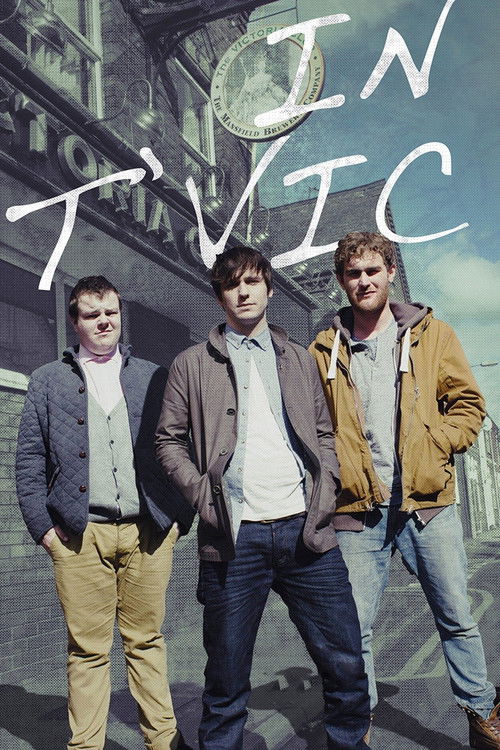
In T'Vic
2013A young man's hopes of leaving the confines of his small town are thwarted when he comes face to face with his imprisoned father's past.
Comer anchors this gritty kitchen sink drama with a raw, unvarnished vulnerability that hints at the chameleonic precision she would later master. Her portrayal of Holliday is a masterclass in subtlety, trading showy theatrics for a quiet, simmering internal conflict. This early role stands as a foundational blueprint for her career, proving she could command the screen with nothing more than a piercing gaze and a bruised sense of grace.
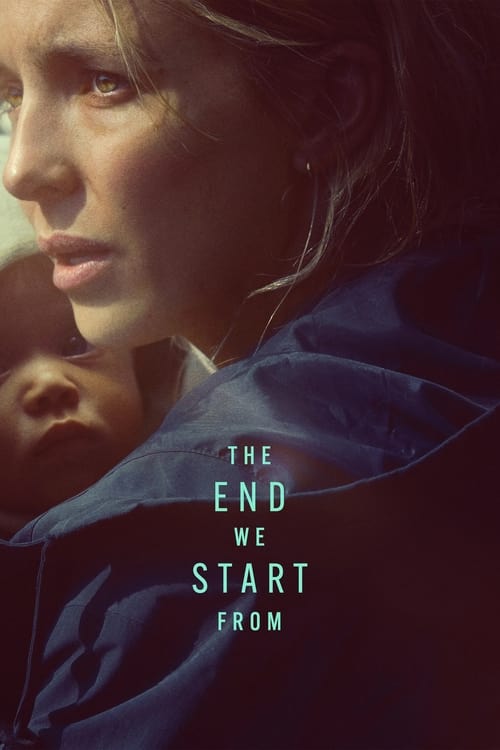
The End We Start From
2023As London is submerged below floodwaters, a woman gives birth to her first child. Days later, she and her baby are forced to leave their home in search of safety. They head north through a newly dangerous country seeking refuge from place to place.
Jodie Comer strips away the hyper-articulated theatricality of her past work to deliver a performance of raw, animalistic survival. It marks a pivotal shift into minimalist screen naturalism as she navigates every frame with a grueling, visceral physicality. She anchors the environmental collapse through quiet, wide-eyed exhaustion rather than grand dramatic gestures.

The surviving Resistance faces the First Order once again as the journey of Rey, Finn and Poe Dameron continues. With the power and knowledge of generations behind them, the final battle begins.
Comer brings an ethereal, desperate gravity to Rey’s mother, making a fleeting cameo feel like a vital piece of the franchise ancestral puzzle. While brief, the role marked her definitive leap from television breakout to big screen blockbuster staple. She manages to telegraph a lifetime of protective terror with little more than a frantic glance.
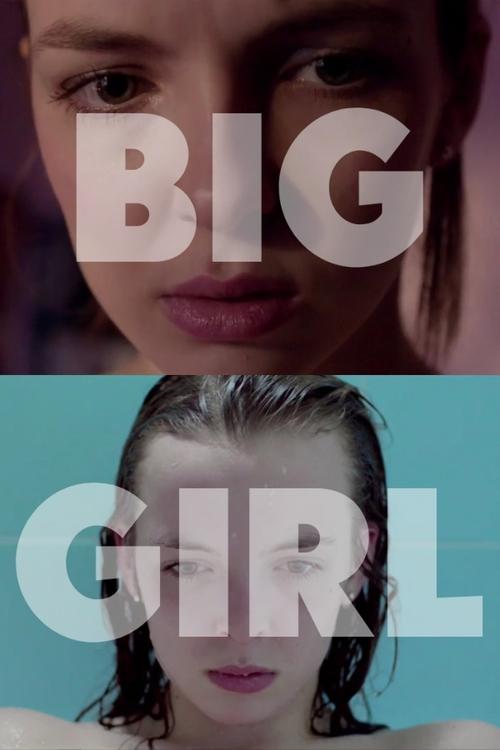
Big Girl
2013Gemma and Hannah used to be best mates. On the eve of her Mum's wedding, Gemma escapes the pre-nuptials to reconnect with her old friend. However, Hannah is returning to Sierra Leone the next morning and won't say why.
Comer anchors this early short with a raw, prickly vulnerability that hints at the chameleonic brilliance she would later weaponize in projects like Killing Eve. Even as a teenager, she displays a razor sharp command over the subtle shifts between teenage bravado and domestic despair. It is the definitive foundational moment where her ability to communicate complex internal wreckage through a single look first crystallized.
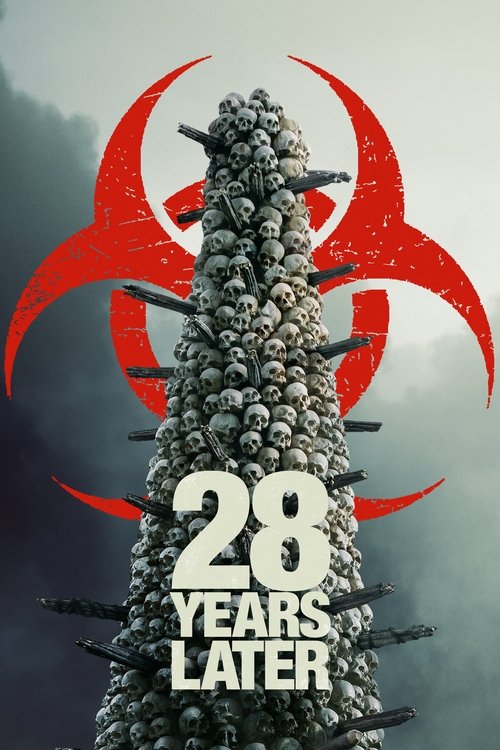
28 Years Later
2025Twenty-eight years after the Rage virus outbreak, Britain remains sealed off from the world. A fortified island community survives in isolation—until a young boy’s journey to the mainland reveals how both the infected and the survivors have evolved.
Stepping into the vanguard of high-concept horror, Comer is tasked with bringing psychological weight to a franchise defined by its frantic pacing. Her involvement signals a sophisticated evolution for the series, suggesting a shift toward character-driven dread that relies on her proven ability to channel survivalist instinct.
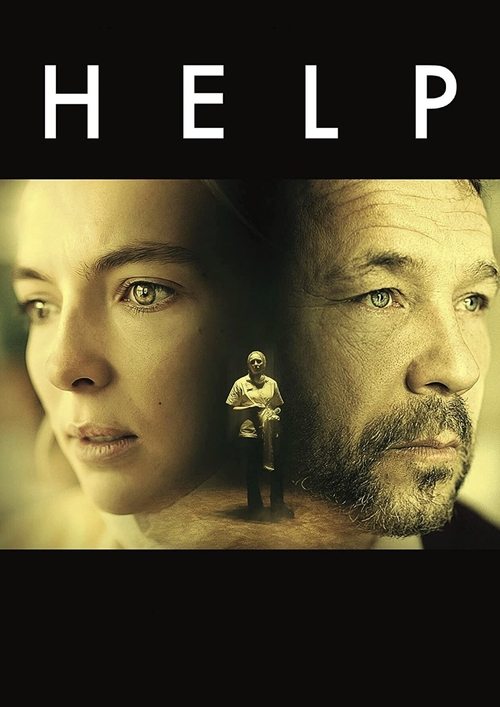
Help
2021Sarah seems to have found her calling working in a Liverpool care home where she has a special talent for connecting with the residents. Then, in March 2020, the Coronavirus pandemic hits.
This harrowing dive into the healthcare crisis strips away all artifice, leaving Comer to carry a claustrophobic vulnerability that is often difficult to watch yet impossible to ignore. It is a pivotal, raw showcase of her empathy as a performer, cementing her status as a vital voice in contemporary social realism.
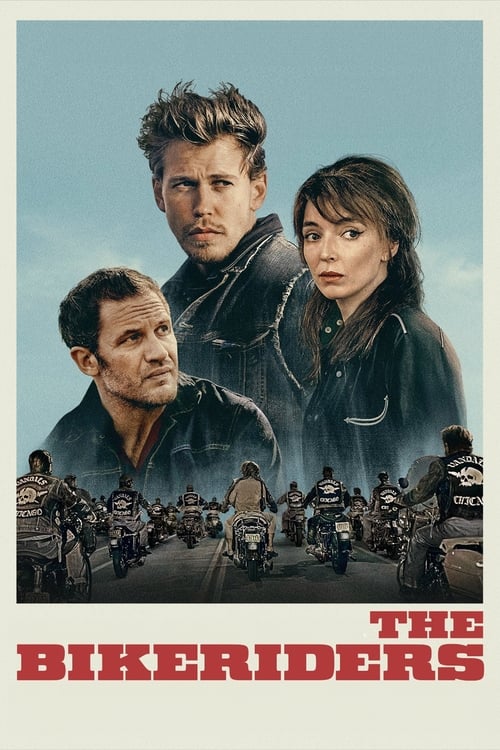
The Bikeriders
2024After a chance encounter, headstrong Kathy is drawn to Benny, member of Midwestern motorcycle club the Vandals. As the club transforms into a dangerous underworld of violence, Benny must choose between Kathy and his loyalty to the club.
Adopting a sharp Midwestern clip, Comer serves as the gritty, observational heart of this subculture study, effectively stealing focus from a heavy-hitting ensemble. Her work here highlights an uncanny ability to inhabit period specificities while anchoring the film’s romanticized chaos in a relatable, sharp-tongued reality.
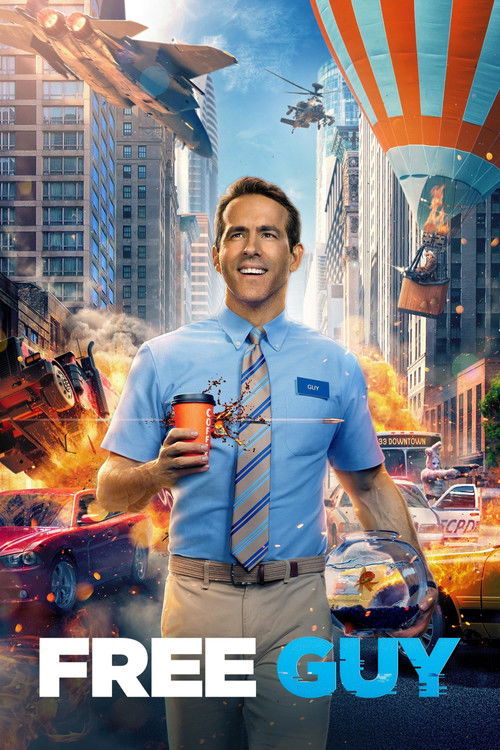
Free Guy
2021A bank teller discovers he is actually a background player in an open-world video game, and decides to become the hero of his own story. Now, in a world where there are no limits, he is determined to be the guy who saves his world his way before it's too late.
Effortlessly oscillating between a cynical high-tech whistleblower and a vibrant digital avatar, Comer injects a soulful human core into an otherwise kinetic blockbuster. This dual-role success serves as her formal introduction to global franchise cinema, proving she can elevate popcorn fare with genuine charm and intellectual wit.
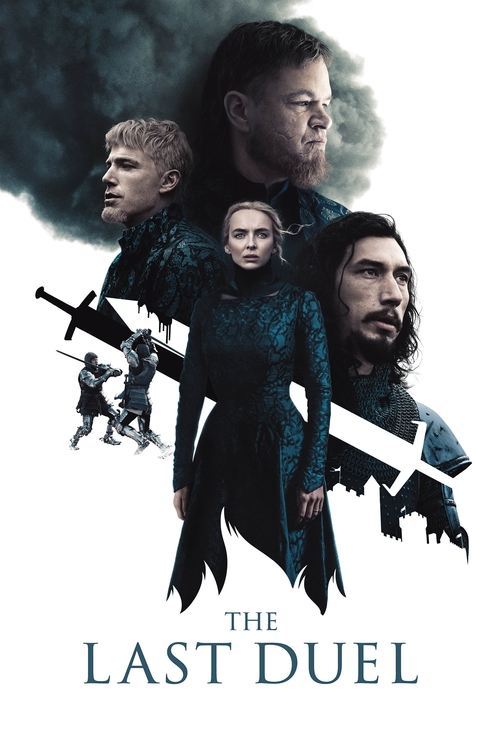
The Last Duel
2021King Charles VI declares that Knight Jean de Carrouges settle his dispute with his squire, Jacques Le Gris, by challenging him to a duel.
In a narrative constructed of fractured perspectives, Comer provides the essential moral gravity by grounding the film’s medieval brutality in a silent, searing dignity. She expertly navigates the nuances of Ridley Scott’s triptych structure, ensuring her character remains the only undeniable truth in a sea of masculine ego.
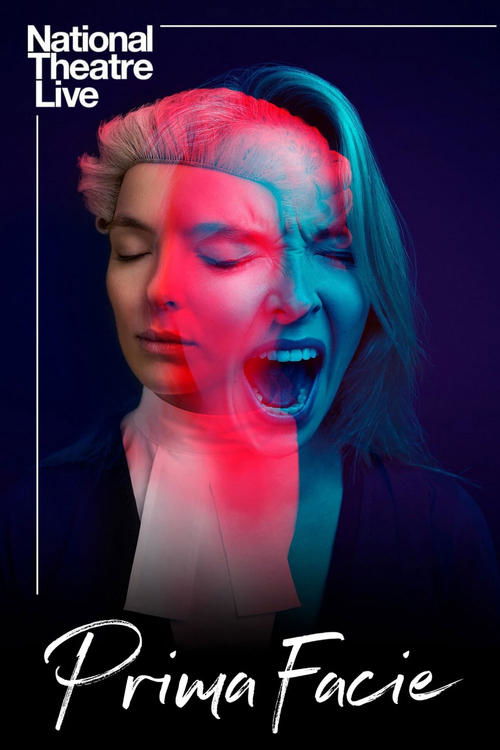
National Theatre Live: Prima Facie
2022Tessa is a young, brilliant barrister. From working class origins, she has reached the top of her game. An unexpected event forces her to confront the lines where the patriarchal power of the law, burden of proof and morals diverge.
Comer commands the stage with a seismic intensity that redefines her ceiling as a performer, dismantling legal artifice through sheer vocal and physical endurance. This tour de force stands as the definitive proof of her technical mastery, marking her transition from a television star to a generational theatrical powerhouse.
Frequently Asked Questions
Everything you need to know about this list and SnakeDrafts
- Jodie Comer demonstrates remarkable versatility across genres like historical drama in 'The Last Duel,' science fiction in 'Free Guy,' and crime drama in 'The Bikeriders.' This range reflects her ability to adapt to diverse storytelling styles and character demands.
- 'National Theatre Live: Prima Facie' highlights Jodie Comer's powerful theatrical presence, blending drama with crime themes. Her intense portrayal captivates audiences by focusing on raw emotional depth and nuanced character development.
- 'The Last Duel' is a pivotal film that showcases Comer's capacity to embody complex historical characters, combining action with profound dramatic elements. Her performance here contributes to a gripping narrative about justice and power.
- Jodie Comer's filmography spans themes from survival and resilience in the dystopian thriller '28 Years Later' to the whimsical yet action-packed world of 'Free Guy.' This thematic diversity highlights her dynamic ability to connect with varied audiences.
- Starting with 'Big Girl,' a drama focusing on intimate storytelling, Jodie Comer has evolved into leading roles in high-profile films blending drama, science fiction, and action. This evolution marks her growth into a globally recognized acting powerhouse.
- In 'Star Wars: The Rise of Skywalker,' Jodie Comer contributes to the iconic franchise with her evocative performance amidst a high-octane adventure setting. Although not the central figure, her role adds depth to the expansive narrative universe.
- 'Help' and 'The End We Start From' exemplify Jodie Comer’s skill in navigating intense emotional landscapes. These dramas emphasize themes of empathy, survival, and human connection, showcasing her dramatic range.