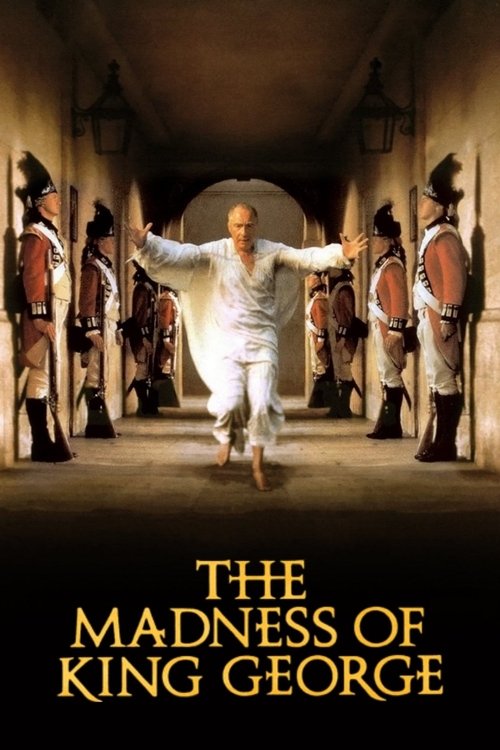
The Madness of King George
Step back into the opulent, yet tumultuous, world of 18th-century British royalty with "The Madness of King George." This critically acclaimed historical drama offers a captivating and often humorous look at power, mental illness, and the fight for control within the monarchy, all while delivering a powerful emotional punch.
Director
Nicholas Hytner
Release Year
1994
Runtime
107 minutes
Main Cast
Nigel Hawthorne, Helen Mirren, Ian Holm, Anthony Calf, Amanda Donohoe
About The Madness of King George
Nicholas Hytner's "The Madness of King George" (1994) masterfully brings Alan Bennett's acclaimed play "The Madness of George III" to the big screen, exploring a pivotal moment in British history. The film delves into the true story of King George III's descent into mental instability and the ensuing political turmoil, offering a fascinating glimpse into the primitive understanding and treatment of mental illness during this period. Beyond its historical accuracy, the movie garnered significant cultural impact, earning critical adoration for its sharp script and stellar performances.
The narrative centers on King George III, brilliantly portrayed by Nigel Hawthorne, as he grapples with a mysterious ailment that manifests as erratic behavior and fits of delusion. While his bewildered doctors employ bizarre and often torturous remedies, the court becomes a hotbed of political intrigue. Queen Charlotte, played with poignant grace by Helen Mirren, and Prime Minister William Pitt the Younger strive to protect the King's authority from the opportunistic Prince of Wales and his Whig allies, who see an opportunity to seize power.
Critically, the film was a resounding success, praised for its intelligent storytelling, lavish production design, and exceptional acting ensemble. Nigel Hawthorne's nuanced performance as the ailing monarch earned him an Academy Award nomination for Best Actor, while the film itself received three other nominations, ultimately winning for Best Art Direction. Its blend of historical drama, biting wit, and genuine human pathos resonated deeply with audiences and critics alike.
The legacy of "The Madness of King George" endures as a compelling character study and a vivid historical portrait. It not only sheds light on the personal struggles of a powerful figure but also examines the delicate balance of power within a constitutional monarchy. The film remains a benchmark for historical dramas, showcasing how meticulously crafted performances and a compelling narrative can bring history vibrantly to life, offering both entertainment and insightful commentary on the human condition.
Drafts Featuring The Madness of King George
Every SnakeDrafts listicle where this movie appears
Similar Movies
Movies related to The Madness of King George
Frequently Asked Questions
Everything you need to know about The Madness of King George
- While the film portrays the mysterious nature of King George III's illness, historical consensus now points towards porphyria, a genetic blood disorder, as the likely cause of his symptoms. The movie accurately reflects the lack of understanding surrounding his condition at the time, leading to various ineffective and often cruel treatments.
- The film beautifully illustrates the deep affection and loyalty between King George III and Queen Charlotte. Despite the King's erratic behavior, the Queen remains steadfast in her support, enduring personal hardship and political pressure to protect her husband and the monarchy. Their bond serves as a central emotional anchor in the story.
- Dr. Willis introduces a more psychological, albeit still harsh, approach to treating the King, emphasizing routine, discipline, and moral persuasion rather than purely physical remedies. His methods, though controversial, represent a nascent shift towards understanding mental illness as something that could be managed, offering a stark contrast to the earlier, more barbaric treatments.
- Despite the gravity of the King's illness and the political stakes, the film deftly incorporates comedic elements, particularly through the absurd medical practices and the bumbling nature of some court figures. This humor serves to highlight the human fallibility surrounding the crisis and makes the heavy subject matter more accessible and engaging for the audience, often drawing from Alan Bennett's original witty script.
- The film intricately details the power struggle between the Whig and Tory factions of Parliament, specifically concerning the potential regency of the Prince of Wales. With the King incapacitated, the question of who would wield executive power becomes paramount, showcasing the delicate balance of constitutional monarchy and the ambition of political figures eager to exploit a crisis.

