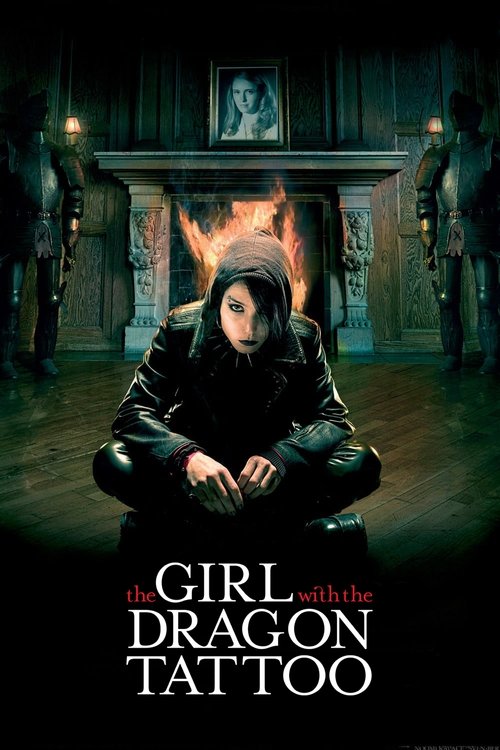
The Girl with the Dragon Tattoo
The Girl with the Dragon Tattoo (2009) is a gripping Swedish thriller that immerses viewers in a dark mystery revolving around a disgraced journalist and a brilliant hacker. This intense drama unravels a decades-old disappearance, blending suspense with deep social and psychological themes.
About The Girl with the Dragon Tattoo
The Girl with the Dragon Tattoo made a significant cultural impact upon its release, bringing international attention to Scandinavian crime fiction and its distinctive storytelling style. It highlighted societal issues such as corruption, misogyny, and the abuse of power, resonating deeply beyond its crime thriller roots.
The plot centers on Mikael Blomkvist, a journalist recovering from a professionally damaging libel case, who is enlisted by Henrik Vanger to solve the cold case of his missing niece. Parallel to Blomkvist's investigation is Lisbeth Salander, a fiercely independent but troubled hacker whose skills are crucial in uncovering the mystery. The film unfolds with meticulous pacing and character development, avoiding spoilers but promising a complex and dark thriller experience.
Critically acclaimed for its atmospheric tension and strong performances, especially by Noomi Rapace as Lisbeth Salander, the film received praise for its faithfulness to Stieg Larsson's novel. It won several Swedish Guldbagge Awards and established itself as a major entry in the Nordic noir genre. Its success paved the way for international adaptations and sequels.
Beyond awards, the film's legacy includes its profound influence on Nordic noir's global popularity, inspiring numerous adaptations and discussions about gender and justice. The Girl with the Dragon Tattoo remains a standout thriller that balances mystery with social critique, maintaining relevance with audiences worldwide.
Drafts Featuring The Girl with the Dragon Tattoo
Every SnakeDrafts listicle where this movie appears
Similar Movies
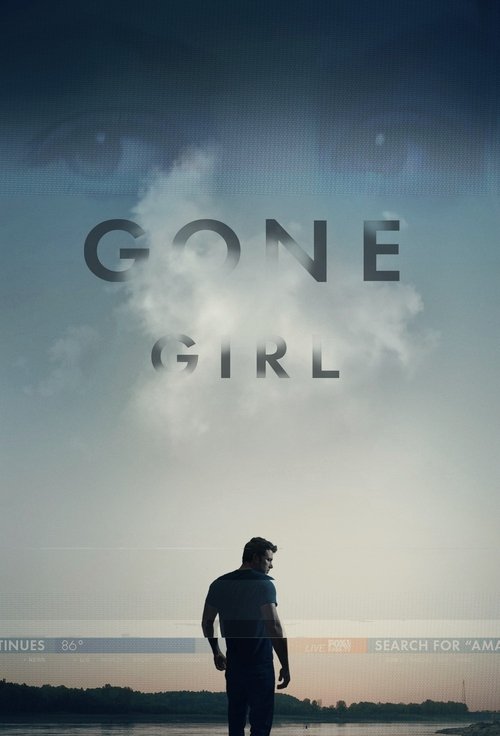
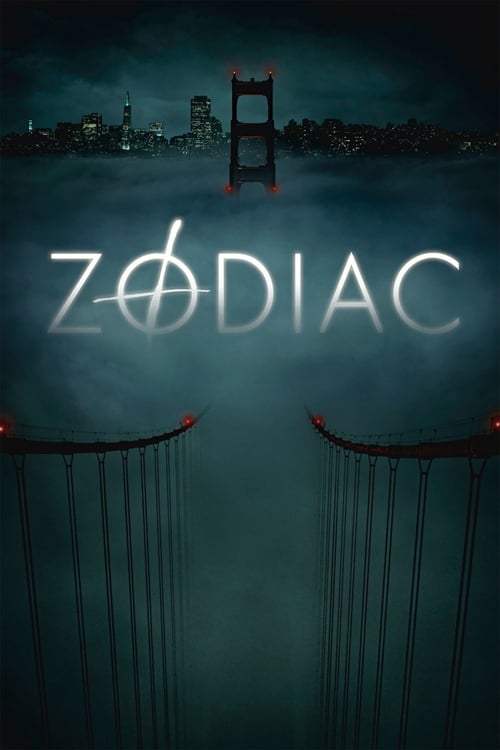
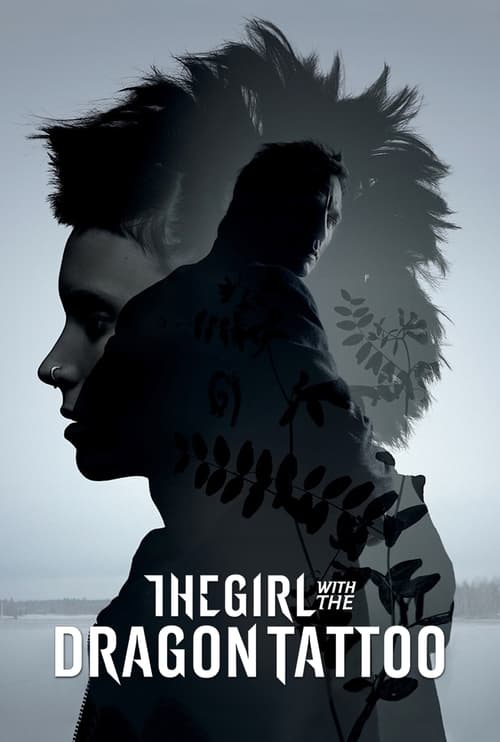
Movies related to The Girl with the Dragon Tattoo

Frequently Asked Questions
Everything you need to know about The Girl with the Dragon Tattoo
- Lisbeth Salander is driven by a combination of her traumatic past and her strong sense of justice. Her motivations stem from a desire to expose corruption and protect herself and others from exploitation.
- Blomkvist's recent libel case loss leaves him professionally vulnerable, but it also fuels his determination to seek truth and redemption. His investigative journalism skills and personal integrity shape his methodical approach to the mystery.
- The Vanger family is central to the plot, as the disappearance of Henrik Vanger's niece ties directly to the family's dark and secretive history. Their wealth and influence add layers of complexity to the investigation.
- Corruption is depicted at multiple levels, from powerful industrialists manipulating the truth to systemic societal abuses. The film uses this theme to critique unchecked power and the consequences of silence.
- Lisbeth’s dragon tattoo symbolizes her fierce independence, strength, and resilience. It represents her ability to defend herself against threats and her identity as an outsider challenging societal norms.
- Technology, especially through Lisbeth’s hacking skills, is crucial for uncovering hidden information and exposing corruption. It demonstrates both the power and risks of digital tools in modern investigations.
- The film's tone is dark, moody, and atmospheric, with an emphasis on moral ambiguity and complex characters, all hallmarks of Nordic noir. It portrays bleak landscapes and psychological depth to enhance the suspense.
- Rapace’s portrayal was lauded for its intensity, nuance, and authenticity, capturing Lisbeth’s vulnerability and fierce independence without glamorization. Her performance brought depth to a complex anti-heroine.
- One notable quote is Lisbeth's stark declaration, “I am a blank slate,” reflecting her complex identity and emotional state. Such dialogue underscores the film’s themes of self-discovery and resilience.
- While praised for its fidelity to the novel, some critics pointed to the film’s graphic content as controversial. However, it sparked important discussions about representation of violence and gender in cinema.

