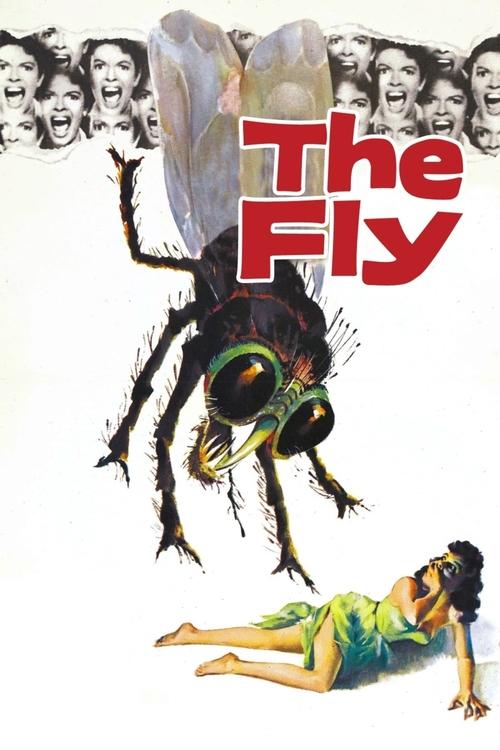
The Fly
In this chilling 1958 sci-fi horror classic, a brilliant scientist's groundbreaking experiment goes terrifyingly awry, leading to a grotesque transformation. "The Fly" masterfully blends scientific ambition with shocking body horror, leaving an indelible mark on cinematic history.
About The Fly
Kurt Neumann's 1958 film "The Fly" is a foundational work in the science fiction horror genre, etching itself into the collective consciousness with its unforgettable premise of a man fused with an insect. Beyond its immediate shock value, the film resonates due to its exploration of scientific hubris and the devastating consequences of unchecked ambition. It tapped into Cold War anxieties about technological progress and the unknown, presenting a cautionary tale that remains potent.
The narrative centers on André Delambre, a dedicated scientist who invents a revolutionary matter-transference device. His ill-fated self-experiment to prove its efficacy leads to a horrifying accident when a fly enters the teleportation chamber with him. The subsequent genetic exchange results in a monstrous hybrid, a creature of tragic horror rather than pure evil, as André's human consciousness struggles within his new, grotesque form.
Upon its release, "The Fly" was a commercial success and garnered significant critical attention for its innovative special effects and suspenseful storytelling, particularly for its era. While perhaps not initially lauded as high art, its enduring popularity and influence on subsequent horror and science fiction films underscore its cultural importance. The film's blend of drama, scientific curiosity, and shocking transformation scenes cemented its place as a genre touchstone.
The legacy of "The Fly" is undeniable, inspiring a hugely successful remake in 1986 by David Cronenberg, which amplified the body horror elements for a new generation. The original film's simple yet terrifying premise, coupled with its themes of identity, humanity, and the dangers of playing God, continues to captivate audiences and inspire filmmakers, demonstrating its lasting impact on the genre.
Drafts Featuring The Fly
Every SnakeDrafts listicle where this movie appears
Similar Movies
Movies related to The Fly
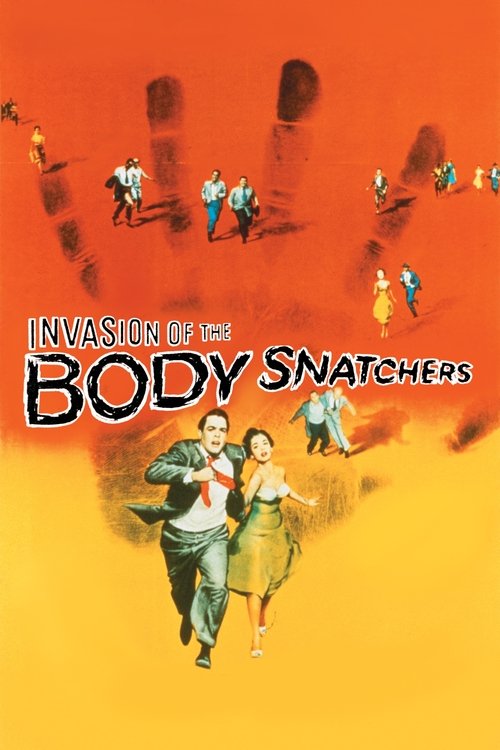
Invasion of the Body Snatchers
1956
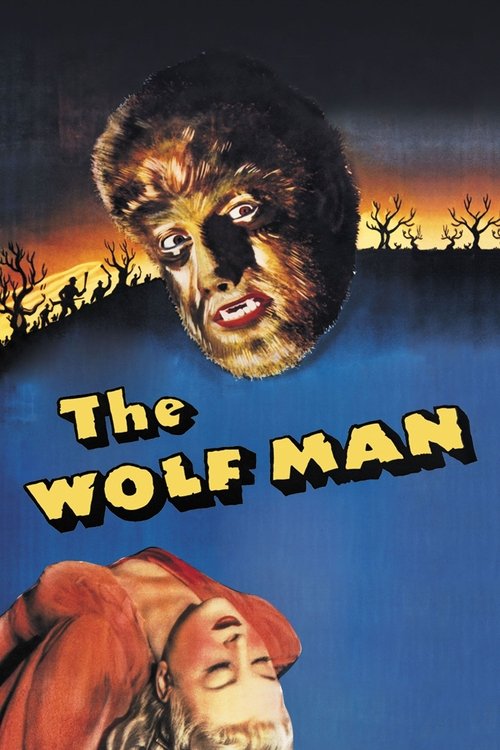
The Wolf Man
1941
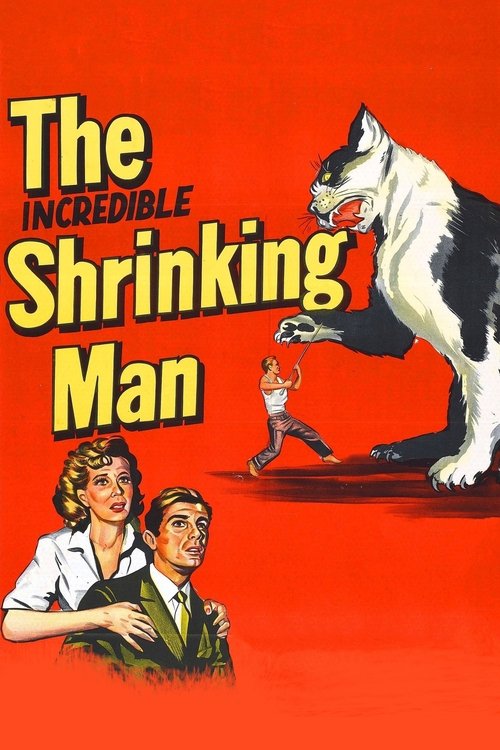
The Incredible Shrinking Man
1957
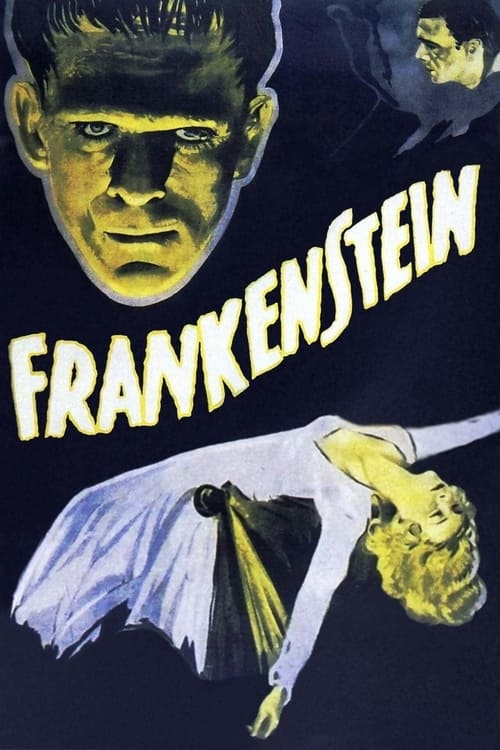
Frankenstein
1931
Frequently Asked Questions
Everything you need to know about The Fly
- The central invention is a matter-transference device, capable of teleporting objects and living beings. The malfunction occurs when a common housefly enters the disintegration-reintegration chamber simultaneously with scientist André Delambre, leading to a genetic amalgamation of the two beings.
- After his transformation, André, in his fly-human hybrid form, primarily communicates through written notes and by buzzing. He desperately seeks to find the fly with his human head, believing that reversing the process is their only hope of restoring him.
- The ending scene is iconic and deeply unsettling, highlighting the complete and utter tragedy of André's fate. It underscores the horrific consequences of the scientific accident and the irreversible nature of his monstrous transformation, leaving a lasting image of despair.
- The film explores how André's physical transformation challenges his sense of self and humanity. Despite his monstrous appearance, his human consciousness and desire to be restored emphasize the internal struggle of maintaining identity when one's physical form is drastically altered.
- Helene Delambre is central to the narrative, as she is the one who initiates the investigation by confessing to killing her husband. Her unwavering love and commitment to André drive her actions, as she tries to understand and ultimately cope with the horrifying reality of his transformation.
- Helene's initial confession to murder is the film's hook, immediately drawing the audience into the mystery. Her subsequent detailed recounting of events during the police interrogation is how the audience learns the tragic backstory, making her the primary narrator and emotional anchor.

