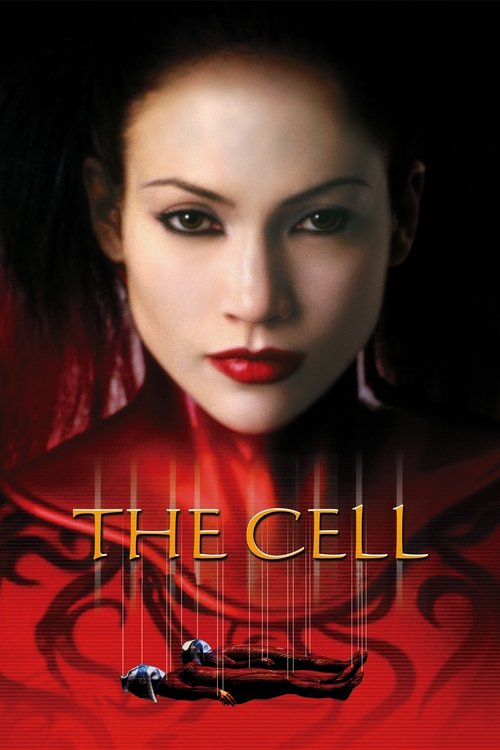
The Cell
Visually stunning and psychologically thrilling, "The Cell" plunges viewers into the disturbed mind of a serial killer, blurring the lines between reality and nightmare in a captivating quest to save an innocent life. This unique sci-fi horror spectacle offers a mesmerizing journey into the depths of human consciousness and depravity.
Director
Tarsem Singh
Release Year
2000
Runtime
107 minutes
Main Cast
Jennifer Lopez, Vince Vaughn, Vincent D'Onofrio, Catherine Sutherland, James Gammon
About The Cell
Tarsem Singh's directorial debut, "The Cell," made a significant cultural impact with its audacious visual style and daring premise. Released in 2000, the film arrived at a time when psychological thrillers were exploring increasingly complex narrative structures and pushing the boundaries of CGI-enhanced surrealism. Its bold aesthetic, drawing heavily from art, fashion, and music video sensibilities, immediately set it apart, making it a talking point among critics and audiences intrigued by its blend of horror, sci-fi, and arthouse influences.
The film's premise revolves around Catherine Deane (Jennifer Lopez), a child psychologist who utilizes an experimental virtual reality technology to enter the minds of comatose patients. Her latest, most urgent mission is to delve into the psyche of Carl Stargher (Vincent D'Onofrio), a serial killer who has fallen into a coma, to discover the location of his last victim before she drowns. This high-stakes race against time unfolds within the twisted, often horrifying landscapes of Stargher's subconscious, revealing the profound trauma and psychosis that shaped his monstrous deeds.
"The Cell" received a mixed critical reception upon its release, with many praising its groundbreaking visual artistry and D'Onofrio's chilling performance, while some found the narrative to be underdeveloped in comparison to its striking imagery. Despite the divided opinions, the film's unique vision garnered it considerable attention. It was nominated for several awards, including a Saturn Award for Best Make-up, recognizing its extraordinary practical and visual effects that brought Stargher's mindscapes to life.
Beyond its initial release, "The Cell" has cultivated a strong legacy as a cult classic, particularly noted for its distinctive visual language that continues to influence and inspire. Its exploration of trauma, the subconscious, and the psychology of evil remains relevant, prompting discussions about the nature of humanity and the darker corners of the mind. The movie is remembered not just for its premise, but for its unforgettable and often disturbing dreamscapes, solidifying its place as a visually groundbreaking work in the sci-fi horror genre.
Drafts Featuring The Cell
Every SnakeDrafts listicle where this movie appears
The Best Jennifer Lopez Movies Ranked
Ranked #12
The Best Vince Vaughn Movies Ranked
Ranked #17
The Best Vincent D'Onofrio Movies
Ranked #6
Best Movies of the Year 2000 Ranked
Ranked #25
Best 2000 SciFi Movies Ranked
Ranked #5
Best Horror Movies of 2000
Ranked #5
The Greatest Thriller Movies of 2000
Ranked #11
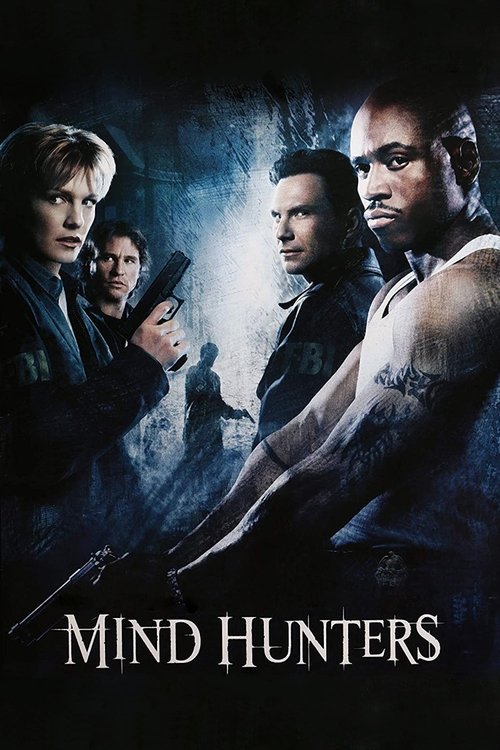
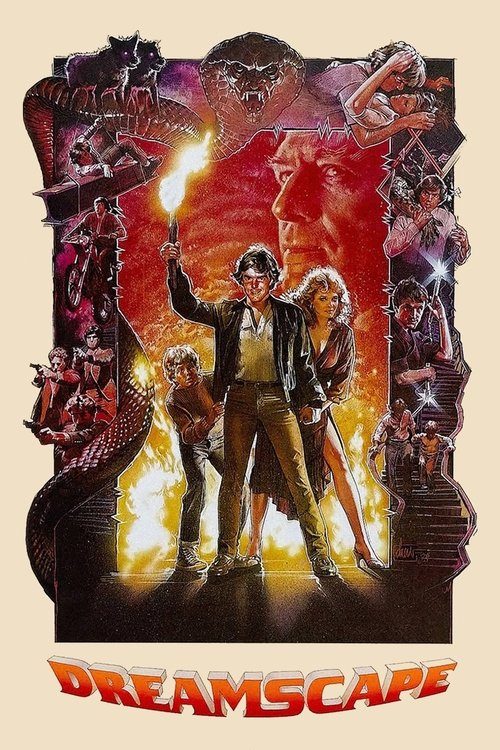
Similar Movies
Movies related to The Cell


Frequently Asked Questions
Everything you need to know about The Cell
- The fragmented and often gruesome imagery within Stargher's mind serves as a direct manifestation of his severe psychological trauma and dissociative identity disorder. These surreal landscapes, filled with distorted figures and unsettling scenarios, are visual metaphors for his fractured psyche and the abuse he endured, which ultimately shaped his violent tendencies.
- Catherine's immersive journey into Stargher's deeply disturbed mind profoundly affects her, challenging her own perceptions of reality and humanity. She is forced to confront intense psychological horrors and the raw essence of evil, which ultimately leads to a transformative experience and a deeper understanding of the human capacity for both cruelty and vulnerability.
- The symbolism of the horse in "The Cell" is multifaceted, representing innocence, power, freedom, and later, corruption and suffering within Stargher's fractured mind. Its recurring presence often highlights the killer's lost childhood innocence and the perversion of natural beauty within his distorted subconscious.
- The film explores the theme of empathy by forcing Catherine to confront the source of Stargher's evil without succumbing to judgment. She attempts to understand the origins of his pathology, suggesting that even the most monstrous acts stem from deeply rooted pain and trauma, thus challenging viewers to consider the complexities of human behavior.
- Director Tarsem Singh drew heavily from art history, contemporary art, and fashion for the film's distinct visual style. Influences range from the works of H.R. Giger and Francis Bacon to the fashion photography of Alexander McQueen, creating a surreal and often disturbing aesthetic that blurs the lines between beauty and horror, making the film a truly unique visual experience.

