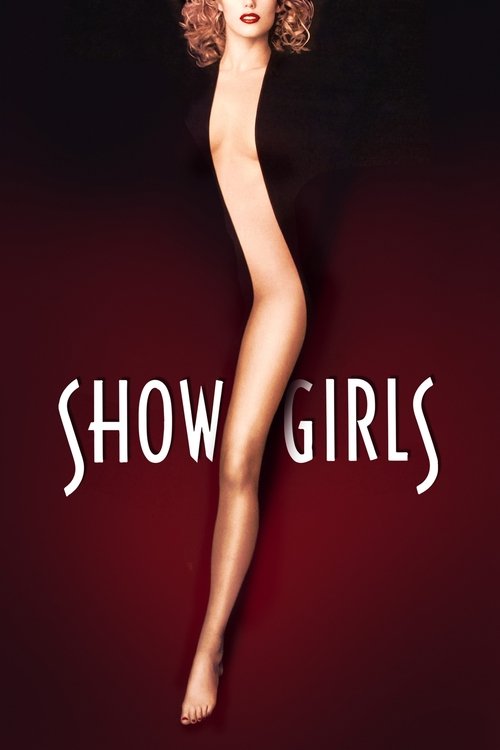
Showgirls
In the glittering, cutthroat world of 1990s Las Vegas, Nomi Malone claws her way from street dancer to star, but at what cost? Paul Verhoeven's "Showgirls" is a provocative and unforgettable dive into ambition, exploitation, and the dark side of the American dream, sparking controversy and captivating audiences for decades.
Director
Paul Verhoeven
Release Year
1995
Runtime
131 minutes
Genres
Main Cast
Elizabeth Berkley, Kyle MacLachlan, Gina Gershon, Glenn Plummer, Robert Davi
About Showgirls
Paul Verhoeven's 1995 film "Showgirls" exploded onto the cinematic landscape with a ferocity that few films before or since have matched. Initially panned by critics and earning a notorious NC-17 rating, its legacy has, against all odds, blossomed into that of a cult classic. The film daringly pulls back the curtain on the seedy underbelly of the Las Vegas entertainment industry, presenting a hyper-stylized and often shocking portrayal of ambition, survival, and the corrosive nature of power.
The narrative centers on Nomi Malone, a drifter who arrives in Las Vegas with dreams of becoming a star. She navigates a brutal hierarchy, from stripping in back-alley clubs to vying for a coveted spot in the extravagant "Goddess" show. Her journey is characterized by a fierce, almost primal drive, forcing her to confront moral compromises and ruthless rivals in her relentless ascent. The film doesn't shy away from depicting the exploitation inherent in such an environment, showcasing the harsh realities beneath the sparkling facade.
While initially a critical and commercial failure, "Showgirls" has undergone a significant re-evaluation over time. Critics and audiences alike have revisited its themes, recognizing its audacious satire and bold artistic choices. Its over-the-top performances, iconic dialogue, and Verhoeven's signature blend of social commentary and pulp fiction have cemented its place in cinematic lore. The film has found a devoted following who appreciate its camp sensibility and its unflinching look at female ambition in a patriarchal world.
"Showgirls" continues to provoke discussion and debate, a testament to its enduring cultural impact. Its unapologetic portrayal of sexuality and power dynamics, coupled with its memorable performances, ensured its place as a quintessential 90s cult film. From midnight screenings to academic analysis, "Showgirls" remains a fascinating and endlessly rewatchable piece of cinematic history, inviting viewers to question societal norms and the price of fame.
Drafts Featuring Showgirls
Every SnakeDrafts listicle where this movie appears
Similar Movies
Movies related to Showgirls



Frequently Asked Questions
Everything you need to know about Showgirls
- Nomi's ambition is depicted as both a driving force and a destructive obsession. She is fiercely determined to rise in the Las Vegas showgirl hierarchy, but her relentless pursuit of success often leads her to make morally questionable decisions and alienate those around her.
- The 'Goddess' show represents the pinnacle of success and glamour within the Las Vegas entertainment world for Nomi. It symbolizes the ultimate goal she strives for, but also the facade of perfection that hides a darker reality of competition and exploitation.
- The relationship between Nomi and Cristal is a complex dance of mentorship, rivalry, and manipulation. Initially, Cristal appears to offer Nomi guidance, but their dynamic quickly devolves into a fierce power struggle as Nomi challenges Cristal's dominant position.
- The film utilizes extravagant and often revealing costumes, alongside opulent production design, to highlight the superficial glamour and artificiality of the Las Vegas entertainment industry. These elements underscore the film's themes of illusion, artifice, and the commodification of the female body.
- 'Showgirls' offers a satirical commentary on the American dream, celebrity culture, and the objectification of women in entertainment. It exposes the harsh realities and ethical compromises often hidden beneath the glitzy facade of success, prompting viewers to reconsider societal values and aspirations.
- Nomi's ending is open to interpretation, suggesting a cyclical nature to her ambition. While she seemingly achieves her goal of becoming a headliner, her departure from Vegas hints at a potential disillusionment with the very success she craved, or a search for a different kind of fulfillment.
- Nomi's final act of leaving Las Vegas in a truck, mirroring her arrival, symbolizes a rejection of the system she fought so hard to conquer. It suggests a desire for authenticity and a potential escape from the corrupting influences of the entertainment world she briefly dominated.

