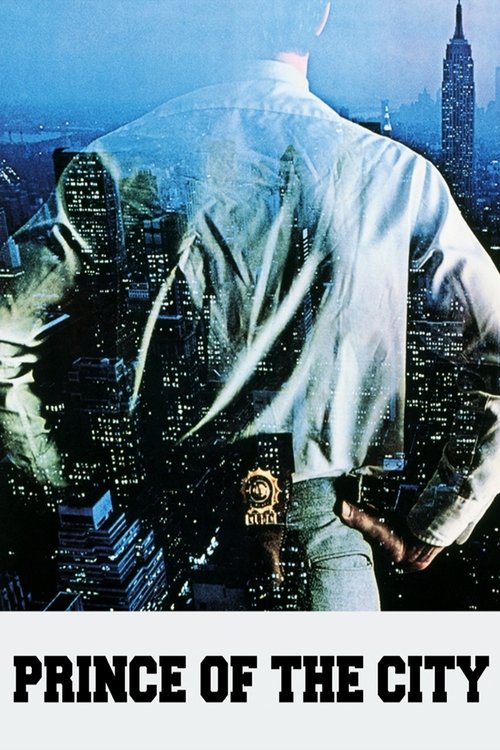
Prince of the City
Prince of the City plunges viewers into the raw, uncompromising world of NYPD corruption through the eyes of a detective caught between loyalty and justice. This Sidney Lumet masterpiece is a gripping exploration of moral ambiguity, offering a stark look at the personal cost of fighting institutional rot. Discover the true price of integrity in a city where every线 is blurred.
Director
Release Year
1981
Runtime
167 minutes
Main Cast
Treat Williams, Jerry Orbach, Richard Foronjy, Don Billett, Kenny Marino
About Prince of the City
Sidney Lumet's 1981 crime drama, *Prince of the City*, stands as a monumental achievement in the genre, renowned for its unflinching realism and complex narrative. Based on Robert Daley's non-fiction book of the same name, the film chronicles the real-life struggles of Detective Robert Leuci, fictionalized as Daniel Ciello, who agrees to cooperate with a federal investigation into police corruption. Lumet, a master of New York-centric cinema and moral dilemmas, crafts a narrative that is both an intense procedural and a profound character study, cementing its place as a cornerstone of early 80s American filmmaking.
The film's cultural impact stems from its stark portrayal of systemic corruption within law enforcement, a theme that resonates deeply even today. *Prince of the City* avoids simplistic hero-villain dynamics, instead delving into the intricate web of loyalties, betrayals, and ethical compromises that define Ciello's world. Its depiction of the psychological toll on its protagonist, brilliantly brought to life by Treat Williams, elevates it beyond mere crime drama, offering a poignant commentary on morality, community, and the justice system itself.
While not a box office smash, *Prince of the City* garnered significant critical acclaim, particularly for Lumet's direction and Williams's powerhouse performance. Critics lauded its gritty authenticity and intricate storytelling, highlighting its departure from more conventional police dramas. Though it received no Academy Award nominations, its influence on subsequent films exploring police ethics and urban decay is undeniable, earning it a cult following and critical reappraisal over the years.
The premise follows Daniel Ciello, a revered detective in an elite special investigations unit, who is caught up in a federal probe. He makes a deal to expose corruption within the NYPD, believing he can protect his closest colleagues. However, the investigation spirals, forcing him to confront uncomfortable truths about his friends, his loyalties, and the very nature of justice. The film masterfully builds tension as Ciello navigates a treacherous landscape where every decision has devastating consequences, revealing the profound personal sacrifice demanded by his choices.
*Prince of the City*'s legacy is that of a seminal work in the crime genre, a film that dared to pull back the curtain on police misconduct with a rare degree of nuance and psychological depth. Its commitment to authenticity, complex characterizations, and willingness to explore the gray areas of morality have ensured its enduring relevance. It remains a powerful reminder of Lumet's unparalleled ability to craft compelling narratives about the human condition within the unforgiving backdrop of New York City.
Drafts Featuring Prince of the City
Every SnakeDrafts listicle where this movie appears
Similar Movies
Movies related to Prince of the City
Frequently Asked Questions
Everything you need to know about Prince of the City
- Ciello initially agrees to cooperate under the belief that he can control the scope of the investigation and protect his closest friends. He is motivated by a desire to cleanse the department of overt corruption without betraying his internal code of loyalty, a balancing act that quickly proves impossible for him to maintain.
- The film depicts loyalty as a powerful, almost tribal bond among the officers, forged in the dangerous environment of their work. This ingrained loyalty creates immense internal conflict for Ciello, as his cooperation with the feds directly challenges these deeply held allegiances, leading to feelings of profound isolation and betrayal from those he once considered family.
- The ending of *Prince of the City* is deliberately ambiguous, showing Ciello as a survivor but forever changed by his ordeal. Redemption is not easily granted; he's left to grapple with the profound and lasting consequences of his actions, suggesting that while he exposed corruption, his personal victory is tinged with irreversible loss and a sense of moral compromise.
- The film masterfully blurs these lines by presenting a world where police officers operate in a moral gray area, often engaging in illegal activities themselves in the name of fighting crime or securing convictions. Ciello's journey highlights how institutional pressures and personal justifications can corrupt even well-intentioned individuals, making it difficult to discern absolute right or wrong.
- Ciello's actions have a deeply personal and devastating impact, isolating him from his former colleagues and leaving him psychologically scarred. For the police department, his cooperation exposes deep-seated corruption, forcing an uncomfortable introspection and setting a precedent for internal accountability, though the film implies that systemic issues persist.

